
REVIEW · SUMO TOURNAMENT TICKETS
Tokyo: Sumo Tournament with Guide & Assigned Reserved Seat
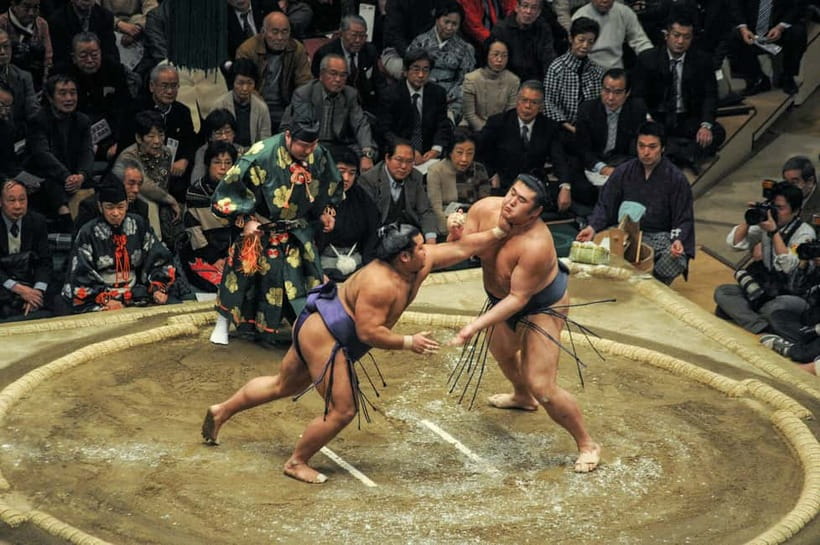
A live sumo tournament gives you something a museum cannot: the sound, ceremony, waiting, tension, and sudden force of Japan’s national sport. At Ryogoku Kokugikan, you watch wrestlers enter a ring shaped by centuries of ritual, then try to understand a bout that may last only a few seconds. The guide turns that fast action into something you can follow.
I like the assigned reserved seat, since official tournament tickets can be hard to secure, and I like having an English-speaking guide explain the rankings and rituals before the action begins. The visits to a nearby temple and garden can also add useful context. The main drawback is price: at $209 per person, this is much more expensive than the face value of many seats.
Key points to know
- Four to five hours at Ryogoku Kokugikan: The tour includes a 30-minute guided introduction and about four hours at the arena.
- Second-floor B or C class seat: Your place is reserved, but you do not select the exact seat.
- Clear explanations in English: Guides including Jorge, Lily, Cesar, Erik, and Miki have helped visitors understand sumo’s rules and customs.
- A good first sumo experience: You do not need to arrive already knowing the rankings or scoring system.
- Price is the serious question: You are paying for access, organization, and interpretation, not just the ticket.
- Not ideal for mobility concerns: The experience is not suitable for people with mobility impairments.
Why a live sumo tournament is worth your afternoon
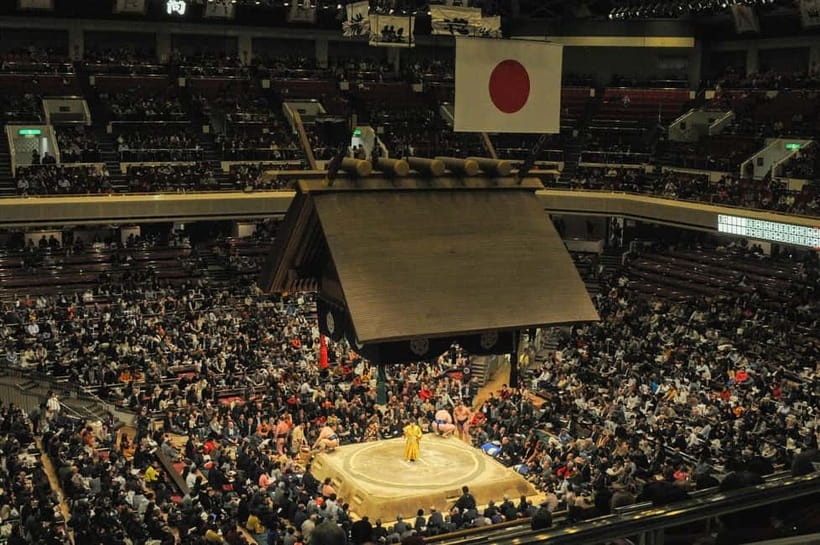
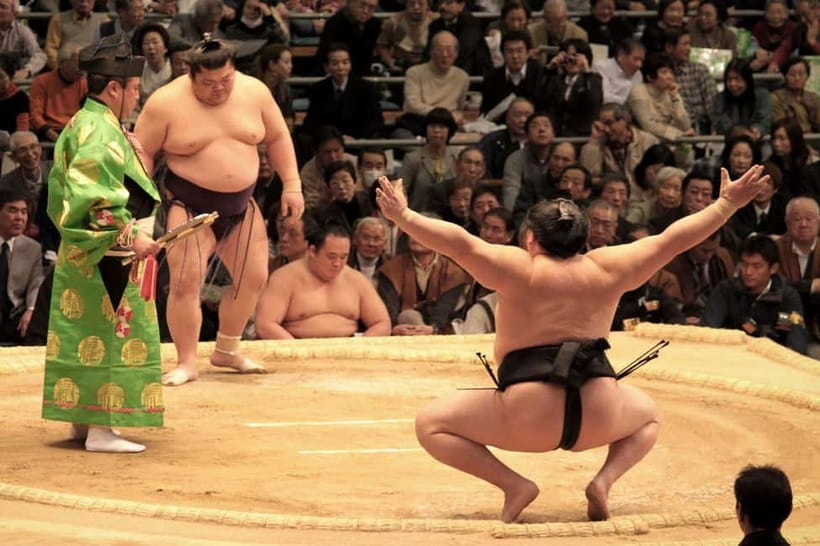
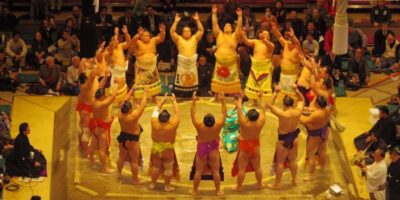
Sumo is easy to misunderstand if you only see short clips. The wrestlers appear, perform a few formal movements, and then the match ends almost at once. In the arena, the pauses matter. The salt, foot stamping, staring, bowing, and repeated preparation are part of the event, not filler before the sport begins.
Your guide helps you read those moments. You learn why the wrestlers spend time preparing, how the ranking system works, and what separates a powerful push from a clever sidestep. That explanation matters because a bout can be over before an unprepared spectator has worked out what happened.
I especially like this setup for a first visit. Guides such as Jorge, Lily, Cesar, Erik, Miki, and George are repeatedly praised for answering questions and explaining the traditions in friendly English. The quality can vary with the individual guide, but the strongest guides clearly enjoy sumo themselves and can make the afternoon feel like a lesson from an enthusiastic local fan rather than a dry lecture.
You should still know what this is not. It is not a small private tour with a personal guide beside you for every minute. Groups can be large, and one guide may need to speak to more than ten people. At times, noise near the arena can make explanations difficult to hear.
More tournament tours in Tokyo:
- Tokyo: Sumo Tournament Tour with Chair Seat Tickets
★ 4.6 · 753 reviews - Tokyo Grand Sumo Tournament Viewing Tour with Tickets
★ 5.0 · 692 reviews - Tokyo Sumo Wrestling Tournament Experience
★ 5.0 · 660 reviews
Meeting in Ryogoku, Tokyo’s sumo neighborhood
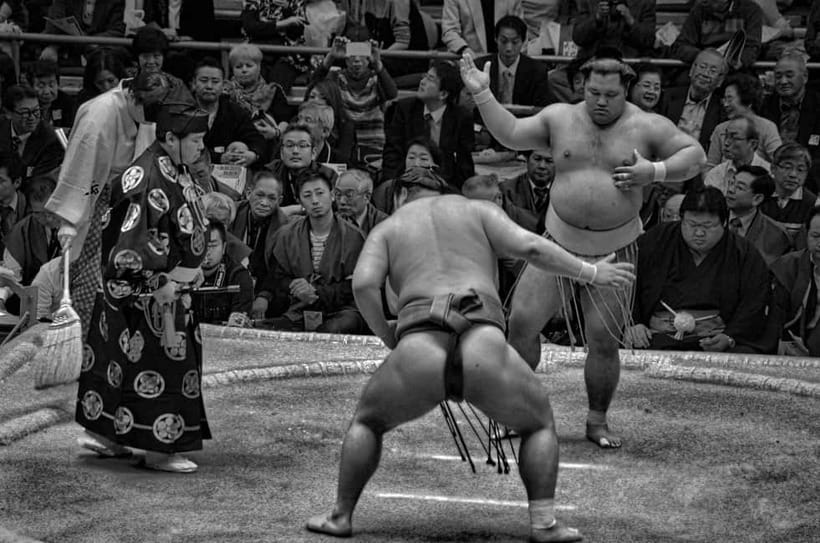
The meeting point has two possible starting options, both listed as the Matsuura-Bungo Mansion Site. Your exact meeting instructions depend on the option you book, so read the confirmation carefully before leaving for Ryogoku.
Some tours begin near a temple in the sumo district. That is a useful place to start because it gives you a little history before you enter the arena. A short walk through the neighborhood helps you understand that Ryogoku is not simply a stadium stop. Sumo is woven into the area’s identity.
The initial orientation may also include a cemetery or temple and a garden near the arena. These side visits are not the main reason to book the experience, but they can make the setting feel less like a ticket handoff. If you already know Tokyo’s sumo district well, you may find this portion less important.
One practical point: some information may be given outdoors, and the street can be noisy. I would arrive ready to pay close attention and ask questions when the group reaches a quieter spot. The best use of this time is to learn the basic vocabulary and ranking structure before entering Ryogoku Kokugikan.
The 30-minute introduction before the bouts
The formal guided portion lasts about 30 minutes. This is where the experience earns much of its value for first-time spectators.
Expect an explanation of the tournament structure, sumo rankings, basic rules, rituals, and the cultural meaning of the sport. You may also learn how wrestlers advance or fall in rank and why each match matters beyond the result on that one afternoon.
I would use this time to ask direct questions. What counts as a winning move? Why does a wrestler sometimes appear to avoid a head-on clash? What should you watch for in the opening seconds? How do rankings affect the next tournament? A guide who is willing to answer these questions can change the way you see every bout.
The depth of the instruction is not always identical. Some people want more detail about techniques and the origins of the rituals, while the guide may spend extra time on local buildings or general history. If technique is your main interest, say so early. The guide cannot know what you want unless you ask.
Watching the tournament from a B or C class seat
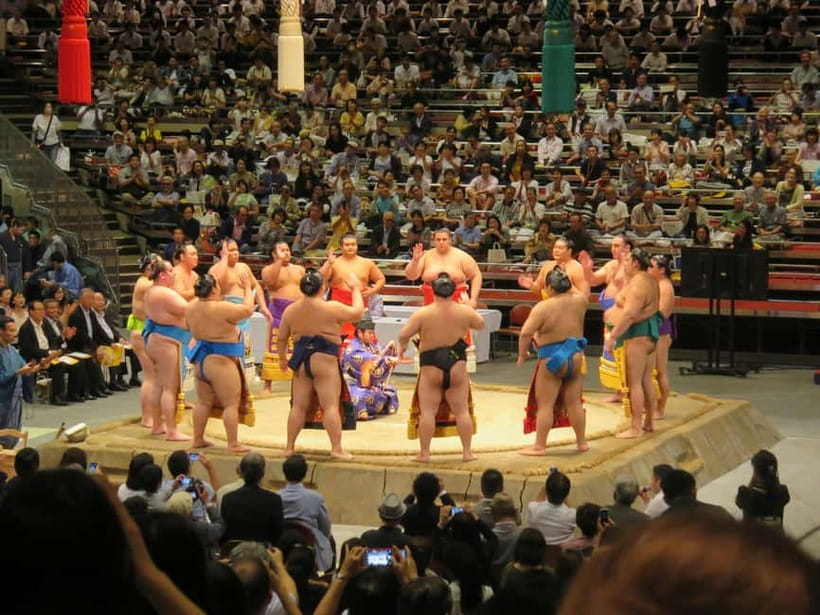
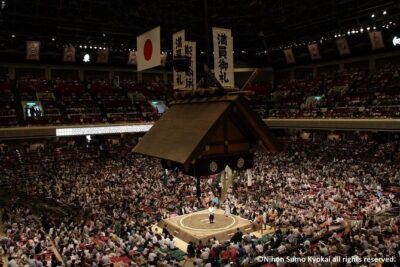
The included ticket is an assigned B or C class seat on the second floor. You receive a reserved place, but you do not choose the exact location. That tradeoff is important.
A second-floor seat gives you a broad view of the ring and the surrounding arena. Several people found the view clear and well positioned, while one booking experience noted that seats could be random or split up. If you are booking for a group, do not assume that everyone will sit together unless the arrangements specifically confirm it.
The four-hour arena visit gives you time to watch the tournament rather than rushing in for one headline bout. You see the rhythm of the program, from the buildup and ceremony to the more important matchups later in the day. The guide may move around or check in with different sections of the group, explaining what is happening as the tournament continues.
That arrangement is useful, but it has limits. Your guide may not be able to sit beside you continuously, especially in a large group. You will need to listen when the guide comes around and keep track of questions until there is a good moment to ask them.
The atmosphere is a major part of the value. Sumo is not just two large athletes pushing each other. The long pauses, formal entrances, crowd reactions, and disciplined movements create a distinctive kind of suspense. Once you understand the basics, even a short bout feels more meaningful.
Food and drinks are not included, and the activity information says they are not allowed. Plan around that restriction rather than expecting a snack break inside the tour. The experience is several hours long, so check the current meeting and venue instructions before setting out.
More tournament tickets in Tokyo:
- Tokyo: Sumo Practice Tour with Ring-Side Seat and Photoshoot
★ 4.7 · 103 reviews - Tokyo Sumo Morning Practice Tour w/ Ring-Side Seat + Photo Shoot
★ 5.0 · 93 reviews - Official Sumo Tournament Ticket with Guided Experience
★ 4.5 · 19 reviews - Chair Seat Guaranteed SUMO Practice +Photo +Culture Option
★ 4.5 · 17 reviews
What the guide adds to the experience
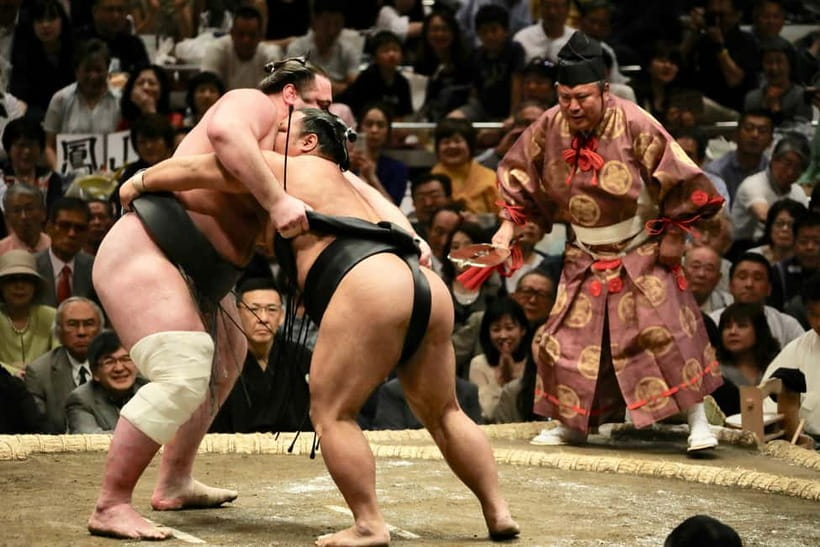
Without help, you can admire the costumes and ceremony but miss much of the story. The guide gives you a way to follow the competition.
The most useful explanations cover:
- The ranking system and how advancement works
- The purpose of the pre-match rituals
- The rules behind a winning and losing bout
- Basic sumo techniques
- The cultural role of sumo in Japan
- Names and rankings of the wrestlers competing
Guides named Jorge and George are praised for making the action easy to understand and for answering questions throughout the afternoon. Lily is described as warm, energetic, and clear in English. Cesar is repeatedly singled out for his grasp of the traditions, wrestler names, and tournament details. Erik is also praised for combining sumo information with a good sense of humor.
Those names are useful when reading recent availability, but they do not guarantee who will lead your group. The experience is provided in English, and the guide assigned to you may be different.
The size of the group affects the experience. A small group allows more questions and easier conversation. A larger group can make it harder to hear, especially on a noisy street or while people are moving through the arena. I would not book this expecting a private tutorial.
Is $209 a fair price for a sumo ticket and guide?
This is where you need to be clear-eyed. The cost is $209 per person, while several people point out that a comparable B or C class seat may cost far less when purchased directly. That means a large share of your payment covers ticket access, advance organization, the guide, and the convenience of booking from outside Japan.
Some people consider that worthwhile because official tickets can be difficult to obtain, especially for a popular tournament. A guaranteed reserved seat removes a major uncertainty from your Tokyo planning. You also avoid trying to understand a Japanese ticketing system while racing other buyers for limited availability.
Others see the price as excessive, particularly when they discover the face value of the seat. One person called the markup unreasonable, while another felt the guide provided real value but not enough to justify the full difference. Both reactions are fair.
I would think of this as a convenience and interpretation package, not a bargain ticket. If seeing a grand tournament is one of your top Tokyo goals, the extra cost may be easier to accept. If you are watching your budget or are comfortable arranging tickets yourself, this tour is hard to defend on price alone.
Book as early as you can. Last-minute demand can make all sumo options more expensive, and the experience is designed for people who value certainty over the lowest possible cost.
Who should book this experience?
This tour suits you if you are visiting Tokyo for the first time, have a strong interest in Japanese culture, or want a simple way to attend an official tournament without handling every detail yourself. It is also a good fit if you know little about sumo but want more than a silent seat in the arena.
Families with older children may appreciate the visual drama and clear structure, though the long duration and seating should be considered carefully. The activity is not suitable for people with mobility impairments.
You may want to skip it if you dislike assigned seats, need a small private group, or feel strongly about paying close to face value for admission. You should also skip it if the guide’s cultural explanation is less important to you than obtaining the cheapest available ticket.
A practical plan for getting the most from the afternoon
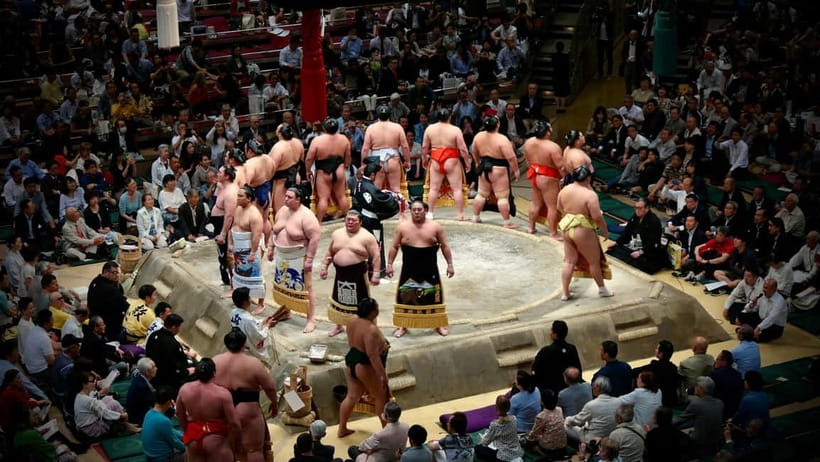
Read a little about the ranking system before you go. You do not need to memorize every wrestler, but knowing that rank affects status and future matchups will give the tournament more shape.
Arrive at the stated meeting point with time to spare. The meeting point can vary by booking option, and a late arrival could be stressful before a fixed-time event. Keep your confirmation available and pay attention to the guide’s instructions.
Ask about techniques early. Some people found the general explanations useful but wanted more detail about the mechanics of the bouts. A simple question about what to watch for can lead to a much better explanation.
Keep your expectations realistic about the seat. You have a reserved second-floor B or C class place, not a handpicked position. If you are traveling with companions, check how seat allocation works before payment.
Finally, treat the ceremony as part of the event. The pauses may seem slow at first, but they are where the character of sumo appears. Once you stop waiting only for the collision, the whole tournament becomes easier to appreciate.
Should you book the Tokyo sumo tournament tour?
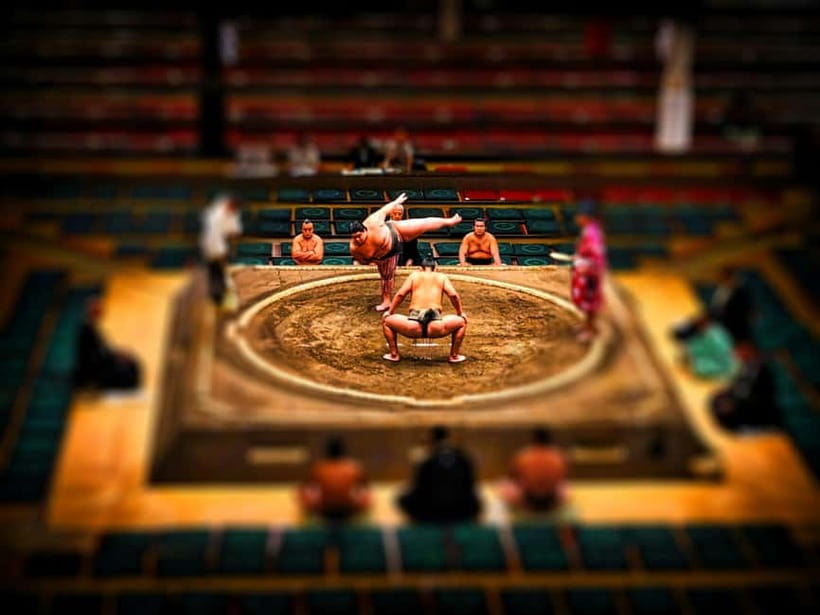
Book it if a live grand sumo tournament is a priority and you want reliable access plus clear English explanations. The guide can turn a confusing first match into a fascinating cultural event, and the reserved second-floor seat gives you a solid way to watch the action.
Do not book it for a low-cost ticket or a private guide. The $209 price is high, the exact seat is assigned, groups may be large, and food and drinks are not included. For the right visitor, the organization and expert guidance justify the premium. For a budget-minded visitor who can secure tickets independently, they probably do not.
FAQ
How long does the sumo tournament experience last?
The experience lasts about four to five hours. It includes a 30-minute guided tour at Ryogoku Kokugikan and about four hours at the venue.
Where does the tour begin?
There are two starting location options listed at the Matsuura-Bungo Mansion Site. Your meeting point may vary depending on the option you book.
What kind of seat is included?
You receive an assigned reserved B or C class seat on the second floor of Ryogoku Kokugikan. You cannot choose the exact seat.
Is the guide available in English?
Yes. The live tour guide provides explanations in English.
What does the guide explain?
The guide explains sumo rules, rituals, rankings, techniques, and the cultural meaning of the sport. Guides may also answer questions about the wrestlers and tournament.
Are food and drinks included?
No. Food and drinks are not included, and the activity information says they are not allowed.
Is the tour suitable for people with mobility impairments?
No. The experience is listed as unsuitable for people with mobility impairments.
Newest sumo experiences in Tokyo
- TOKYO , No1 Yokozuna Stable Morning Practice in Ryogoku★ 4.5 · 3 reviews
- Tokyo 6hr Private Guided Tour & Sumo Show Lunch★ 5.0 · 3 reviews
- Tokyo Grand Sumo Tournament Viewing Tour★ 5.0 · 2 reviews
- Tokyo Sumo History Tour with Chanko Nabe Lunch★ 5.0 · 3 reviews
- Tokyo Highlights Tour: Sumo, Sushi, Tea, and Tokyo Tower★ 5.0 · 2 reviews
- Tokyo: Know about Hokusai and Sumo culture in 2.5 hours★ 5.0 · 2 reviews
- Tokyo: Sumo Keiko Training Tour with Audio Guide & Photo★ 4.8 · 5 reviews
- Tokyo: Watching Sumo and Ryogoku Area Walking Tour★ 4.0 · 5 reviews
Sumo Tournament Tickets, compared.
Tokyo Grand Sumo Tournament Viewing Tour with Tickets
Read our review →
Sumo Practice Tour with Ring-Side Seat and Photoshoot
Read our review →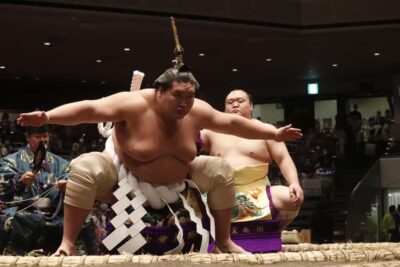
Sumo Wrestling Tournament with Chair Seat Tickets
Read our review →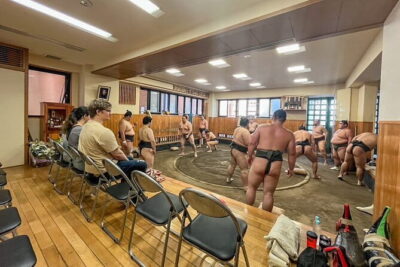
Tokyo Sumo Morning Practice Tour w/ Ring-Side Seat + Photo Shoot
Read our review →November Sumo Tournament tour in Fukuoka (Tickets Included)
Read our review →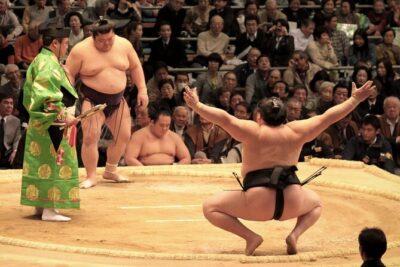
Official Sumo Tournament Ticket with Guided Experience
Read our review →
Chair Seat Guaranteed SUMO Practice +Photo +Culture Option
Read our review →Browse the lists this tour appears in