
REVIEW · SUMO AND JAPANESE CULTURE EXPERIENCES
Tokyo Highlights Tour: Sumo, Sushi, Tea, and Tokyo Tower
Tokyo’s best day tours often mix famous sights with small cultural moments, and this one does exactly that. You may watch sumo wrestlers train through a viewing window, sample sushi at Tsukiji, sip matcha in a garden tea house, copy a Buddhist sutra, and finish above the city at Tokyo Tower. It is a full 510-minute day, but the variety keeps it moving.
I like the rare sumo-beya visit and the calm change of pace at Hamarikyu Gardens. I also like that admissions, the tea experience, sutra copying, the Tokyo Tower ticket, and one train fare are included. The main caution is simple: sumo training is not guaranteed, and food at Tsukiji is extra. Past bookings specifically praised guides Beth and Jeff for being warm, accommodating, and well informed.
Key points to know before booking
- Sumo training is viewed from outside: You watch through large windows and must remain quiet because this is real practice, not a staged show.
- Tsukiji is your breakfast stop: The market offers sushi, wagyu, fruit, sweet potatoes, and other foods, but your purchases are not included.
- Hamarikyu adds a peaceful garden break: Your ticket and matcha with wagashi are covered.
- Sutra copying gives the temple visit purpose: You receive a Goshuin temple stamp afterward.
- Tokyo Tower closes the day with wide city views: The ticket is included, with the tour ending at Akabanebashi Station.
- The schedule needs flexibility: Sumo training may be canceled, especially during Grand Sumo Tournament periods in January, May, and September.
Why this Tokyo day works so well
This tour is built around contrast. You begin with the strict, quiet discipline of sumo training, move into the smells and choices of a food market, slow down with tea in an Edo-period garden, sit quietly in a Buddhist temple, and then look over modern Tokyo from a 1958 observation tower.
That mix gives you more than a checklist of famous places. You get a sense of how old customs and present-day Tokyo share the same city. The day also works well if you are visiting Tokyo for the first time and want a guide to handle the transitions between neighborhoods.
At $150 per person, the price is not cheap, but it covers several paid admissions and guided experiences. Hamarikyu Gardens, the tea house, sutra copying, Tokyo Tower, and the listed train fare are included. Since lunch and all market food are extra, I would think of this as a structured sightseeing day with room for your own food budget, not an all-inclusive food tour.
The schedule begins at 8:15 in the morning and lasts 8.5 hours. That early start matters. It gives you a better chance of seeing sumo practice and puts you at Tsukiji early enough for breakfast foods. You should expect a long day with walking, stairs, train travel, and several hours on your feet.
More Japanese culture experiences in Tokyo:
- Tokyo Sumo Culture Tour with Chanko-Nabe Lunch in Ryogoku
★ 5.0 · 26 reviews - Tokyo Walking Tour : Sumo, Sushi, Tea, Temples and Tokyo Tower
★ 5.0 · 21 reviews - Chair Seat Guaranteed SUMO Practice +Photo +Culture Option
★ 4.5 · 17 reviews
Meeting at Hamacho Station at 8:15
Your guide meets you inside Hamacho Station. From the platform, follow signs for exits A1 and A2, go up the stairs, and pass through the ticket gates. Look for the green vending machine marked Merci. That is the meeting spot.
This is a detail worth taking seriously. Tokyo stations can have several exits, and meeting inside the station is easier if you arrive with time to spare. The tour does not include transportation before the meeting or after the final stop, so plan your route to Hamacho in advance.
If sumo viewing is unavailable, the meeting point changes to Tsukiji Station outside exit 2, still at 8:15. On Wednesdays, the meeting time in that situation is 9:30, and the operator will contact you. Check your messages before leaving your hotel.
Watching real sumo practice through the windows
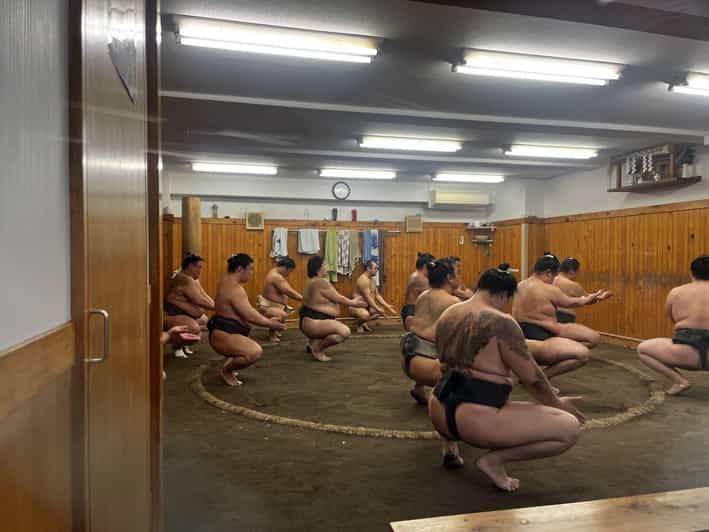
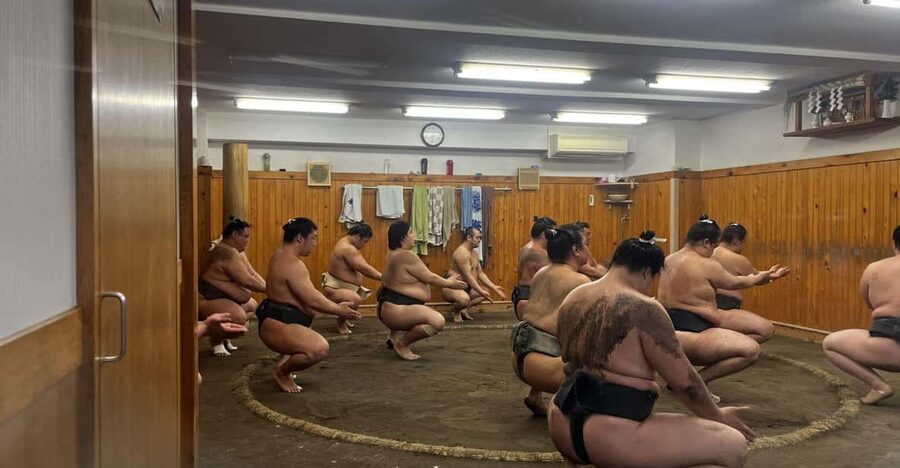
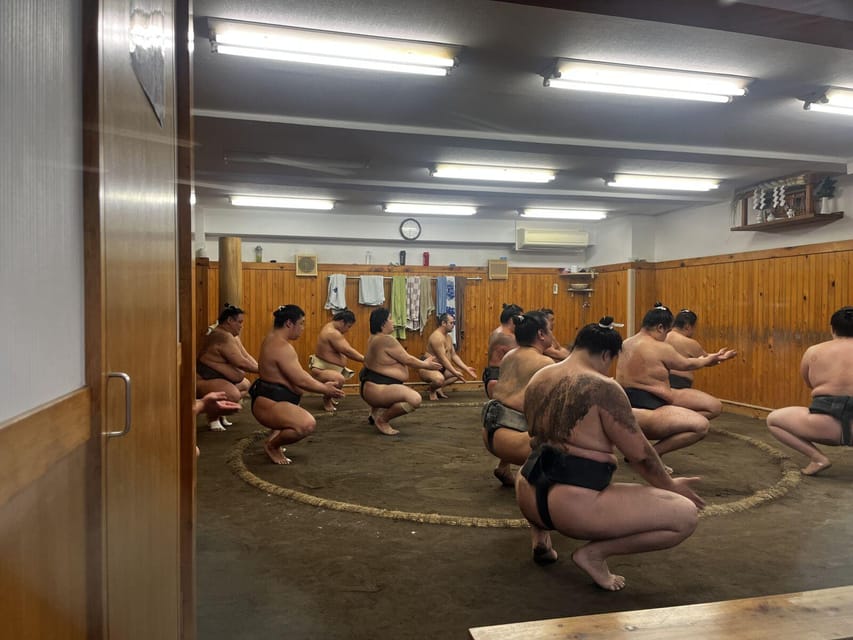
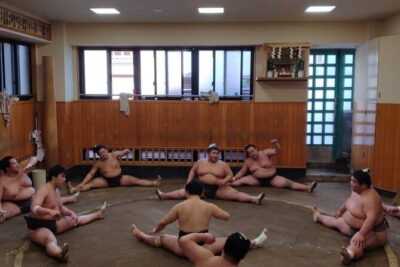
The first stop is a traditional sumo beya, or training room. This is the most unusual part of the tour because you are seeing an active workplace rather than a performance made for tourists.
You watch from outside through large viewing windows. The wrestlers cannot be disturbed, so quiet observation is essential. On some days, wrestlers may come outside for photographs, but you should treat that as a possible extra, not a promised part of the visit.
The setting also means that the experience can change without much warning. The sumo may not be training on your date, and practice closes during certain weeks when Grand Sumo Tournaments take place in January, May, and September. If viewing is not available, the tour begins at Tsukiji instead, with no sumo visit.
I see this uncertainty as the main tradeoff. If watching sumo practice is the reason you are booking, you need to accept that the schedule is controlled by the beya, not by the tour company. If you are happy with a day built around several cultural stops, the rest of the tour still has plenty to offer.
Past bookings singled out guides Beth and Jeff for a warm, welcoming approach. A good guide matters most here, since you need clear instructions about where to stand, when to stay quiet, and what you are seeing without interrupting practice.
Breakfast choices at Tsukiji Outer Market
After the sumo stop, you take a short train ride of about 15 minutes to Tsukiji. The included train fare covers the journey from Ningyocho Station to Tsukiji Station.
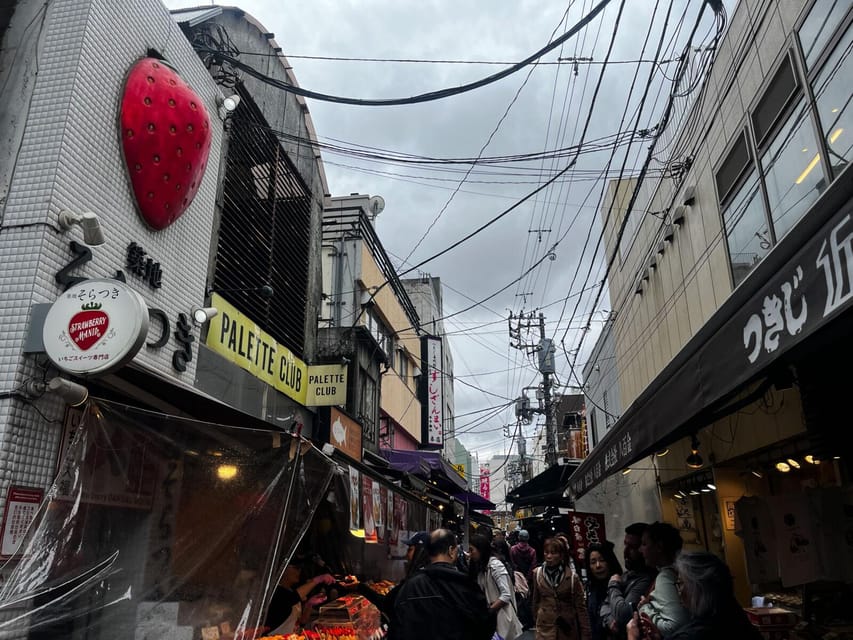
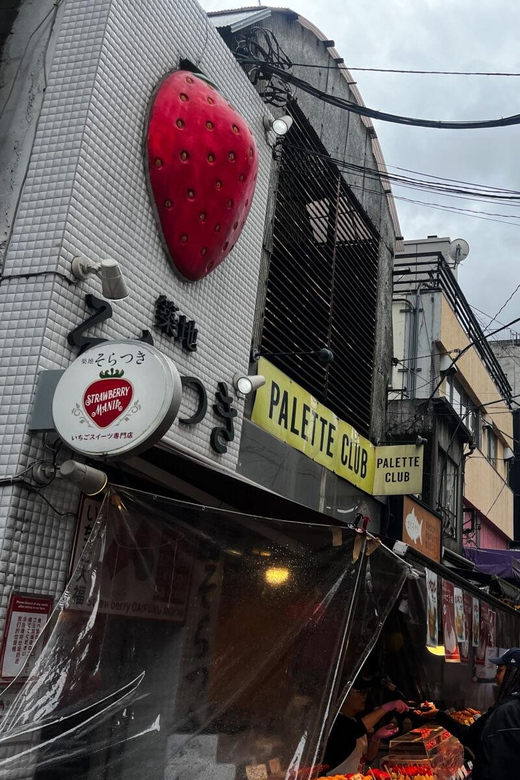
Tsukiji Outer Market opened in 1935 and has long supplied Tokyo restaurants with seafood, fish, and sushi. The inner wholesale market moved elsewhere, but the outer market remains a popular place to browse food stalls and small shops.
Your guide leads you around for about 1.5 hours, then gives you free time to choose what to eat. You might find sushi, wagyu, fresh fruit, sweet potatoes, and Japanese sweets. The tour does not include lunch, breakfast, or market food, so bring money for anything you want to sample.
I like this arrangement better than a fixed meal for a market visit. You can choose a small breakfast, spend more on a sushi plate, or simply browse if you have already eaten. The downside is that the price of food can vary, and the tour does not promise a particular sushi restaurant or tasting menu.
Because the morning began early, Tsukiji is a practical stop as well as a famous one. Eat enough to keep going, but do not overdo it. You still have gardens, a temple, and Tokyo Tower ahead. Your guide can help you understand what you are looking at, but you will have to make your own food choices during the free time.
More sumo tours with a meal in Tokyo:
- Tokyo: Sumo Show and Dining Experience
★ 4.8 · 2,742 reviews - Tokyo:Luxury Sumo Show Experience & Japanese cuisine & Drink
★ 4.7 · 577 reviews - Tokyo Sumo Experience: Chanko & Mochi with a Former Pro
★ 4.8 · 567 reviews - Tokyo: Sumo Experience and Chanko Nabe Lunch
★ 4.8 · 257 reviews
Finding quiet at Hamarikyu Gardens
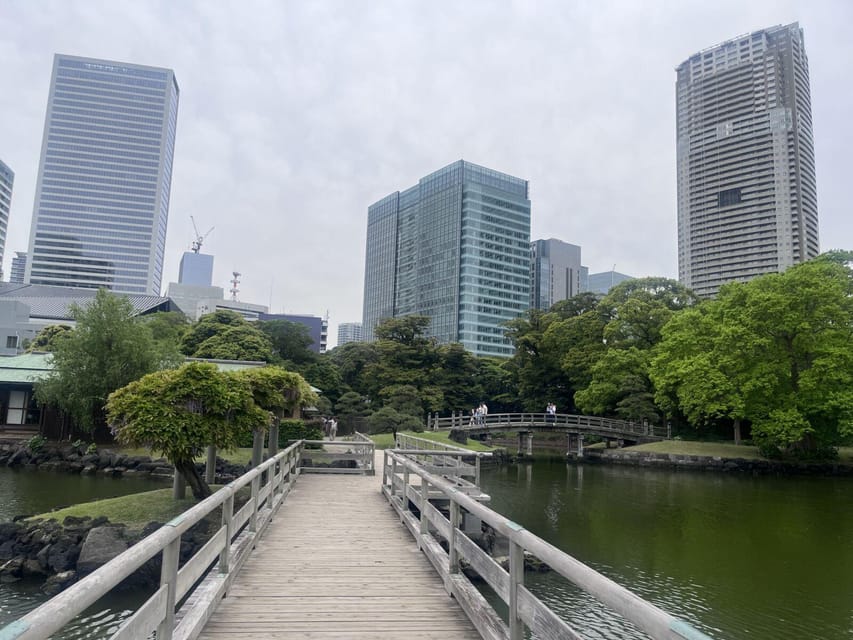
From Tsukiji, you walk for about 20 minutes to Hamarikyu Gardens. This is a useful change after the food market. Instead of choosing among stalls and navigating city streets, you enter a formal garden at the mouth of the Sumida River.
The garden was built in 1654 by the Tokugawa shogunate family. Your guide gives you an introduction to the grounds and their past, then allows free time to walk at your own pace. The garden offers a pause in the middle of a very full day, and I consider that pause one of the tour’s strongest features.
You do not have to rush through every path with the group. Use the free time to look at the layout, water, and traditional garden details, then return for the tea experience. The tour includes admission to Hamarikyu and tea with a Japanese wagashi sweet at a traditional tea house.
The tea stop is not presented as a long formal ceremony. It is a chance to drink matcha and try a seasonal-style Japanese sweet in a historic setting. For many people, this will be their first guided introduction to matcha. The sharp, grassy taste of the tea can be a surprise if you expect something sweet, while wagashi offers a gentler balance.
This stop also gives the day some breathing room. You have already watched sumo and explored a market, and the temple and tower are still ahead. I would not skip the garden simply because Tokyo has bigger attractions. The garden and tea house make the day feel less like a race between major sights.
Copying a sutra at Zojo-ji Temple
After tea, you walk for about 10 minutes to Zojo-ji Temple. The temple was founded in 1393, and its grounds include Tokyo’s oldest wooden building, dating from 1622. Tokyo Tower rises directly behind the temple, creating one of the day’s most striking old-and-new combinations.
Your guide explains the temple and its background before you take part in a sutra copying experience. You copy a Buddhist text inside the temple while incense burns nearby. The activity is quiet and deliberate, so it offers a rare chance to stop using your phone and simply concentrate.
You do not need to be religious to find value in this part of the day. It is a hands-on way to experience a temple rather than only photographing its gates and buildings. At the end, you receive a Goshuin, or temple stamp, as a souvenir.
The practical drawback is that people with mobility impairments or wheelchair users may not find this tour suitable. The day includes station stairs, walking between stops, and movement through several large sites. Wear comfortable shoes and expect the pace to be active, even though the tea and sutra activities slow things down.
Seeing Tokyo from the 1958 tower
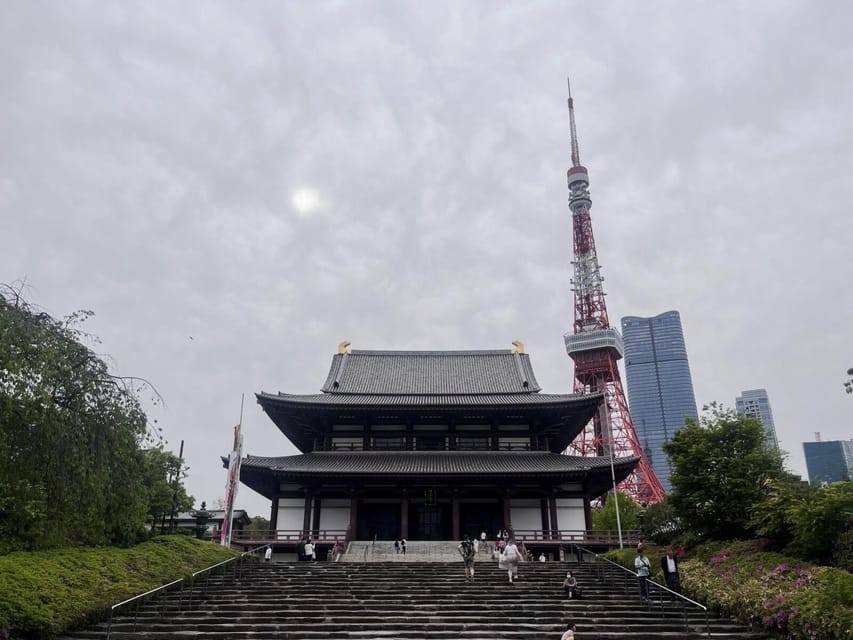
The final major stop is Tokyo Tower, built in 1958. Its observatory has a retro feel, and the views show how far Tokyo stretches from the center of the city.
The Tokyo Tower ticket is included, and you have about 75 minutes at the stop. That gives you time to take in the aerial view without treating the tower as a quick photo stop. Your guide leads you there and explains the visit, but the tower is also a good point to pause and look for yourself.
The tower works well at the end of this tour because you have spent the day seeing Tokyo from street level. From above, the market, temple district, gardens, roads, and dense city blocks become part of one picture. The contrast is especially clear with Zojo-ji Temple directly below and Tokyo Tower behind it.
At the end, you walk back to nearby Akabanebashi Station. Your guide can help with questions about trains and transportation for the journey back to your hotel. You will need to arrange the onward fare yourself.
How much walking and planning should you expect?
The total duration is 510 minutes, or about 8.5 hours. The listed walking sections include five minutes from Hamacho Station, about 20 minutes from Tsukiji to Hamarikyu, and another 10 minutes to Zojo-ji. There is also walking within the market, garden, temple, and tower areas.
The train portion is short, but the day is not sedentary. Choose comfortable shoes and bring water. Since food and drink are not included, you should plan to buy something at Tsukiji or elsewhere during the day.
The tour is conducted in English with a local English-speaking guide. That is important because several stops benefit from explanation: the rules at the sumo beya, the garden’s Tokugawa connection, the temple’s customs, and the meaning of the Goshuin stamp.
Cancellation is flexible up to 24 hours before the tour for a full refund, and you can reserve now and pay later. Those policies help if your Tokyo schedule is still changing, but they do not remove the need to check the sumo schedule and meeting instructions close to the date.
Who will get the most from this tour?
I would choose this for a first or second visit to Tokyo when you want cultural experiences alongside headline sights. It suits you if you like trying local foods, listening to context from a guide, and taking part in small activities rather than spending the whole day taking photographs.
It is also a good fit if you want several costs handled in advance. The garden, tea house, sutra copying, Tokyo Tower, and listed train fare are included, which makes the $150 easier to assess.
I would hesitate if you want a slow day, dislike early starts, or mainly want a long food tour. Tsukiji gives you free choice rather than a fully arranged meal, and the sumo stop can disappear when practice is unavailable. The walking and stairs also make it a poor match for wheelchair users and people with mobility impairments.
The strongest part of the guiding is likely to be the personal attention. Beth was praised for being accommodating and well informed, while Jeff was noted for being kind and welcoming. Guides can change, but those details suggest the operator places real value on making the day comfortable as well as informative.
Should you book this Tokyo highlights tour?
Book it if you want one carefully packed day that moves from sumo to food, gardens, temple customs, and a city view. The mix is unusually broad, and the included admissions help justify the price.
Do not book it if the sumo visit is your only priority. That stop depends on the training schedule, and tournament periods can close it. Go in expecting a flexible cultural day, with your own budget for Tsukiji food and enough energy for a full morning-to-afternoon outing. For the right pace and interests, this is a smart way to connect traditional Tokyo with the city seen from Tokyo Tower.
FAQ
What time and where does the tour begin?
The standard meeting time is 8:15 in the morning inside Hamacho Station, near the green Merci vending machine after the ticket gates and stairs for exits A1 and A2.
What happens if sumo training is unavailable?
The meeting point changes to outside exit 2 at Tsukiji Station at 8:15. If this happens on a Wednesday, the meeting time is 9:30, and the operator will contact you.
Is sumo training guaranteed?
No. The sumo may not be training on the tour date, and training is closed during certain weeks when Grand Sumo Tournaments are held in January, May, and September.
Is food included in the $150 price?
No. Breakfast, lunch, food, and drinks are not included. You can buy food during free time at Tsukiji Outer Market.
What admissions and activities are included?
The price includes the listed train fare from Ningyocho Station to Tsukiji Station, Hamarikyu Gardens admission, the garden tea house experience, the sutra copying fee, the Tokyo Tower ticket, and an English-speaking guide.
Is the tour suitable for wheelchair users?
No. The experience is not suitable for wheelchair users or people with mobility impairments. It includes station stairs and walking between several locations.
Newest sumo experiences in Tokyo
- Tokyo Sumo History Tour with Chanko Nabe Lunch★ 5.0 · 3 reviews
- Tokyo: Know about Hokusai and Sumo culture in 2.5 hours★ 5.0 · 2 reviews
- TOKYO , No1 Yokozuna Stable Morning Practice in Ryogoku★ 4.5 · 3 reviews
- Tokyo 6hr Private Guided Tour & Sumo Show Lunch★ 5.0 · 3 reviews
- Tokyo Grand Sumo Tournament Viewing Tour★ 5.0 · 2 reviews
- Tokyo: Enjoy Sumo match and know about it! [Ticket included]★ 4.4 · 7 reviews
- Complete Sumo Experience in Tokyo★ 4.5 · 3 reviews
- Tokyo Ginza : Sumo and Mikoshi Experience,Open from Sep.★ 5.0 · 8 reviews
Sumo and Japanese Culture Experiences, compared.
Sumo Show & Experience w/ Optional Kimono & Hot Pot
Read our review →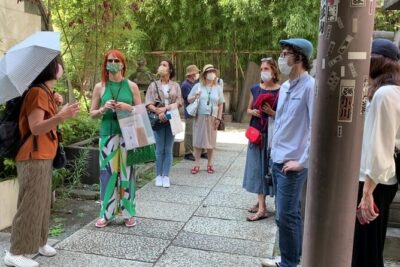
Tokyo Sumo Culture Tour with Chanko-Nabe Lunch in Ryogoku
Read our review →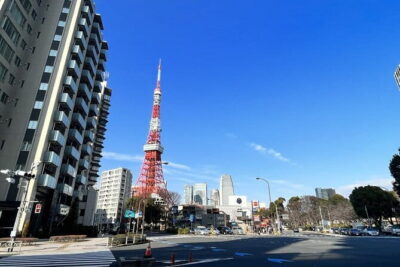
Tokyo Walking Tour : Sumo, Sushi, Tea, Temples and Tokyo Tower
Read our review →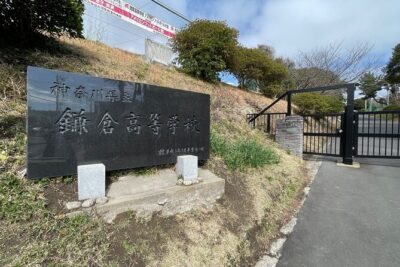
Chair Seat Guaranteed SUMO Practice +Photo +Culture Option
Read our review →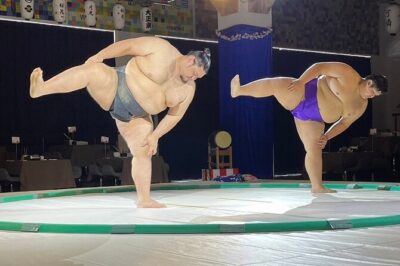
Up-Close Sumo Experience at Ochi Stable: Wear Kimono in Osaka
Read our review →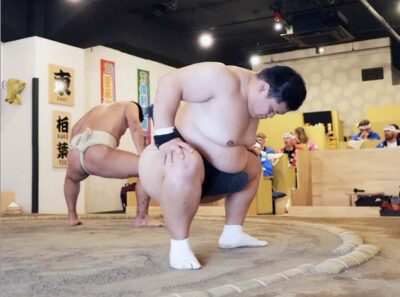
Tokyo Sumo Practice Watching & Visit Town from Samurai era
Read our review →
Browse the lists this tour appears in