
REVIEW · SUMO AND JAPANESE CULTURE EXPERIENCES
Tokyo: Know about Hokusai and Sumo culture in 2.5 hours
The best part of this Tokyo walk is the way it links Hokusai’s art with real Edo-era places. You see the paintings at the Sumida Hokusai Museum, then walk through a garden and sumo district that help explain the world those pictures came from.
I like the small group, capped at six people, and the clean two-part theme: ukiyo-e first, sumo culture second. I also like that museum admission is included. The main drawback is the pace. Two and a half hours covers several stops, so you will see the exterior of Ryogoku Kokugikan rather than enter it, and the final restaurant stop is brief.
Key points
- Hokusai comes first: Spend about an hour at the Sumida Hokusai Museum, learning about his life, methods, and changing styles.
- A real Edo setting: Kyu Yasuda Garden offers a quiet pause and a chance to connect ukiyo-e scenes with a surviving Japanese garden.
- Sumo’s home district: See Ryogoku Kokugikan from outside, then learn why Ryogoku is linked so closely with sumo.
- A memorial stop adds weight: The route passes a facility built to remember a disaster, giving the walk a serious historical pause.
- Small group format: The maximum of six people should make it easier to ask questions and hear the guide.
- Easy ending: The tour finishes at Ryogoku Edo Noren, a restaurant area modeled on an Edo townhouse district.
Hokusai at the Sumida Hokusai Museum
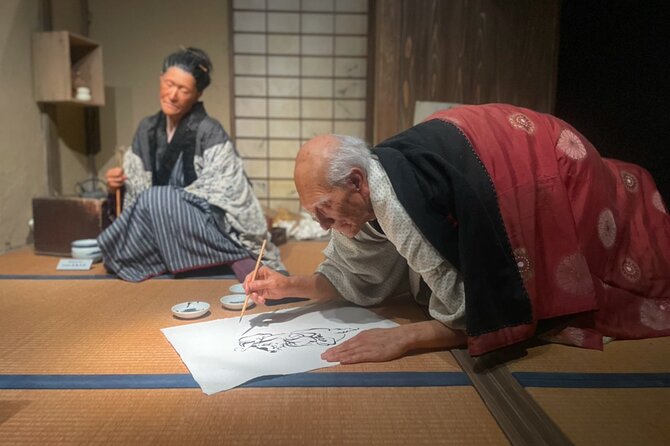
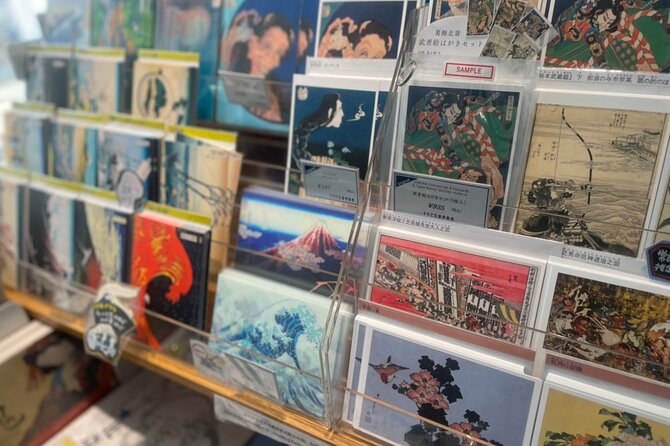
I would begin this experience with the Sumida Hokusai Museum, where about an hour is devoted to Katsushika Hokusai and his ukiyo-e work. That opening matters because the rest of the walk makes more sense once you know something about the artist behind the pictures.
Hokusai is often reduced to one famous image, but this visit presents a wider view of his career. You learn about his life, the names and styles he used, and the ways his work changed over time. Ukiyo-e was not limited to solemn scenes or grand views. It could be playful, fashionable, cute, casual, forceful, or rooted in ordinary life in Edo.
That variety is one of the strongest reasons to book the tour. I like experiences that give you a key for looking at art rather than simply placing you in front of framed objects. Here, your guide explains who Hokusai was and how he worked, so you can look at his prints with more context.
The museum stop is also useful for first-time visitors to Japanese art. If you already know Hokusai well, you may appreciate the chance to look at his different styles and career stages. If ukiyo-e is new to you, the guide’s explanation should make the subject easier to follow than a quick solo visit.
You should plan on the museum being the most substantial stop. The rest of the outing is a walking lesson in place and memory, while this first hour gives you the main artistic background.
More Japanese culture experiences in Tokyo:
- Tokyo Sumo Culture Tour with Chanko-Nabe Lunch in Ryogoku
★ 5.0 · 26 reviews - Tokyo Walking Tour : Sumo, Sushi, Tea, Temples and Tokyo Tower
★ 5.0 · 21 reviews - Chair Seat Guaranteed SUMO Practice +Photo +Culture Option
★ 4.5 · 17 reviews
From printed scenes to the streets of Edo
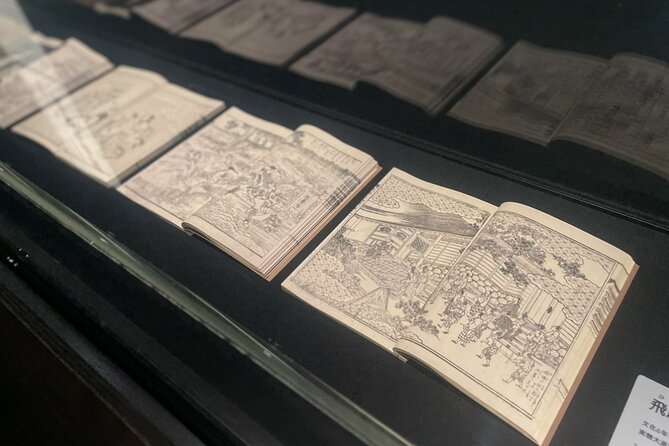
After the museum, the route passes a facility built to remember a disaster that should not be forgotten. The details supplied for the tour do not name the facility or give a full account of the event, so I would treat this as a short reflective pause rather than a full museum visit.
That stop gives the walk a useful change of mood. Hokusai’s pictures can be lively and entertaining, but Edo and Tokyo also carry difficult memories. A good guide can help you notice how beauty, daily life, and tragedy exist side by side in the same neighborhood.
This is one reason the route is more than an art museum visit followed by a sumo photo stop. You move through places that connect culture with real events. The experience asks you to pay attention to what the city remembers, not only to what it displays.
Because the tour is short, do not expect a long lecture at this point. The value comes from the pause and the setting. You can reflect, ask a question, and continue toward the garden.
Kyu Yasuda Garden, a quiet Edo-era pause
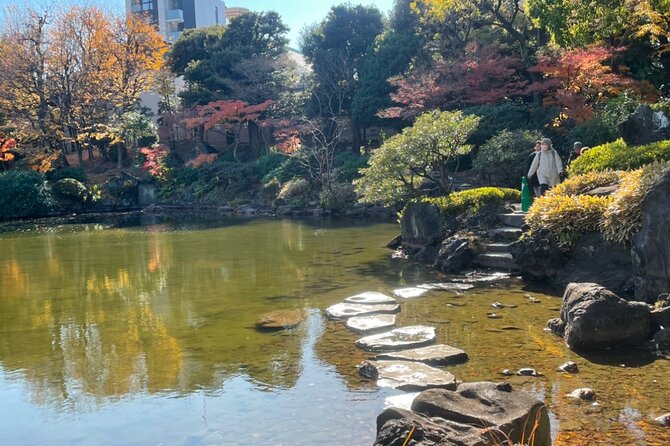
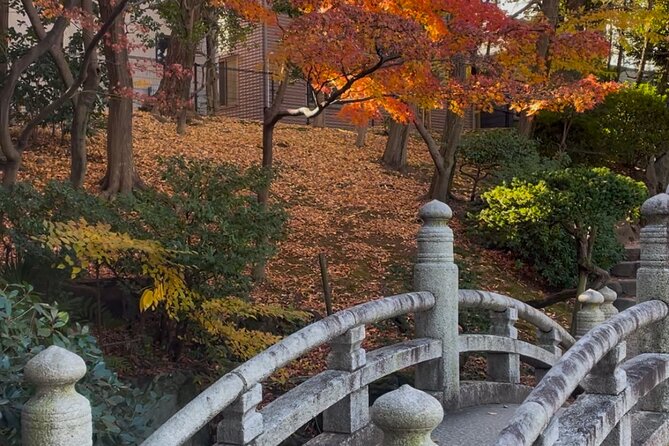
Kyu Yasuda Garden is the next scheduled stop, with about 20 minutes to rest and look around. The garden was created in the Edo period, and it gives you a calmer setting after the museum and the city streets.
The guide uses the garden to show how scenes in ukiyo-e connect to places you can still encounter in Japan. The idea is simple but effective: when you see the garden’s features in front of you, historic prints become less remote. You are not only studying an old picture. You are looking at the kind of setting that shaped those images.
I like this stop because it changes the rhythm of the experience. A two-and-a-half-hour walking tour can feel packed if every minute is spent talking. Twenty minutes in a garden gives you time to look, breathe, and make your own connection with the material.
The limitation is obvious. Twenty minutes is enough for an introduction, not a full garden visit. If Japanese gardens are a major interest, you may want a separate visit elsewhere in Tokyo. On this tour, the garden works best as a bridge between Hokusai’s prints and the living city.
The description also suggests that you may see and touch features that appear in ukiyo-e. I would follow the guide’s instructions carefully, since the exact opportunity depends on what is permitted at the site. The point is to make the old scenes feel physical and close, not to turn the garden into a hands-on attraction.
Ryogoku Kokugikan from the outside
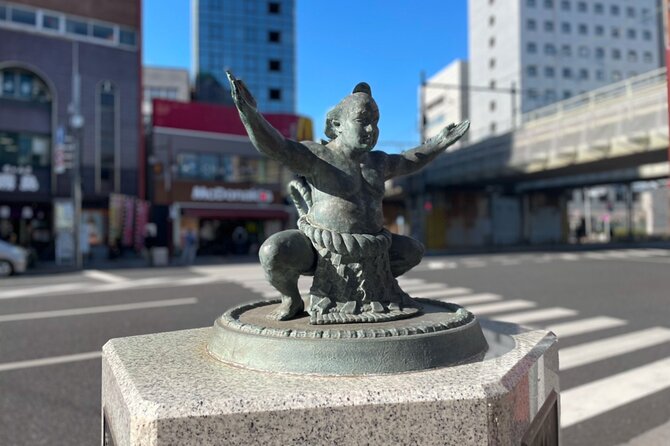
The route then reaches Ryogoku Kokugikan, Tokyo’s famous sumo arena. This is an exterior visit, an important detail to understand before booking. You will see the building and learn about its role in Ryogoku, but admission to the arena is not part of this experience.
Ryogoku is widely associated with sumo, and this stop gives the second half of the tour a clear sense of place. Sumo matches are still held here, and the building is treated as a sacred center for the sport. Even without entering, you can understand why this district attracts people interested in sumo culture.
I see the exterior stop as useful for first-time visitors who want orientation rather than a full sumo program. Your guide can explain the arena’s importance and connect it to the temples and monuments nearby. You also get a chance to recognize the building if you return for a tournament or another sumo-related visit.
If your main goal is to watch a match, this tour will not replace a ticketed sumo event. The route offers context, not admission or a live bout. That distinction keeps expectations clear.
More sumo experiences in Tokyo:
- Tokyo: Sumo Show Experience with Chicken Hot Pot and a Photo
★ 4.8 · 6,678 reviews - Tokyo: Sumo Show and Dining Experience
★ 4.8 · 2,742 reviews - the SUMO show
★ 5.0 · 1,960 reviews - Tokyo Shinjuku Sumo Show & Experience with Photo
★ 5.0 · 1,750 reviews
Ekoin Temple and the religious side of sumo
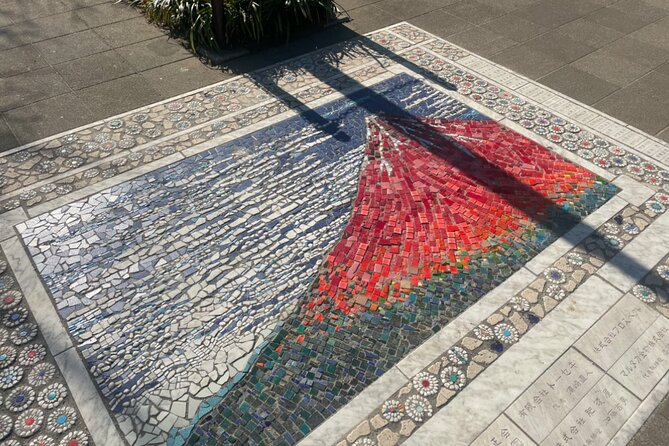
The most substantial sumo-related teaching comes at Ekoin Temple, where the group spends about 30 minutes. Here you learn why Ryogoku is regarded as a sacred place for sumo and how the district’s religious sites relate to the sport.
This is also where the two themes meet most directly. The tour links the Hokusai material from the museum with the local history around the temple, including valuable stone monuments. That connection gives the walk a stronger shape than two unrelated sightseeing subjects placed together.
I would pay close attention here if you enjoy small details. Stone monuments can be easy to pass without noticing, especially in a busy city. A guide helps you understand why they matter and how they fit into the area’s traditions.
The temple stop is free, and the tour does not present it as a long religious service or formal ceremony. You are learning about the site and its connection with sumo and Hokusai. You should still behave respectfully, keep your voice low, and follow any local instructions.
The timing feels sensible. Thirty minutes is long enough for explanation and questions without making the whole walk feel slow. It also gives the sumo theme more depth than simply pointing toward the arena and moving on.
Finishing at Ryogoku Edo Noren
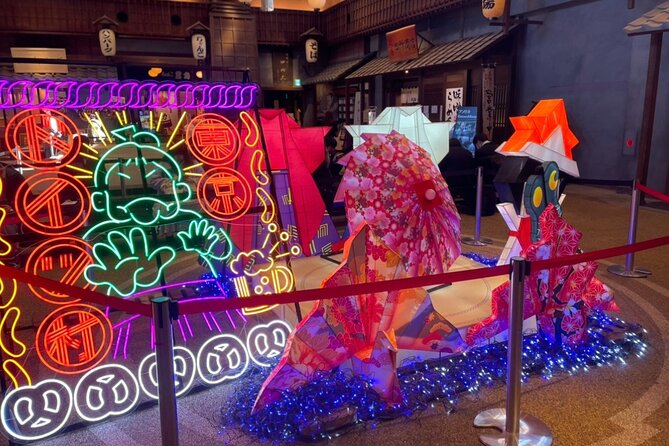
The tour ends at Ryogoku Edo Noren, a restaurant district designed to recreate an Edo machiya, or traditional townhouse. You receive time to look for a restaurant you like, but shopping and food purchases are not included in the tour price.
This is a practical ending. After a museum, garden, temple, and city walk, you may be ready to eat. The final stop also keeps the Edo theme going, giving you one more place where historic design influences a modern visitor area.
The scheduled time here is only about 10 minutes, so I would not treat it as a full dining stop during the tour. Instead, use it to get your bearings and decide if you want to stay afterward. Since the tour finishes here, you have the option of making your own meal plans without rushing back to the starting point.
The ending point is different from the museum meeting point. That is helpful if you plan to continue exploring Ryogoku, but you should note the route before you begin. The walk is designed as a one-way experience.
What the $64.76 price covers
At $64.76 per person, the price is reasonable if you want an English-speaking guide and a structured introduction to two connected parts of Tokyo culture. Museum admission is included, which removes one extra cost and gives the tour a clear centerpiece.
The value depends on what you want from the afternoon. You are paying for a small group, a guide, museum entry, and the work of connecting several sites. You are not paying for a sumo match, food, shopping, or entry inside Ryogoku Kokugikan.
I think the small group is especially important here. With a maximum of six people, you should have a better chance to hear explanations and ask about Hokusai, ukiyo-e, sumo customs, or the local monuments. A larger group might make the garden and temple stops feel less personal.
The price is less compelling if you only want to visit the museum independently. In that case, the extra cost is for interpretation and the walking route. It becomes more worthwhile if you want help seeing how the museum, garden, temple, and sumo district fit together.
Guides, language, and the walking pace
The tour includes an English-speaking guide. Names associated with especially positive feedback include Masahito and Yutaka, although you should not assume that either person will lead your particular departure.
The guide is central to the experience because several stops are brief and depend on explanation. The museum can show you Hokusai’s work, but the guide helps connect his life, styles, and subjects to the places outside. At the temple, the guide also explains the link between Ryogoku and sumo.
One piece of practical advice comes from the nature of the route: Tokyo can be hot, and this is a city walk. One past participant specifically found the walk hot but felt the time passed quickly because of the careful explanations. I would wear comfortable shoes, carry water, and allow for changing weather.
You should have moderate physical fitness. The experience lasts about two and a half hours and includes walking between stops, though the supplied details do not give a total distance or number of stairs. If you need exact mobility information, ask the provider before booking.
Who should book this Tokyo experience
I would recommend this tour to first-time visitors who want a compact introduction to Hokusai, ukiyo-e, and sumo without spending a full day on any one subject. It also suits repeat visitors who have seen central Tokyo and want a more focused look at the Sumida and Ryogoku area.
Art lovers will get the most from the opening museum visit. Sumo fans will appreciate the arena and Ekoin Temple, but they should know that the tour does not include a match or an interior visit to the Kokugikan.
Families and small groups may like the limited group size, especially if children or less experienced museum visitors benefit from a guide’s explanations. The themes also give younger visitors different ways into Japanese culture: art, old city life, religious sites, and sport.
I would be less likely to choose it if you want a slow garden tour, a long museum visit, or a full sumo experience. The route gives you a broad look at several subjects, not an exhaustive treatment of one.
Booking details worth knowing
The meeting point is the Sumida Hokusai Museum at 2-chome 7-2 Kamezawa, Sumida City. The tour ends at Ryogoku Edo Noren at 1-chome 3-20 Yokoami, so you finish in a different place from where you started.
A mobile ticket is provided, and confirmation is received when you book. The area is near public transportation, making the start and finish practical for a day of sightseeing.
Free cancellation is available if you cancel at least 24 hours before the experience starts. Cancellations or changes made inside that window are not accepted for a refund. The tour also requires a minimum number of participants. If that minimum is not met, you will be offered another date or experience, or receive a full refund.
The experience is commonly booked about 60 days ahead. That does not guarantee that every date sells out, but it is a useful reason to reserve early if your Tokyo schedule is fixed.
Should you book this tour?
Book it if you want a short, guided cultural walk that connects Hokusai’s art with the actual streets, garden, temple, and sumo district of Edo-era Tokyo. The small group, included museum admission, and clear route give the $64.76 price solid value.
Skip it if your priority is a sumo match, an extended museum visit, or a relaxed garden outing. For most curious first-time visitors, though, this is a smart way to spend two and a half hours in Ryogoku, especially if you want context instead of a quick collection of photo stops.
FAQ
How long does the Tokyo Hokusai and sumo tour last?
The experience lasts approximately 2 hours and 30 minutes.
What is the price of the tour?
The listed price is $64.76 per person.
Is museum admission included?
Yes. Admission to the Sumida Hokusai Museum is included.
Is an English-speaking guide provided?
Yes. The tour includes an English-speaking guide.
How many people can join the tour?
The maximum group size is six people.
Where does the tour begin?
The tour begins at the Sumida Hokusai Museum, 2-chome 7-2 Kamezawa, Sumida City, Tokyo 130-0014, Japan.
Where does the tour end?
The experience ends at Ryogoku Edo Noren, 1-chome 3-20 Yokoami, Sumida City, Tokyo 130-0015, Japan.
Do you enter Ryogoku Kokugikan?
No. The tour visits Ryogoku Kokugikan from the exterior only.
Is food or shopping included?
No. Shopping costs and purchases at the restaurants or stores are not included.
Can you cancel for a full refund?
Yes, if you cancel at least 24 hours before the experience start time. Cancellations or changes made less than 24 hours before the start are not refunded or accepted.
Newest sumo experiences in Tokyo
- Tokyo Sumo History Tour with Chanko Nabe Lunch★ 5.0 · 3 reviews
- Tokyo Highlights Tour: Sumo, Sushi, Tea, and Tokyo Tower★ 5.0 · 2 reviews
- TOKYO , No1 Yokozuna Stable Morning Practice in Ryogoku★ 4.5 · 3 reviews
- Tokyo 6hr Private Guided Tour & Sumo Show Lunch★ 5.0 · 3 reviews
- Tokyo Grand Sumo Tournament Viewing Tour★ 5.0 · 2 reviews
- Unique Afternoon Live Sumo training tour in Tokyo★ 5.0 · 6 reviews
- Grand Sumo Tournament Tour w/an English Guide ,Tokyo January 2026★ 5.0 · 3 reviews
- Sumo Training Watching Experience in Tokyo★ 4.5 · 8 reviews
Sumo and Japanese Culture Experiences, compared.
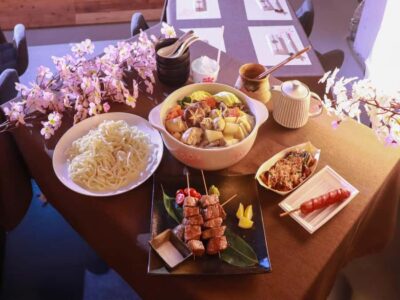
Sumo Show & Experience w/ Optional Kimono & Hot Pot
Read our review →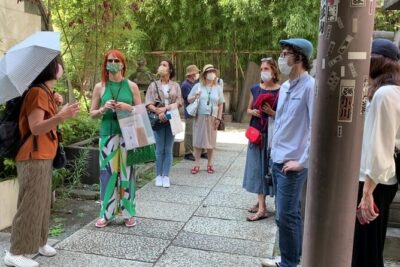
Tokyo Sumo Culture Tour with Chanko-Nabe Lunch in Ryogoku
Read our review →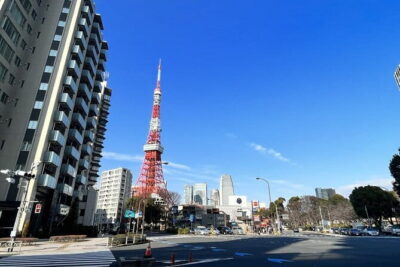
Tokyo Walking Tour : Sumo, Sushi, Tea, Temples and Tokyo Tower
Read our review →
Chair Seat Guaranteed SUMO Practice +Photo +Culture Option
Read our review →
Up-Close Sumo Experience at Ochi Stable: Wear Kimono in Osaka
Read our review →
Tokyo Sumo Practice Watching & Visit Town from Samurai era
Read our review →
Tokyo Highlights Tour: Sumo, Sushi, Tea, and Tokyo Tower
Read our review →Browse the lists this tour appears in