Six tournaments a year. Practice almost every other morning.
Which Ryogoku stable lets visitors sit at the edge of the clay. What a chair seat inside the Kokugikan costs. Whether a Shinjuku show is worth the money in a month with no basho. Reviews of every sumo experience you can book in Japan.
 2
2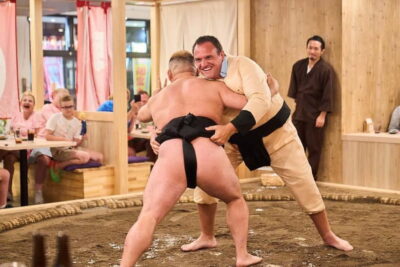 4
4Tokyo does sumo three ways, and only one of them needs a tournament.
What each kind of Tokyo sumo day costs, and which weeks of the year it actually runs in.
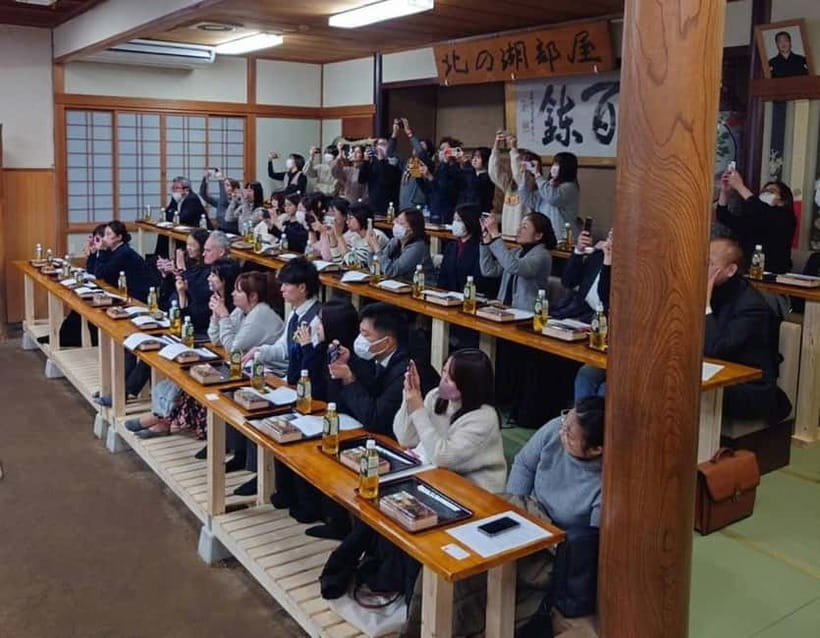
Ringside at the Kokugikan, or sitting on the floor of a Ryogoku stable.
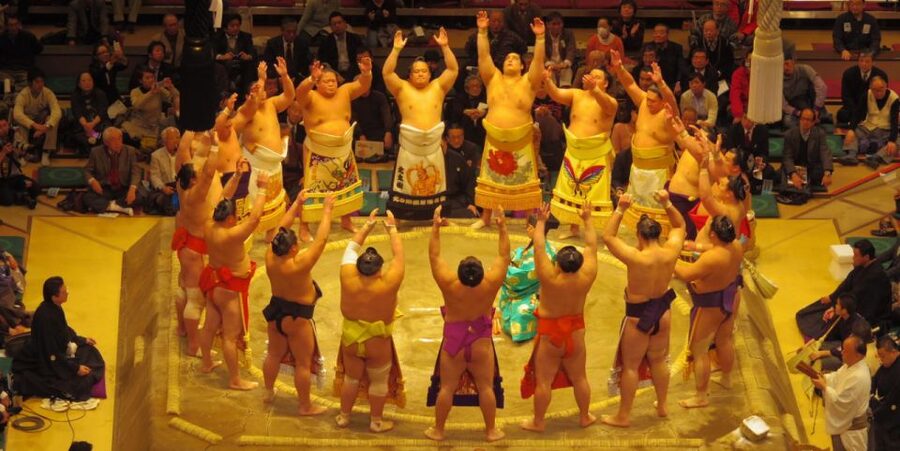
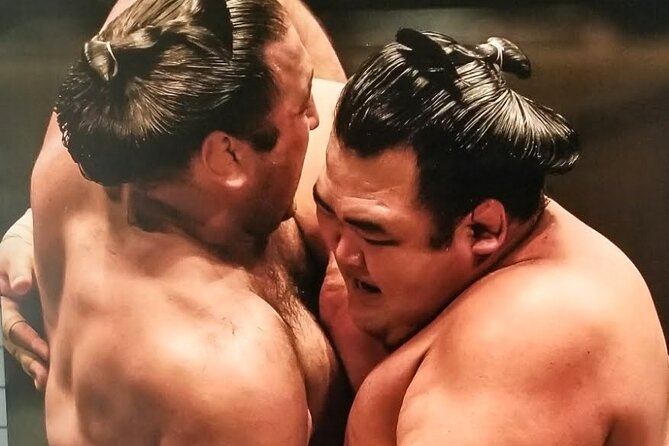
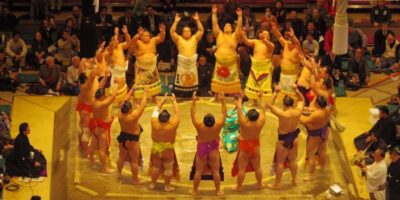
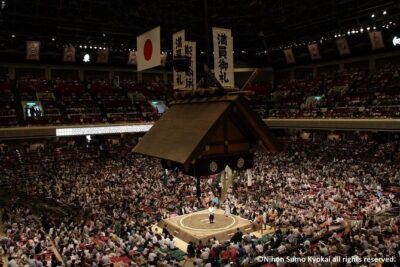
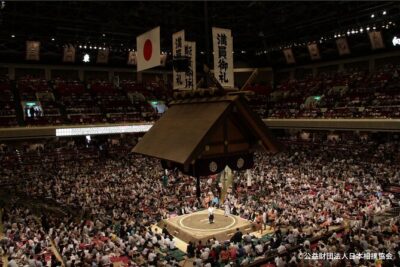
A tournament day puts you in a seat above the clay with eleven thousand other people and a bout every four minutes. A stable morning puts six of you in the room it is all trained for. A show puts a retired wrestler close enough to push, and then feeds you.
Japan’s most-booked sumo experiences.
Every sumo review on the site →The ones that fill first, and what earns each of them the slot.
 1
1
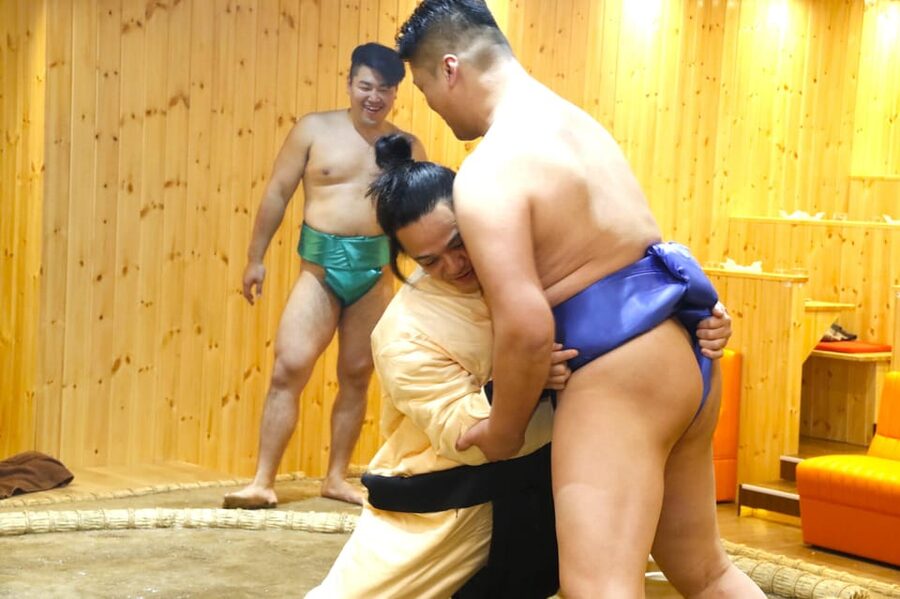
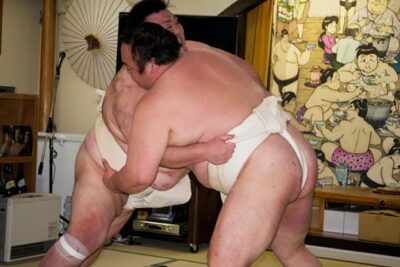
Sumo Show Experience with Chicken Hot Pot and a Photo
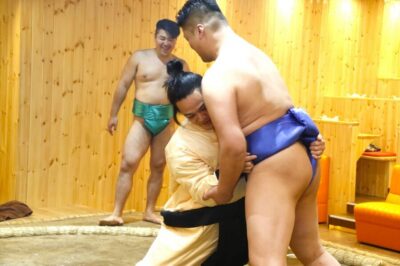
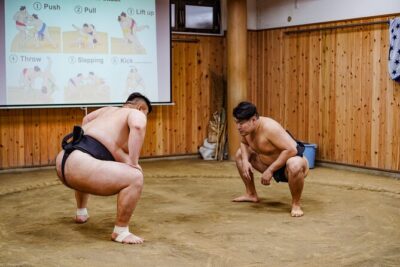
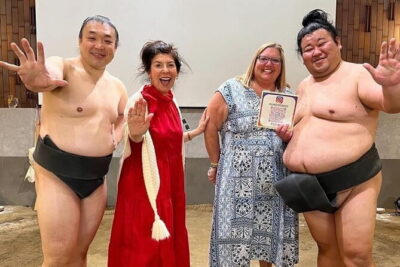
At Asakusa Sumo Club, a bilingual host such as Lala or Benjamin guides you through sumo rituals, exercises, techniques, and a best-of-three bout by retired wrestlers. A geisha dance, unlimited chicken chanko-nabe, one drink, audience challenges, a framed photo, and souvenir bag fill this lively two-hour family show.
From · $103
Read our review → 2
Sumo Show and Dining Experience
from $79
2
Sumo Show and Dining Experience
from $79
 3
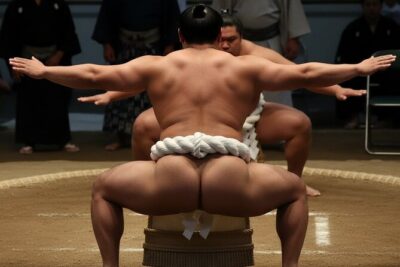
the SUMO show
from $89
3
the SUMO show
from $89
 4
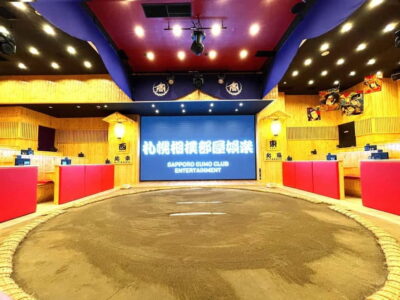
Tokyo Shinjuku Sumo Show & Experience with Photo
from $79
4
Tokyo Shinjuku Sumo Show & Experience with Photo
from $79
 5
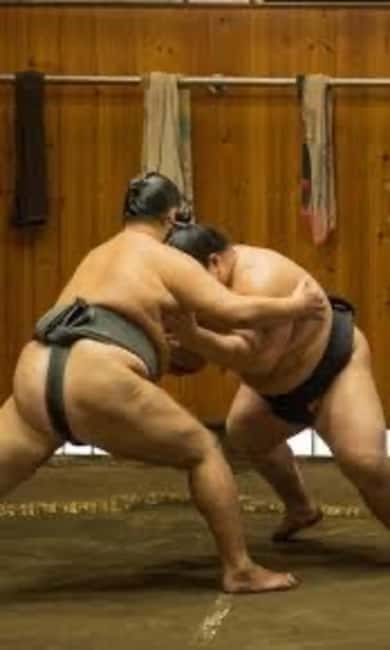
Tokyo Sumo Entertainment Show with Chicken Hot Pot and Photo
from $106
5
Tokyo Sumo Entertainment Show with Chicken Hot Pot and Photo
from $106
 6
Sumo Show and Experience in Shinjuku
from $69
6
Sumo Show and Experience in Shinjuku
from $69
 7
Sumo Tournament Tour with Chair Seat Tickets
from $141
7
Sumo Tournament Tour with Chair Seat Tickets
from $141
 8
Tokyo Grand Sumo Tournament Viewing Tour with Tickets
from $124
8
Tokyo Grand Sumo Tournament Viewing Tour with Tickets
from $124
A basho runs fifteen days, then the sport packs up and moves city.
Everything else about a trip to Japan can be decided at the hotel desk. Tournament sumo cannot: six meetings a year, four cities, and seats that go the month they are released. These are the dates the flights get booked around.
- 01Tokyo Grand Sumo Tournament Viewing Tour with TicketsTokyo holds three of the six — January, May and September — all of them at the Ryogoku Kokugikan.
- 02Sumo Tournament Experience in OsakaMarch is Osaka’s, and it is the only fortnight of tournament sumo in the Kansai year.
- 03Grand Sumo Tournament TourJuly belongs to Nagoya, in the worst of the summer heat and the loudest hall of the year.
- 04Kyushu Fukuoka Grand Sumo Tournament Viewing TourNovember closes the year in Fukuoka, the smallest of the four halls and the hardest ticket per seat.
Ryogoku is ten streets, forty stables and the hall they all aim at.
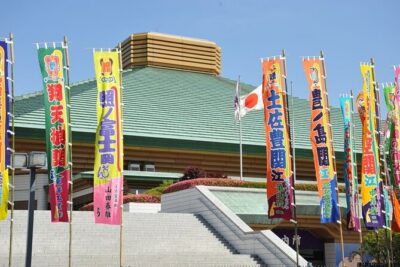
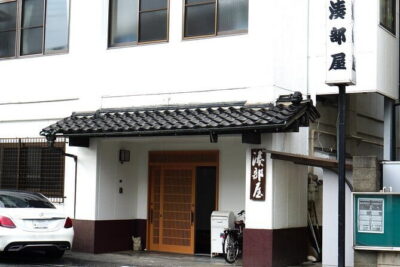
The whole sport lives in one corner of Sumida. Stables sit behind sliding doors on ordinary residential lanes, the chanko restaurants are run by men who retired out of them, and the Kokugikan is five minutes from the station gate.
Every Ryogoku sumo tour →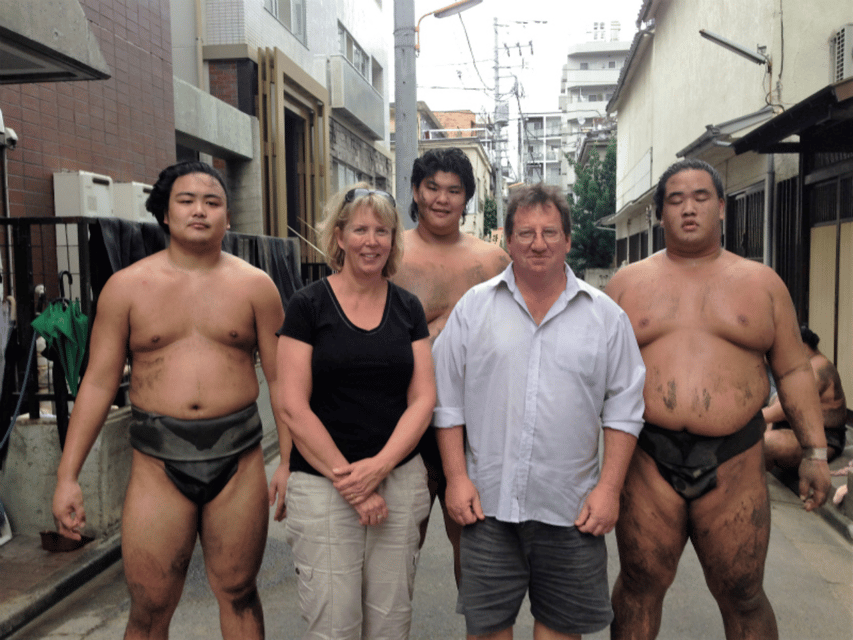
What sumo costs in Japan, top to bottom.
Every experience on the site grouped by what it costs a head. A stable morning and a tournament chair seat sit closer together than anyone expects.
Shows with a meal, group practice viewings and the standard tournament tickets.
- 1Sumo Show and Dining Experiencefrom $79
- 2the SUMO showfrom $89
- 3Tokyo Shinjuku Sumo Show & Experience with Photofrom $79
The full mornings: ringside practice with a photo shoot, guided tournament days, chanko lunches with a former professional.
Box seats, private stable access, an interpreter to yourself and the multi-city tournament packages.
Three sumo mornings that happen nowhere but Japan.
Wrestling is everywhere. A stable that lets strangers kneel on its floor at six in the morning, a pot cooked to a fighting recipe, and a photograph beside a man who weighs a hundred and sixty kilos are not.
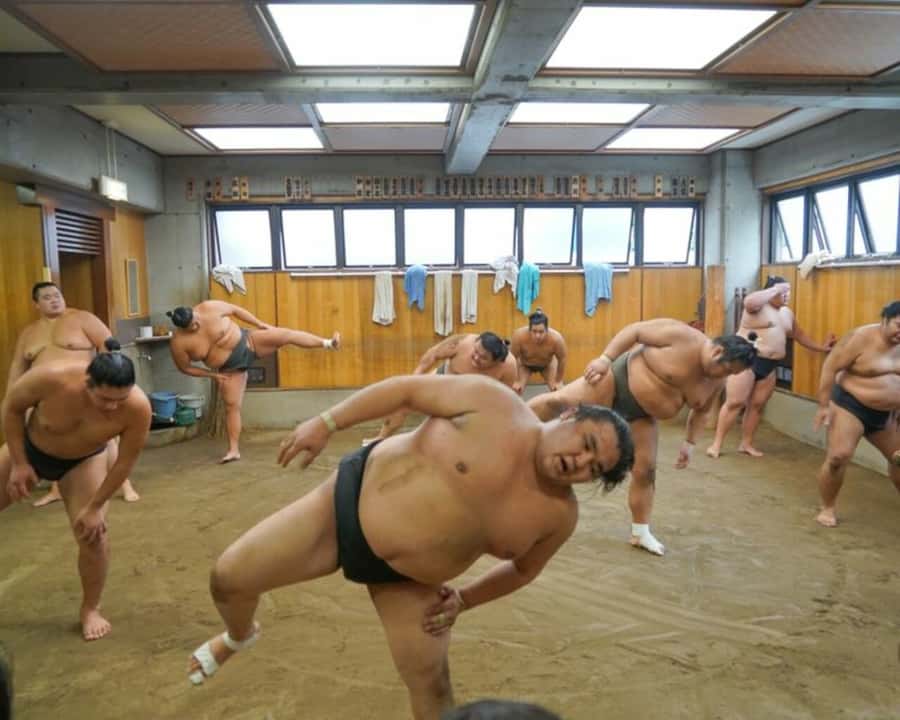
Practice at a stable
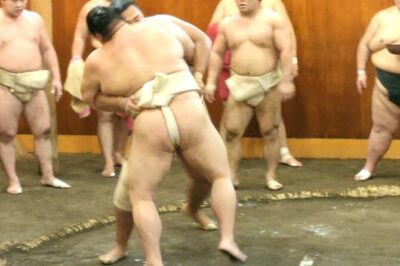
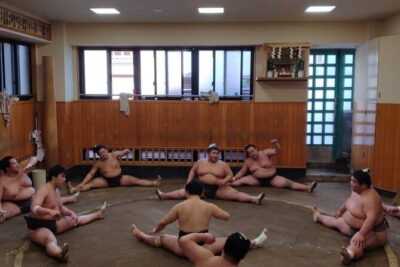
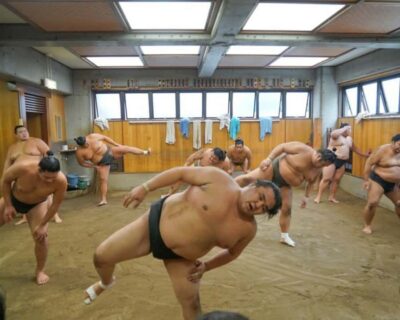
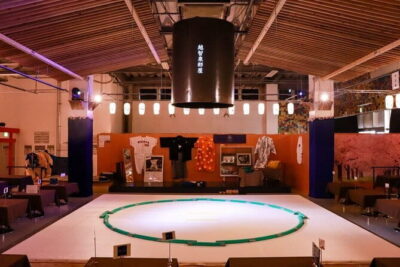
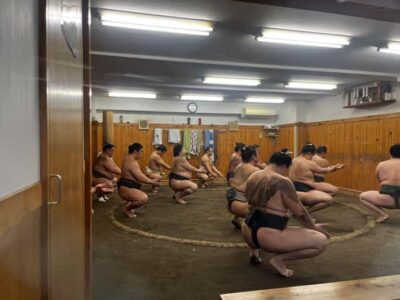
Training is called keiko and it starts around six, before anyone has eaten. The youngest wrestlers are on the clay first and the ranked ones come down last, so the standard climbs through the morning. Visitors sit on the floor at the edge of the ring with their knees folded, and the rules are the same in every house: no talking, no standing, no pointing your feet at the dohyo. It finishes when the stablemaster decides it has.
- 1Tokyo Sumo Morning Practice Tour at Stable★★★★★★★★★★ 5.0 · 298 reviews
- 2Watch Sumo Morning Practice at Stable in Tokyo★★★★★★★★★★ 4.0 · 268 reviews
- 3Sumo Morning Practice Viewing Tour at a Real Stable★★★★★★★★★★ 5.0 · 73 reviews
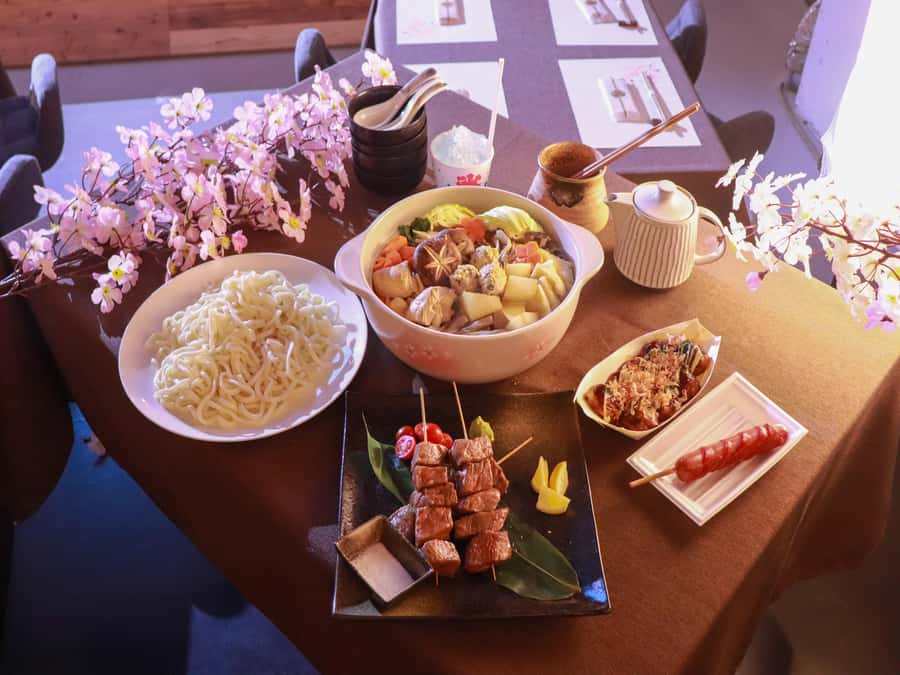
Chanko nabe
Chanko is whatever the stable has in one pot — chicken, fish balls, tofu, mountains of cabbage — eaten twice a day with rice and beer, and cooked by the junior wrestlers as part of their apprenticeship. Chicken is the usual base for a simple reason: a chicken stands on two legs, and so should a wrestler. Half the restaurants around Ryogoku are run by men who cooked it for a living.
- 1Sumo Show Experience with Chicken Hot Pot and a Photo★★★★★★★★★★ 4.8 · 6,678 reviews
- 2Tokyo Sumo Entertainment Show with Chicken Hot Pot and Photo★★★★★★★★★★ 5.0 · 1,205 reviews
- 3Sumo Show & Experience w/ Optional Kimono & Hot Pot★★★★★★★★★★ 4.5 · 609 reviews
Meeting a wrestler
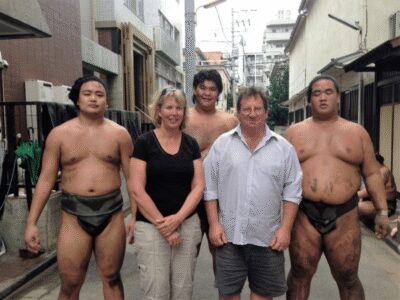
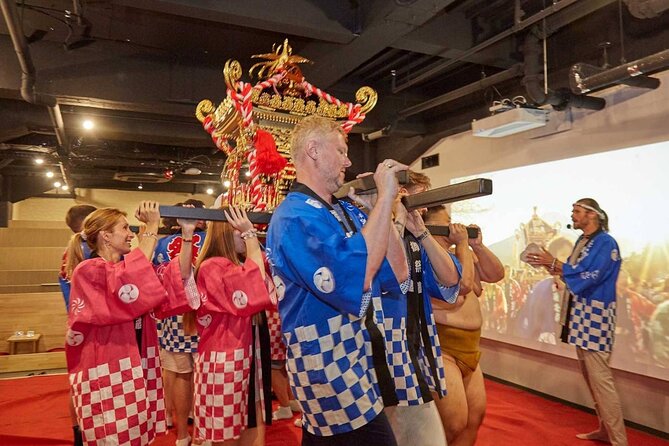
Some of these end in a ring and some in a stable doorway, but the shape is the same: you are introduced, you ask what they eat, you try shifting one of them and you fail, and somebody takes the photograph. Retired professionals work the show circuit in Tokyo, Osaka and Sapporo and expect the challenge; active wrestlers meet visitors after practice, with the stablemaster’s permission and not a moment before.
- 1Tokyo Ryogoku Sumo Morning Practice + Photo Shoot with Wrestlers★★★★★★★★★★ 4.5 · 277 reviews
- 2Osaka Sumo Experience with Live Show and Audience Challenge★★★★★★★★★★ 5.0 · 162 reviews
- 3Tokyo Sumo Morning Training/ Sumo Practice with Wrestlers★★★★★★★★★★ 5.0 · 135 reviews
Tokyo three times a year. Osaka, Nagoya and Fukuoka once each.
Half the tournament calendar sits in Ryogoku; the rest moves to Osaka in March, Nagoya in July and Fukuoka in November. Outside those fifteen-day windows Tokyo is the only city where practice can be watched most mornings.
The newest sumo reviews.
More new sumo reviews →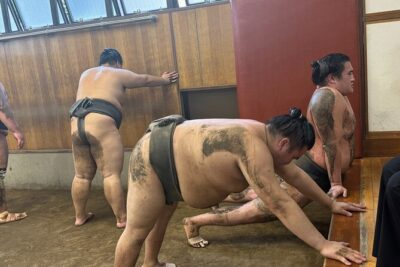
Tokyo Highlights Tour: Sumo, Sushi, Tea, and Tokyo Tower
Read our review →