
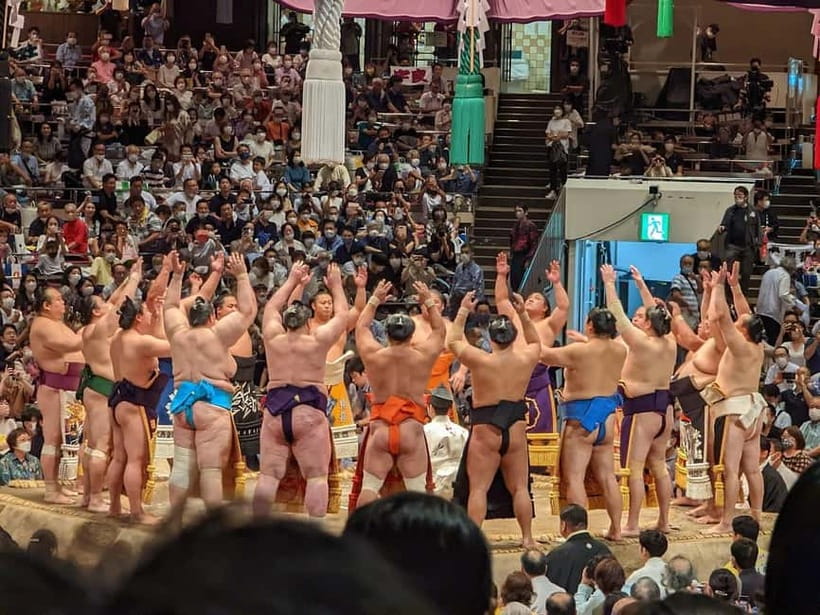
REVIEW · GRAND SUMO TOURNAMENT TOURS
Nagoya: Grand Sumo Tournament Tour
Nagoya’s grand sumo tournament is much easier to enjoy when someone explains what you’re seeing. From the ring-entering ceremonies to the sudden slap-and-shove bouts, your guide turns a colorful Japanese spectacle into a story you can follow. The tour begins near Nagoya Castle and finishes with about three hours of top-division sumo.
I like the real-time commentary, which continues through an earphone system so you can hear clearly from your seat. I also like the English wrestler profiles and cheering towel, since choosing someone to support gives the afternoon a little sporting edge. The main consideration is price: at $225 per person, you pay a substantial premium for seats, guidance, and the extras.
Key points at a glance
- Three hours of top-division sumo begin at 3 p.m., a focused schedule designed to avoid tiring you out before the main bouts.
- An earphone guide system keeps commentary clear, even when your guide is not sitting right beside you.
- English wrestler profiles, a sumo booklet, and a cheering towel help first-time spectators follow the action.
- Nagoya Castle adds history and architecture before the tournament, with the walking portion offered as an optional part of the experience.
- The tour is practical from Osaka and Kyoto, with listed train times of about 50 minutes from Osaka and 34 minutes from Kyoto.
- The guide makes the difference, with guides such as Yuki, Keiko, Mari, and Sunny Yoko praised for energy, clear explanations, and a love of sumo.
Why the 3 p.m. start works so well
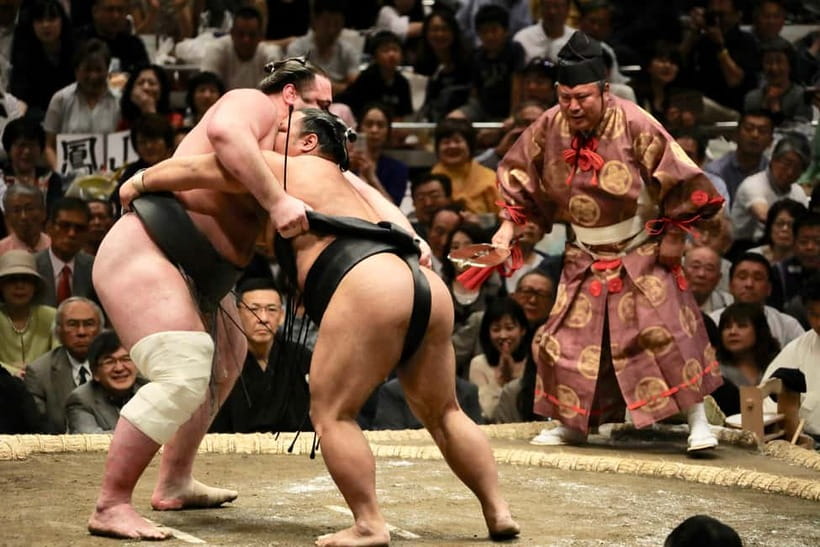
A sumo tournament lasts all day, but this tour wisely focuses on the top division. You watch the strongest wrestlers for roughly three hours from 15:00, rather than arriving early and slowly losing interest during the lower-division matches.
That timing matters. Sumo has long pauses, formal rituals, warm-ups, and bouts that can finish in seconds. If you watch from the start of the day, the pace may wear you down before the most important matches begin. Here, you arrive for the part that carries the most energy and sporting importance.
The afternoon also gives you time for the optional Nagoya Castle walking tour. The result is a well-shaped day: history first, then a distinctly Japanese sporting event. You are not simply sitting in an arena for hours with little context.
More tournament tours in Japan:
- Tokyo: Sumo Tournament Tour with Chair Seat Tickets
★ 4.6 · 753 reviews - Tokyo Grand Sumo Tournament Viewing Tour with Tickets
★ 5.0 · 692 reviews - Tokyo Sumo Wrestling Tournament Experience
★ 5.0 · 660 reviews
Starting at Meijo Line Nagoyajo Station
The meeting point is Meijo Line Nagoyajo Station, exit 7, on the ground level. Your guide holds a recognizable signboard, and the activity ends back at the same meeting point.
This is useful if you are coming from Osaka or Kyoto by train, but allow yourself enough time to find the correct subway exit. Nagoya’s station network can feel confusing when you are moving between train companies and subway lines. The tour does not include hotel pickup or drop-off, so you must handle your own journey to the station and back.
The listed travel times are about 50 minutes from Osaka and 34 minutes from Kyoto, although your total trip may take longer once you include local connections. If you are staying in Nagoya, the starting point is especially convenient for a city day.
Wear comfortable shoes. You will walk during the castle portion, and even the route around a large public event can involve more standing and movement than you expect.
Nagoya Castle: a useful history lesson before the arena
Nagoya Castle gives the tour a strong opening. Built in the early 17th century by the Tokugawa clan, it marks the modest beginning of a city that later became one of Japan’s major urban centers and the home of Toyota.
The castle is not treated as a quick photo stop. Your local guide explains the political setting at the time of construction, including how the Tokugawa clan managed feudal lords who had once opposed it. That background helps you see the castle as more than a pretty roofline. It was part of a system of power and control.
You also learn about castle construction techniques and how the site worked as a fortress. The word dungeon is used in the tour description, but the broader point is clear: Japanese castles were military structures as well as residences and symbols of authority.
The highlight is Honmaru Palace. Its design uses valuable hinoki cypress, decorative metal fittings, and fine artwork on walls, ceilings, and sliding doors. The palace gives you a close look at the craftsmanship that often gets lost when a castle is viewed only from outside.
The castle walk is optional, which is helpful. If history and architecture are important to you, it adds real value. If your main goal is sumo and you have already spent several days visiting Japanese castles, you can treat it as an extra rather than the central reason to book.
Getting ready for your first sumo bout
Before the matches gain speed, your guide gives you three useful items.
The first is an English pamphlet with photos and profiles of the wrestlers. Sumo names can be hard to track, especially when you are seeing a ring full of competitors for the first time. The guide uses the pamphlet during the matches, pointing out who is fighting and giving you a way to connect a face with a name.
The second is a sumo booklet covering the sport more broadly. It helps explain the customs, structure, and traditions behind what you see. You do not need to study it like a rulebook, but it gives you something to consult when a ritual or term is unfamiliar.
The third is a cheering towel for a particular wrestler. Your guide shows you when and how to raise it. That small prop changes the way you watch. Instead of treating every bout as a blur of movement, you begin waiting for your wrestler to appear and hoping for a result.
This is particularly useful for a first visit. Sumo can look simple at first: two wrestlers, one ring, one winner. In practice, the rituals, rankings, formal gestures, and matchups carry much of the meaning. The printed material gives you a basic map, while the guide fills in the details as the tournament continues.
More sumo experiences in Japan:
- Tokyo: Sumo Show Experience with Chicken Hot Pot and a Photo
★ 4.8 · 6,678 reviews - Tokyo: Sumo Show and Dining Experience
★ 4.8 · 2,742 reviews - the SUMO show
★ 5.0 · 1,960 reviews - Tokyo Shinjuku Sumo Show & Experience with Photo
★ 5.0 · 1,750 reviews
Hearing the guide from your seat
The earphone guide system is one of the tour’s most practical features. Your guide provides live commentary through a headset during the tournament, so you can listen without needing to sit directly beside the guide or watch the guide’s face.
That matters in a large arena. You want to keep your eyes on the ring, not turn around every few seconds to catch an explanation. The system also lets you follow the commentary while the action is underway.
The live format is more useful than a general lecture given before the match. Your guide can explain the wrestlers in front of you, point out a ritual as it happens, and help you understand why a particular bout matters. Guides including Yuki, Keiko, Mari, and Sunny Yoko have been singled out for clear explanations, warmth, and enthusiasm. The exact guide is not guaranteed, but the experience depends heavily on this personal interpretation.
The commentary will not make every pause disappear. Sumo still has its own rhythm, with ceremonies and moments of waiting. For many people, that is part of the appeal. The guide helps you understand the pauses instead of assuming that nothing is happening.
Three hours of top-division action
The main event begins at 15:00 and lasts around three hours. You receive Chair S or Chair A seating, but the exact seat location is not specified in the available tour details. Your view and distance from the ring can therefore vary within those seating categories.
The top division brings the strongest names and the most competitive matchups. The tour’s timing puts you in the arena for this key section rather than making you spend a full day watching every rank.
Sumo bouts can be surprisingly short. A match may end almost as soon as it begins, which makes the lead-up important. You watch the wrestlers enter, prepare, and perform the formal actions before the clash. Once you understand that structure, a quick victory feels like a dramatic finish rather than a disappointing lack of action.
Your towel gives the afternoon a social element. You cheer for the assigned wrestler, listen to the guide’s comments, and share the excitement with the small group. You are not required to become a dedicated sumo fan, but the cheering helps you take part instead of watching from a distance.
What the $225 price really covers
At $225 per person, this is not a budget way to attend sumo. The price includes a Chair S or Chair A seat, the optional Nagoya Castle walking tour, the headset system, English printed material, the cheering towel, and live guidance.
The best value comes if you are new to sumo and want the event explained as it unfolds. Buying a seat alone might give you the spectacle, but not the context. You could miss the meaning of rituals, struggle to identify wrestlers, or spend much of the afternoon wondering what matters.
The price is harder to justify if you already know sumo well, speak Japanese, or prefer to arrange your own arena visit. One participant specifically felt the guided package cost far more than attending independently. That is a fair concern, and you should not ignore it.
I see the tour as a specialist experience rather than a cheap ticket. You are paying for access to a major event plus interpretation, structure, and the confidence that someone will help you follow it. If those extras are important, the price can make sense. If the seat is all you need, it may feel steep.
Who will get the most from this tour
This tour suits first-time sumo spectators, especially people who want to understand Japanese customs instead of simply taking photographs. The English profiles and live explanations remove much of the guesswork.
It also works well for families and mixed-interest groups. One person can focus on architecture at the castle, another on sport, and everyone gets a shared afternoon in Nagoya. The cheering towel adds a simple activity for anyone who might otherwise find the rules difficult to follow.
You will probably appreciate it most if you are already visiting Osaka or Kyoto. Nagoya is close enough for a day trip by train according to the listed journey times, though you should plan your own connections carefully.
I would be more cautious if you dislike scheduled activities or want to spend the whole day at the tournament. The tour starts its sumo viewing at 15:00, and the castle visit is optional. It is designed around the most important bouts, not an all-day look at every wrestler.
Small-group guidance makes the difference
The small-group format gives the afternoon a more personal feel than a large coach excursion. Your guide can explain a term, answer a question, and keep the group together without turning the experience into a formal classroom.
The strongest praise has gone to guides who combine information with genuine enthusiasm. Yuki has been noted for helping a late-arriving participant and for her strong knowledge of the wrestlers and teams. Keiko brought energy to a first-time visit, while Mari encouraged the group to support particular wrestlers. Sunny Yoko was praised for helpful explanations and a friendly manner.
Those details matter because sumo is a sport where passion helps. A flat audio track could explain the rules, but a guide who reacts to the match can make the event feel alive. The guide also helps you notice small rituals and traditions that are easy to miss when you are watching alone.
Booking details to keep in mind
The tour is conducted in English. You can reserve now and pay later, which helps if your Japan itinerary is still taking shape. Cancellation is allowed up to 24 hours in advance for a full refund.
The activity does not include hotel pickup or drop-off. Meet at Meijo Line Nagoyajo Station exit 7, and bring comfortable shoes for the walking portion.
The overall rating is 4.8 from 44 reviews, with repeated praise for guide enthusiasm, clear explanations, the castle visit, and the extra sumo materials. Treat that as a sign of consistent satisfaction, not a promise that every seat or guide will be identical.
Should you book the Nagoya sumo tour?
Book it if this is your first grand sumo tournament, you want live English explanations, and you like the idea of pairing the event with Nagoya Castle. The wrestler pamphlet, sumo booklet, towel, and headset solve the main problems that beginners face.
Think twice if you are an experienced sumo follower, want the lowest possible ticket price, or prefer to watch without commentary. At $225, the value rests on the guidance and structure as much as on the seat.
For most first-time visitors, I think the tour offers a sensible way into sumo. You get a focused three hours of top-division bouts, a cultural introduction at Nagoya Castle, and enough help to understand what is happening before the action vanishes in a flash.
FAQ
Where does the tour begin?
The meeting point is Meijo Line Nagoyajo Station, exit 7, on the ground level. The guide holds a recognizable signboard.
Where does the tour end?
The activity ends back at the meeting point at Meijo Line Nagoyajo Station.
How long do I watch the sumo tournament?
You watch top-division bouts for about three hours, beginning at 15:00.
Are sumo seats included?
Yes. The tour includes either Chair S or Chair A seating at the tournament.
Is the Nagoya Castle visit included?
The Nagoya Castle walking tour is listed as optional. The tour includes explanations of the castle’s history, construction, fortress role, and Honmaru Palace.
Is the tour conducted in English?
Yes. The tour language is English.
What materials are provided?
You receive an English pamphlet with wrestler photographs and profiles, a sumo booklet, and a cheering towel for a particular wrestler.
How do I hear the guide during the matches?
The guide uses an earphone guide system to provide real-time commentary through your headset.
Is hotel pickup included?
No. Hotel pickup and drop-off are not included, so you must reach the meeting point yourself.
What should I bring?
Bring comfortable shoes, particularly if you plan to join the Nagoya Castle walking portion.
Can I cancel for a full refund?
Yes. You can cancel up to 24 hours in advance for a full refund.
Can I reserve now and pay later?
Yes. The tour offers reserve-and-pay-later booking, so you do not need to pay at the time of booking.
Newest sumo experiences in Japan
- November Sumo Tournament tour in Fukuoka (Tickets Included)★ 4.5 · 76 reviews
- Kyushu Grand Sumo Tournament Viewing Tour with English Guide★ 5.0 · 22 reviews
- Kyushu Fukuoka Grand Sumo Tournament Viewing Tour★ 4.5 · 4 reviews
- Tokyo Highlights Tour: Sumo, Sushi, Tea, and Tokyo Tower★ 5.0 · 2 reviews
- Osaka: Sumo Show and Kimono Haori Experience★ 3.0 · 2 reviews
- Sumo Stable Intimate Morning Practice★ 5.0 · 2 reviews
- Tokyo: Know about Hokusai and Sumo culture in 2.5 hours★ 5.0 · 2 reviews
- Tokyo 6hr Private Guided Tour & Sumo Show Lunch★ 5.0 · 3 reviews
Grand Sumo Tournament Tours, compared.
Tokyo Grand Sumo Tournament Viewing Tour with Tickets
Read our review →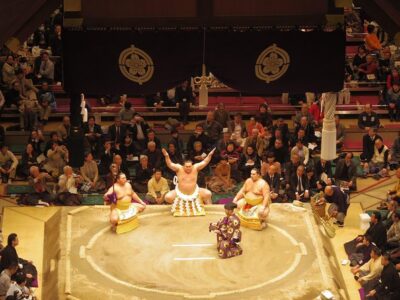
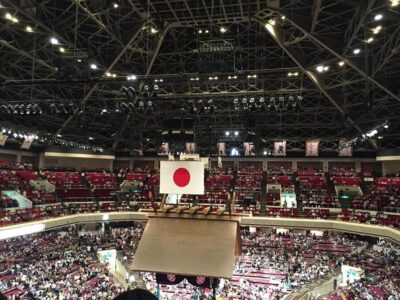
Ultimate Sumo Tournament: Tokyo, Osaka, Nagoya, Fukuoka
Read our review →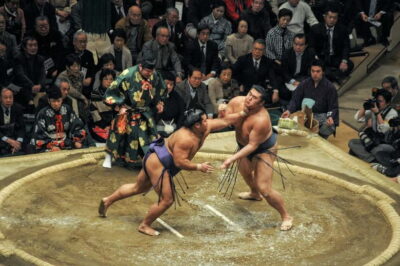
Sumo Tournament with Guide & Assigned Reserved Seat
Read our review →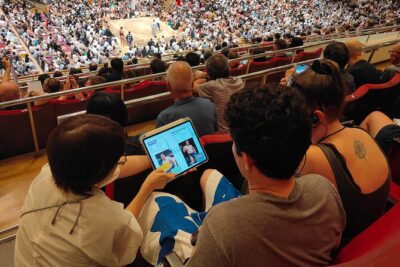
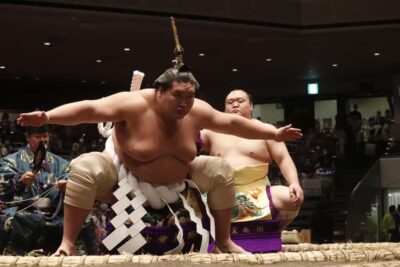
Sumo Wrestling Tournament with Chair Seat Tickets
Read our review →November Sumo Tournament tour in Fukuoka (Tickets Included)
Read our review →Browse the lists this tour appears in