
REVIEW · GRAND SUMO TOURNAMENT TOURS
Tokyo Grand Sumo Tournament Viewing Tour
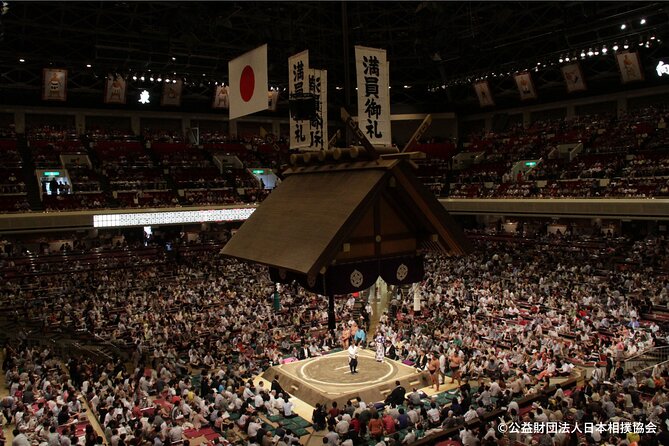
Sumo at Ryogoku Kokugikan is not just a sporting event. It is a carefully staged piece of Japanese culture, and the mood changes as the day builds toward the top-division bouts. You get a 2nd-floor tournament ticket, a rank list, and time to see the Sumo Museum and arena shops.
I like two things here: the walking option gives you a useful introduction to the neighborhood through Eko-in Temple and Kyu-Yasuda Gardens, and the tour can be a practical way to find seats when official tournament tickets are difficult to secure. The main drawback is strict timing. Miss the collection or departure window, and your reservation can be canceled without a refund.
Key points to know before you book
- The action begins before the main bouts: Your listed match viewing starts at 3:00 PM, but the arena day includes ceremonies and matches that may already be underway.
- Meet at Ryogoku Station on time: Ticket collection runs from 12:45 to 1:00 PM. The walking plan meets from 1:15 to 1:30 PM.
- The walking route adds cultural context: Eko-in Temple, Kyu-Yasuda Gardens, the Kokugikan, and the Sumo Museum make this more than a seat at a sporting event.
- Your ticket is on the second floor: Seats may not be assigned in advance, so ask for group seating when booking if sitting together matters.
- Buy food inside the arena: Outside food, drinks, and alcohol are prohibited, and popular food items may sell out.
- Plan for a firm no-refund booking: This experience cannot be changed or refunded after purchase.
Why a sumo tournament feels different from ordinary sport
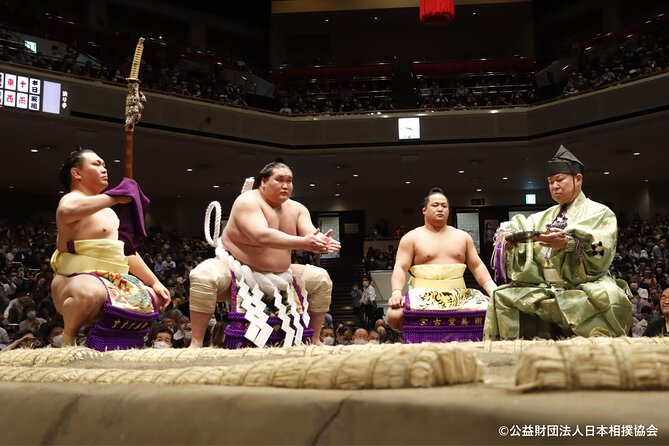
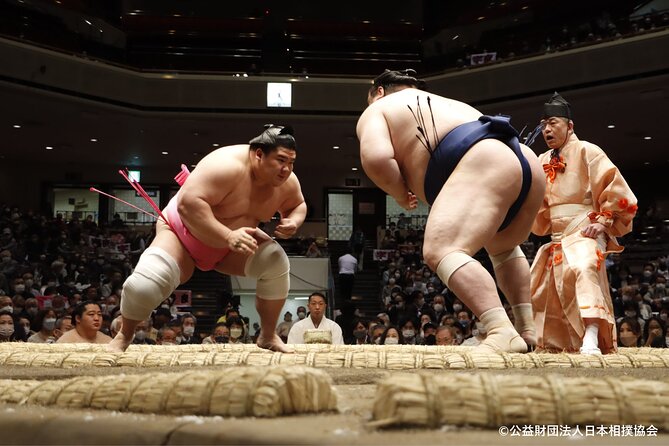
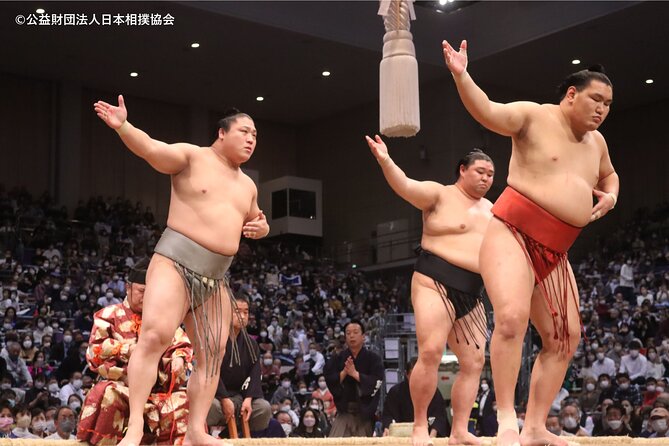
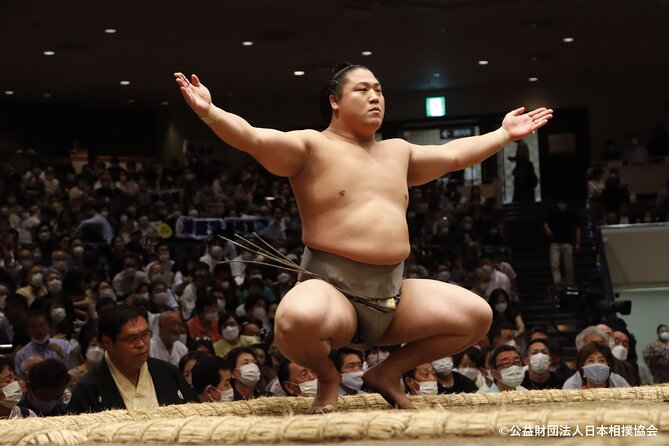
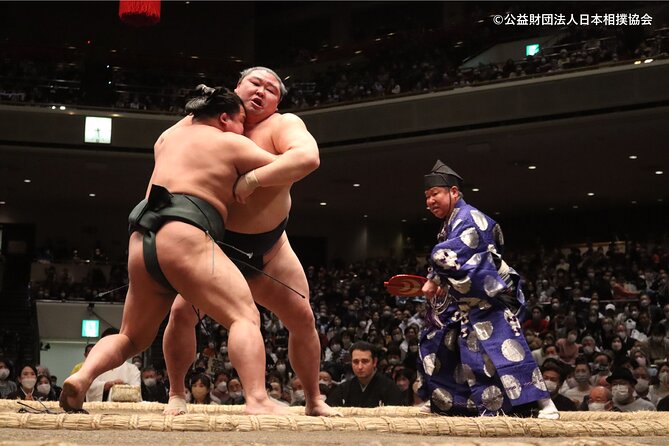
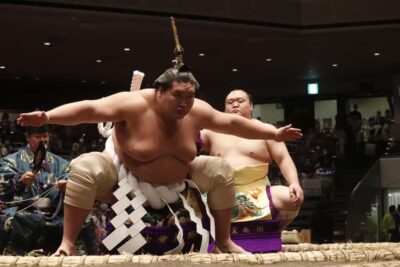
A sumo tournament has a slower rhythm than most modern sporting events. Wrestlers enter the ring, perform formal movements, and wait for the match to begin. Then the bout may be over in seconds. That contrast is part of the appeal.
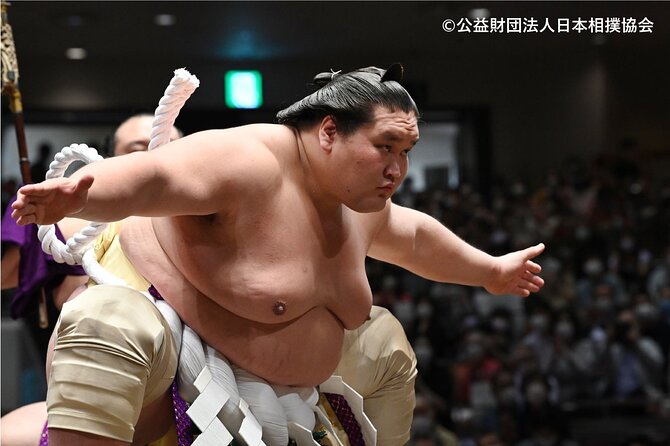
The arena becomes more exciting as the day progresses. The upper-level matches provide a gentle introduction to the sport, while the later bouts bring stronger wrestlers and a louder response from the crowd. By the time the top division takes the ring, the ceremony, rivalries, and sudden bursts of force make the event feel far larger than a simple series of short contests.
You do not need to understand every rule to enjoy the spectacle. The rank list and brochure help you follow the wrestlers and tournament structure. Watch the officials, the ring rituals, and the way the audience reacts. Even if you know little about sumo, you can see that timing, balance, and control matter as much as raw strength.
The most praised part of this experience is the atmosphere. One attendee called sumo one of the best sporting events they had attended, especially because the energy becomes electric later in the day. That is useful advice: do not judge the whole event by the quieter early matches. The payoff builds.
More tournament tours in Tokyo:
- Tokyo: Sumo Tournament Tour with Chair Seat Tickets
★ 4.6 · 753 reviews - Tokyo Grand Sumo Tournament Viewing Tour with Tickets
★ 5.0 · 692 reviews - Tokyo Sumo Wrestling Tournament Experience
★ 5.0 · 660 reviews
Meeting at Ryogoku Station between 12:45 and 1:30
Your first task is simply getting to the correct meeting point at Ryogoku Station. The ticket-only plan requires you to collect your ticket between 12:45 and 1:00 PM. The walking tour has a later meeting window, from 1:15 to 1:30 PM, with the walk starting at 1:30.
These are not casual suggestions. You must collect your ticket on the reserved tournament day, and the operator cannot arrange collection on another date. If you miss the ticket handover or the walking departure, your reservation may be canceled. Since this is a non-refundable experience, I would reach Ryogoku early and allow extra time to find the meeting point.
The tour is near public transportation, which makes Ryogoku Station a sensible base. Keep your schedule clear before and after the event. The experience lasts about five hours, but the tournament setting rewards an unhurried pace, particularly if you want to browse the museum and shops.
There are two ways to use the booking:
- The ticket-only plan is best if you already know the area and want a straightforward route into the stadium.
- The walking tour plan adds the neighborhood stops before entering Kokugikan.
The walking route has a maximum group size of 20 people. That is large enough to feel social but still manageable for a short guided visit.
Eko-in Temple and Kyu-Yasuda Gardens add more than filler
The walking option begins at 1:30 PM and visits Eko-in Temple before continuing to Kyu-Yasuda Gardens. These stops give you a look at Ryogoku beyond the arena entrance.
Eko-in Temple is linked to the district’s sumo setting, so it makes sense as an opening stop for a day centered on the sport. You begin with the neighborhood and its religious setting, then move toward the formal arena. That order helps you understand that sumo is woven into the area rather than placed in isolation inside a stadium.
Kyu-Yasuda Gardens provide a change of pace. After the temple, a garden walk gives you a quieter interval before the noise and ceremony of Kokugikan. The tour includes a moderate amount of walking, so comfortable shoes are important. This is not a difficult hike, but it is also not a door-to-door stadium transfer.
Heavy rain or other bad weather may cancel the walking section. You still receive your sumo ticket and can visit the museum and stadium on your own. That makes the walking plan less risky than it might first appear, though it does mean you should not book it solely for the outdoor stops if the forecast is poor.
Entering Ryogoku Kokugikan and finding the Sumo Museum
The Kokugikan is the heart of the day. Your included admission is a Grand Sumo Tournament ticket on the second floor, along with a sumo rank list and brochure.
Before settling into your seat, make time for the Sumo Museum. Its displays include woodblock prints, folding screens, and ceremonial aprons dating as far back as the Edo period. These objects help explain the formal side of sumo, where clothing, rank, symbols, and ritual all carry weight.
The museum is especially useful if you are new to the sport. A live match can move quickly, and the atmosphere can distract you from the details. A short museum visit gives you a chance to see the visual language of sumo before returning to the arena.
The building also has shops on the first and second floors. You can find fan items, stationery, sweets, and other sumo merchandise. If you want souvenirs, allow time before the strongest matches begin. The shopping area is part of the experience, not just an afterthought.
Your seat may not be designated in advance. If you want to sit with companions, request group seating when you book. Staff will try to honor that request, but it cannot be guaranteed. This is worth considering for families or couples who would find separate seats frustrating.
More sumo experiences in Tokyo:
- Tokyo: Sumo Show Experience with Chicken Hot Pot and a Photo
★ 4.8 · 6,678 reviews - Tokyo: Sumo Show and Dining Experience
★ 4.8 · 2,742 reviews - the SUMO show
★ 5.0 · 1,960 reviews - Tokyo Shinjuku Sumo Show & Experience with Photo
★ 5.0 · 1,750 reviews
What the 3:00 PM match viewing is really like
The listed match viewing begins at 3:00 PM. That does not mean every activity in the arena begins at that moment. Matches and ceremonies may already be taking place when you arrive, and seating can be delayed if a match, speech, wrestler procession, or ritual is underway.
Possible delays include:
- A sumo match in progress
- A speech by the Sumo Association on the final tournament day
- The Makuuchi division ring procession, known as dohyoiri
- The Yokozuna ring entering procession
- The ritual stomping ceremony on the final tournament day
If one of these is happening, you must wait until it ends before moving to spectator seating. That may be mildly inconvenient, but it protects the ceremony from interruptions. Sumo asks the audience to respect the ring, and this rule is part of that tradition.
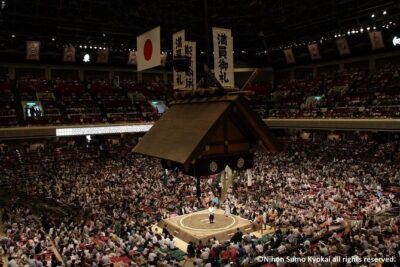
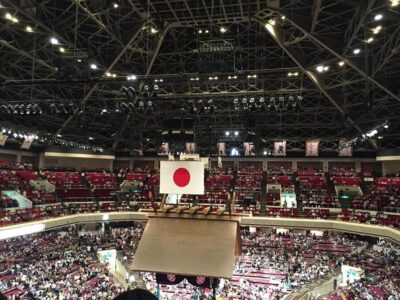
The second-floor position gives you a broad view of the ring and the surrounding crowd. The tradeoff is distance. You will not have the close-up feel of ringside seating, but the higher view makes the formal movements and overall staging easier to follow.
The atmosphere may also be warm on the second floor. Bring or buy a small fan if you tend to overheat. One particularly practical tip is to buy food early because some items may sell out later. The arena requires you to purchase refreshments inside, since outside food, drinks, and alcohol are not allowed.
Photography with your own smartphone or other device is not permitted. Keep that in mind if you are used to documenting every stop. Here, you will need to watch the event directly rather than through a screen.
Food, shopping, and the details that shape your day
Food is not included, and the ticket price does not cover drinks. Since you cannot bring your own refreshments into Kokugikan, set aside money for purchases inside the arena. Buying food earlier in the visit is sensible, especially if you want a particular item.
The shops sell sumo-themed souvenirs, stationery, sweets, and fan goods. You might want to browse before the crowd reaches its peak. The arena experience is easier when you do not try to fit the museum, shopping, food, and seating into the final few minutes before the major bouts.
Large luggage cannot enter the seating area. Leave suitcases and bulky bags at your accommodation or in a coin locker before you arrive. This is one of those small planning points that can make or break the afternoon. Ryogoku Station may be convenient for lockers, but you should arrange storage on your own and not assume space will be available.
Children up to three years old may attend, but they must sit on a parent or guardian’s lap while watching. The event can suit families, but the long sitting period, fixed timing, and no-device photography rule are worth considering before bringing very young children.
Most people can participate, and the experience is near public transportation. The walking plan is the better choice if you want a little movement and local context. The ticket-only plan is simpler if you have limited energy, poor weather, or another appointment before the match.
Is the price good value?
The listed price is $0.00, but treat that figure carefully. A no-cost display may reflect missing or variable pricing rather than a promise that a tournament ticket is literally free. The practical value depends on the confirmed price and availability at booking.
The real question is what you receive for the cost. You get admission to a Grand Sumo Tournament session, second-floor seating, a rank list, and a brochure. The walking plan adds Eko-in Temple, Kyu-Yasuda Gardens, the Sumo Museum, and entry into the Kokugikan.
That package can be useful during a busy tournament period when official tickets are hard to obtain. One buyer described being doubtful at first because the company had little information available, then found that the booking worked when other ticket options were gone. That points to the tour’s strongest practical role: it can serve as a route to a sought-after event when normal ticket hunting fails.
Still, this is not a bargain if you dislike fixed schedules or already have tournament tickets. You also pay separately for food and drinks, and you must solve luggage storage yourself. Ask about the confirmed total price, seat arrangements, and plan type before committing.
Who should book this sumo experience?
I would recommend it to you if you want a first clear look at professional sumo without spending a full day arranging the details yourself. It works well for visitors who value the live atmosphere more than close seating and who appreciate having a rank list and brochure to follow along.
The walking option suits you if you want the sumo match connected to the Ryogoku neighborhood. The temple and garden stops offer a calmer start, while the museum gives you useful context before the wrestling begins.
You may want to choose another arrangement if you need guaranteed seats together, want to bring your own food, plan to photograph the event, or cannot commit to the strict meeting window. The no-refund rule makes last-minute changes especially costly.
Book early enough to receive confirmation, which is provided within 48 hours and depends on availability. The experience is limited to a maximum of 20 people, but group seating remains a request rather than a promise.
FAQ
Where do I meet for the Tokyo Grand Sumo Tournament Viewing Tour?
Meet at Ryogoku Station. For the ticket-only plan, ticket collection is from 12:45 PM to 1:00 PM. For the walking plan, meet from 1:15 PM to 1:30 PM.
What time does the walking tour begin?
The walking tour starts at 1:30 PM. It visits Eko-in Temple, Kyu-Yasuda Gardens, the Kokugikan, and the Sumo Museum before match viewing begins at 3:00 PM.
What is included with the booking?
The booking includes a Grand Sumo Tournament ticket on the second floor, a sumo rank list, and a brochure. The walking plan also includes the stated walking visits and entry to the Kokugikan and Sumo Museum.
Are food and drinks included?
No. Food and drinks are not included, and you cannot bring food, drinks, or alcohol into Kokugikan. You can purchase refreshments from vendors inside the arena.
Can I bring a suitcase into the seating area?
No. Suitcases and other large luggage cannot be brought into the seating area. Store them at your accommodation or another location, such as a coin locker, before arrival.
Can children attend the tournament?
Children up to three years old may join, but they must sit on a parent or guardian’s lap while watching.
Can I cancel or change the booking?
No. The experience is non-refundable and cannot be changed for any reason. Missing the ticket collection or departure time may also result in cancellation of the reservation.
Should you book it?
Book this experience if live sumo is high on your Tokyo list and you want help securing a tournament ticket, especially when official tickets are difficult to find. Choose the walking plan for the temple, garden, and museum stops, or choose ticket-only for a simpler route.
Just arrive early, leave your suitcase behind, buy food inside before it sells out, and expect a second-floor seat with no guarantee of sitting beside your group. With those limits understood, this is a memorable way to see Japan’s ancient sport in its proper home, with the crowd’s energy rising as the afternoon moves toward the top bouts.
Newest sumo experiences in Tokyo
- Tokyo Sumo History Tour with Chanko Nabe Lunch★ 5.0 · 3 reviews
- Tokyo Highlights Tour: Sumo, Sushi, Tea, and Tokyo Tower★ 5.0 · 2 reviews
- Tokyo: Know about Hokusai and Sumo culture in 2.5 hours★ 5.0 · 2 reviews
- TOKYO , No1 Yokozuna Stable Morning Practice in Ryogoku★ 4.5 · 3 reviews
- Tokyo 6hr Private Guided Tour & Sumo Show Lunch★ 5.0 · 3 reviews
- Unique Afternoon Live Sumo training tour in Tokyo★ 5.0 · 6 reviews
- Sumo Training Watching Experience in Tokyo★ 4.5 · 8 reviews
- Tokyo: Enjoy Sumo match and know about it! [Ticket included]★ 4.4 · 7 reviews
Grand Sumo Tournament Tours, compared.
Tokyo Grand Sumo Tournament Viewing Tour with Tickets
Read our review →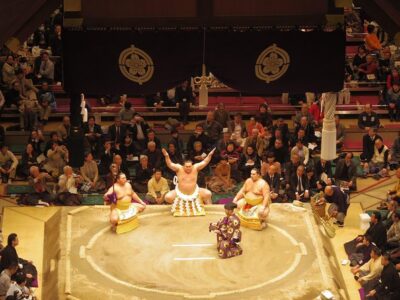
Ultimate Sumo Tournament: Tokyo, Osaka, Nagoya, Fukuoka
Read our review →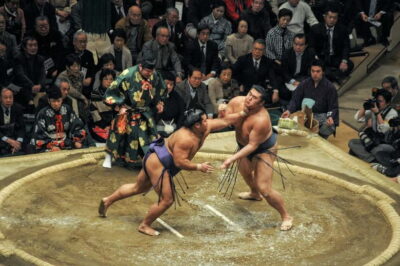
Sumo Tournament with Guide & Assigned Reserved Seat
Read our review →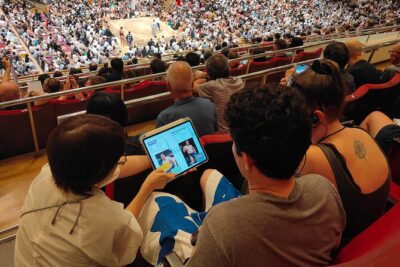
Sumo Wrestling Tournament with Chair Seat Tickets
Read our review →November Sumo Tournament tour in Fukuoka (Tickets Included)
Read our review →Browse the lists this tour appears in