
REVIEW · CHANKO NABE EXPERIENCES
Tokyo: Sumo Show Experience with Chicken Hot Pot and a Photo
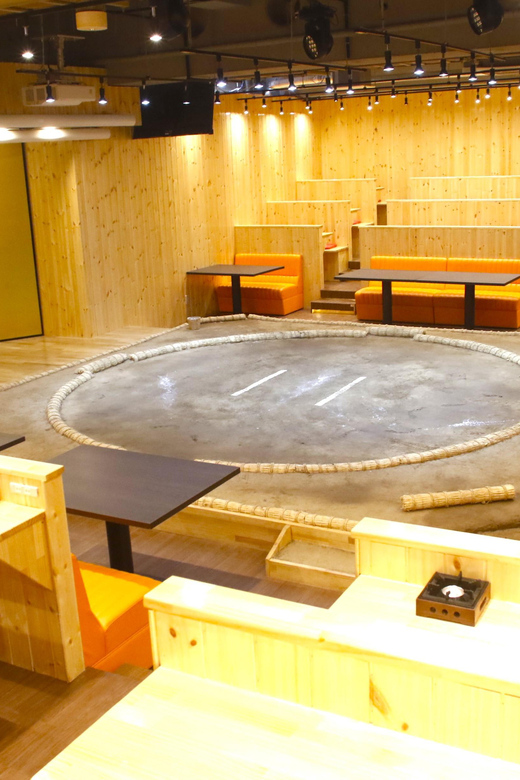
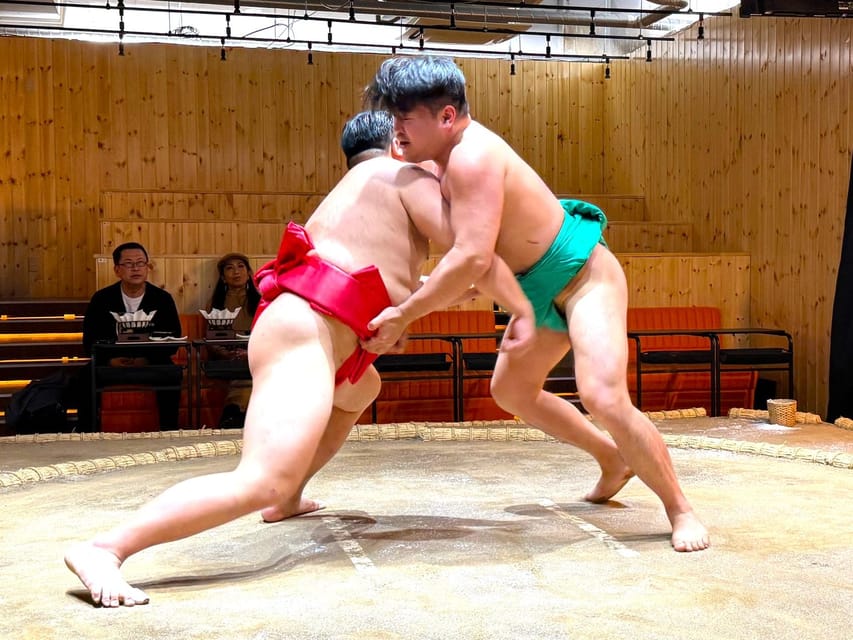
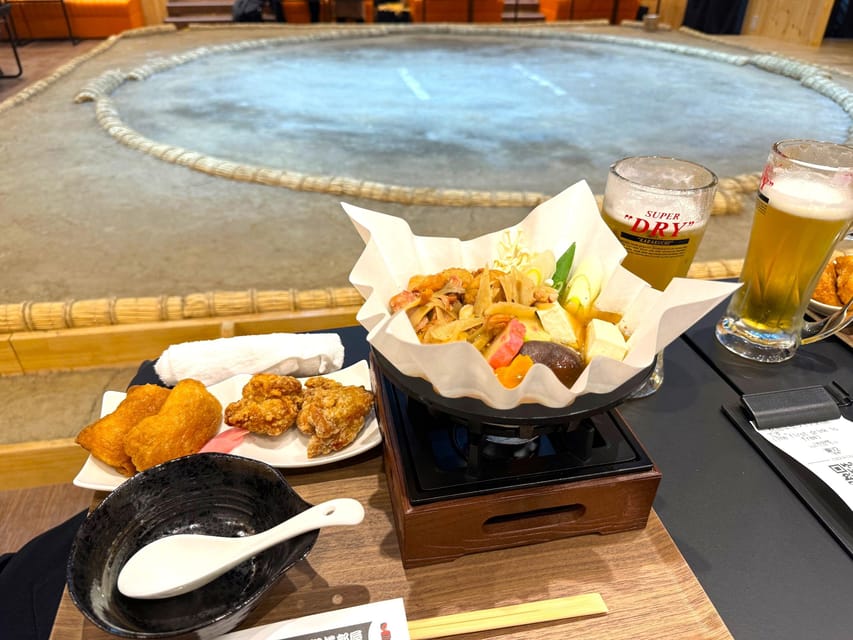
The best part of this Asakusa evening is the real dohyo, or sumo ring, set in the middle of the restaurant. You are close enough to see the wrestlers plant their feet and slap the ring, while an English and Japanese host explains what is happening. I like the mix of real sumo customs and broad comedy, and I like that the meal is part of the show rather than an afterthought. The one thing to keep clear is that this is entertainment with retired professionals, not a serious morning practice or a live tournament.
I also appreciate the easy family appeal. Children can follow the jokes, adults get useful explanations of sumo rules, and brave audience members may enter the ring for a short challenge. Seats are intimate throughout, though VIP or VVIP seating is worth considering if seeing the action up close matters to you. The $103 price is not cheap, but unlimited hot pot, a drink, a photo, a gift bag, and two hours of live entertainment make it a fair splurge in Tokyo.
Key points before you book
- A real dohyo sits inside the restaurant, giving the two-hour show a close, theatrical setting.
- Retired professional wrestlers perform a best-of-three match, with traditional movements mixed with humor and audience interaction.
- The bilingual commentary explains sumo rules, rituals, exercises, and techniques in English and Japanese.
- Chicken chanko-nabe is all you can eat, with other Japanese dishes and one complimentary drink included.
- Audience members can apply for a sumo challenge, but places are limited and may be assigned by lottery.
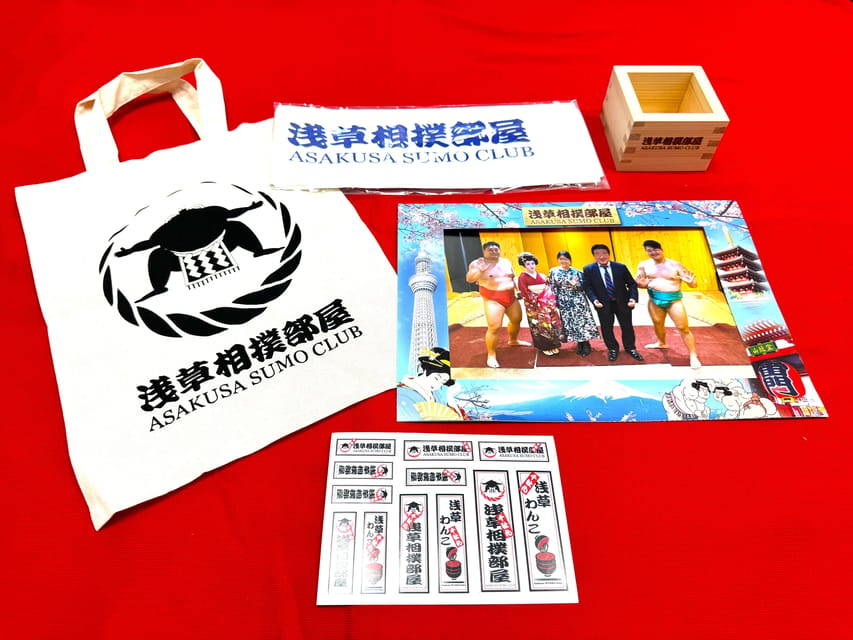
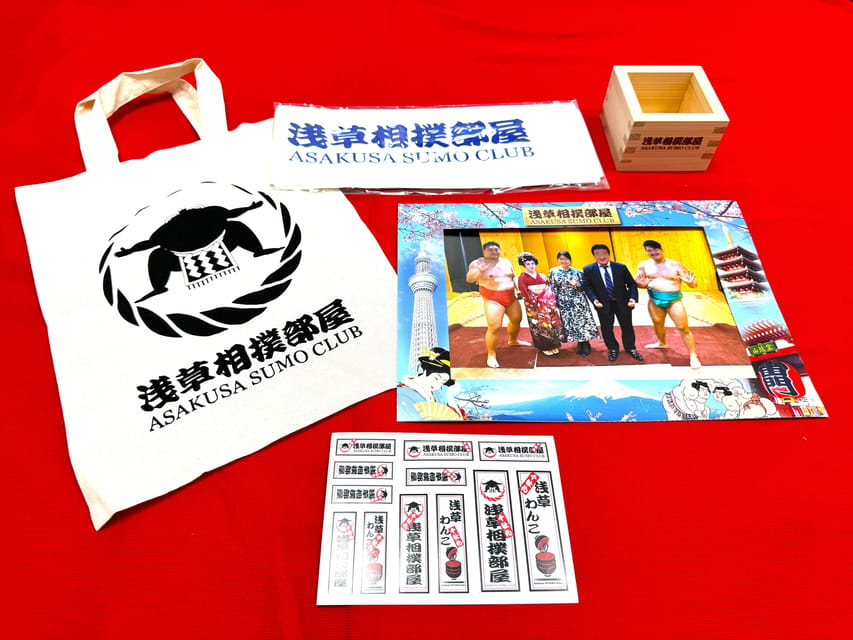
- Your ticket includes a printed photo and souvenir set, with contents varying by season.
A sumo show built for first-time fans
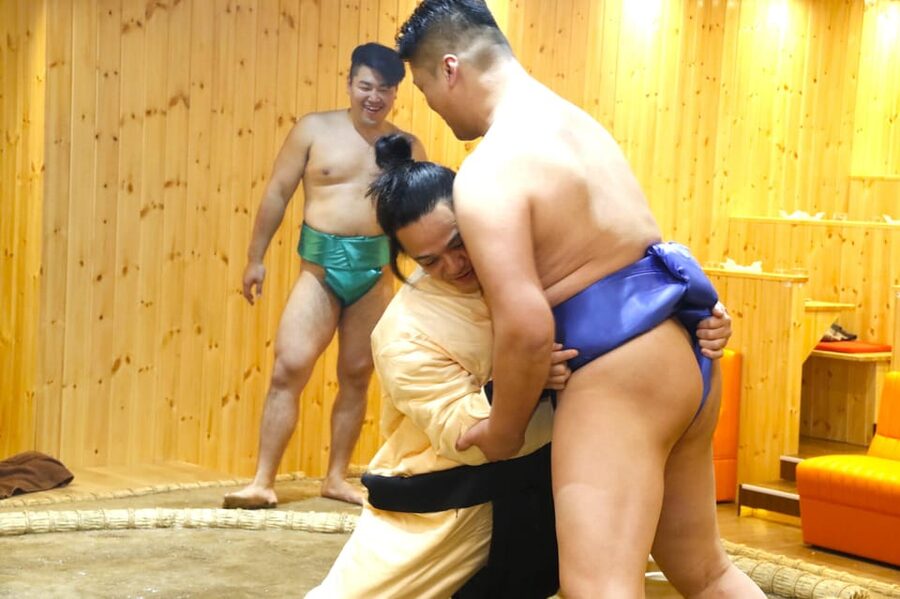
Sumo can look mysterious if you do not know why wrestlers stamp, slap their bodies, throw salt, or spend time sizing each other up. This experience gives you the basic answers without asking you to study the sport beforehand.
The host explains the customs and rules in English and Japanese, so you can follow the action even if your knowledge begins and ends with the topknot. The presentation covers morning exercises, classic sumo techniques, and the proper do’s and don’ts around the ring. That matters because the show is not only a photo opportunity. You leave with a better sense of why sumo has so much ceremony around a very short contest.
The tone is light. The wrestlers are retired professionals, and the performance is designed to make you laugh and take part. You will see real sumo movements and powerful bodies, but do not book this expecting the quiet intensity of a professional tournament or a private look inside an active stable.
That distinction is important. If your main goal is to observe current wrestlers training before sunrise, this is the wrong choice. If you want an accessible introduction that combines food, performance, explanation, and some good-natured silliness, it fits well.
More chanko nabe experiences in Tokyo:
- Tokyo Sumo Entertainment Show with Chicken Hot Pot and Photo
★ 5.0 · 1,205 reviews - Tokyo Sumo Experience: Chanko & Mochi with a Former Pro
★ 4.8 · 567 reviews - Tokyo: Sumo Experience and Chanko Nabe Lunch
★ 4.8 · 257 reviews
Entering the restaurant around the central dohyo
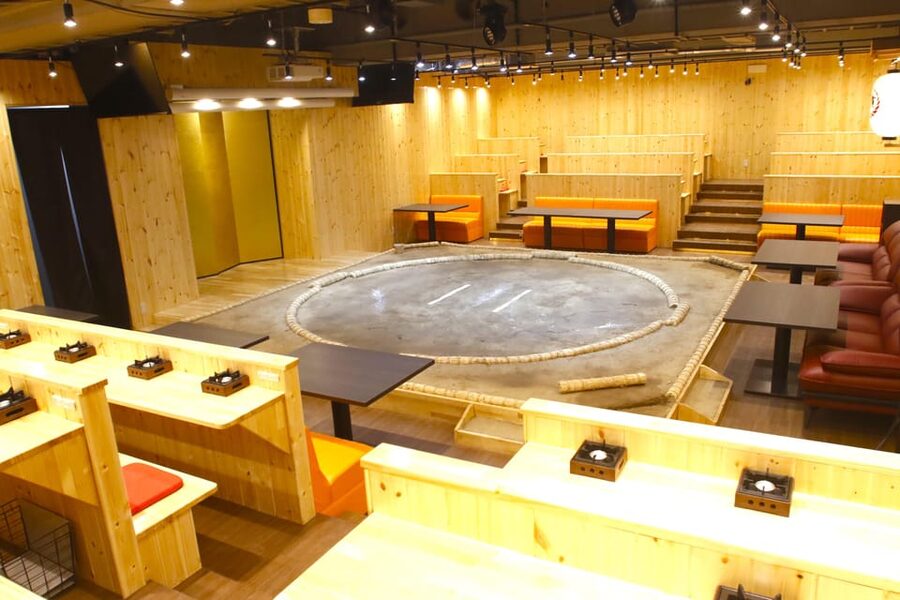
The ring is the room’s focus. Instead of watching from a distant grandstand, you sit around a dohyo in an intimate restaurant setting. Every seat has a clear view, though the front-row VIP seats bring you closer to the wrestlers, and VVIP seating provides the most central, unobstructed position.
Standard seating should suit most people, especially if value matters more than being nearest the action. VIP makes more sense for a special occasion or for anyone who wants stronger photos and a close look at the wrestlers’ footwork. VVIP is the premium choice for the clearest central view. Check the exact option you book, since the meeting point can vary by seating or package.
You may be seated with other people. That is normal for this type of show and can add to the cheerful, communal feel, but it is worth knowing if you are hoping for a private table.
The room is wheelchair accessible, although accessible seats are limited. Tell the operator when booking if you need one. Babies under one year are not suitable for the activity, and meals, seating, and souvenirs are not included for infants.
The geisha dance sets the tone
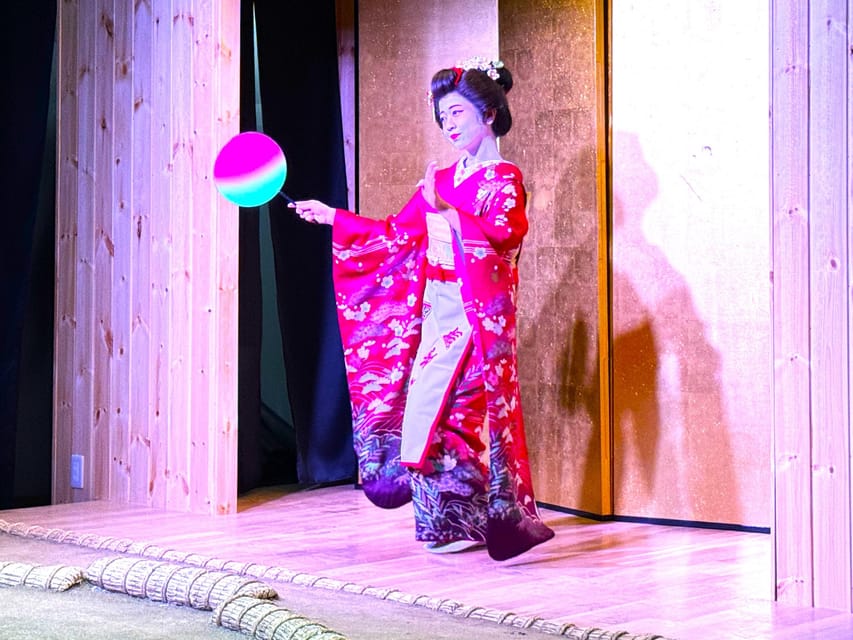
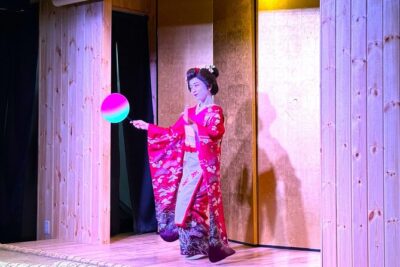
Before the wrestling begins, a geisha performs a traditional Japanese dance in an elegant kimono. It is a short cultural performance, not a full geisha evening, but it gives the event a graceful opening before the louder sumo portion begins.
This contrast works well. The dance introduces a formal side of Japanese performance, while the sumo show that follows is more direct and playful. You get two different kinds of stage tradition in one sitting without needing to arrange separate evening entertainment.
Keep your expectations in proportion. The experience gives you a taste of the dance and sumo worlds rather than a specialist cultural lecture. The value is in the combination and the setting.
Exercises, rituals, and the rules of sumo
The show then turns toward the sport itself. You see demonstrations of morning exercises and learn how sumo wrestlers prepare their bodies. The host explains traditional movements and essential rules, helping you understand what to watch during the bout.
This is where the bilingual commentary earns its place. Without explanation, a sumo contest can seem over in a flash. With context, you notice the balance, stance, pushing, pulling, and attempts to force an opponent outside the ring.
The explanations are aimed at a general audience, including children. The comedy keeps the pace moving, while the information gives the jokes a useful backbone. I like this format because it does not pretend to be a formal sports seminar, but it does give you enough background to watch the match with sharper eyes.
The hosts are part of the experience. Lala is named in several accounts as a lively MC, and Benjamin is also praised for helping run the event. Since staffing can change, do not count on one particular presenter, but you can expect an active bilingual moderator rather than a silent ringside announcer.
More sumo shows in Tokyo:
- Tokyo: Sumo Show and Dining Experience
★ 4.8 · 2,742 reviews - the SUMO show
★ 5.0 · 1,960 reviews - Tokyo Shinjuku Sumo Show & Experience with Photo
★ 5.0 · 1,750 reviews - Tokyo: Sumo Show and Experience in Shinjuku
★ 4.8 · 1,001 reviews
The best-of-three bout: real technique, show-business timing
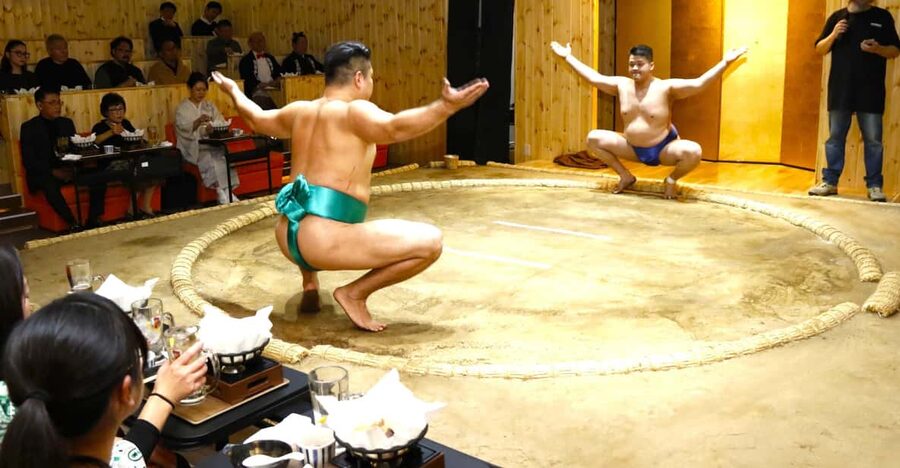
The main wrestling section features a best-of-three match between retired professional sumo wrestlers. You get recognizable sumo rituals and techniques, but the mood is theatrical and friendly rather than severe.
That balance is the heart of the evening. The wrestlers have the size and skill to make the contest impressive, yet they also play to the room. Audience reactions are encouraged, and the announcer explains what you are seeing. The show is carefully paced so that a child can stay interested and an adult can still learn something.
Do not confuse best-of-three with a high-stakes professional bout. The event is built for entertainment. Some people will love the relaxed tone, while purists may find it too polished and comic. The provider is clear about this: it is not a serious morning practice tour and does not offer access to an active sumo stable.
For most first-time visitors to Tokyo, that is a reasonable trade. You get close contact with retired wrestlers and a clear introduction to the sport without needing to understand Japanese or commit to a full tournament day.
The sumo challenge is the evening’s big laugh
At a set point, audience members can volunteer to enter the ring and challenge a sumo wrestler. This is often the most memorable part for families and outgoing adults. The wrestlers draw the crowd into the action, and even people who stay in their seats can enjoy the spectacle.
There is an important catch: places are limited. If too many people apply, participants are chosen by lottery. You should treat the challenge as a bonus, not a promised part of your booking.
If you are selected, wear something that allows easy movement and follow the staff’s instructions. The supplied information does not promise a particular length or format for each challenge, so expect a short entertainment segment rather than a full match.
This feature makes the show more than a performance from a distance. A child, parent, or grandparent may become part of the story. It also explains why the event works well for mixed-age groups. Several family groups have enjoyed it across three generations, and children around school age can take part in the excitement even if they never enter the ring.
Chicken chanko-nabe and a practical meal
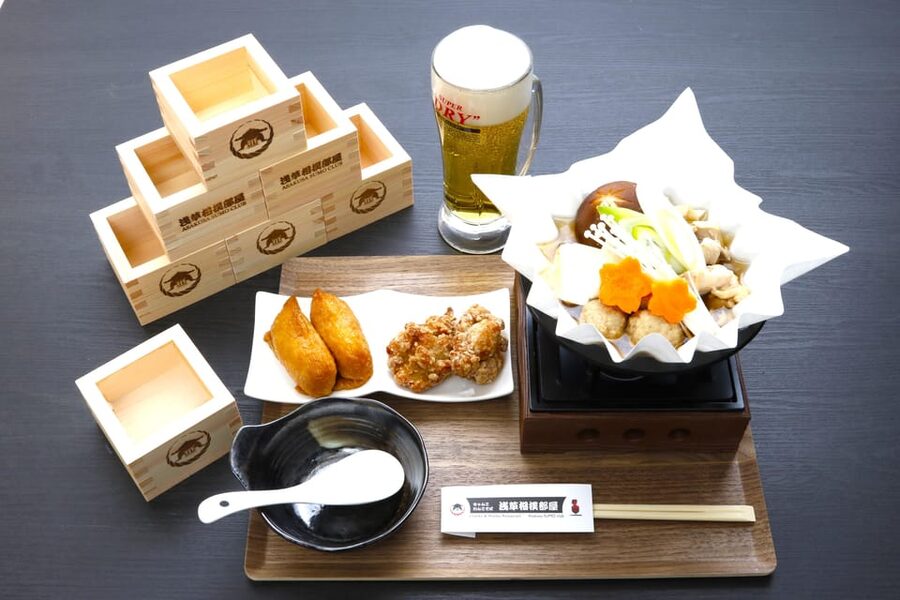
Food is served during the show, with all-you-can-eat chicken chanko-nabe and additional Japanese dishes. Chanko-nabe is the hearty hot pot traditionally associated with sumo wrestlers, so it fits the theme better than a standard restaurant meal would.
The meal has included items such as edamame, inari sushi, sweet rolls, and the chicken hot pot. Exact dishes may vary, but you should expect a filling Japanese spread rather than an elaborate tasting menu.
The all-you-can-eat setup adds real value to the ticket. You can order more using a QR code, either as a whole item or in parts, which is useful if one dish appeals more than another. One drink is included, and you can buy additional drinks during the event. Beer is available, though the supplied information does not specify a full drinks menu.
The food is generally a strong part of the package, but it is not the main reason to book. One account found the meal somewhat limited, while others praised the chicken and soup. Think of it as satisfying show food with a traditional connection, not a destination dining experience.
Some diners may feel nervous about the hot pot’s presentation over an open flame, particularly with paper bowls. Staff serve the meal as part of the event, but keep young children supervised around hot food.
Vegetarian and vegan meals can be arranged if requested at least two days ahead. Gluten-free and halal meals are not available. You may bring your own food for those dietary needs, so plan ahead rather than hoping to adjust the menu on arrival.
What the $103 ticket really buys
At $103 per person, this is a mid-to-high priced evening activity. The cost makes more sense when you count the parts separately: a two-hour live show, bilingual hosting, a geisha dance, unlimited hot pot and Japanese dishes, one drink, a printed photo, and a souvenir set.
You are not paying only for a sumo exhibition. You are paying for a complete night out with dinner and a keepsake. In Tokyo, that can be good value when you want one organized activity that works for different ages and does not require extra planning.
The value is strongest for families, first-time visitors, and anyone curious about Japanese culture but not eager to sit through a formal lecture. It is weaker for serious sumo fans who want current professional wrestlers, training access, or the atmosphere of a tournament.
The seating upgrade is a judgment call. Standard seats already provide a clear view, so I would choose VIP or VVIP only if the experience is a highlight of your trip, you care about photography, or you want the closest look at the ring. Do not assume the upgrade changes the food or performance itself. Its main benefit is position.
Timing, accessibility, and booking advice
The activity lasts two hours, with starting times depending on availability. Because food, dance, explanation, wrestling, and the challenge all share the same session, arrive ready to stay for the full program.
Small-group availability is offered, but you may still sit with other people. The atmosphere is social and interactive rather than quiet. If you prefer a calm meal with long stretches of conversation, this will feel busy.
Wheelchair-accessible seating is limited, so request it at booking. Vegetarian and vegan meals need at least two days’ notice. The activity allows free cancellation up to 24 hours before the start time, and a reserve-now, pay-later option is available, which can help if your Tokyo schedule is still moving around.
If the show is full, a sister venue next door offers a higher-end sumo show with deluxe Japanese cuisine. That is a separate experience, so check the name and package carefully before booking.
The photo and souvenir bag
After the performance, you receive a printed photo with the sumo wrestlers and geisha, along with a souvenir set. This is a small touch, but it gives the evening a proper ending and makes the ticket feel less disposable.
Souvenir contents can change by season. The printed photograph is the more reliable memory of the event, especially for families. If you join the ring challenge, it becomes a useful reminder of the night’s most personal moment.
I like this better than a simple digital download. You leave with something physical, and the photo captures the mix of costumes, wrestlers, and theatrical setting that makes the experience different from watching a sports event.
Who should book this Asakusa experience?
Book it if you want an easy, family-friendly introduction to sumo with dinner included. It suits adults who enjoy humor, children who need movement and audience interaction, and older relatives who prefer a seated activity with clear sightlines.
It is also a good choice if you have only one evening to devote to Japanese performance and want several elements in one place: dance, food, cultural explanation, wrestling, and a photo.
Think twice if you want serious sumo training, a quiet traditional meal, or current professional competition. The show is intentionally relaxed and entertaining. That is its strength, but it is also its limit.
Should you book the Asakusa Sumo Club show?
For most first-time visitors, I would book it, especially if you are traveling with children or a mixed-age family. The food, bilingual explanations, retired wrestlers, geisha dance, and souvenir photo form a well-rounded two-hour package.
Choose standard seating if you mainly want good value. Pay for VIP or VVIP when the ring-side view matters enough to justify the extra cost. Reserve dietary accommodations early, and treat the audience challenge as a lucky possibility rather than a guarantee.
This is not the place to study elite sumo in silence. It is a lively introduction that lets you learn the basics, eat a traditional wrestler’s meal, laugh with the performers, and perhaps test your own strength in the ring. For a Tokyo evening with plenty of structure and very little guesswork, that is a pretty good deal.
FAQ
How long does the Asakusa Sumo Club experience last?
The show lasts two hours.
What food is included?
You receive all-you-can-eat chicken chanko-nabe and Japanese dishes. Examples include edamame, inari sushi, and sweet rolls, though the exact selection may vary.
Is a drink included?
Yes. One complimentary drink is included. Additional drinks can be purchased.
Can I challenge a sumo wrestler?
You can apply to take part in a sumo challenge. The number of challengers is limited, and participants may be selected by lottery if there are too many applicants.
Is this a real professional sumo match?
The performers are retired professional sumo wrestlers. The show includes sumo techniques and rituals, but it is an entertainment performance rather than a serious tournament or morning practice.
Is the show suitable for children?
Yes. It is designed for adults and children and includes interactive sections. Babies under one year are not suitable for the activity.
Are vegetarian or vegan meals available?
Yes, but vegetarian and vegan meals must be requested at least two days in advance. Gluten-free and halal meals are not available, though you may bring your own food for those dietary needs.
Is the experience wheelchair accessible?
Yes, but wheelchair-accessible seating is limited. You should request accessible seating when booking.
More photo experiences in Tokyo
- Tokyo Ryogoku Sumo Morning Practice + Photo Shoot with Wrestlers
★ 4.5 · 277 reviews - Tokyo: Exclusive Access to Sumo Morning Practice with Photos
★ 4.8 · 107 reviews - Tokyo: Sumo Practice Tour with Ring-Side Seat and Photoshoot
★ 4.7 · 103 reviews - Tokyo Sumo Morning Practice Tour w/ Ring-Side Seat + Photo Shoot
★ 5.0 · 93 reviews
Newest sumo experiences in Tokyo
- Tokyo 6hr Private Guided Tour & Sumo Show Lunch★ 5.0 · 3 reviews
- Tokyo Grand Sumo Tournament Viewing Tour★ 5.0 · 2 reviews
- Tokyo Sumo History Tour with Chanko Nabe Lunch★ 5.0 · 3 reviews
- Tokyo Highlights Tour: Sumo, Sushi, Tea, and Tokyo Tower★ 5.0 · 2 reviews
- Tokyo: Know about Hokusai and Sumo culture in 2.5 hours★ 5.0 · 2 reviews
- TOKYO , No1 Yokozuna Stable Morning Practice in Ryogoku★ 4.5 · 3 reviews
- Tokyo: Sumo Keiko Training Tour with Audio Guide & Photo★ 4.8 · 5 reviews
- Tokyo: Watching Sumo and Ryogoku Area Walking Tour★ 4.0 · 5 reviews
Chanko Nabe Experiences, compared.
Tokyo Sumo Entertainment Show with Chicken Hot Pot and Photo
Read our review →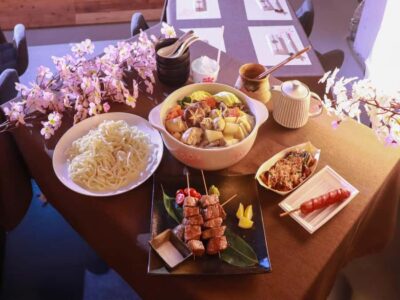
Sumo Show & Experience w/ Optional Kimono & Hot Pot
Read our review →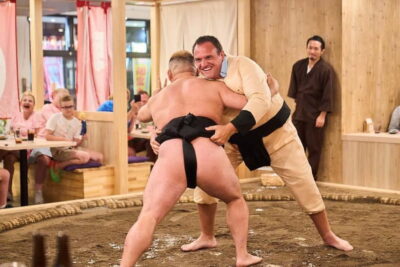
Tokyo Sumo Experience: Chanko & Mochi with a Former Pro
Read our review →
Tokyo Sumo Culture Tour with Chanko-Nabe Lunch in Ryogoku
Read our review →
Browse the lists this tour appears in