
REVIEW · SUMO SHOWS
Tokyo: Sumo Show and Dining Experience
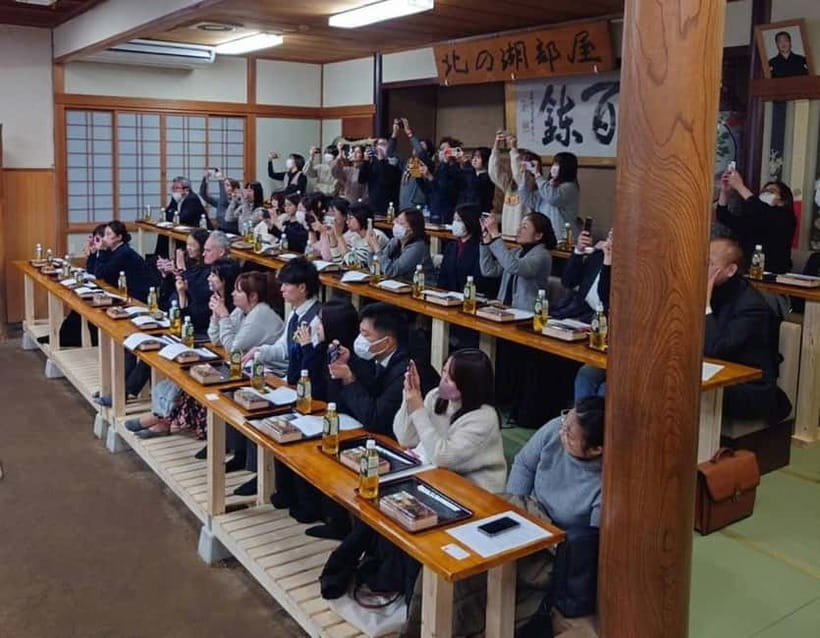
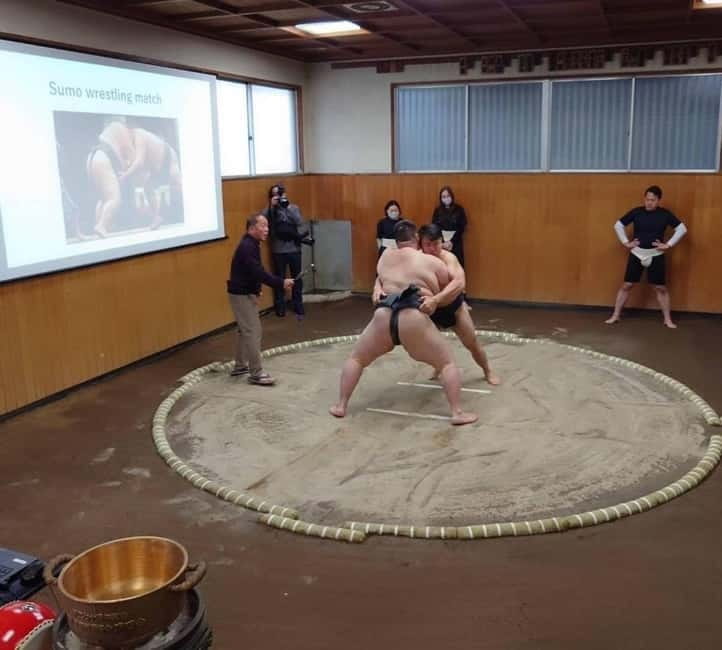
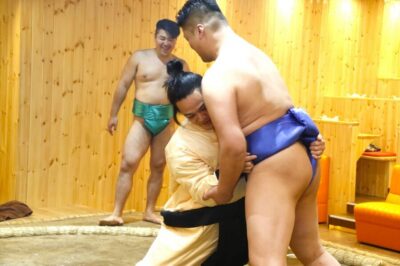
The big draw here is simple: you sit close to the ring while former sumo wrestlers demonstrate the sport, explain its rules, and sometimes invite you in for a playful match. This is far more hands-on than watching a tournament from a distant seat.
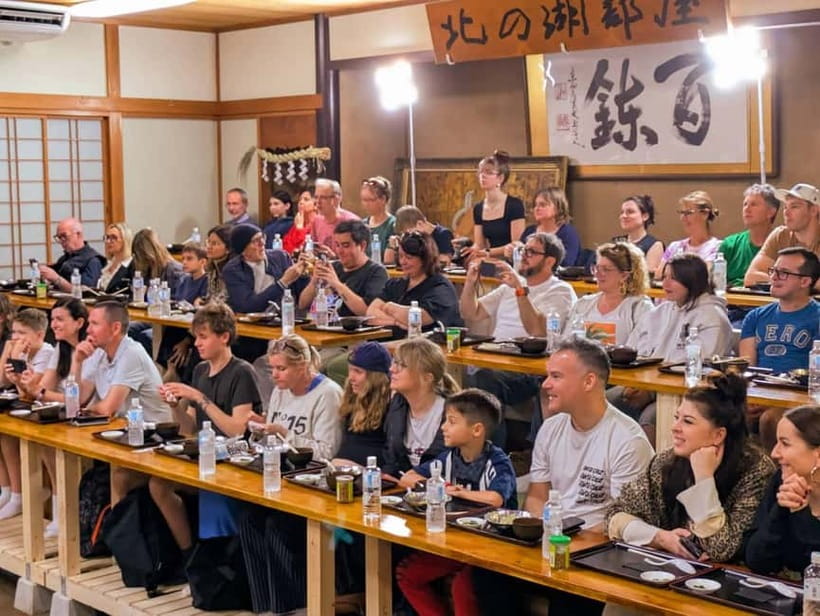
I like the clear English presentation and the chance to learn why sumo is more than two large men pushing each other. I also like the warm, family-friendly mood, with plenty of laughs and real audience participation. The main drawback is that the meal options are not identical for every show, and the 3:00 PM performance has no meal plan.
Key points to know
- Former Makuuchi wrestler Tokitsumi runs the venue, giving the experience a direct link to professional sumo.
- The ring is close to your table, so you can see the wrestlers’ footwork, balance, and strength clearly.
- Audience participation is a major part of the fun, including the chance to practice or face a wrestler.
- The English-speaking host explains rules, customs, and sumo history in an easy, entertaining way.
- Chanko-style hot pot and Japanese dishes are available with selected meal plans, with vegetarian choices by request.
- Kiyosumi-Shirakawa is easy to reach by public transport, but transportation is not included.
A close-up introduction to sumo in Kiyosumi-Shirakawa
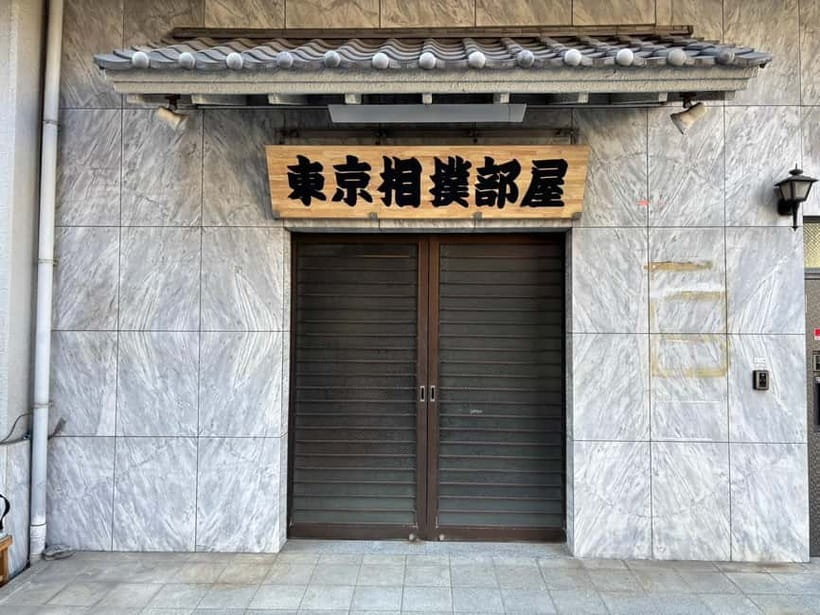
Tokyo Sumo Room is a show restaurant in Kiyosumi-Shirakawa, a district on Tokyo’s Honshu side that is easy to reach by public transport. The venue combines a meal, a cultural presentation, and a live demonstration in a format lasting about 90 minutes to two hours.
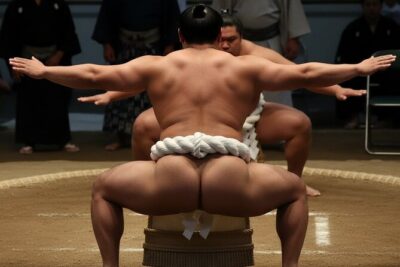
The setting matters. Sumo can feel distant when you see it only during a major tournament, surrounded by a large arena and thousands of spectators. Here, the ring is right in front of you. You can watch the wrestlers prepare, hear the impact of each movement, and see how much control is needed to stay balanced.
The experience is operated by Tokitsumi, a former Makuuchi wrestler. That connection gives the presentation more weight than a standard entertainment show. You are not simply watching actors imitate sumo. You are learning from people who spent years inside the sport.
This is still a show built for visitors, not a formal tournament. The tone is light, friendly, and often funny. If you want a serious competition with official rankings and the full ceremony of a major bout, you should attend a professional tournament instead. If you want an accessible introduction with a chance to take part, this format works very well.
More sumo shows in Tokyo:
- Tokyo: Sumo Show Experience with Chicken Hot Pot and a Photo
★ 4.8 · 6,678 reviews - the SUMO show
★ 5.0 · 1,960 reviews - Tokyo Shinjuku Sumo Show & Experience with Photo
★ 5.0 · 1,750 reviews
What happens during the 90-minute to two-hour visit
The exact running order can vary, but you can expect several connected parts rather than one long performance.
First comes an explanation of sumo. The English-speaking host introduces the sport’s basic rules, history, and customs. This is important because sumo has its own vocabulary, gestures, rituals, and ways of entering the ring. Without an explanation, a first-time viewer might see only a brief collision. With the context, you begin to notice the preparation, the stance, the timing, and the effort behind each move.
The presentation is designed to stay lively. The host uses humor and audience interaction to keep the information moving. Families should find this easier to follow than a formal lecture, and you can ask questions during the session.
The wrestlers then demonstrate their skills. The action is close enough for you to appreciate the physical work involved. Sumo requires explosive strength, but it also depends on balance, positioning, and technique. A wrestler does not win simply by being heavy. A well-timed push, a shift in weight, or a clever step can change the result in an instant.
Several practice demonstrations and competitions may follow. The number of wrestlers can vary, with two appearing often and three possible in some sessions. This is one reason the experience can feel personal. You are not watching from the back of a large theater.
The final part often brings the audience into the ring. You might learn a basic sumo movement, try a practice contest, or face one of the wrestlers in a playful match. Participation is optional, so you can watch if you prefer. If you do take part, wear comfortable clothing and shoes that allow easy movement.
Why the audience participation is worth considering
The chance to enter the ring changes the feel of the visit. You are no longer only learning about sumo. You are testing, in a small way, the balance and force needed to move someone who has trained for the sport.
The wrestlers control the activity and keep it light. The point is not to defeat them. It is to show you how difficult it is to gain ground against a trained sumo athlete. Even a short exchange makes the sport easier to understand.
Children often enjoy this part most, but adults regularly join in too. People traveling alone are welcome, and the staff can still make the activity comfortable for a single participant. If you prefer not to wrestle, you can enjoy watching other people try.
You may also be able to wear a mawashi for the activity. One useful practical point is that the experience is more physical than a normal dinner show, but you do not need athletic ability to participate. Comfortable shoes are specifically recommended. Bring a camera as well, since staff may help record the moment.
The food: chanko-style comfort with a schedule catch
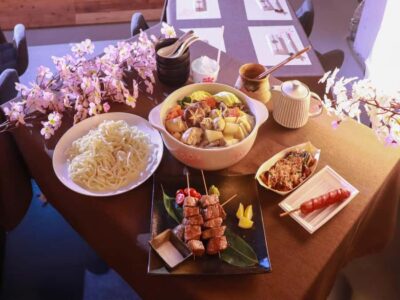
The meal helps make this more than a short demonstration. Selected 11:00 AM and 7:00 PM show options include Japanese cuisine, with dishes designed to fit the sumo theme. Chanko-nabe, the hearty hot pot associated with sumo wrestlers, is a central attraction.
Chanko-nabe is practical food. It is filling, warm, and made to feed people well. The exact ingredients and seasonal dishes can vary, but the menu is intended to offer more than a token snack. Some food-focused sessions allow additional servings, which is useful if you arrive hungry.
Several people particularly enjoy the hot pot, and the meal can include other Japanese dishes and dessert. Sake is available with the meal according to the experience details, but alcoholic drinks are a personal expense unless specifically included in your chosen option.
Vegetarian food is available by request and may also be adjusted on the day. I would still mention your needs in advance, especially if your diet is strict. The information confirms vegetarian choices, but it does not promise that every ingredient can be changed for every dietary restriction.
Pay close attention when booking. The 3:00 PM show does not have a meal plan. Even the wording around the evening show can be confusing, so check that your selected booking clearly says food is included. At $79 per person, the food makes a difference to the value. A meal option gives you dinner, entertainment, and cultural instruction in one sitting. A show-only option should be judged mainly as a performance and activity.
More sumo tours with a meal in Tokyo:
- Tokyo:Luxury Sumo Show Experience & Japanese cuisine & Drink
★ 4.7 · 577 reviews - Tokyo Sumo Experience: Chanko & Mochi with a Former Pro
★ 4.8 · 567 reviews - Tokyo: Sumo Experience and Chanko Nabe Lunch
★ 4.8 · 257 reviews - Tokyo: Family Sumo Workshop & Live Wrestling Show with Lunch
★ 4.9 · 99 reviews
What makes this different from a tournament
A professional sumo tournament gives you the full sport: official bouts, a large crowd, formal ceremonies, and wrestlers competing for real results. Tokyo Sumo Room gives you access and explanation.
You can see the wrestlers from close range, ask questions through the host, and join the activity yourself. That makes it a better choice for someone who wants to understand the sport quickly. It is also easier for children and first-time visitors than trying to follow a full day of tournament bouts.
The trade-off is authenticity of format. This is not a live championship match. The competitions are demonstrations and entertainment, even though the wrestlers’ strength and technique are real. Go in expecting a cultural show led by former athletes, not an official contest.
That balance is actually part of the appeal. The relaxed approach lets the host explain things that might be difficult to understand in a tournament hall. You get the human side of sumo, including humor, questions, and direct contact.
The atmosphere and group size
The venue is designed to feel close and social rather than grand. One session may have a small group of about eight people, while the room can handle more than 20. Your experience of the space will depend on the date and booking level.
A smaller group is helpful if you want to ask questions or take part without feeling lost in a crowd. A fuller room can create more energy during the audience challenges. Either way, the ring remains the focus.
The staff are described as welcoming and attentive, including toward solo visitors and families celebrating a special occasion. The show also works for mixed-age groups because it combines food, education, comedy, and physical demonstrations.
The English host is an important part of the experience. You do not need prior knowledge of sumo, and the presentation is made for an English-speaking audience. The wrestlers themselves may communicate through the host and physical demonstrations, but the format remains easy to follow.
Getting there and planning your visit
Kiyosumi-Shirakawa is accessible by public transport, but you must arrange your own way to the venue. Transportation to and from Tokyo Sumo Room is not included in the $79 price.
Allow enough time to find the restaurant before the start. Show times are listed around 11:00 AM, 3:00 PM, and 7:00 PM, but availability can change. The 11:00 AM and 7:00 PM choices are the ones connected with meal options, while the 3:00 PM show is for the performance without food.
Book ahead if this is important to your Tokyo schedule. The venue has limited seating compared with a large theater, and advance booking is recommended. You can cancel up to 24 hours before the activity for a full refund, and a reserve-now, pay-later option may be available.
The venue is wheelchair accessible. Smoking is not allowed indoors, and smoking is not permitted at the activity. Bring comfortable shoes and a camera. If you plan to participate, avoid clothing that restricts movement.
Is $79 a fair price?
The value depends on which version you choose. At $79, the experience is not the cheapest cultural activity in Tokyo, but it combines several elements that would otherwise require separate planning: an English explanation, a live sumo presentation, audience participation, and, with the appropriate booking, a Japanese meal.
The price is easiest to justify for families and first-time visitors. Children can watch the demonstrations, learn the basic rules, and possibly enter the ring. Adults who enjoy Japanese food get a substantial part of the experience from the chanko-style meal.
For a solo visitor, the price still makes sense if you want a guided cultural activity rather than another restaurant meal. The staff make an effort to include people who arrive alone, and the interactive format keeps the evening from feeling awkward.
The value is weaker if you mainly want a formal sumo match or if you select the 3:00 PM show expecting dinner. Check the meal details before paying. Also remember that transportation and personal expenses are extra.
Who should book Tokyo Sumo Room
I would recommend this experience for:
- Families looking for an activity that holds children’s attention.
- First-time visitors who want a simple explanation of sumo.
- People interested in Japanese food, especially chanko-nabe.
- Solo visitors who want a social and guided evening.
- Anyone who enjoys hands-on activities and does not mind joining a short demonstration.
- Visitors with limited time who cannot fit a full sumo tournament into their schedule.
I would be more cautious if you dislike audience participation, want a quiet dinner, or expect a serious competitive bout. You can watch without joining in, but the show gets much of its energy from the interaction.
My practical verdict
Tokyo Sumo Room offers a friendly way to understand sumo without needing specialist knowledge or a full day at a tournament. The best parts are the close view of the ring, the English explanation, the former wrestlers’ demonstrations, and the chance to try a basic match yourself.
Choose the 11:00 AM or 7:00 PM option if you want food, and confirm that the meal is included in your exact selection. Choose the 3:00 PM session if you want the cultural show without a meal. At $79, I think it is good value for families, solo visitors, and anyone seeking an active introduction to Japanese tradition.
FAQ
Where is Tokyo Sumo Room located?
It is located in Kiyosumi-Shirakawa in Tokyo, on Honshu. The venue is accessible by public transport.
How long does the sumo experience last?
The experience lasts about 90 minutes to two hours.
How much does the experience cost?
The listed price is $79 per person.
Is a meal included?
Japanese cuisine is included with selected meal options for the 11:00 AM and 7:00 PM shows. The 3:00 PM show has no meal plan, so check the exact option before booking.
What food is served?
The menu includes Japanese cuisine, with hearty dishes inspired by chanko-nabe, the hot pot traditionally associated with sumo wrestlers.
Are vegetarian options available?
Yes. Vegetarian options are available by request and may also be modified on the day.
Can I participate in the sumo activity?
Yes. Audience members may be invited to practice sumo movements or face the wrestlers in a playful match. Participation is optional.
Who leads the sumo experience?
The venue is operated by Tokitsumi, a former Makuuchi sumo wrestler. An English-speaking host explains the rules, customs, and background of sumo.
Is the venue wheelchair accessible?
Yes, the venue is wheelchair accessible.
What should I bring?
Bring comfortable shoes and a camera. Transportation, personal expenses, and food for the 3:00 PM show are not included.
More evening meals in Tokyo
- the SUMO show with Dinner
★ 5.0 · 38 reviews
Newest sumo experiences in Tokyo
- Tokyo Highlights Tour: Sumo, Sushi, Tea, and Tokyo Tower★ 5.0 · 2 reviews
- Tokyo: Know about Hokusai and Sumo culture in 2.5 hours★ 5.0 · 2 reviews
- TOKYO , No1 Yokozuna Stable Morning Practice in Ryogoku★ 4.5 · 3 reviews
- Tokyo 6hr Private Guided Tour & Sumo Show Lunch★ 5.0 · 3 reviews
- Tokyo Grand Sumo Tournament Viewing Tour★ 5.0 · 2 reviews
- Tokyo Sumo History Tour with Chanko Nabe Lunch★ 5.0 · 3 reviews
- Tokyo: Sanctuary Authentic Grand Sumo Experience & Training★ 5.0 · 7 reviews
- The SUMO Show & Experience with Hot pot lunch★ 5.0 · 4 reviews
Sumo Shows, compared.
Sumo Show Experience with Chicken Hot Pot and a Photo
Read our review →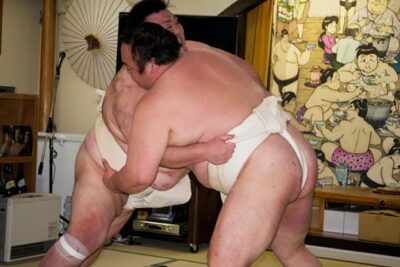
Tokyo Shinjuku Sumo Show & Experience with Photo
Read our review →
Tokyo Sumo Entertainment Show with Chicken Hot Pot and Photo
Read our review →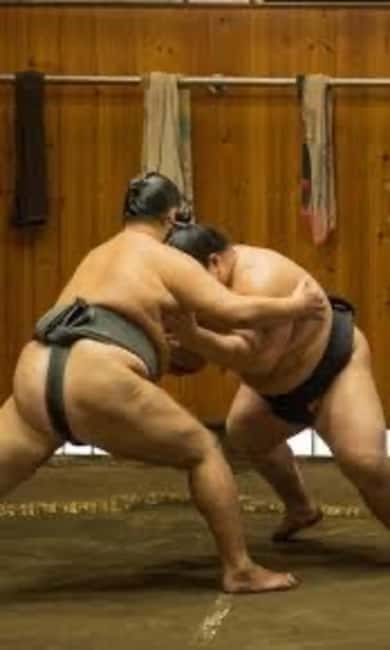
Sumo Show & Experience w/ Optional Kimono & Hot Pot
Read our review →
Luxury Sumo Show Experience & Japanese cuisine & Drink
Read our review →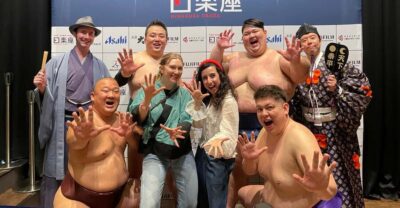
Sumo Stage Show with Bento or Snack + Fight & Photo
Read our review →Browse the lists this tour appears in