
REVIEW · SUMO SHOWS
Tokyo:Luxury Sumo Show Experience & Japanese cuisine & Drink
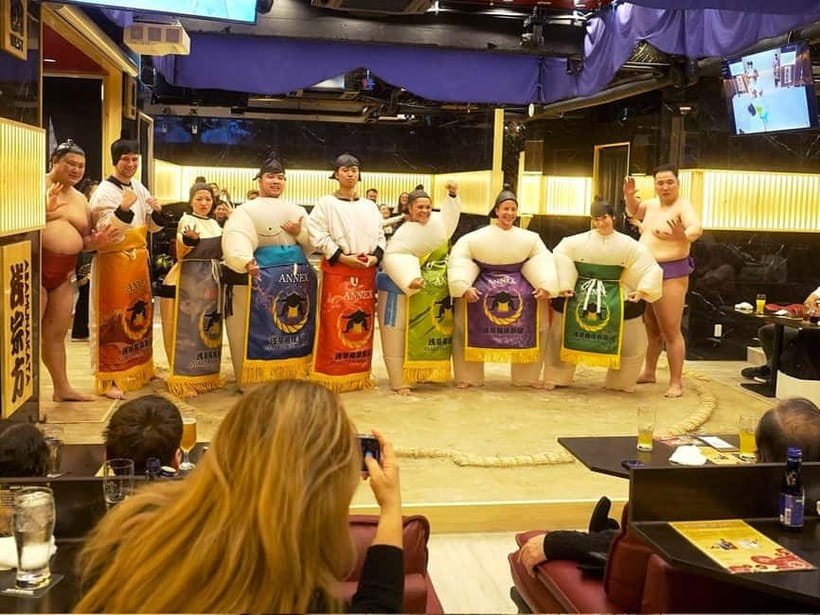
The main event here is not simply watching sumo. It is learning how the sport works, then seeing the rules, rituals, training moves, and bouts played out only a few feet away. A geisha dance opens the show, and a real dohyo, or sumo ring, sits in the middle of the dining room.
I like the friendly bilingual hosting, which makes the sport easy to follow even if you know nothing about it. I also like the generous meal, especially the A5 wagyu sukiyaki, chanko hot pot, and matcha dessert. The main drawback is that this is an entertainment show by retired wrestlers, not a visit to an active sumo stable. The venue also has stairs and cannot accommodate wheelchair users.
Key points to know before booking
- A geisha dance opens the evening: You can take a photo with the performer after the dance.
- The ring sits inside the restaurant: Training techniques and comic, competitive bouts happen close to the tables and sofas.
- The commentary is in English and Japanese: Hosts such as Luke and Go keep the explanations clear, lively, and interactive.
- The food is part of the experience: Expect A5 wagyu sukiyaki, chanko nabe, matcha dessert, and tempura with Business or First Class seating.
- You may enter the ring: Sumo challengers are limited, and a lottery is used if too many people volunteer.
- Your seat changes the value: Business includes unlimited drinks, while First Class adds front-row sofas, premium Yamazaki whisky, and a happi coat souvenir.
A two-hour introduction to sumo in Asakusa
The Asakusa Sumo Club Annex is designed as a smaller, more private alternative to a large performance hall. The setting is warm and polished, with the ring placed at the center so you can see the action from table or sofa seating.
You meet along Asakusa Kokusai Street, next to Matsuya Restaurant. Since the venue is an annex, check the exact name before setting out. One person arrived at the wrong sumo location and was guided to the correct building, but it is simpler to confirm the meeting point in advance.
The entire program lasts about two hours. That is long enough to include food, explanations, performances, questions, photos, and the sumo bouts without turning into a full evening production. You may be seated with other people, so this suits those who enjoy a social dinner show more than those seeking a private meal.
The atmosphere is deliberately welcoming. Children can attend, couples can share the experience, and solo visitors are brought into the action rather than left watching from the side. The presenters use humor often, which helps make the subject less formal and gives younger children a reason to stay engaged.
More sumo shows in Tokyo:
- Tokyo: Sumo Show Experience with Chicken Hot Pot and a Photo
★ 4.8 · 6,678 reviews - Tokyo: Sumo Show and Dining Experience
★ 4.8 · 2,742 reviews - the SUMO show
★ 5.0 · 1,960 reviews
The geisha dance sets the tone
The program begins with a Japanese dance performed by a geisha. This is a short but graceful introduction to another traditional art form, and it gives the evening more variety than a sumo demonstration alone.
Afterward, you may take a photo with the geisha. The small details of the dance are part of its appeal, so watch the controlled hand movements and careful posture rather than expecting a fast stage show. It is a quiet opening before the louder, more physical sumo portion begins.
The geisha appearance is also useful for families. A child who is less interested in wrestling may connect with the dance, costumes, and photo opportunity. The evening does not force every person to enjoy the same thing.
Sumo rules made clear in English and Japanese
The sumo introduction covers the sport’s history, rules, rituals, and basic training methods. The bilingual commentary is one of the strongest reasons to choose this experience over simply watching a bout without preparation.
The hosts explain what you are seeing, then demonstrate it with the wrestlers. You learn why the ring matters, how a match can be won, and how the opening rituals and movements fit into sumo culture. The explanations are aimed at first-time viewers, so you do not need to know the difference between a push-out and a belt throw before arriving.
The MCs keep the tone light. Hosts including Luke and Go have been praised for clear English, quick humor, and making room for questions. I would prepare a few questions of your own, since the question-and-answer time can be one of the most useful parts of the program.
This format gives you enough background to appreciate the bouts that follow. Instead of seeing two large athletes collide and wondering what happened, you can recognize the setup, the tactics, and the result.
Training moves and bouts at close range
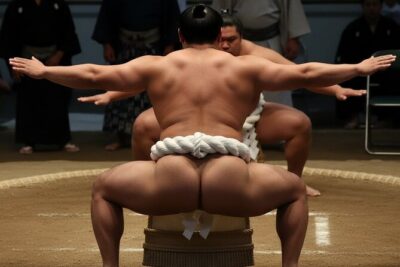
The ring is a real sumo ring set in the restaurant. That makes the show feel more immediate than a stage performance, especially from the sofa seats near the front.
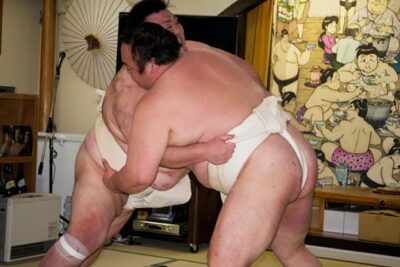
The retired wrestlers demonstrate training techniques and then perform dynamic bouts. These are experienced sumo performers, but this is still an entertainment program rather than an official tournament. The action is presented for an international audience, with humor and audience interaction built into the format.
That distinction matters. If your goal is to observe current wrestlers during serious morning training, this is not the right choice. You should look for a separate active-stable training visit. If you want a clear, approachable introduction with food, jokes, and a chance to participate, this format is much easier for a first visit.
The wrestlers are a major part of the evening’s appeal. They make room for questions, pose for pictures, and draw shy people into the fun without demanding that everyone participate. The mood is playful, not intimidating.
More sumo tours with a meal in Tokyo:
- Tokyo Sumo Experience: Chanko & Mochi with a Former Pro
★ 4.8 · 567 reviews - Tokyo: Sumo Experience and Chanko Nabe Lunch
★ 4.8 · 257 reviews - Tokyo: Family Sumo Workshop & Live Wrestling Show with Lunch
★ 4.9 · 99 reviews - Tokyo: Authentic Sumo Wrestling Experience with Lunch
★ 4.9 · 88 reviews
The sumo challenge is the evening’s boldest moment
At one point, you can volunteer to enter the ring and test your strength against a wrestler. It is a memorable photo opportunity and often the funniest part of the evening, especially when a teenager or child steps forward.
There is an important limitation: the number of challengers is fixed for each performance. If too many people want a turn, participants are selected by lottery. You should treat the challenge as a possibility, not a guaranteed part of your booking.
The activity is presented as a friendly contest, so you do not need wrestling experience. The humor comes from the size and skill difference, along with the courage it takes to step into the ring in front of everyone. If you are traveling alone, staff can help take pictures during your turn.
Children can take part in the fun, but babies under one year are not suitable for this activity. Families with older children and teenagers are likely to get the most from the interactive parts.
What you eat: wagyu, chanko nabe, and matcha
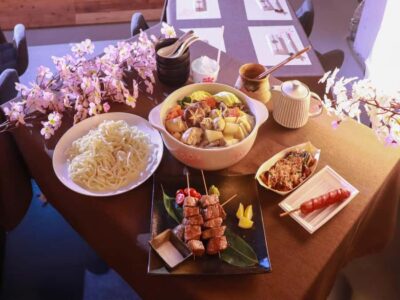
The standard meal includes a sukiyaki bento made with Japanese A5 rank wagyu beef, chanko nabe, and matcha dessert. The meal is substantial, and the combination fits the subject well: chanko is the hearty hot-pot food associated with sumo wrestlers, while sukiyaki gives the dinner a more polished restaurant feel.
The wagyu is the luxury element. A5 is a high grade of Japanese beef, known for its marbling, and it adds real weight to the price of the experience. The chanko hot pot gives you something warmer and more filling than a small tasting plate.
A few points are worth knowing. One diner found the food needed to be hotter, while other meals were described as delicious and beautifully presented. Food quality can vary slightly with serving temperature, so do not expect every course to arrive piping hot at exactly the same time.
Business and First Class include tempura as an added course. All seating categories receive the main meal and matcha dessert, but the better categories give you more food as well as better drinks and seating.
Vegetarian and vegan meals can be arranged only if requested at least two days before the reservation date. If you wait until the day of the show, a regular meal will be prepared. Gluten-free and halal meals are not available, though you may bring your own food if needed.
Choosing between Standard, Business, and First Class
The base price is listed at about $103 per person, but the seating category affects the overall value. You should compare what you actually want to use, especially if drinks matter to you.
Standard table seats include:
- Sukiyaki meal
- Chanko hot pot
- Matcha dessert
- One complimentary drink
- Clear views of the performance
This is the sensible choice if you mainly want the show and meal. You can buy additional drinks, but the included beverage is limited.
Business sofa seats add:
- More spacious sofa seating
- Sukiyaki meal
- Tempura
- Chanko hot pot
- Unlimited drinks
The Business category is a strong middle choice for an evening centered on dinner and conversation. Several people considered it worth the extra cost because the food and unlimited drinks changed the value of the night. If you plan to enjoy beer, sake, whisky, or soft drinks during the show, the free-bar arrangement may justify the upgrade.
First Class front-row sofa seats include:
- The closest view of the ring
- Sukiyaki meal
- Tempura
- Chanko hot pot
- Unlimited drinks
- Premium Japanese whisky, including Yamazaki
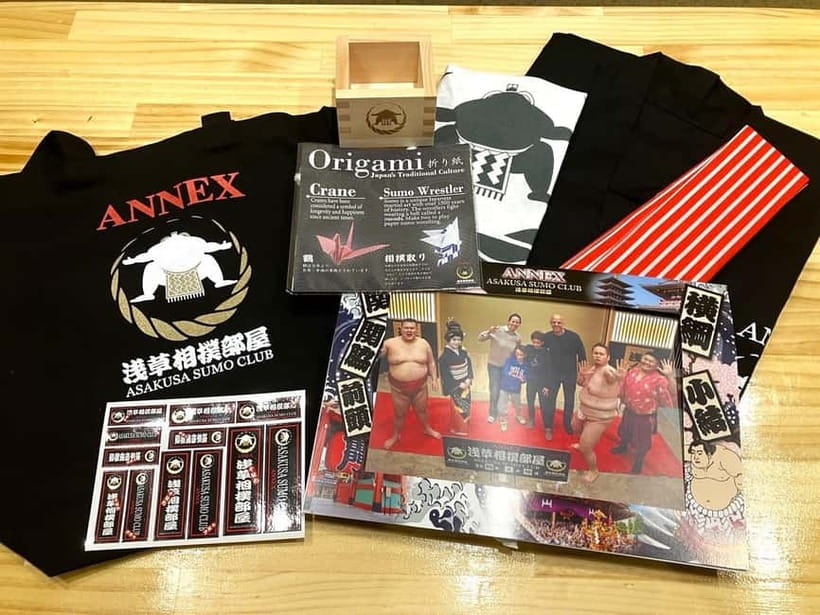
- An exclusive souvenir set with a happi coat
First Class is aimed at people who want the most direct view and intend to make the meal and drinks part of the occasion. It costs more, but the premium whisky, front-row position, and additional gifts are tangible extras rather than vague luxury claims.
The show itself remains the key attraction in every category. A Standard seat does not turn the performance into a lesser version, though your distance from the ring and beverage allowance will differ.
Drinks and the value of the evening
The drink selection includes Japanese whisky, draft beer, sake, and soft drinks. Standard includes one drink, while Business and First Class offer unlimited drinks. First Class includes premium Yamazaki whisky as part of that allowance.
At $103, the experience is not a cheap meal with a free performance attached. You are paying for a two-hour hosted program, wrestlers, the geisha dance, food, drink access depending on the seat, photos, and souvenirs.
The value is strongest if you want several parts at once: a cultural introduction, a lively dinner, audience participation, and a keepsake to take home. It is weaker if you do not drink, dislike staged entertainment, or only want to watch serious sumo.
The food is reported as good to excellent, but the show and staff are the reason the experience earns its price. The wrestlers, MC, servers, and photographers all have a role in keeping the program moving and helping solo visitors or families feel included.
Photos, souvenirs, and the final moments
After the bouts, you receive a printed commemorative photo with the wrestlers. Staff also help with additional pictures and filming, which is useful if you are taking part in the challenge or want a full group shot.
The souvenirs vary by seating level and season. Standard, Business, and First Class do not receive exactly the same set, and seasonal changes may affect the items. First Class includes a special souvenir set with a happi coat, while other categories receive their own gifts.
The photo element gives the evening a clear finish. You are not simply leaving after dinner with memories on your phone. You have a printed image and a souvenir tied to the performance.
Who will enjoy this most?
I would recommend this for first-time visitors to Japan who want a simple explanation of sumo without studying the sport beforehand. It also works well for families because children can ask questions, watch the wrestlers up close, and possibly join the ring challenge.
Couples get a lively dinner with plenty of photo opportunities, while solo visitors are likely to be included through the questions and interactive demonstrations. A late time slot on a weekday may feel quieter, which can give you more direct attention from the staff.
This is less suitable for a serious sumo fan seeking official competition or an active stable visit. It is also not suitable for wheelchair users because of stairs. Babies under one year are not permitted, and seating may be shared with other people.
You can cancel up to 24 hours before the activity for a full refund, and reserve now while paying later. Check the available starting times, since the show lasts two hours and different time slots may fit your Asakusa plans better.
Should you book the Asakusa Sumo Club Annex?
Book it if you want a polished, funny, highly interactive introduction to sumo rather than a quiet cultural lecture. The combination of geisha dance, bilingual explanations, live bouts, a hearty Japanese meal, and a possible turn in the ring gives you a full evening rather than a single performance.
Choose Standard if you want to control the cost. Choose Business if unlimited drinks, tempura, and sofa seating matter. Choose First Class only if front-row access, premium whisky, and the larger souvenir package are important to you.
Do not book it expecting an active sumo stable or a formal tournament. Book it for the laughter, clear explanations, close-up action, and the chance to leave Asakusa with a printed photo and a story worth telling.
FAQ
How long does the sumo show experience last?
The experience lasts two hours.
Where is the meeting point?
The meeting point is along Asakusa Kokusai Street, next to Matsuya Restaurant.
Is the commentary available in English?
Yes. Live commentary is provided in both English and Japanese throughout the show.
What food is included?
The meal includes Japanese A5 wagyu beef sukiyaki, chanko nabe hot pot, and matcha dessert. Tempura is also included with Business and First Class seating.
Are vegetarian or vegan meals available?
Yes, but you must request a vegetarian or vegan meal at least two days before the reservation date. Requests made on the day cannot be accommodated.
Can I join the sumo challenge?
You can volunteer to join the challenge, but places are limited. If too many people want to participate, the final challengers are selected by lottery.
Is this a visit to an active sumo stable?
No. The show is performed by retired sumo wrestlers for entertainment. It is different from a serious early-morning training visit to an active stable.
Is the venue wheelchair accessible?
No. The venue has stairs and is not wheelchair accessible.
More private sumo experiences in Tokyo
- Tokyo: Exclusive Access to Sumo Morning Practice with Photos
★ 4.8 · 107 reviews - Tokyo Sumo Morning Practice: Viewing & Exclusive Interaction
★ 4.9 · 74 reviews - Exclusive Sumo Morning Practice in Tokyo with Photo Opportunity
★ 5.0 · 68 reviews - Tokyo Sumo Morning Practice: Viewing & Exclusive Interaction
★ 4.5 · 59 reviews
Newest sumo experiences in Tokyo
- Tokyo Sumo History Tour with Chanko Nabe Lunch★ 5.0 · 3 reviews
- Tokyo Highlights Tour: Sumo, Sushi, Tea, and Tokyo Tower★ 5.0 · 2 reviews
- Tokyo: Know about Hokusai and Sumo culture in 2.5 hours★ 5.0 · 2 reviews
- TOKYO , No1 Yokozuna Stable Morning Practice in Ryogoku★ 4.5 · 3 reviews
- Tokyo 6hr Private Guided Tour & Sumo Show Lunch★ 5.0 · 3 reviews
- Tokyo Grand Sumo Tournament Viewing Tour★ 5.0 · 2 reviews
- Tokyo: Enjoy Sumo match and know about it! [Ticket included]★ 4.4 · 7 reviews
- Complete Sumo Experience in Tokyo★ 4.5 · 3 reviews
Sumo Shows, compared.
Sumo Show Experience with Chicken Hot Pot and a Photo
Read our review →
Tokyo Shinjuku Sumo Show & Experience with Photo
Read our review →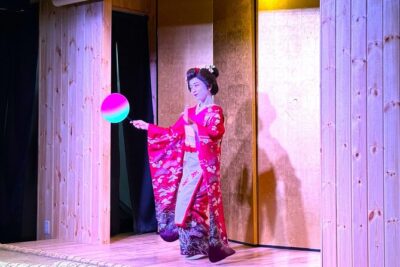
Tokyo Sumo Entertainment Show with Chicken Hot Pot and Photo
Read our review →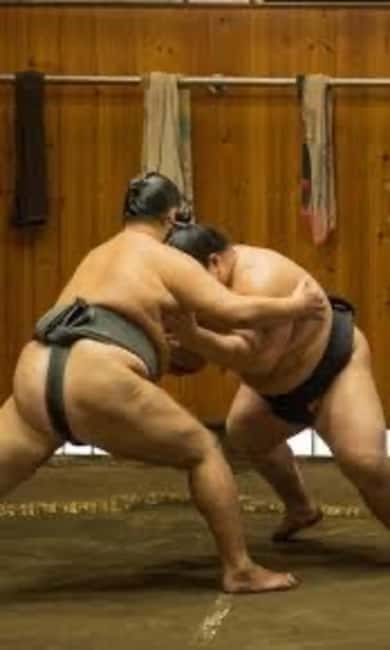
Sumo Show & Experience w/ Optional Kimono & Hot Pot
Read our review →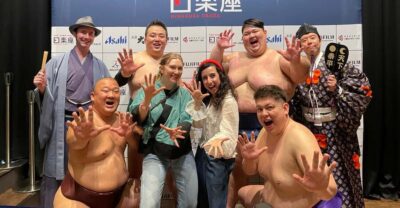
Sumo Stage Show with Bento or Snack + Fight & Photo
Read our review →Browse the lists this tour appears in