
REVIEW · SUMO STABLE VISITS
Tokyo: Sumo Morning Practice Viewing Tour at a Real Stable
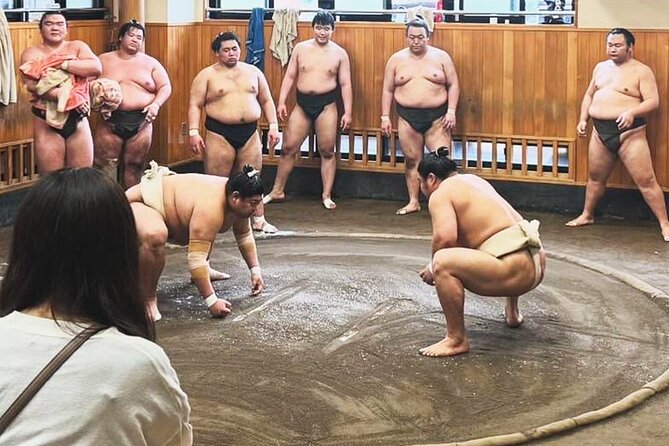
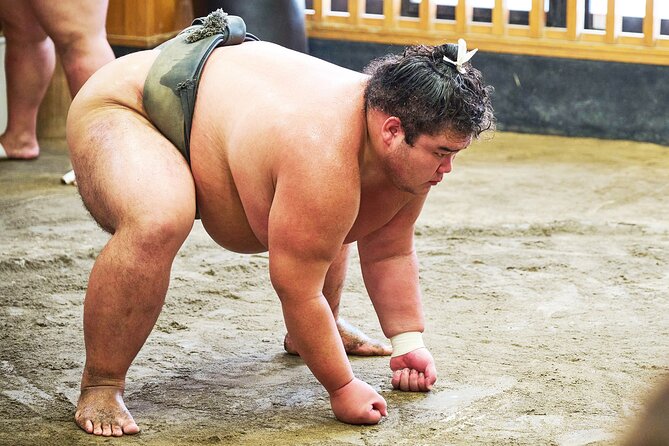
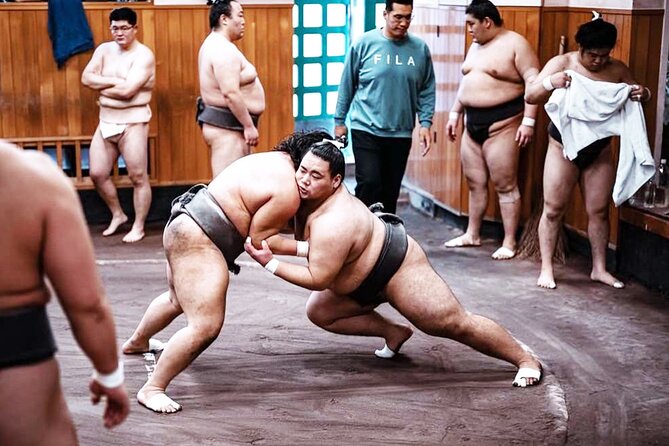
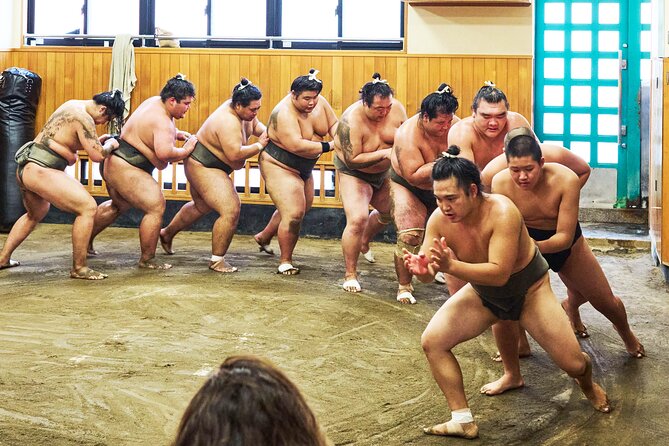
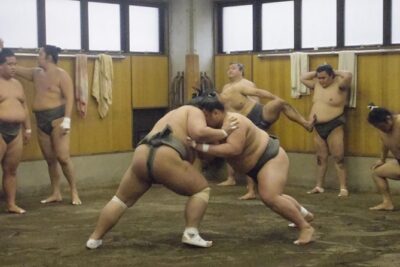
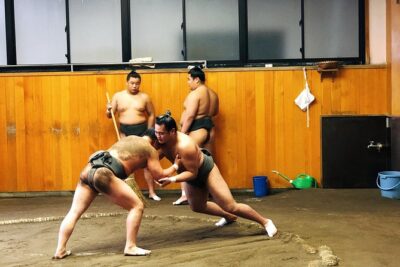
The most unusual part of this Tokyo experience is that you are not watching a staged demonstration or a tournament match. You sit quietly inside a working sumo stable and watch wrestlers train at close range, with the hard breathing, repeated drills, and strict concentration that practice demands.
I like two things in particular. First, the guide gives you the cultural background that makes the session easier to understand. Second, the visit stays focused on real training, with a chance for photos with wrestlers afterward when possible. The main consideration is the silence: you must watch respectfully and cannot treat the stable like a noisy sightseeing stop.
Key points at a glance
- Real morning practice: Watch wrestlers train inside an active sumo stable rather than attending a staged show.
- About 90 minutes of observation: The practice session gives you enough time to see repeated drills and training routines without taking up your whole morning.
- Guides such as Mao and Tomo: They explain sumo rules, rituals, and customs, then help with questions and practical details.
- Quiet viewing is essential: You must remain silent during training, so this suits visitors who can sit still and pay attention.
- Possible photo opportunity: You may have the chance to take photos with sumo wrestlers after the session.
- Simple Tokyo meeting point: Meet at Kiyosumi-shirakawa Station at 8:30 am and return to the same meeting point when the activity ends.
Why watching practice beats watching only a tournament
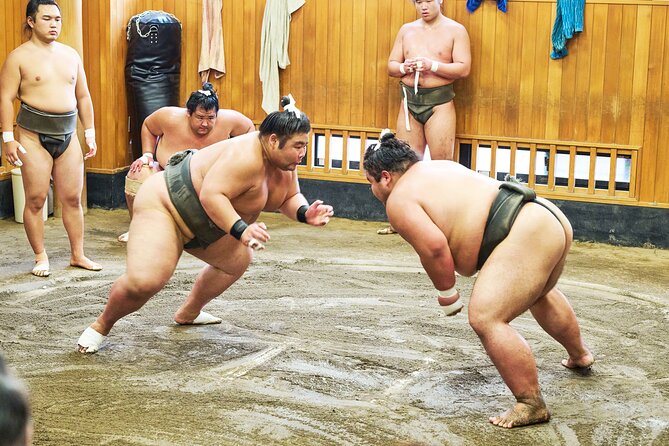
A sumo tournament gives you the excitement of competition, but it does not always show how wrestlers prepare for it. This morning visit offers a different window. You watch athletes repeat the movements, build strength, and work through drills before any public bout begins.
That difference matters. Practice is less polished and less theatrical than a match, but it can feel more revealing. You are seeing a daily working routine, not a performance arranged for an audience. The training may look intense, repetitive, and highly controlled, which is precisely what makes the visit worthwhile.
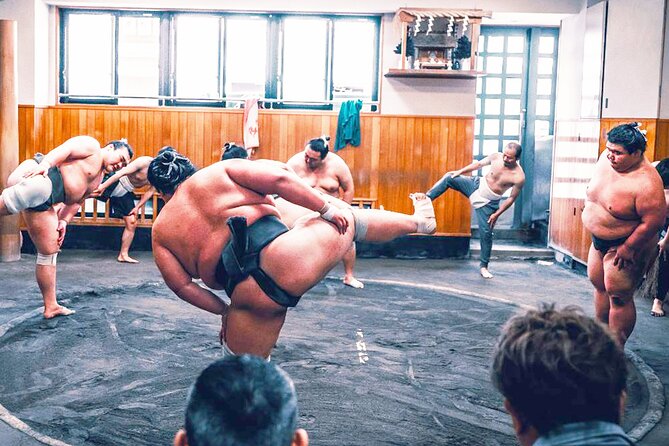
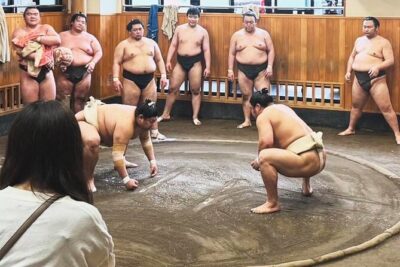
The stable is a real place where wrestlers train. That access is unusual, and it also places limits on your behavior. You are entering an active workplace with its own customs, not a museum exhibit. The guide will help you understand what is happening, but your main job during practice is to watch quietly.
If you need constant narration or a lot of movement, this may feel restrictive. If you enjoy seeing how a sport is built from routine and discipline, the quiet setting gives the experience its force.
More stable visits in Tokyo:
- Tokyo Sumo Morning Practice Tour at Stable
★ 5.0 · 298 reviews - Watch Sumo Morning Practice at Stable in Tokyo
★ 4.0 · 268 reviews - Tokyo: Sumo Morning Practice Viewing Tour at a Real Stable
★ 4.9 · 32 reviews
Meeting at Kiyosumi-shirakawa at 8:30 am
The meeting point is outside Kiyosumi-shirakawa Station at 1-chome-6-13 Shirakawa in Koto City. The start time is 8:30 am, so you need to plan an early Tokyo morning rather than adding this casually after breakfast.
Your guide from Local Guide Stars meets you there and leads the group to the stable. Guides named in the available information include Mao and Tomo. Their role is important because the activity is not simply a ticket to enter and watch. They explain where to go, prepare you for the stable’s rules, and help you understand what you are seeing.
This meeting arrangement is also useful if you are unsure how to approach a sumo stable on your own. The activity is near public transportation, and the tour ends back at the original meeting point. That makes it easier to continue with your Tokyo plans afterward.
The stated maximum is 50 people. That is a fairly large upper limit for an experience built around quiet observation. The actual feel may depend on the group size on your date, but you should not assume a private or tiny visit. A larger group can make the stable feel less intimate, even though the access itself remains unusual.
Inside the stable, silence changes the experience
Before training begins, your guide explains the basic rules and traditions of sumo. This preparation is valuable because the practice can be difficult to follow if you know nothing about the sport. You may see movements that look repetitive at first, but the explanations give them a purpose.
During the session, silence is a central rule. One especially useful arrangement described for the tour is a WhatsApp group that lets you send questions to Mao without speaking while the wrestlers train. That solves a practical problem: you can keep learning without interrupting the room.
You should treat the quiet as part of the experience, not an inconvenience. Sumo practice depends on concentration, and a room full of chatting visitors would change the setting completely. The silence also makes small sounds more noticeable, from footwork to breathing to the impact of movement.
This format may be challenging for families with very young children or anyone who finds it hard to remain still. One family account describes even energetic children settling down once the quiet rule was explained, but you should judge your own group honestly. The stable requires patience from everyone.
What the roughly 90-minute practice session offers
The full activity lasts about two hours, while the practice viewing itself is described as roughly one hour and 30 minutes. That is a useful balance. You get enough time to see the training develop, but the visit does not consume an entire day.
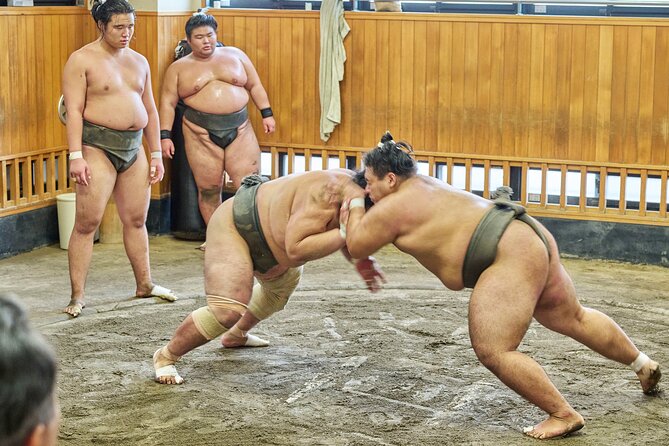
The practice is not a single bout with a clear winner. Instead, you watch a series of training actions and routines. Your guide can explain the rules and rituals as you go, helping you distinguish between preparation, drills, and more forceful practice.
Because this is an authentic session, the exact content may vary. You should not expect a fixed show with a guaranteed sequence. That uncertainty is part of the value, but it also means the experience may not deliver the same visual highlights every morning.
The close viewing position is the main draw. You are not relying on a distant screen or trying to understand the action from the back row of a stadium. You get a direct look at the athletes as they train. The setting lets you notice the physical scale and effort of sumo in a way that a quick television clip cannot match.
Bring your attention, not a long list of expectations. The best approach is to let the guide provide context while you observe the room and the wrestlers’ routine.
More morning practice tours in Tokyo:
- Tokyo: Sumo Morning Practice Viewing Tour
★ 4.8 · 570 reviews - Tokyo: Sumo Morning Training Visit
★ 4.4 · 370 reviews - Tokyo: Visit Sumo Morning Practice with English Guide
★ 4.7 · 343 reviews - Tokyo: Sumo Morning Practice Tour at Sumida City
★ 4.8 · 308 reviews
Learning the rules without doing homework first
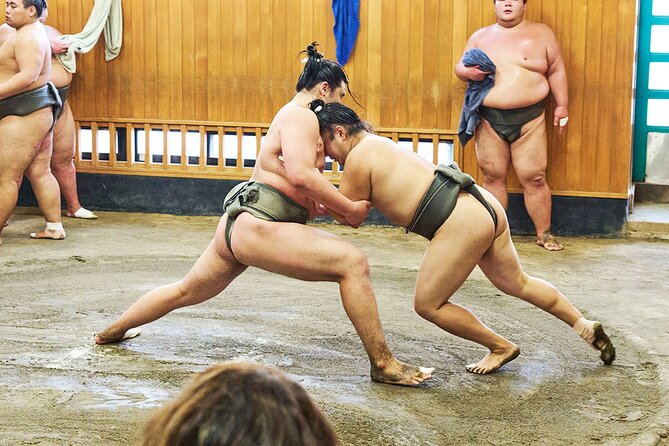
Sumo has its own vocabulary, gestures, rituals, and contest structure. If you arrive with no background, it can be hard to know what matters. This tour is designed to remove that barrier.
The guide explains sumo rules, rituals, and traditions, so you do not need to research the sport before arriving. That makes the visit a good choice for first-time sumo viewers, especially if you want cultural context rather than a simple photo stop.
Tomo is praised for answering questions and offering extra Tokyo food suggestions, while Mao is described as providing strong information and using WhatsApp during the silent portion. These details point to an important strength of the experience: the guide is not just there to lead you from the station to the stable. The guide shapes how much you understand.
Still, you should remember that explanations may be limited during active practice because of the no-talking rule. Ask questions before training begins, send them through the group if that option is used, and save anything non-urgent for afterward.
Photos with wrestlers, handled with respect
A photo opportunity with sumo wrestlers is included among the main features, but it should not be treated as the entire point of the visit. The stable is a working environment first. Photo timing and availability can depend on what is happening that morning.
This is where good manners matter. Follow your guide’s instructions, wait for the appropriate moment, and avoid turning the practice into a personal photo session. The chance to take a picture is a pleasant addition after watching the training, but the strongest part of the experience is the access to the practice itself.
If you are booking mainly to pose with a wrestler, keep your expectations measured. The information promises an opportunity, not a guaranteed individual photo under specific conditions. If you are booking to see real training and would also enjoy a photo, the experience makes more sense.
Is the $118.92 price a fair deal?
At $118.92 per person, this is not a low-cost morning activity. You are paying for access that is difficult to arrange independently, a guide who explains the setting, and a rare chance to observe a working stable.
The value depends on what you want from Tokyo. If you only want a quick sumo-themed photo, the price may feel high. If you care about Japanese sports culture and want a close look at training that most visitors cannot arrange easily, the cost is easier to justify.
The roughly two-hour schedule also has practical value. You can spend the rest of the day on other Tokyo sights rather than giving up a full day for a single attraction. The meeting point is near public transportation, and the tour returns you there, which helps with planning.
A maximum group of 50 does temper the value a little. This is not advertised as a private experience, and a larger group could make the visit feel less personal. Still, the stable access and specialist guidance are the parts that set it apart from simply watching sumo online or buying a tournament ticket without any explanation.
Who will get the most from this morning visit?
I would recommend this for first-time sumo viewers who want the rules explained as they watch. It also suits sports fans who prefer training environments to polished competitions, and culture-focused visitors who want to see a real daily practice rather than a tourist performance.
Families can enjoy it if everyone understands the silence requirement. The early start may be harder for some children, but the quiet format can work well when expectations are clear. The activity is described as suitable for most people, so it does not require a specialist level of fitness or prior knowledge.
You may want to skip it if you need a flexible start time, dislike quiet observation, or want a guaranteed tournament bout. The session is practice, not a public match, and the experience depends on respecting the stable’s routine.
It is also not the best choice for someone who wants constant movement or a long list of included sights. The activity has one clear purpose: watch sumo training and understand what you are seeing.
Practical details before you book
Confirmation is provided when you book, and the experience uses a mobile ticket. Keep the ticket available on your phone and arrive at the stated meeting point before 8:30 am. The guide needs to gather the group and lead everyone onward, so arriving late could be disruptive.
Wear something comfortable for a morning outing, but the supplied information does not specify a dress code or seating arrangement. Follow the guide’s instructions once you reach the stable, particularly about silence and photography.
The activity ends at the original meeting point. That is convenient if you want to continue around Koto City or connect to another part of Tokyo, though you should allow some margin in your day because the duration is approximate.
Most people can participate, but the information does not provide detailed accessibility notes. If you have a specific mobility or access concern, contact the provider before booking rather than relying on the general participation statement.
Free cancellation is available up to 24 hours before the local start time for a full refund. Cancellations or changes made less than 24 hours before the start are not accepted for a refund, so check your Tokyo schedule carefully.
What makes this different from a sumo show
A staged sumo demonstration can be easier to follow and more predictable. This visit gives you the opposite: a real workplace, a quiet room, and training that is not arranged as entertainment.
That authenticity is its strongest feature and its main limitation. You gain a closer look at the athletes’ routine, but you lose the clear structure of a public performance. You may not know exactly what will happen next, and you must accept the stable’s rules.
I like that trade-off. Tokyo offers plenty of polished attractions, but a morning spent quietly watching a sport being practiced can leave a stronger impression than another fast-moving photo stop. You see discipline, repetition, and the culture around the sport rather than only the final contest.
The guide keeps the experience from becoming confusing. Without explanations from Mao, Tomo, or another guide, a first visit could pass in a blur of unfamiliar movements. With context, you can pay attention to what the wrestlers are doing and why the routine matters.
Should you book the Tokyo sumo practice tour?
Book it if you want real training rather than a staged show, can arrive at Kiyosumi-shirakawa Station by 8:30 am, and are willing to remain quiet for about 90 minutes. The guide support, cultural explanation, and possible wrestler photos add useful value to rare stable access.
Think twice if the $118.92 price stretches your budget, if you expect a tournament match, or if your group cannot sit quietly. For the right visitor, this is one of Tokyo’s more distinctive morning activities, offering a direct look at sumo as a demanding daily practice rather than a distant spectacle.
FAQ
Where does the sumo practice tour meet?
The meeting point is Kiyosumi-shirakawa Station at 1-chome-6-13 Shirakawa, Koto City, Tokyo 135-0021, Japan.
What time does the tour start?
The tour starts at 8:30 am.
How long does the experience last?
The activity lasts approximately two hours. The sumo practice viewing itself is described as lasting about one hour and 30 minutes.
Is this a tournament match or a training session?
It is a morning training session at a real working sumo stable, not a tournament match or staged performance.
Can I take photos with sumo wrestlers?
The experience includes an opportunity to take photos with sumo wrestlers. Photo timing and availability follow the stable’s rules and the guide’s instructions.
What happens if I need to cancel?
You can cancel up to 24 hours before the local start time for a full refund. Cancellations or changes made less than 24 hours before the start are not accepted for a refund.
Newest sumo experiences in Tokyo
- Tokyo: Know about Hokusai and Sumo culture in 2.5 hours★ 5.0 · 2 reviews
- TOKYO , No1 Yokozuna Stable Morning Practice in Ryogoku★ 4.5 · 3 reviews
- Tokyo 6hr Private Guided Tour & Sumo Show Lunch★ 5.0 · 3 reviews
- Tokyo Grand Sumo Tournament Viewing Tour★ 5.0 · 2 reviews
- Tokyo Sumo History Tour with Chanko Nabe Lunch★ 5.0 · 3 reviews
- Tokyo Highlights Tour: Sumo, Sushi, Tea, and Tokyo Tower★ 5.0 · 2 reviews
- The SUMO Show & Experience with Hot pot lunch★ 5.0 · 4 reviews
- Tokyo: Sumo Keiko Training Tour with Audio Guide & Photo★ 4.8 · 5 reviews
Sumo Stable Visits, compared.
Sumo Morning Practice Viewing Tour at a Real Stable
Read our review →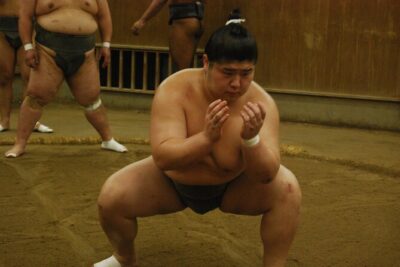
Sumo Morning Practice -Stable Visit Tour with a Guide
Read our review →Sumo Morning Practice -Stable Visit Tour with a Guide
Read our review →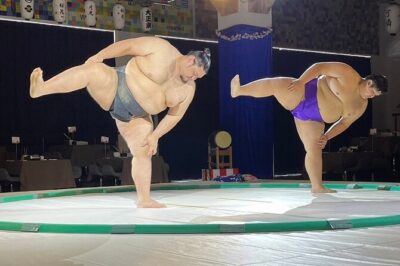
Up-Close Sumo Experience at Ochi Stable: Wear Kimono in Osaka
Read our review →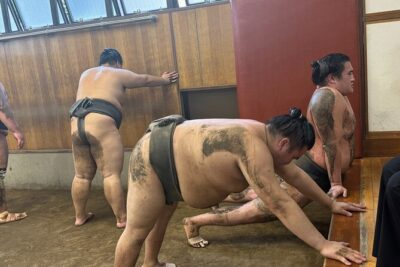
Browse the lists this tour appears in