
REVIEW · SUMO MORNING PRACTICE TOURS
Tokyo: Sumo Morning Training Visit
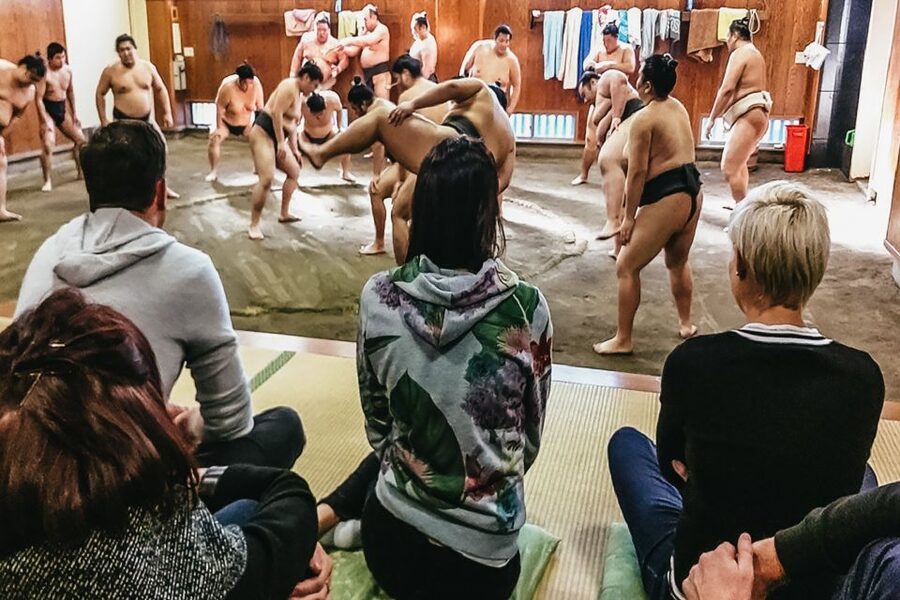
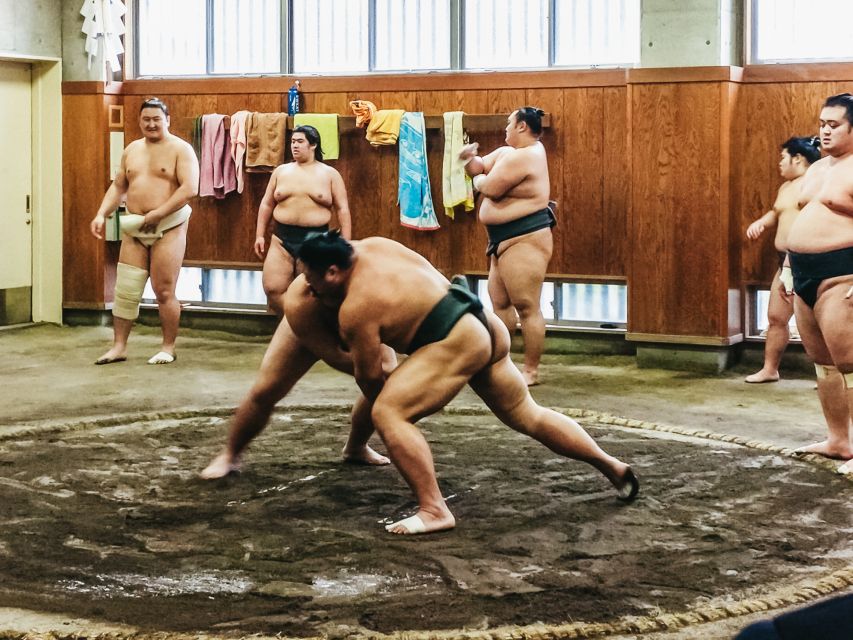
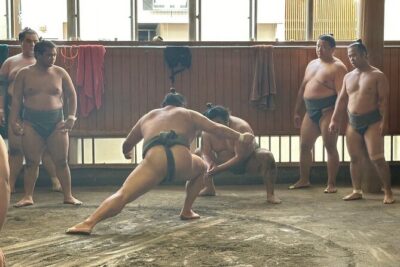
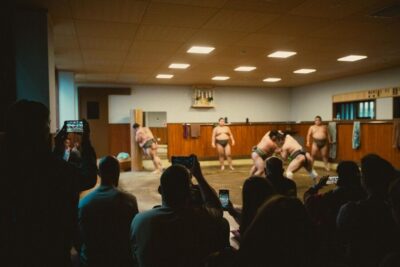
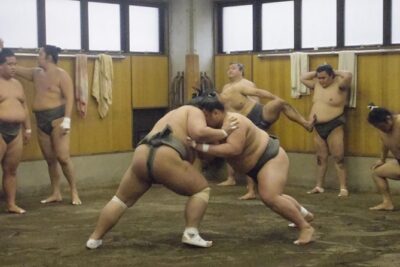
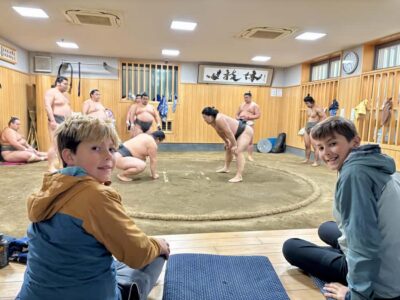
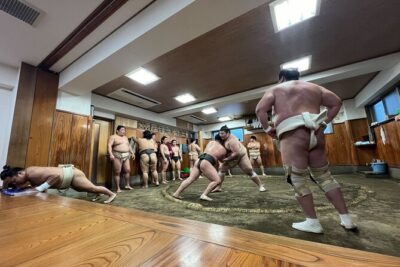
Professional wrestlers train only a few feet away in this rare look inside a working sumo stable. You see the warmups, repeated drills, pushing exercises, and sometimes hard sparring, not a polished stage show. The sound of two huge athletes hitting the clay is something you will remember.
I like the authentic setting and the chance to take a group photo with the wrestlers afterward. I also like the price: at $77, it can cost less than a tournament ticket while putting you much closer to the action. The main drawback is that this is a quiet, floor-seated visit with little explanation, and the meeting place is confirmed only a few days before you go.
Key points before you book
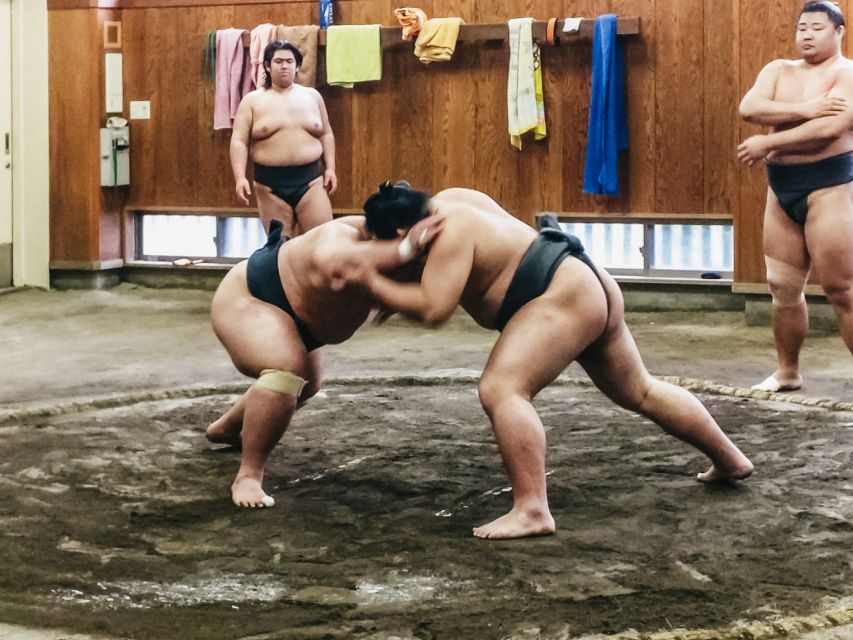
- Training, not a performance: You watch real morning practice, so the pace, intensity, and amount of sparring can vary.
- The location arrives late: Your stable and meeting instructions are normally sent by email about three days before the visit.
- Sit still and stay silent: Food, drinks, loud talking, flash photography, and video without permission are not allowed.
- Timing can change: Sessions often last about 60 minutes, but some run 90 minutes to 2 hours. During January, May, and September tournament periods, practice may last only 30 minutes.
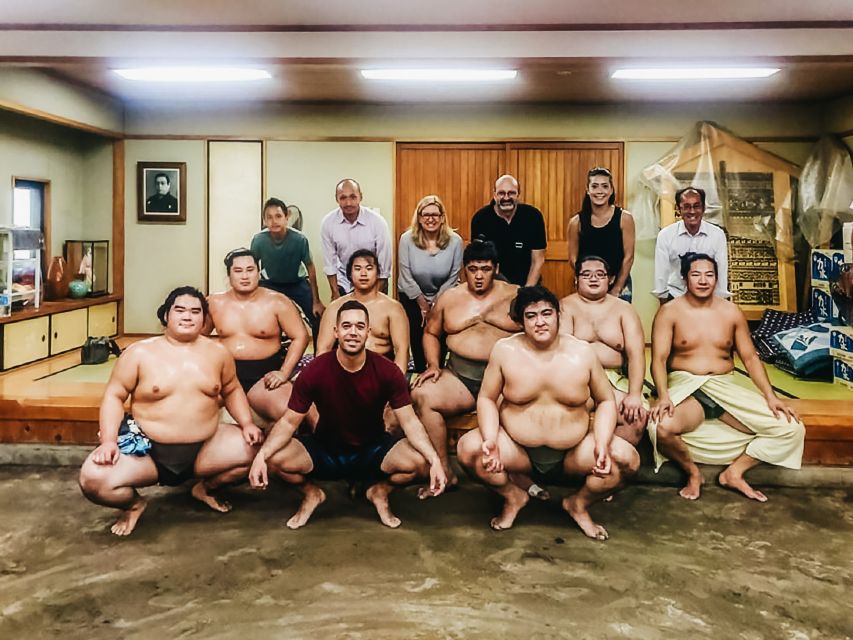
- The photo comes at the end: Leaving early means you will not receive the group picture.
- A strong value for close-up access: At $77, this suits you if seeing sumo up close matters more than a full tournament match.
Inside a Tokyo sumo stable
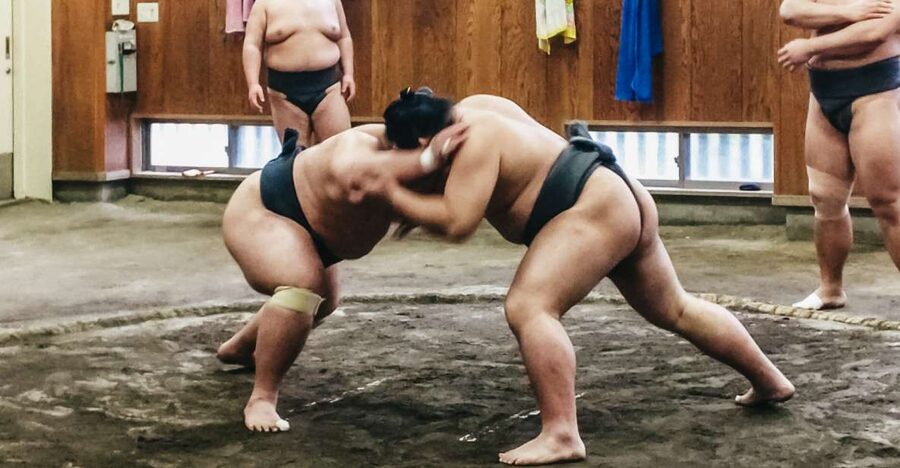
This visit gives you something a tournament seat cannot: a close view of the work behind the bouts. You are not watching wrestlers enter a ring for a ceremonial contest. You are watching athletes repeat movements, test balance, push one another, and prepare their bodies for competition.
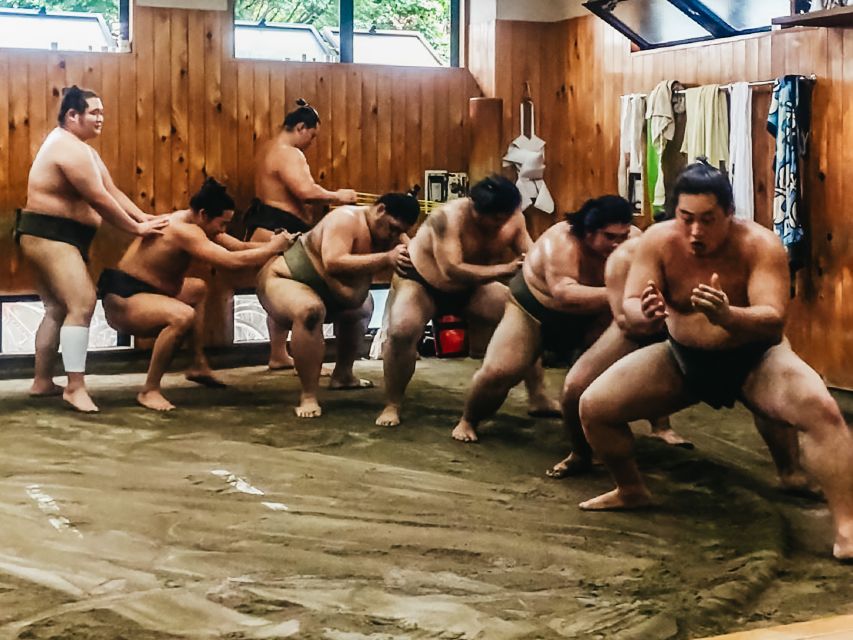
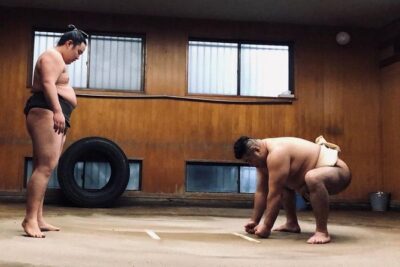
The stable is the wrestlers’ training home, so the setting feels functional rather than theatrical. That is part of the appeal. You may see warmups, stretching, footwork, strength drills, and practice bouts. The routine can look slow at first, then suddenly turn explosive when two wrestlers collide.
At close range, sumo is not just about size. You can see how quickly the wrestlers move, how they keep their balance, and how much force goes into each push. Several people who found the session memorable focused on the mix of power, speed, and technique. Even without a detailed explanation, the physical work tells its own story.
The visit normally lasts about one hour according to the advertised schedule. In practice, sessions have sometimes continued for 90 minutes or two hours. That longer format is good news if you want to see more training, but it makes the seating rules more important. You may need to remain in one position for a long stretch without eating, drinking, or talking.
More morning practice tours in Tokyo:
- Tokyo: Sumo Morning Practice Viewing Tour
★ 4.8 · 570 reviews - Tokyo: Visit Sumo Morning Practice with English Guide
★ 4.7 · 343 reviews - Tokyo: Sumo Morning Practice Tour at Sumida City
★ 4.8 · 308 reviews
What the morning session actually looks like
You meet the host or English-speaking greeter outside the stable, then enter only with the guide. Do not go inside early, ring the doorbell, or enter on your own. Check-in begins at the stated meeting time, and the confirmed instructions matter more than the location shown on a general map.
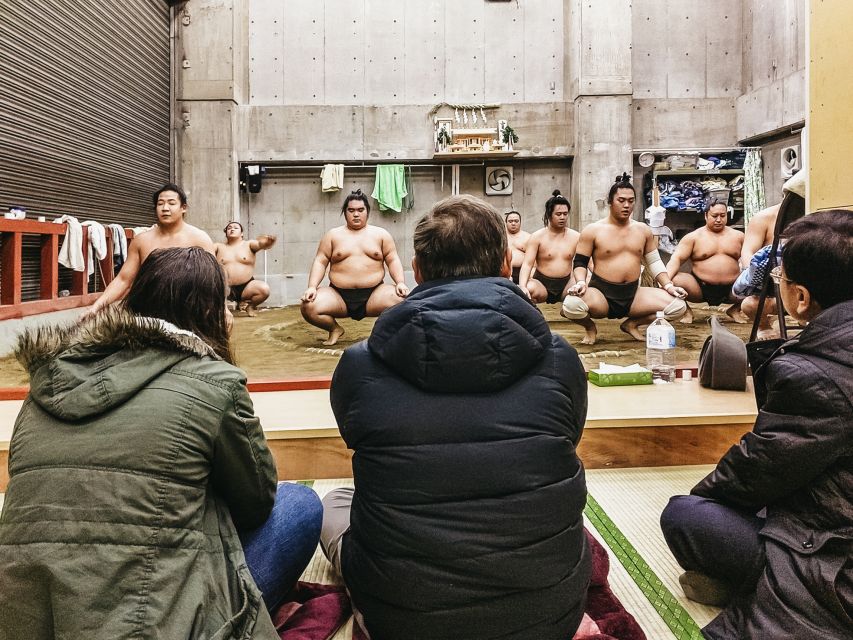
Once seated, you watch the practice area from the available viewing position. Seating is free, so arriving late can put you in the back. From there, people in front may block part of your view. Arriving on time is not only polite, it gives you a better chance of seeing the drills clearly.
The session may begin with warmups and repeated exercises. Later, the wrestlers can work against one another, practicing pressure, balance, and movement. Some sessions include vigorous sparring. Others may be calmer, with more time spent on technique and conditioning.
That unpredictability is important. You are paying to see a real training session, not a guaranteed sequence of matches. One morning might offer dramatic collisions, while another may show more controlled practice. The program can also change if the wrestlers’ condition requires it.
During Tokyo’s Grand Sumo Tournament months, January, May, and September, training may last only about 30 minutes. The shorter session does not bring a refund. If your main goal is to watch wrestlers compete at full length, you should consider buying a tournament ticket instead. If your goal is to see the athletes close up, this visit still offers something a stadium seat cannot.
The quiet rules are part of the experience
A sumo stable is not a tourist theater, and the etiquette is strict. You need to keep your voice low, silence your phone, and avoid movements that distract the wrestlers. Flash photography is forbidden, and video is allowed only with prior permission.
You also need to keep your feet pointed away from the training area and avoid leaning on walls. The rules may feel formal, but they help protect the training session from becoming a noisy photo opportunity. This is one reason the experience can feel more authentic than a staged demonstration.
Do not bring food, drinks, luggage, or large bags into the stable. Hats and sunglasses are also not allowed. A face mask or other protective covering is listed as something to bring, so pack one even if you do not expect to need it.
The floor seating is the biggest physical issue. Some people have managed a two-hour session comfortably, while others found the fixed position hard on their knees and hips. If you need a chair, arrange it in advance. Do not assume one will be available at the door.
Families can enjoy this, but think about your child’s ability to sit quietly. Children who can watch without talking may find the wrestlers fascinating. A restless child will have a harder time because you cannot treat the stable like a normal sightseeing stop.
Why the lack of commentary matters
The English host or greeter may handle the meeting and entry without giving a full lesson about sumo. Several visitors found the actual training excellent but wished someone had explained the rituals, gestures, movements, wrestler ranks, diet, and daily routine.
That limitation changes how you should approach the visit. If you already know a little about sumo, you can watch the technique more closely. If you are new to the sport, read a short introduction before arriving or ask your booking contact what background information will be provided.
You may still learn by watching body language. Notice how the wrestlers prepare before practice, how they face one another, and how a small shift in balance can decide a push. The absence of constant narration also lets you hear the rhythm of the session: feet against the floor, bodies meeting, and coaches maintaining order.
Guide service can be uneven. The host is English-speaking, but English ability and involvement may vary. Some visits have included quick help with directions and meeting problems, while others have felt more like a name check and a handout of rules. If you want a guided cultural lesson, this may feel thin. If you mainly want access to the stable, the limited commentary may not trouble you.
More sumo experiences in Tokyo:
- Tokyo: Sumo Show Experience with Chicken Hot Pot and a Photo
★ 4.8 · 6,678 reviews - Tokyo: Sumo Show and Dining Experience
★ 4.8 · 2,742 reviews - the SUMO show
★ 5.0 · 1,960 reviews - Tokyo Shinjuku Sumo Show & Experience with Photo
★ 5.0 · 1,750 reviews
The group photo with the wrestlers
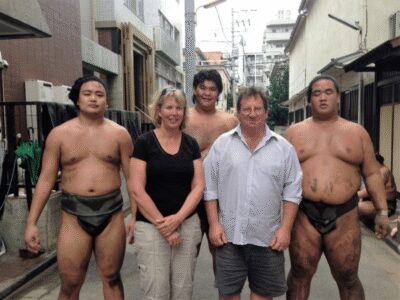
At the end, you get a group photograph with the wrestlers. This is a simple but valuable finish, since it gives you a keepsake from a place most visitors cannot enter.
The photograph is not guaranteed if you leave before the session ends. Keep that in mind if you have a train, breakfast booking, or another morning appointment. The training may run longer than the advertised one-hour schedule, and you should leave enough space in your morning.
The photo also depends on following the stable’s rules. Do not rush toward the wrestlers or treat the closing moment as a chance for unrestricted personal photographs. Flash is not allowed, and video requires permission.
Meeting instructions need careful attention
The meeting point is not fixed in advance on the general booking page. The exact stable and directions are normally confirmed by email two to three days before the date. The map shown during booking may display a different location, so do not rely on it.
Check both the final email and the voucher. The voucher should identify the stable you need, while the later message supplies the actual meeting instructions. If you arrive early, wait outside and do not ring the bell or enter.
This late confirmation is the visit’s most awkward planning feature. You cannot fully map out the route until close to the date, and a wrong address can make you miss part of the training. Read the message carefully and allow extra travel time. If you have trouble, use the contact number in the confirmation email.
All stables are within Tokyo, but a specific stable request cannot be accommodated. You go where the operating schedule sends you. That is a fair trade for access to a real training stable, but it means you should keep your morning flexible.
Optional hotel transfer, with strict limits
A one-way hotel transfer may be available for an extra charge. Pickup must be inside Tokyo’s 23 wards, and the vehicle can take up to four passengers. The driver speaks Japanese, not English.
You need to provide the hotel name, check-in date, booking name, and a Japanese mobile number after reserving. The hotel must have a front desk, so an accommodation without reception cannot be used for pickup. The pickup time arrives by email at least one day before the visit.
This option may help if you are worried about finding an unfamiliar stable early in the morning. It is not a full hotel round trip, and missing the pickup by more than 10 minutes counts as a waiver. If you choose it, wait in the lobby and be ready before the stated time.
For most independent visitors, public transport and careful route planning may be enough. The transfer makes more sense for a small group of up to four people who value convenience and accept the Japanese-only driver.
Is $77 good value?
At $77 per person, this is not the cheapest cultural stop in Tokyo. You are paying for controlled access to a private training setting, not for a full morning of entertainment. The value depends on what you want from sumo.
If you want to attend an official tournament, this experience is not a substitute. Tournament days offer competition, ceremony, a large arena, and a much longer event. During January, May, and September, the stable visit can also shrink to around 30 minutes, making a tournament ticket a better choice if matches are your priority.
If you want to see wrestlers close enough to notice their drills, balance, and physical effort, the price is more reasonable. You also receive a group photograph, and the experience is usually less expensive than trying to find a good tournament seat. Several people considered it one of the most memorable parts of their time in Japan because it showed the discipline behind the sport.
The value drops if you expect a lecture, comfortable seating, or a guaranteed series of bouts. You may sit in the back, receive little explanation, or watch a restrained practice rather than hard sparring. Go for access and atmosphere, not a packaged show.
Who should book this morning visit?
I would recommend it to you if you are curious about Japanese sport, enjoy observing real work, and can follow strict etiquette. It is especially good for anyone who wants a close view of sumo without spending a full day at a tournament.
It also suits photographers who can work without flash and without video. The best images may come from watching the action rather than taking many pictures, since the rules keep the session quiet and controlled.
You should think twice if you have serious knee or hip problems, need frequent bathroom breaks, or cannot sit still for a long period. Ask in advance about a chair instead of hoping one will appear. Large bags, food, drinks, and casual movement are not part of this visit.
I would also be cautious if you need a firm schedule. The exact stable arrives only a few days before the date, and the training length can change. Leave room before your next appointment, especially if you hope to stay for the photograph.
Final verdict: book it for access, not a show
Book this experience if your picture of a good morning is sitting quietly a few feet from professional athletes and watching them work without a tourist script. The close view, real training, and final group photo make it a memorable choice for sumo fans and curious first-time visitors.
Skip it if you want guaranteed matches, comfortable seating, or a detailed English lesson from start to finish. For the best chance of enjoying it, read the final meeting email closely, arrive on time, bring a mask, leave your large bag behind, and keep your morning open. At $77, it is a fair buy for genuine access, as long as you understand that the stable sets the pace.
FAQ
How long does the sumo training visit last?
The normal training session lasts about 60 minutes, but some sessions continue for 90 minutes to two hours. During the January, May, and September Tokyo Grand Sumo Tournament periods, training may last only about 30 minutes.
Where is the meeting point?
The exact meeting place depends on the day and is confirmed by email about two to three days before your scheduled date. The general map may show a different location, so follow the final email and voucher instructions.
Can I choose a specific sumo stable?
No. Specific stable requests cannot be accommodated. The assigned stable will be within Tokyo.
Is hotel pickup available?
An optional one-way hotel transfer may be available. Pickup must be within Tokyo’s 23 wards, the vehicle can take up to four passengers, and the hotel must have a front desk. The Japanese-speaking driver does not speak English.
Can I take photographs or videos?
Flash photography is not allowed. Video recording requires prior permission. A group photograph with the wrestlers is included at the end of the visit.
Do I need to sit quietly?
Yes. Loud talking and noise are prohibited, and your phone must be on silent. You should also avoid pointing your feet toward the training area or leaning on the walls.
What happens if I leave early?
You may leave early, but you will not receive the group photograph. Leaving early may also mean missing later parts of the training session.
Newest sumo experiences in Tokyo
- TOKYO , No1 Yokozuna Stable Morning Practice in Ryogoku★ 4.5 · 3 reviews
- Tokyo 6hr Private Guided Tour & Sumo Show Lunch★ 5.0 · 3 reviews
- Tokyo Grand Sumo Tournament Viewing Tour★ 5.0 · 2 reviews
- Tokyo Sumo History Tour with Chanko Nabe Lunch★ 5.0 · 3 reviews
- Tokyo Highlights Tour: Sumo, Sushi, Tea, and Tokyo Tower★ 5.0 · 2 reviews
- Tokyo: Know about Hokusai and Sumo culture in 2.5 hours★ 5.0 · 2 reviews
- Tokyo: Sumo Keiko Training Tour with Audio Guide & Photo★ 4.8 · 5 reviews
- Tokyo: Watching Sumo and Ryogoku Area Walking Tour★ 4.0 · 5 reviews
Sumo Morning Practice Tours, compared.
Tokyo Ryogoku Sumo Morning Practice + Photo Shoot with Wrestlers
Read our review →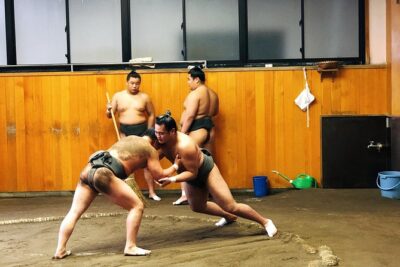
Tokyo Sumo Morning Training/ Sumo Practice with Wrestlers
Read our review →Browse the lists this tour appears in