
REVIEW · TOKYO SUMO TOURS
Authentic Sumo Experience in Tokyo: Enter the Sanctuary
Sumo is best understood from floor level, not just from a stadium seat. This four-hour visit near Kawasaki takes you into a former sumo stable, where you can see the dining room, bath, and practice ring before sitting close to the action. The hands-on lesson turns a formal sport into something you can feel in your legs.
I like the lunch made with the wrestlers, especially the chance to shape chicken dumplings and eat chanko-nabe at a table once used in the stable. I also like the guides’ role: Charlie, Jim, Lily, and Fugi are praised for clear English, friendly explanations, and keeping the mood light. The main consideration is timing: the group starts at 9:30 sharp, and a stable can cancel a few days before the visit.
Key points at a glance
- Enter a former working stable: See the dining room, bath, and training space used by sumo wrestlers until 2022.
- Watch practice from the front: Sit close to the ring for a morning training session rather than a staged show alone.
- Try the movements yourself: Learn sumo exercises and, if you wish, test yourself against a wrestler.
- Share a real sumo meal: Make chicken dumplings and eat chanko-nabe with the wrestlers.
- Travel from Shin-Kawasaki Station: A guide meets you there, with transport to the stable included in the experience.
- Small group format: The maximum is 15 people, which helps keep the demonstrations personal.
Why this sumo visit feels different from a match
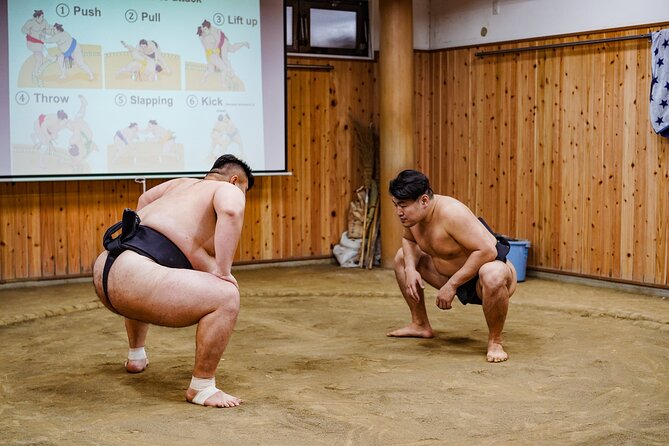
A tournament gives you the spectacle of sumo. This visit gives you the setting and routine behind it. You are not simply watching two large men collide for a few seconds. You learn how the stable functions, where wrestlers eat and bathe, and how repeated drills prepare them for the ring.
The stable was officially used until 2022, so it offers a real connection to sumo life rather than a purpose-built attraction. The room tour is not flashy, and that is part of its value. You see the practical spaces that support the sport, then sit in front of the ring for training.
The experience is in Kawasaki, not central Tokyo. That matters when planning your day. You meet at Shin-Kawasaki Station, at the stated meeting point on Kashimada, and the activity ends back there. Allow about four hours and 10 minutes for the full program, with a 9:30 a.m. start.
More sumo experiences in Tokyo:
- Tokyo: Sumo Show Experience with Chicken Hot Pot and a Photo
★ 4.8 · 6,678 reviews - Tokyo: Sumo Show and Dining Experience
★ 4.8 · 2,742 reviews - the SUMO show
★ 5.0 · 1,960 reviews
Meeting at Shin-Kawasaki at 9:30 a.m.
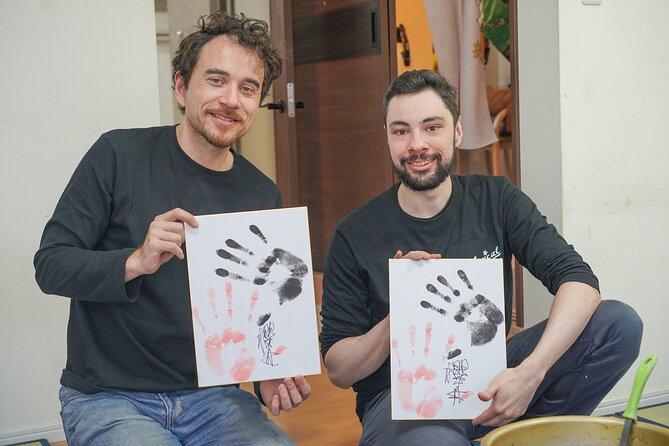
Your day begins at Shin-Kawasaki Station, where the guide meets you and explains the plan. Several guides have been praised for their English and easy manner, including Charlie, Jim, Lily, and Fugi. The guide also provides tour photos, so you can keep your hands free during the activity.
The meeting point is near public transportation, but you should still build in extra time. This tour is strict about punctuality. If you are more than five minutes late without contacting the operator, it is treated as a cancellation, with no refund or date change. That may sound severe, but a sumo stable runs on its own schedule, and a group cannot wait at the station.
A taxi or van transfer to the stable is included in the price. One account describes a comfortable van, while another notes a taxi ride from the station. The exact vehicle may vary, but you should not need to arrange separate transport to the stable.
Leave large suitcases behind. They are not permitted on the tour. A small day bag is the sensible choice, especially in summer, when Kawasaki can be hot and humid. Bring water and a hat, and wear clothes that allow you to move if you plan to join the exercises.
Seeing the dining room, bath, and practice space
At the stable, the guide introduces the customs and daily life of sumo. This part gives you useful context before the physical demonstrations begin. Sumo is tied to old Japanese traditions, and the guide explains how those traditions shape training and stable life.
The room tour includes the dining room, bath, and practice area. These are not separate museum displays. They are working parts of the stable environment, and seeing them together helps you understand how closely training, eating, and communal life fit together.
The dining room becomes especially important later. Lunch is served around a table that was actually used in the sumo room, turning the meal into part of the story rather than an unrelated restaurant stop.
You may also see videos or a presentation during the introduction. One guide was specifically praised for using a well-organized PowerPoint to explain sumo culture and history. The presentation gives first-time visitors a useful base, while long-time sumo fans can focus on the details of stable life and training.
Sitting close to morning practice
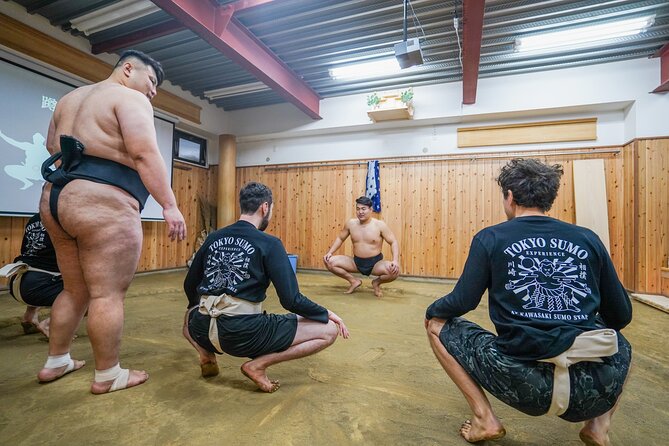
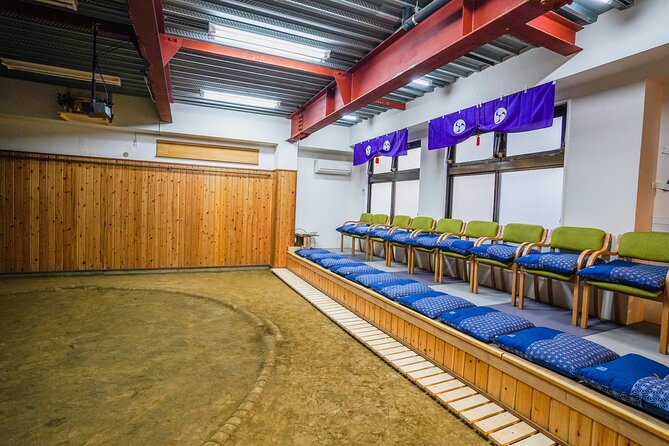
The central viewing session puts you directly in front of the sumo ring. This is where the experience shifts from explanation to action. You see the wrestlers work through demanding movements and drills, with the guide helping you understand what is happening.
Morning practice usually begins around 7 a.m. and can last three to four hours. The scheduled tour start is 9:30 a.m., so the exact portion you see may depend on the stable’s routine and the day’s program. I would not book this expecting a tournament bout with a formal winner. The focus is practice, technique, and the physical work that supports competition.
That difference matters. Training can look repetitive to someone unfamiliar with sumo, but the repetition is the point. You begin to see how stance, balance, leg strength, and controlled pushing all matter. The close distance also makes the effort easy to read.
The stable may cancel unexpectedly a few days to a couple of days before the experience. This is the biggest practical risk. If that happens, the operator offers another date or experience, or a full refund. Avoid scheduling this on the one morning when missing it would spoil your whole trip.
Another way to get close to the sport:
- Tokyo Shinjuku Sumo Show & Experience with Photo
★ 5.0 · 1,750 reviews - Tokyo Sumo Entertainment Show with Chicken Hot Pot and Photo
★ 5.0 · 1,205 reviews - Tokyo: Sumo Show and Experience in Shinjuku
★ 4.8 · 1,001 reviews - Tokyo: Sumo Tournament Tour with Chair Seat Tickets
★ 4.6 · 753 reviews
Learning sumo movements with the wrestlers
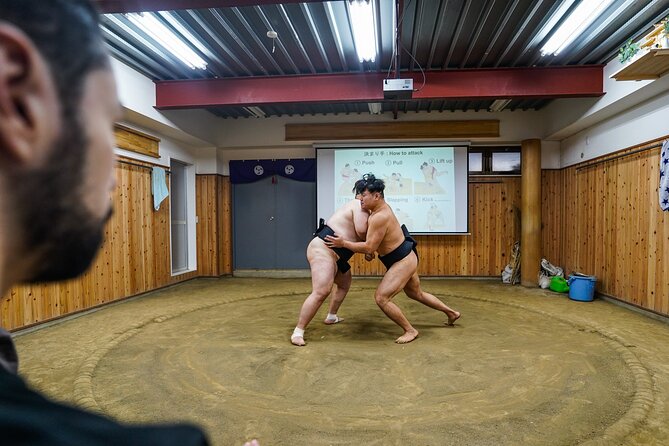
After watching practice, you can take part in selected exercises. The wrestlers demonstrate the movements, then invite participants to try them. This is the part families and children tend to remember most, but adults who follow sumo closely also get something from it.
You may have the chance to enter the ring and challenge a wrestler. The accounts provided describe wrestling retired sumo wrestlers, as well as training with two wrestlers. The demonstrations are playful, but the size and strength difference make the lesson clear very quickly.
You do not need to be athletic to join. The participation is optional, and you can watch if you prefer. If you do take part, expect the exercises to feel harder than they look. Sumo training is not a quick photo opportunity. Squatting, pushing, and holding your stance demand real effort.
The wrestlers are described as kind, funny, and eager to answer questions. That human contact is one of the strongest reasons to choose this experience over a simple cultural talk. You get to ask about the sport while the lesson is still fresh, rather than listening to a distant lecture.
Still, keep your expectations sensible. This is a guided introduction, not a full training session for aspiring wrestlers. The practical exercises are meant to be fun and revealing. One French-speaking participant found the practice less useful as instruction but particularly amusing for children and teenagers. That is a fair way to see it.
Making chicken dumplings for chanko-nabe
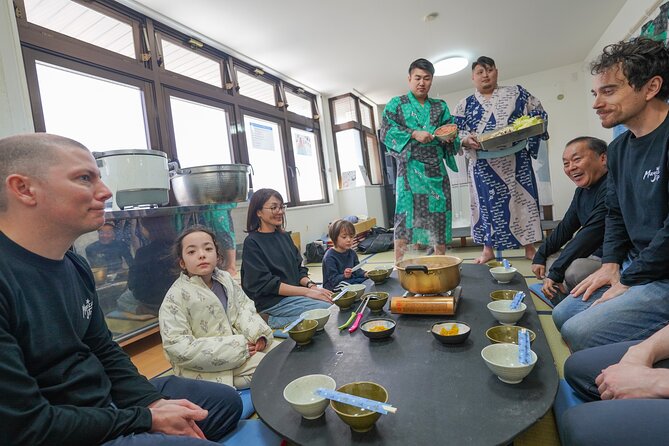
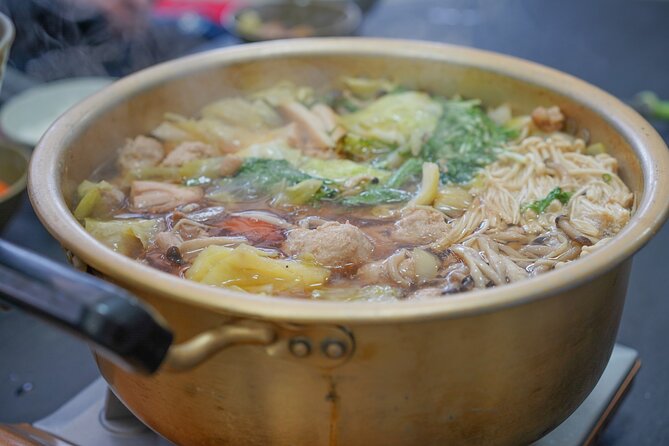
Lunch is chanko-nabe, the hot-pot dish linked with sumo wrestlers’ large physiques. You help make chicken dumplings with the wrestlers, then eat together around the stable’s former dining table.
This meal gives the experience a welcome pause after the activity. It also shows how food fits into sumo culture. You are not just handed a bowl and sent on your way. Preparing part of the dish creates a simple task that opens up conversation.
The food has received some of the strongest praise. People regularly single out the hot pot as delicious, and one child reportedly ate four bowls. The meal is substantial enough that you should not need to plan a separate lunch immediately afterward.
Additional food and drinks are not included, so budget for anything extra. You should also tell the operator about allergies or dietary requests at least one day in advance. The kitchen does not belong to MagicalTrip, allergy-free preparation cannot be guaranteed, and substitutions may not be possible at every stop. Same-day requests cannot be handled.
What you get for $171.12
At $171.12 per person, this is not a cheap morning activity. The value depends on what you want from sumo.
If you only want to see a match, your money may be better spent on a tournament ticket when one is available. This experience does not replace the drama of official competition. It offers something different: access to a former stable, close viewing of practice, a guide, direct contact with wrestlers, a meal, photos, and an original T-shirt.
The included transport from Shin-Kawasaki Station also keeps the logistics simple. A certified MagicalTrip guide handles the explanation and movement between the station and stable. With a maximum of 15 people, the group is small enough for questions and demonstrations to work well, though the experience will not feel private.
I see the price as reasonable for a visitor who wants a full cultural activity rather than a short photo stop. The lunch, transport, guide, wrestler interaction, photos, and shirt add up. The stronger value comes if you actively participate and ask questions. If you only plan to sit quietly, the cost may feel high.
The five-star rating from 603 ratings and a 100 percent recommendation signal very strong satisfaction, but your enjoyment still depends on interest in sumo and comfort with group participation. The stable cancellation risk is worth noting before you pay.
Who will enjoy this most
This is a strong choice for families, couples, friends, solo visitors, and anyone who has followed sumo for years. Children can burn off some energy during the exercises, while serious fans get a closer look at stable customs and training.
First-time visitors to Japan may value the cultural setting. You learn about a sport that is both athletic and ceremonial, then share food with people who have lived inside that world.
Long-time sumo fans should not expect access to an active tournament stable or a private look at every part of a wrestler’s life. The stable was officially used until 2022, and the experience follows a set program. Its strength is the combination of place, explanation, practice, and conversation.
You should also be comfortable with a little physical activity and a communal meal. Participation is optional, but the experience works best when you are willing to try at least a few movements and speak with the wrestlers.
Practical details before you book
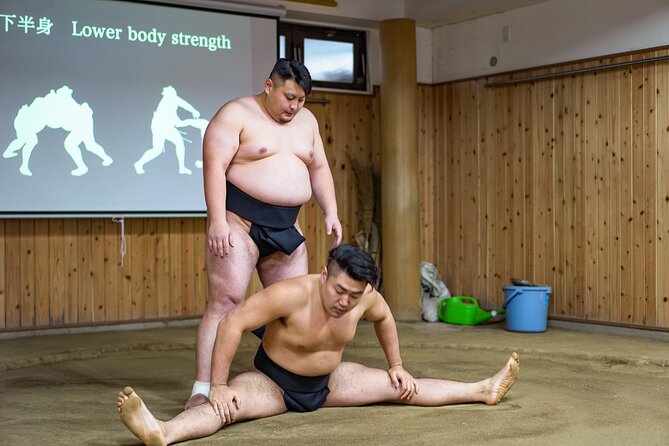
The activity lasts approximately four hours and 10 minutes and starts at 9:30 a.m. It begins and ends at the Shin-Kawasaki meeting point in Kawasaki.
Wear comfortable clothing and bring water, particularly during Japan’s hot, humid summer. A hat is useful outdoors, and large luggage is not allowed.
Free cancellation is available up to 24 hours before the local start time for a full refund. Cancellations or changes inside that window are not refundable. A minimum group size is required, and if the operator cancels for that reason, you receive another option or a full refund.
The operator also warns that the sumo stable itself may cancel shortly before the date. Keep some flexibility in your schedule if possible.
Should you book this sumo experience?
Book it if you want more than a picture beside a sumo statue. The former stable, front-row practice viewing, friendly wrestlers, hands-on exercises, and chanko-nabe lunch make this a full morning rather than a quick demonstration.
I would especially recommend it to families and curious first-time visitors, while dedicated sumo fans will appreciate the chance to ask questions and see training up close. Skip it if your main goal is an official tournament bout, if you dislike group activities, or if your schedule cannot absorb a last-minute stable cancellation.
For the right visitor, the price buys access that is difficult to arrange independently. Bring an open mind, arrive early, and be ready to squat.
FAQ
Where does the sumo experience take place?
The experience takes place in Kawasaki, Kanagawa, near Tokyo. You meet at Shin-Kawasaki Station and visit a real sumo stable that was officially used until 2022.
What time does the tour start?
The tour starts at 9:30 a.m. You should arrive early because the group will not wait for late arrivals.
How long does the experience last?
It lasts approximately four hours and 10 minutes, and it ends back at the meeting point.
Is lunch included?
Yes. A sumo wrestler’s lunch of chanko-nabe is included. You also help make chicken dumplings with the wrestlers.
Can I participate in sumo exercises?
Yes. Participants have the opportunity to try sumo movements and training exercises with the wrestlers. Participation is optional.
Can I wrestle a sumo wrestler?
The experience may include the chance to enter the ring and wrestle a retired sumo wrestler. The exact participation can depend on the day’s program.
Is transportation included?
Transport from Shin-Kawasaki Station to the sumo stable is included. The activity returns to the original meeting point.
Are large suitcases allowed?
No. Large luggage, including suitcases, is not permitted on the tour.
What happens if the stable cancels?
Unexpected cancellations by the sumo stable can happen a few days to a couple of days before the tour. You will be offered another date or experience, or a full refund.
Newest sumo experiences in Tokyo
- Tokyo Sumo History Tour with Chanko Nabe Lunch★ 5.0 · 3 reviews
- Tokyo Highlights Tour: Sumo, Sushi, Tea, and Tokyo Tower★ 5.0 · 2 reviews
- Tokyo: Know about Hokusai and Sumo culture in 2.5 hours★ 5.0 · 2 reviews
- TOKYO , No1 Yokozuna Stable Morning Practice in Ryogoku★ 4.5 · 3 reviews
- Tokyo 6hr Private Guided Tour & Sumo Show Lunch★ 5.0 · 3 reviews
- Tokyo Grand Sumo Tournament Viewing Tour★ 5.0 · 2 reviews
- Private Ryogoku Walking Tour with Sumo Wrestler and Master Guide★ 4.5 · 7 reviews
- Grand Sumo Tournament Tour w/an English Guide ,Tokyo January 2026★ 5.0 · 3 reviews
Tokyo Sumo Tours, compared.
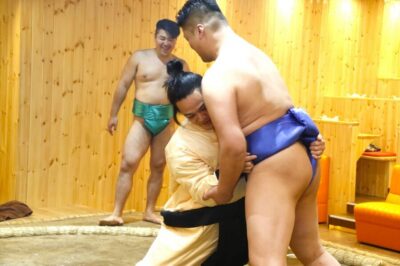
Sumo Show Experience with Chicken Hot Pot and a Photo
Read our review →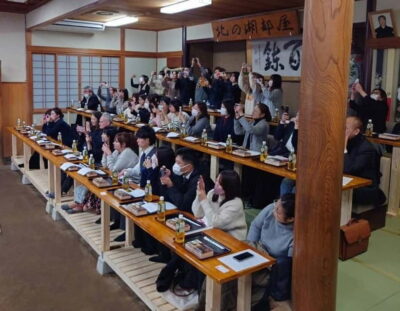
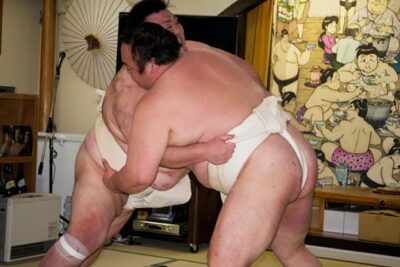
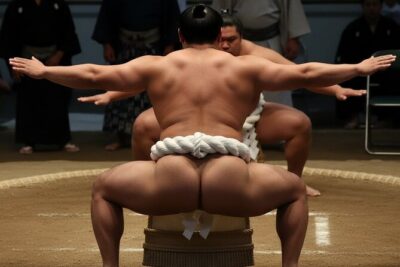
Tokyo Shinjuku Sumo Show & Experience with Photo
Read our review →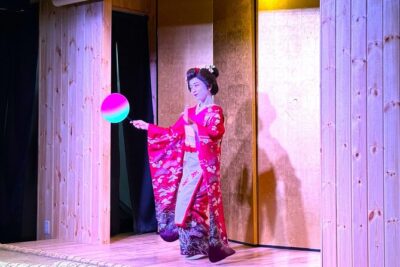
Tokyo Sumo Entertainment Show with Chicken Hot Pot and Photo
Read our review →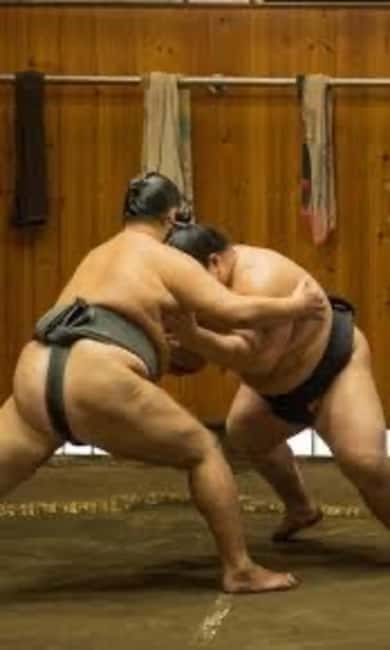
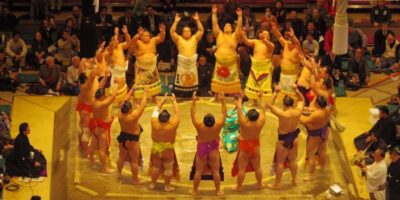
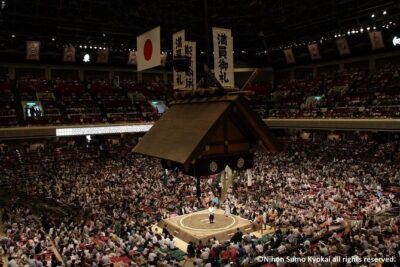
Tokyo Grand Sumo Tournament Viewing Tour with Tickets
Read our review →Browse the lists this tour appears in