
REVIEW · SUMO TOURNAMENT TICKETS
Official Sumo Tournament Ticket with Guided Experience
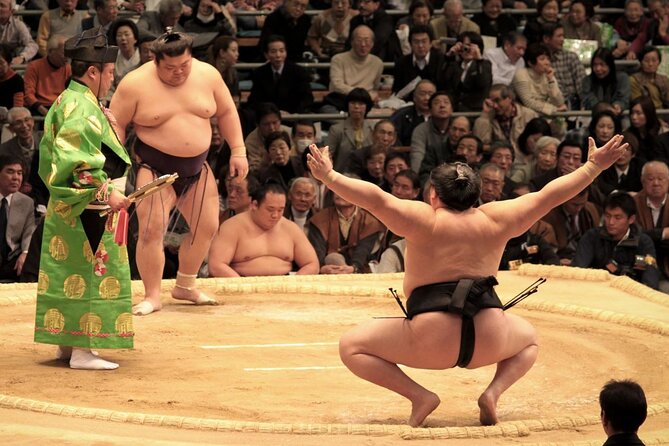
The best part of this experience is simple: you get to watch real sumo in Japan’s national arena, not a staged demonstration. Before the matches, your guide explains the ranking system, rituals, and customs so the bouts make sense instead of looking like two enormous men bumping into each other.
I like the useful introduction at Former Yasuda Garden and the short stadium walk, which give the sport some context before you take your seat. I also like the reserved second-floor B or C seating, since securing tournament tickets independently can be difficult.
The main drawback is the price, $209 per person, and the ticket is non-refundable. You also cannot bring food or drinks into the stadium, so plan your meal around the event.
Key points to know
- Watch an official tournament: See top-ranked wrestlers compete at Ryogoku Kokugikan during select tournament dates.
- Get the rules explained first: An expert guide covers rituals, rankings, etiquette, and the details that are easy to miss.
- Start in a historic neighborhood: Former Yasuda Garden and Ryogoku provide a calm introduction before the arena excitement.
- Use reserved second-floor seating: Your ticket is in B or C class, depending on the selected option.
- Expect a small group: The maximum is 25 people, allowing room for questions.
- Plan for strict stadium rules: Food and drinks are not allowed inside, and photos must be taken without flash or bulky equipment.
Why a live sumo tournament is worth your Tokyo time
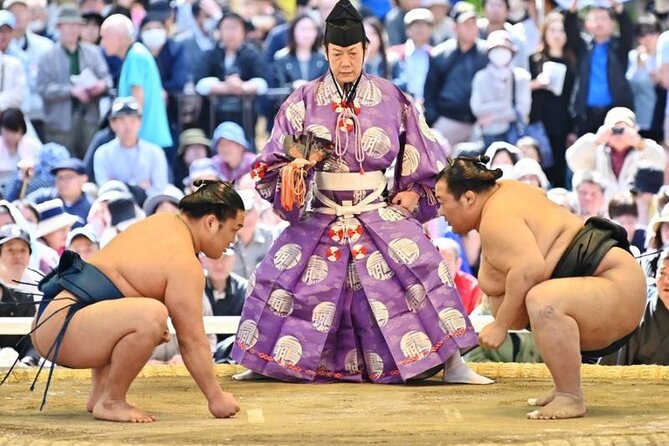
Sumo is much more than a short contest of strength. The sport carries religious customs, formal gestures, strict rankings, and a careful sense of ceremony. A live tournament lets you see all of this in one place, but the pace and details can be confusing if you arrive without preparation.
That is where this guided experience earns its keep. Your guide gives you the basic framework before the matches begin, then remains available for questions during the tournament. Guides named in connection with this experience include George, Cesar, Lily, and Ethan. The strongest descriptions of the guiding style point to friendly explanations, enthusiasm, and a willingness to answer questions as the action unfolds.
I especially like that the guide does not simply hand you a ticket and send you into the arena. You first learn why the wrestlers perform certain rituals, how the ranking system works, and what makes one bout more important than another. Once you understand those elements, the tournament becomes easier to follow and far more interesting.
The event is also a good choice if your knowledge of sumo begins and ends with seeing a few photographs. You do not need to be a sports fan. The appeal comes from the mix of competition, ceremony, and Japanese tradition.
More tournament tours in Tokyo:
- Tokyo: Sumo Tournament Tour with Chair Seat Tickets
★ 4.6 · 753 reviews - Tokyo Grand Sumo Tournament Viewing Tour with Tickets
★ 5.0 · 692 reviews - Tokyo Sumo Wrestling Tournament Experience
★ 5.0 · 660 reviews
Starting at Former Yasuda Garden
The tour begins at Former Yasuda Garden in Tokyo’s Sumida City, near the sumo district of Ryogoku. This first stop lasts about 30 minutes and provides an introduction to sumo history.
The garden gives you a quieter place to get your bearings before entering the arena. That matters because the tournament itself can feel like a lot to take in: formal movements, unfamiliar names, different ranks, and bouts that may be over quickly. A short explanation outdoors gives you a simple base to build on.
Do not expect a long garden visit or a full historical lecture here. This is an opening stop, not the main attraction. Its value is in setting the scene and helping you understand why Ryogoku is the natural home for a sumo experience in Tokyo.
The meeting point is listed as 1-chome-12-1 Yokoami, Sumida City. The tour begins there, so check the exact meeting instructions carefully before setting out. The area is near public transportation, which makes it practical to reach, but you should still allow time to arrive without rushing.
A short walking tour inside Ryogoku Kokugikan
From the garden, you continue to Ryogoku Kokugikan, Tokyo’s best-known sumo stadium. The guided stadium visit lasts about 30 minutes and introduces the building, the sport, and its customs.
This is one of the most useful parts of the experience for a first-time spectator. Your guide can explain the difference between the tournament structure and the individual bouts, outline the ranking system, and point out traditions that might otherwise pass unnoticed. You also get entertaining background and anecdotes, which help keep the introduction from feeling like a formal lecture.
The timing is well judged. Thirty minutes is enough to give you a framework without using up the best part of your day before the tournament begins. It also leaves the actual competition as the main event.
You will want to listen closely here, since the explanations may be more valuable once the matches start. If you are curious, this is a good moment to ask about the rules, the wrestlers, and the formal actions you see around the ring.
The tour ends at Ryogoku Kokugikan, at 1-chome-3-28 Yokoami. After the guided portion, you can enjoy the tournament for as long as you like. That gives you some flexibility rather than forcing you to leave immediately after a fixed number of bouts.
Three hours of live competition
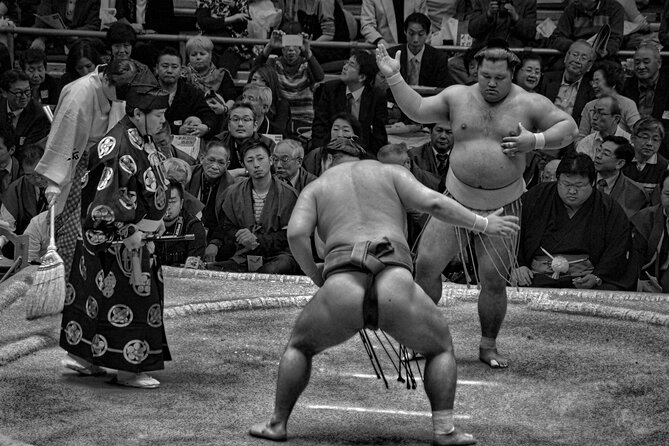
The tournament portion lasts about three hours. That is enough time to experience the atmosphere, watch a substantial run of matches, and see the sport develop across the session.
The most important practical detail is your seat. The package includes a reserved B or C class ticket on the second floor, depending on the option you choose. You will not be sitting at floor level, but reserved second-floor seating gives you a clear overall view of the ring and the surrounding ceremony.
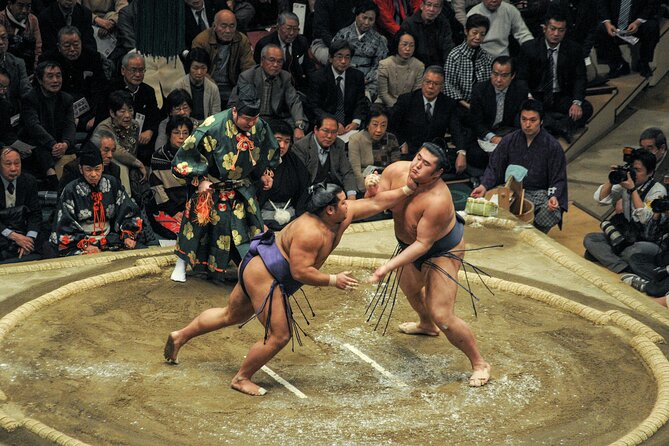
For sumo, that broad view is useful. You can watch the movement around the ring, see the formal preparation, and follow how the contest begins and ends. A closer seat might sound automatically better, but the second-floor position can make the structure of the event easier to understand.
Your guide stays available to explain what is happening and answer questions during the tournament. That is a real advantage for beginners. Sumo bouts can be short, and you may not have time to work out the significance of every action on your own.
At the same time, this is still a public sporting event, not a private performance. The crowd, schedule, and energy are part of the experience. You should be ready for periods of waiting between bouts and for the event to feel more formal than a typical western sporting match.
More tournament tickets in Tokyo:
- Tokyo: Sumo Tournament with Guide & Assigned Reserved Seat
★ 4.6 · 168 reviews - Tokyo: Sumo Practice Tour with Ring-Side Seat and Photoshoot
★ 4.7 · 103 reviews - Tokyo Sumo Morning Practice Tour w/ Ring-Side Seat + Photo Shoot
★ 5.0 · 93 reviews - Chair Seat Guaranteed SUMO Practice +Photo +Culture Option
★ 4.5 · 17 reviews
The guide makes the difference
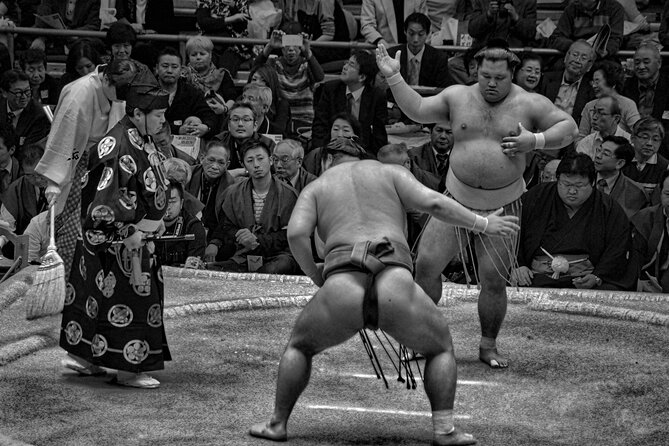
The guide is the part that turns an arena ticket into a cultural activity. Without help, you can still enjoy the spectacle, but you may miss the meaning behind the gestures, the ranking system, and the way the tournament is organized.
Several guides have been praised for different strengths. George is described as friendly and well prepared, with a useful habit of answering questions during the matches. Cesar brings a strong focus on sumo history. Lily is especially energetic and passionate about the sport’s culture, while Ethan has been associated with a well-organized blend of history, culture, and sport.
You should not book this expecting a particular guide unless your booking specifically confirms one. Still, these names give you a good idea of the guiding approach: clear explanations, warmth, and enthusiasm rather than a dry procession of facts.
I also like that the guide can help you move from casual curiosity to active interest. Sumo is easy to watch passively, but learning what to look for makes the event more involving. You begin noticing the ceremony, the tension before the charge, and the importance of rank and tournament results.
The group can include up to 25 people. That is not an intimate private tour, but it is small enough for questions and easier to manage than a large coach group.
What the $209 price really buys you
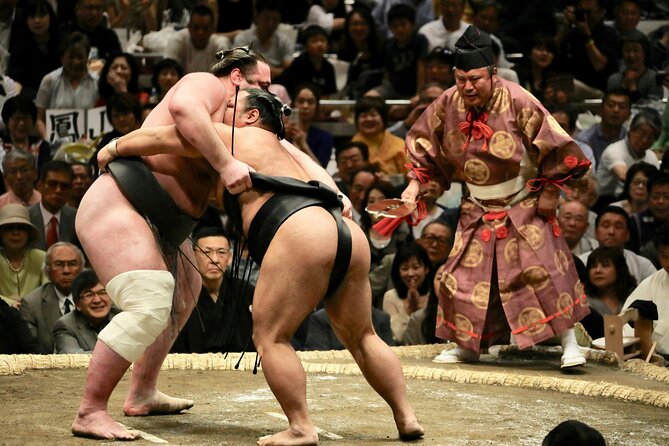
At $209 per person, this is not a cheap add-on. The value depends on how much you want help arranging a difficult-to-secure cultural event.
The price includes the expert guide, the stadium introduction, and the reserved tournament ticket. You are paying for access as well as interpretation. Official sumo tournament tickets can be difficult to obtain through standard booking channels, especially if your Tokyo dates are fixed. For many visitors, that convenience is the main reason to consider this package.
The guide also saves you from arriving without knowing what you are watching. That matters more here than it would at an ordinary sporting event. A baseball game is easy to understand from the basic action. Sumo has a formal structure and customs that are less obvious to first-time spectators.
The value is weaker if you already understand sumo, have secured your own ticket, or prefer to explore independently. In that case, you may find the guided introduction less necessary. You also need to buy your own food and drinks, since they are not included and cannot be taken into the stadium.
I would think of the price this way: you are paying for a reserved place at a hard-to-arrange event plus a short cultural lesson that helps you appreciate it. If seeing an official tournament is a high priority, that can be fair value. If you are only mildly curious, the cost may feel steep.
Practical advice before you go
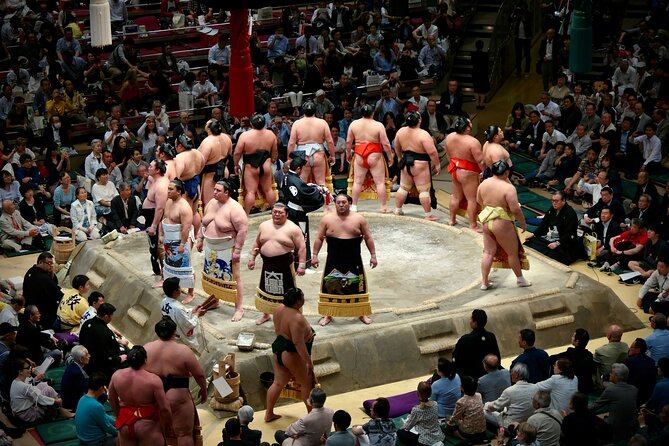
The experience lasts about five hours, with roughly 30 minutes at the garden, 30 minutes inside the stadium on the guided walk, and three hours watching the tournament. The listed timing is approximate, and you can enjoy the tournament for as long as you like after the guided portion.
Arrive ready to listen at the first meeting point. The opening explanations are not filler. They give you the terms and background you will need later.
You may take photographs, but flash is not allowed. Avoid bulky camera equipment that blocks the view of people behind you. The etiquette is straightforward: keep your voice down, do not shout at the wrestlers, and avoid behavior that disturbs other spectators.
Food and drinks are not permitted inside the stadium. Eat beforehand or plan around the event, and do not assume you can bring a bottle or snack into the arena.
The experience is near public transportation, and most people can participate. The meeting point and ending point are different but both are in the Ryogoku area. The tour ends at Ryogoku Kokugikan, where you can remain for the tournament according to the arrangements for your ticket.
The activity is offered only on selected dates during official tournaments in four major Japanese cities. For the Tokyo version, your date must match the tournament schedule. It is not an everyday attraction, so flexibility helps.
Who will get the most from this experience
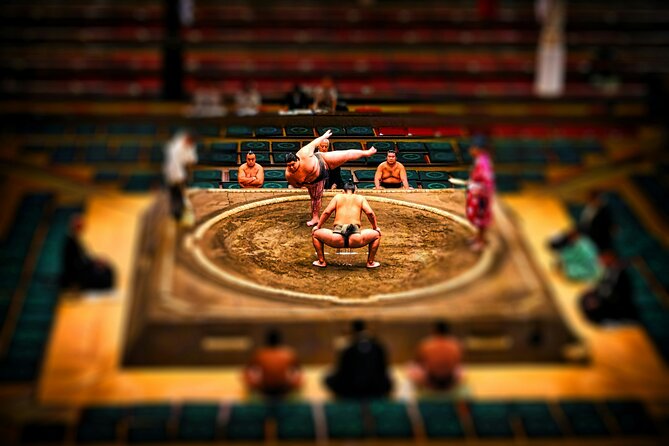
This is a strong choice for a first visit to a sumo tournament. You get the ticket, the basic rules, and a guide who can explain what is happening without requiring you to study the sport beforehand.
It also suits families and mixed-interest groups. Someone who loves sport can focus on the competition, while someone more interested in culture can enjoy the customs, ranking system, and history. The guide helps bridge those interests.
I would also recommend it to visitors with limited time in Tokyo. The five-hour format gives you a focused introduction to Ryogoku and the tournament without asking you to plan each part yourself.
It is less suitable for independent visitors who already have tickets or who dislike structured activities. The group can reach 25 people, and the ticket category is set as B or C on the second floor rather than chosen seat by seat.
The non-refundable policy deserves serious attention. You cannot change or cancel the booking for a refund, so only reserve once your Tokyo plans and tournament date are firm.
Should you book the Tokyo sumo experience?
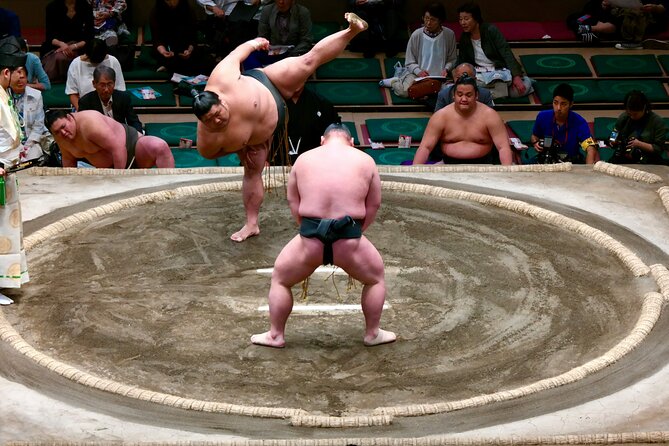
Book it if you want to attend an official tournament but do not want to fight the ticketing system alone. The reserved seat removes a major planning problem, and the guide gives you the cultural background that makes the event easier to understand.
I especially recommend it for first-time sumo spectators, curious visitors, and anyone who values explanation as much as access. George, Cesar, Lily, and Ethan represent the kind of warm, engaged guiding this experience aims to provide, though your assigned guide may differ.
Skip it if you already have a tournament ticket, know sumo well, or need a refundable booking. At $209, the cost only makes sense when the ticket access and expert guidance are both useful to you.
FAQ
How long does the sumo experience last?
The experience lasts approximately five hours. The planned stops include about 30 minutes at Former Yasuda Garden, 30 minutes for the guided stadium visit, and about three hours watching the tournament.
Where does the tour begin?
It begins at Former Yasuda Garden, 1-chome-12-1 Yokoami, Sumida City, Tokyo 130-0015, Japan.
Where does the experience end?
The guided experience ends at Ryogoku Kokugikan Sumo Arena, 1-chome-3-28 Yokoami, Sumida City, Tokyo 130-0015, Japan. You can enjoy the tournament for as long as you like.
What type of sumo ticket is included?
The package includes a reserved B or C class seat on the second floor, depending on the option selected.
Can I bring food and drinks into the stadium?
No. Access to the stadium with food and drinks is not permitted.
Are photographs allowed during the tournament?
Yes, photographs are allowed without flash. You should not use bulky equipment that blocks another spectator’s view.
Newest sumo experiences in Tokyo
- Tokyo Sumo History Tour with Chanko Nabe Lunch★ 5.0 · 3 reviews
- Tokyo Highlights Tour: Sumo, Sushi, Tea, and Tokyo Tower★ 5.0 · 2 reviews
- Tokyo: Know about Hokusai and Sumo culture in 2.5 hours★ 5.0 · 2 reviews
- TOKYO , No1 Yokozuna Stable Morning Practice in Ryogoku★ 4.5 · 3 reviews
- Tokyo 6hr Private Guided Tour & Sumo Show Lunch★ 5.0 · 3 reviews
- Tokyo Grand Sumo Tournament Viewing Tour★ 5.0 · 2 reviews
- Tokyo: Enjoy Sumo match and know about it! [Ticket included]★ 4.4 · 7 reviews
- Private Ryogoku Walking Tour with Sumo Wrestler and Master Guide★ 4.5 · 7 reviews
Sumo Tournament Tickets, compared.
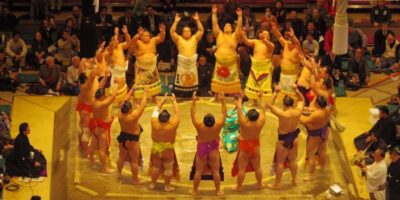
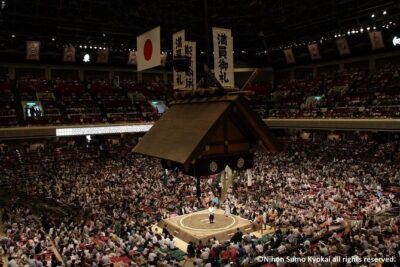
Tokyo Grand Sumo Tournament Viewing Tour with Tickets
Read our review →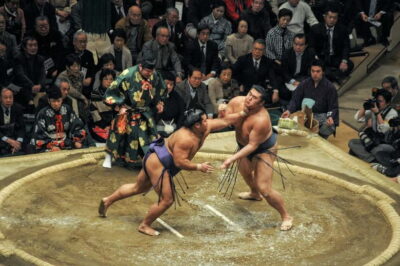
Sumo Tournament with Guide & Assigned Reserved Seat
Read our review →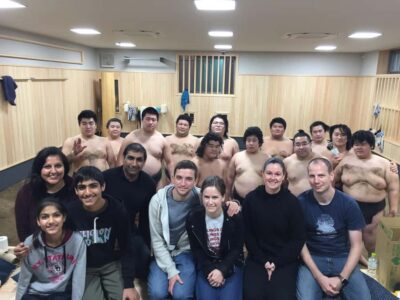
Sumo Practice Tour with Ring-Side Seat and Photoshoot
Read our review →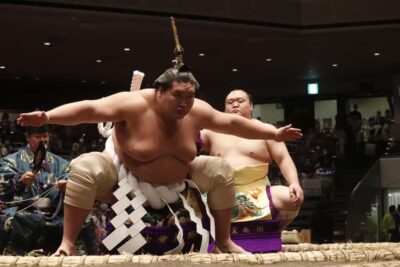
Sumo Wrestling Tournament with Chair Seat Tickets
Read our review →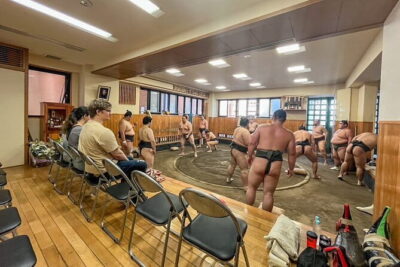
Tokyo Sumo Morning Practice Tour w/ Ring-Side Seat + Photo Shoot
Read our review →November Sumo Tournament tour in Fukuoka (Tickets Included)
Read our review →
Chair Seat Guaranteed SUMO Practice +Photo +Culture Option
Read our review →Browse the lists this tour appears in