
REVIEW · TOKYO SUMO TOURS
Experience the Sumo World in Tokyo
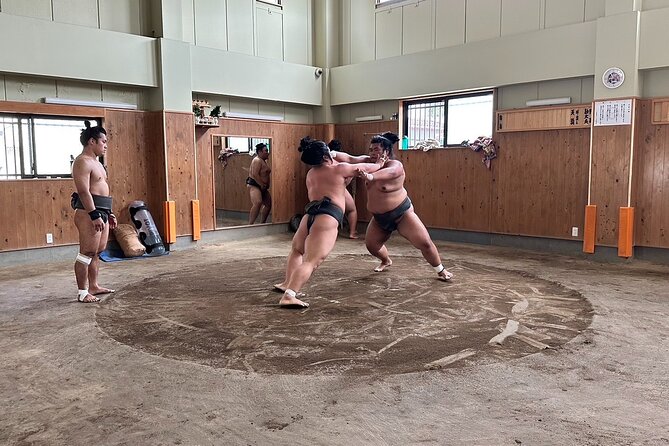
The most unusual part of this Tokyo morning is not watching a sumo tournament. It is sitting close to a real training session, where wrestlers repeat powerful shiko foot stamps, pushes, and bouts under the eye of the stablemaster. After practice, you can ask questions, try to move a wrestler yourself, and share the stable’s traditional chanko nabe meal.
I like the way guides such as Ryoko, Haru, and Tomer explain the rules and customs before you arrive, so the training makes sense instead of looking like a blur of large men colliding. I also like the warm, personal finish, with photos, conversations, and a chance to hear about the wrestlers’ lives.
The main drawback is the early meeting time and the complicated trip from Ueno. Communication has usually been smooth, but one reported mix-up caused a late arrival and meant missing most of the practice, so you should confirm the meeting details carefully the day before.
Key points to know before booking
- Watch training from folding chairs: You sit close to the practice area for an up-front view of a serious morning session.
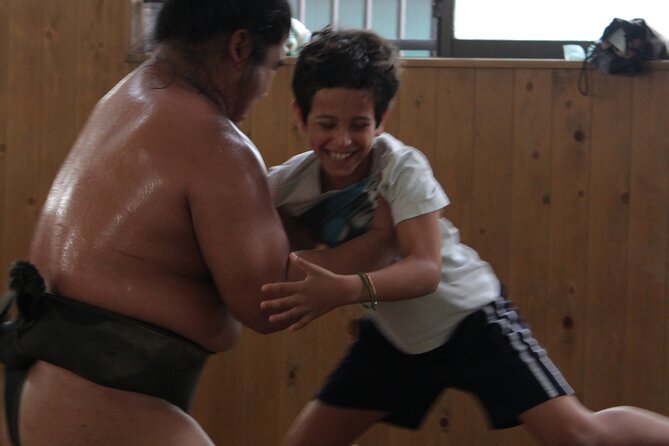
- Try a sumo strength test: After training, you may push against a wrestler and discover how little a human wall can move.
- Eat chanko nabe at the stable: The included meal is a light broth with vegetables and chicken, with vegetarian service available if requested at least three days ahead.
- Ride beyond central Tokyo: The route runs from Ueno to Matsudo, then Kunugiyama, with ¥1,060 in train fares not included.
- Best for families and culture seekers: Children and adults can take part, ask questions, and learn about daily life in a sumo stable.
- Plan for a 7:45 AM start: The activity lasts about four hours and ends back at Ueno Station.
Why this sumo morning feels different from a tournament
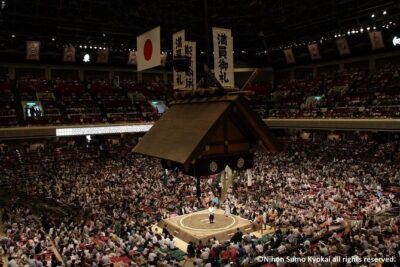
A sumo tournament gives you polished bouts, packed seats, and the drama of official rankings. This experience shows you the work behind that spectacle. You see wrestlers train before the public sees them compete, often only a few feet away, seated on simple folding chairs.
That closeness matters. You can watch the stablemaster direct the session, notice the contrast between brute force and quick footwork, and see how much repetition goes into each movement. The training is not staged as a show, even though the stable makes time for visitors afterward.
Your guide helps translate the action into something understandable. Before reaching the stable, you learn basic sumo terms, rules, customs, and some of the sport’s cultural background. Guides named in the feedback include Ryoko, Haru, Tomer, Tammy, and Yassmine. The exact guide depends on the date, but the strongest part of the guiding is the same: turning a quiet, unfamiliar ritual into a meaningful experience.
This is especially useful if you know little about sumo. You do not need to follow the sport closely to appreciate the scale, discipline, and skill on display.
More sumo experiences in Tokyo:
- Tokyo: Sumo Show Experience with Chicken Hot Pot and a Photo
★ 4.8 · 6,678 reviews - Tokyo: Sumo Show and Dining Experience
★ 4.8 · 2,742 reviews - the SUMO show
★ 5.0 · 1,960 reviews
Meeting at Ueno at 7:45 AM
The day begins at 7:45 AM near the JR Information area at Ueno Station, at 7 Chome-1 Ueno in Taito City. Ueno is a practical meeting point, but the station is large, so give yourself extra time to find the correct spot.
The early start is not optional decoration. Morning practice is the reason this experience works. Arriving late can cost you the part you came to see, and the stable is not close enough for a quick catch-up walk from Ueno.
One family had trouble because communication shifted to WhatsApp on the morning of the tour, while one person in the group did not use the app. The problem was eventually solved, but only after a stressful wait. I recommend checking all messages and confirming how the guide will contact you before bedtime the night before.
The tour has a maximum group size of 26. That is not a tiny private outing, but it is small enough for the guide to manage questions and help with the train route.
Two trains from Ueno to the stable
From Ueno, the group takes a JR train to Matsudo Station. The listed journey is about 19 minutes, followed by another train ride of roughly 15 minutes to Kunugiyama Station. The train fares total ¥1,060, about $7, and are paid separately.
This transfer is part of the experience rather than dead time. Guides often begin explaining sumo on the train, covering terms, rules, customs, and the life of a rikishi. Tomer, for example, was praised for using the ride to give a short introduction before reaching the stable.
Still, you need to be comfortable with a morning commute. The itinerary involves two train legs and several station changes, so this is not a hotel-door-to-door tour. The guide leads the group, which helps, but you should wear shoes and clothing suitable for moving through stations at an early hour.
The final destination is Asahiyama beya, a working sumo training stable near Kunugiyama. The stable is a place of practice, not a regular sightseeing attraction. That is why this access feels special, but it also means you should follow instructions carefully and keep your voice and movements respectful during training.
Front-row practice at Asahiyama beya
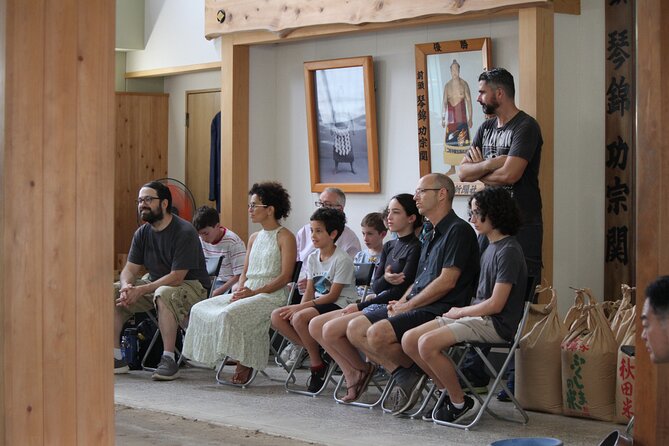
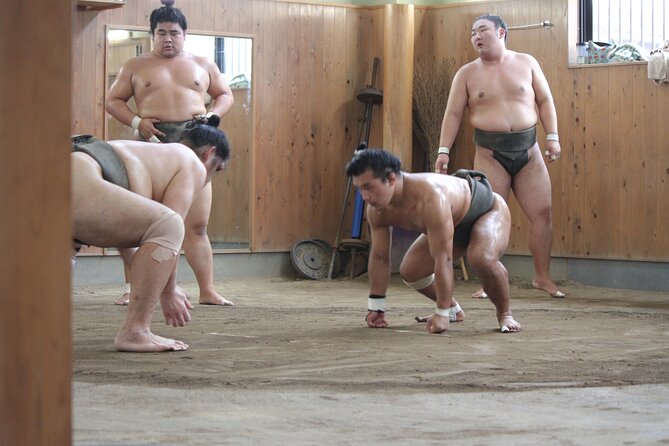
At the stable, you sit comfortably on chairs beside the training area. The exact practice length can vary. The planned stable visit is about two hours, while one family described roughly 45 minutes of training followed by photos and interaction. Scheduling can change based on the stable’s routine, transport, weather, or other practical reasons.
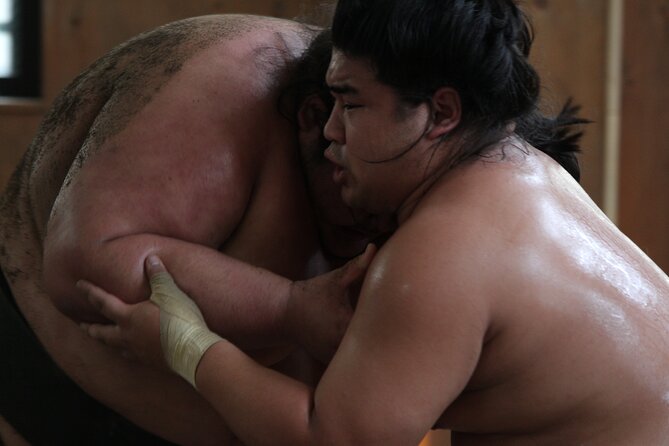
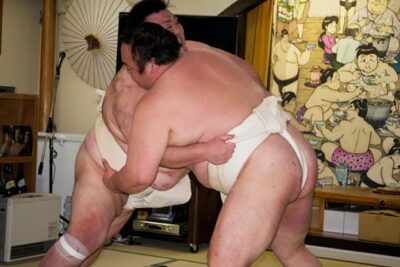
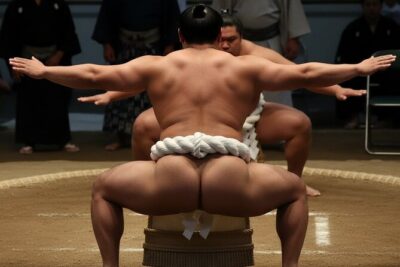
Expect a serious session rather than a theatrical performance. The wrestlers work through drills, bouts, stretching, and repeated strength exercises. Their size catches your eye first, but the most interesting details are the speed, balance, agility, and tactics. Sumo is not simply about being heavy.
The stablemaster directs the wrestlers, and you may hear instructions being called out while the action continues. A guide can explain what is happening and help you understand why a movement matters. That context makes the difference between watching a series of shoves and seeing a disciplined sport with strict technique.
Photography is generally allowed at the end of the session, not as a distraction during the most serious part of practice. This is a sensible rule. You get a chance to watch first, then bring out your phone for pictures after the work is done.
Another way to get close to the sport:
- Tokyo Shinjuku Sumo Show & Experience with Photo
★ 5.0 · 1,750 reviews - Tokyo Sumo Entertainment Show with Chicken Hot Pot and Photo
★ 5.0 · 1,205 reviews - Tokyo: Sumo Show and Experience in Shinjuku
★ 4.8 · 1,001 reviews - Tokyo: Sumo Tournament Tour with Chair Seat Tickets
★ 4.6 · 753 reviews
The hands-on push that humbles everyone
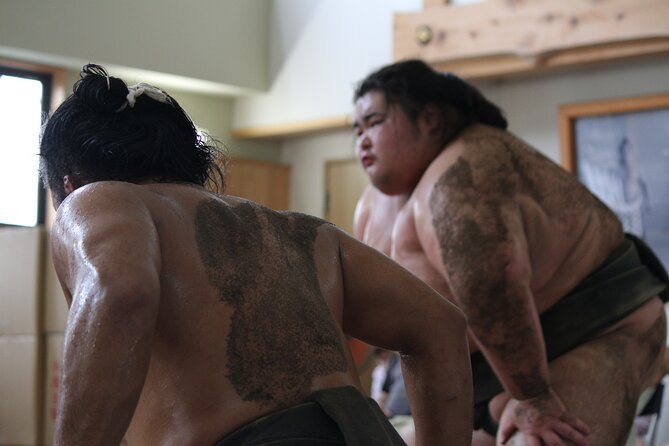
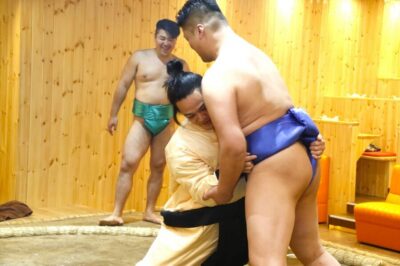
After practice, the experience becomes more playful. You may have the chance to step into the practice area and try pushing one of the wrestlers. Children and adults have taken part, and families especially seem to enjoy this moment.
Do not treat it as a real contest. The point is to feel the difference between your effort and a professional wrestler’s balance, weight, and strength. Several participants joked that they had won only because the wrestler allowed it. That good humor is part of the appeal.
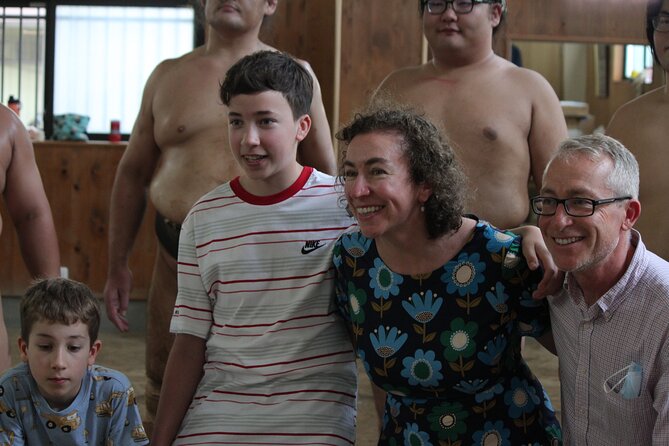
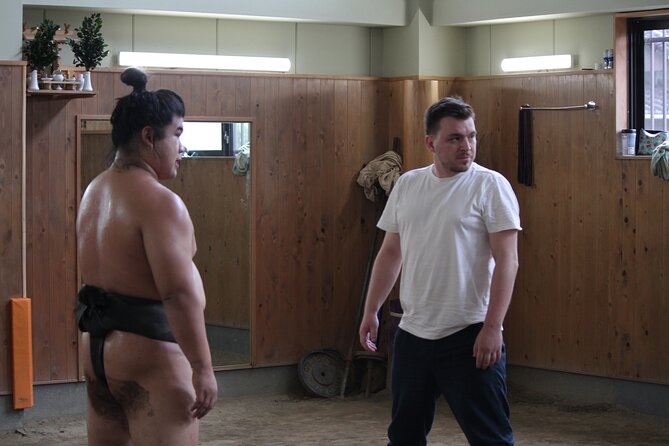
The wrestlers also make time for photos and questions. Some can speak English, and guides help translate conversations when needed. You may hear about their daily lives, their route into sumo, and what it takes to train at the stable.
This is where the experience becomes more personal than a tournament ticket. You are not only watching athletes from a distance. You are meeting people who welcome you into a small part of their working morning. Respect remains important, especially around photos and physical interaction, so follow the guide’s instructions.
Chanko nabe gives the morning a local flavor
Lunch is included, and the traditional dish is chanko nabe, a nourishing hot pot associated with sumo wrestlers. The meal is designed to provide energy, and the version served here has been described as a light broth with vegetables and chicken.
It is not presented as a fancy restaurant meal. That is a strength. Eating at the stable connects the food to the setting and helps you understand how meals fit into the wrestlers’ routine. The warm broth is also welcome after an early start.
Vegetarian service is available, but you must request it at least three days in advance. Do not wait until the morning of the tour. If you have other dietary needs, the supplied details only confirm the vegetarian option, so ask the operator before booking rather than assuming substitutions are available.
The meal adds real value to the price, but the food alone is not the reason to book. The cost is justified mainly by access to a working stable, the guide’s explanations, and the chance to meet the wrestlers.
Is $105.71 plus train fare good value?
The listed price is $105.71 per person, with another ¥1,060 for the round-trip train journey. That makes the real cost slightly higher than the headline figure, so budget for both.
For a standard sightseeing activity, this is not cheap. You are paying for a half-day with a specialist guide, stable access that is not typically available to the public, lunch, and a small-group experience capped at 26 people. You also avoid trying to understand sumo practice on your own, which would be difficult even if you could find a way to attend.
I think the value is strongest for someone who wants cultural access rather than a quick photo stop. If your main goal is to see an official bout, spend the money on tournament tickets instead. If your goal is to understand how sumo wrestlers train and live, this morning offers something a tournament cannot.
The trip also supports a working stable, according to the operator’s stated purpose. That gives the booking a useful connection to the people and place hosting the visit, though you should still choose it because the experience suits your interests, not only because it feels like a good cause.
Who will enjoy this most?
Families with children can get a lot from this experience. The training is intense but easy to watch, the guide explains what is happening, and the push against a wrestler gives children a memorable physical moment. One family with three children under 15 found the format suitable for all ages.
It also suits adults who are curious about Japanese customs, even if they know very little about sumo. The guides explain the sport in plain terms, and the stable visit shows the daily work behind a familiar national symbol.
You should think twice if you dislike early starts, train transfers, or activities that follow someone else’s schedule. This is not a flexible drop-in visit. You need to reach Ueno on time, stay with the group, and accept that the stable’s routine controls the morning.
The experience is also less suitable if you expect long, formal English presentations or a polished tourist attraction. The appeal is the working environment, the close view, and the human contact.
Practical ways to make the morning go well
Set two alarms and reach Ueno early. A 7:45 AM meeting gives you little spare time if you misread the station or board the wrong train.
Check the meeting instructions, phone number, and messaging method in advance. If WhatsApp is used, make sure the relevant person in your party can receive messages. The one serious negative account involved arriving eight minutes after the expected departure time, then waiting for the stable address and missing most of practice. Even though the tour itself recovered, the lesson is clear: late arrival can be costly.
Wear comfortable clothing and shoes for the train journey. You will sit during practice, but the route includes station walking and transfers.
Keep your camera ready for the permitted photography period, but do not assume you can photograph throughout training. Listen to the guide and respect the stable’s rules.
If you need a vegetarian meal, notify the operator at least three days ahead. Also remember that the tour ends back at the original meeting point, so you can plan another Tokyo activity from Ueno afterward.
Free cancellation is available up to 24 hours before the start time. Changes or cancellations inside that window are not accepted for a refund, and the activity may be rescheduled or refunded if the minimum number of participants is not reached.
Should you book the Sumo World experience?
I would book this if you want a close look at sumo as a living tradition rather than only a sport on a tournament schedule. The best parts are the front-row training, the chance to push against a wrestler, the questions after practice, and the chanko nabe meal in the stable itself.
I would skip it if you need a relaxed late morning, dislike public transport, or want a guaranteed full-length performance. The itinerary depends on early trains and the stable’s schedule, and a late start can cut deeply into the practice session.
For families, first-time visitors to Japan, and anyone curious about the people behind sumo, this is a strong choice. Confirm the meeting details, budget for the train fares, and arrive early. Do that, and the morning gives you a memorable look at strength, discipline, food, and ordinary working life inside one of Japan’s most distinctive sports.
FAQ
Where does the sumo experience begin?
It begins at 7:45 AM at the JR Information area of Ueno Station, at 7 Chome-1 Ueno, Taito City, Tokyo 110-0005.
How long does the experience last?
The experience lasts about four hours, including the train journey, stable visit, training, interaction, and meal.
Where does the tour end?
It ends back at the original meeting point at Ueno Station.
How much do the train tickets cost?
Round-trip JR train fares cost ¥1,060, about $7, and are not included in the tour price.
How many trains do you take?
The route includes a train from Ueno to Matsudo Station and another from Matsudo to Kunugiyama Station.
Is lunch included?
Yes. Lunch includes chanko nabe, a traditional sumo hot pot meal.
Can I request a vegetarian meal?
Yes, but you must notify the operator at least three days in advance.
Can I take photos of the wrestlers?
Photography is allowed at the end of the practice session. Follow the guide’s instructions about photography during training.
Can children participate?
Most people can participate, and the experience has been described as suitable for families with children under 15. Children may be able to try pushing a wrestler during the interactive part.
Can I cancel for a refund?
You can cancel up to 24 hours before the experience start time for a full refund. Cancellations or changes made less than 24 hours before the start are not refunded.
Newest sumo experiences in Tokyo
- Tokyo Highlights Tour: Sumo, Sushi, Tea, and Tokyo Tower★ 5.0 · 2 reviews
- Tokyo: Know about Hokusai and Sumo culture in 2.5 hours★ 5.0 · 2 reviews
- TOKYO , No1 Yokozuna Stable Morning Practice in Ryogoku★ 4.5 · 3 reviews
- Tokyo 6hr Private Guided Tour & Sumo Show Lunch★ 5.0 · 3 reviews
- Tokyo Grand Sumo Tournament Viewing Tour★ 5.0 · 2 reviews
- Tokyo Sumo History Tour with Chanko Nabe Lunch★ 5.0 · 3 reviews
- Tokyo Ginza : Sumo and Mikoshi Experience,Open from Sep.★ 5.0 · 8 reviews
- Complete Sumo Experience in Tokyo★ 4.5 · 3 reviews
Tokyo Sumo Tours, compared.
Sumo Show Experience with Chicken Hot Pot and a Photo
Read our review →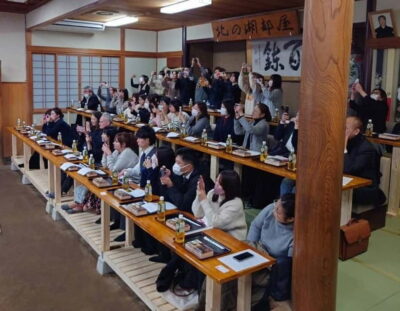
Tokyo Shinjuku Sumo Show & Experience with Photo
Read our review →
Tokyo Sumo Entertainment Show with Chicken Hot Pot and Photo
Read our review →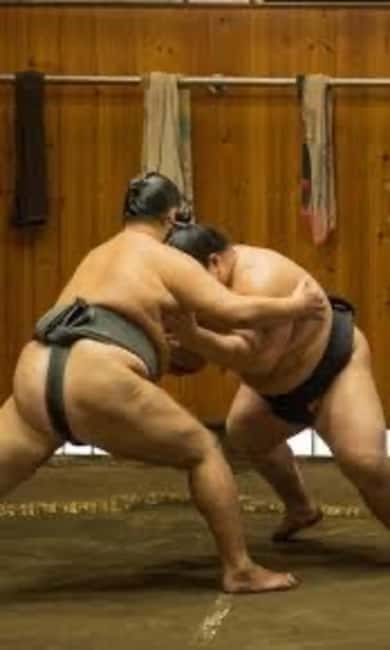
Tokyo Grand Sumo Tournament Viewing Tour with Tickets
Read our review →Browse the lists this tour appears in