
REVIEW · GRAND SUMO TOURNAMENT TOURS
Tokyo: Grand Sumo Tournament Tour
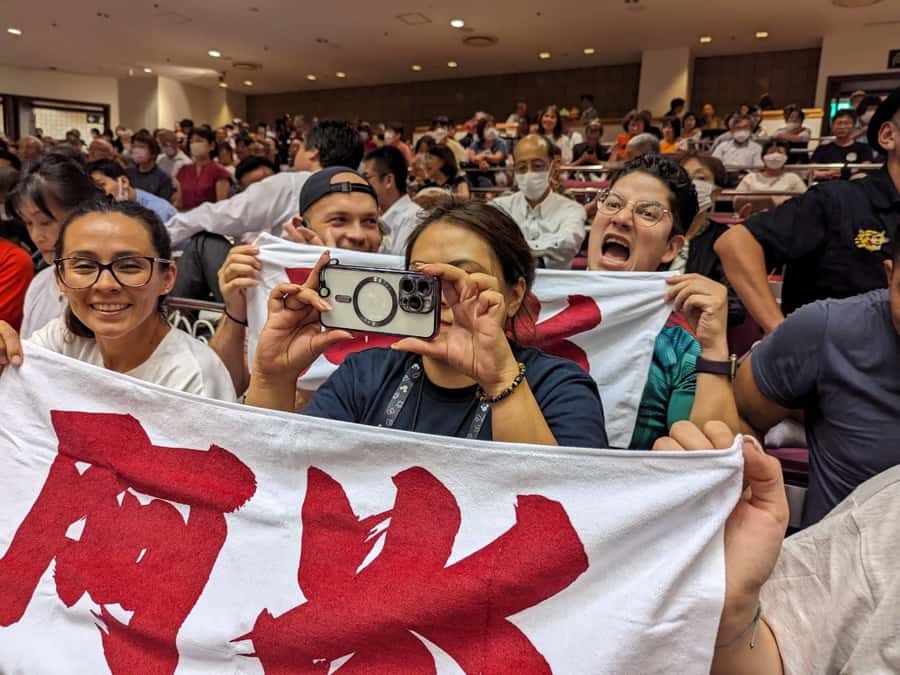
A Grand Sumo tournament is much easier to enjoy when someone explains what is happening before and during the bouts. This small-group tour pairs a walk around Ryogoku with live arena commentary, so you learn about the wrestlers, rules, rituals, and rank while the action unfolds. I especially like the chance to see sumo stables from outside and the lively cheering with your guide.
I also like the maximum group size of 10, plus the pamphlet that helps you follow the wrestlers and matches. The main drawback is value: at $195 per person, the tour costs far more than a ticket alone, and some seats are high in the arena. The headset can also be hard to hear at times.
Key points to know before booking
- Two-part experience: Choose the 13:00 to 15:00 Ryogoku history walk, then watch bouts from 15:00 to 18:00.
- Live English guidance: A local sumo guide explains the action through a headset and answers questions during the tournament.
- Small group size: The tour is limited to 10 people, which makes it easier to stay close to the guide.
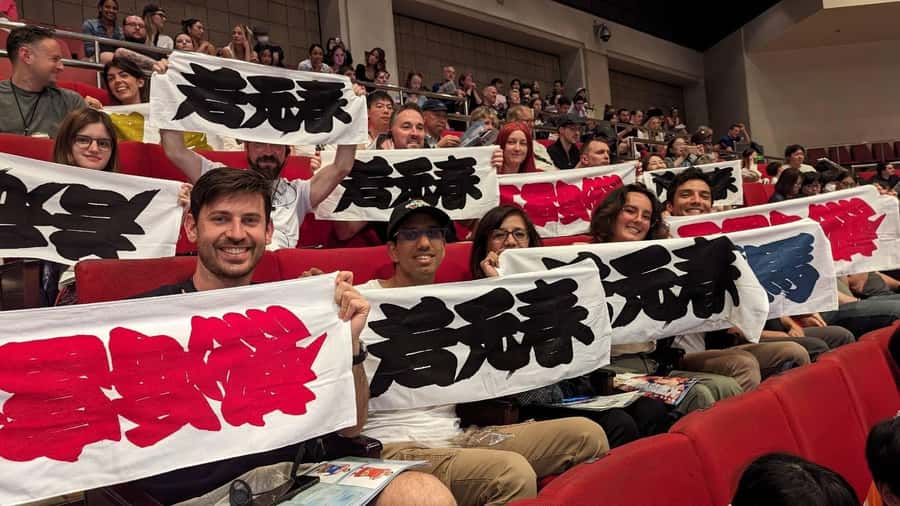
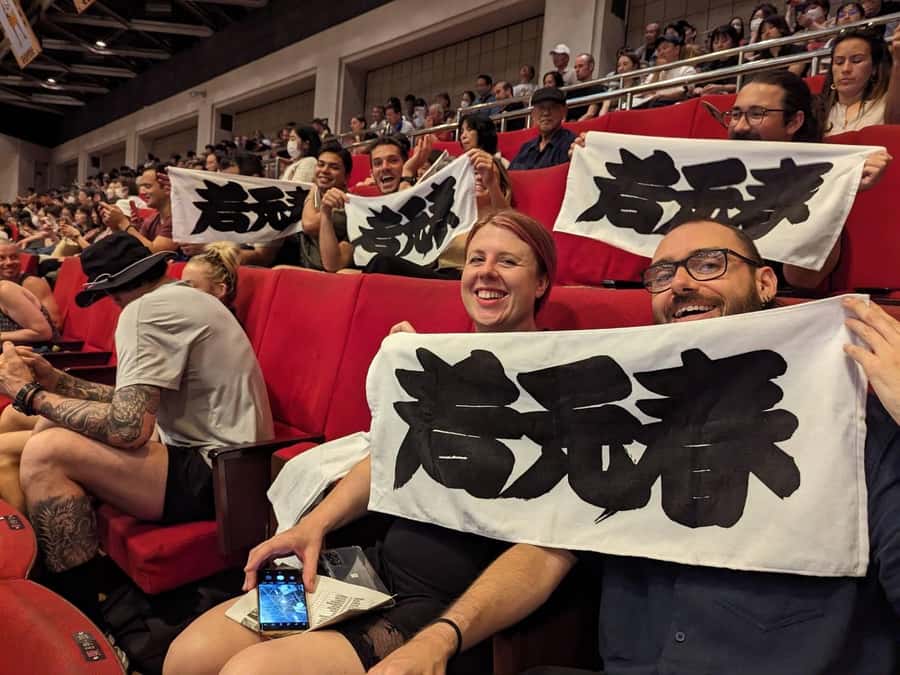
- Useful sumo extras: You receive an English pamphlet, a cheering towel, and a tournament information package.
- Optional chanko dinner: Add the hearty dish associated with sumo wrestlers, with drinks ordered separately.
- Seating varies: Tickets use chair B or chair C seats, so your view may be higher than expected.
Why live commentary changes the sumo experience
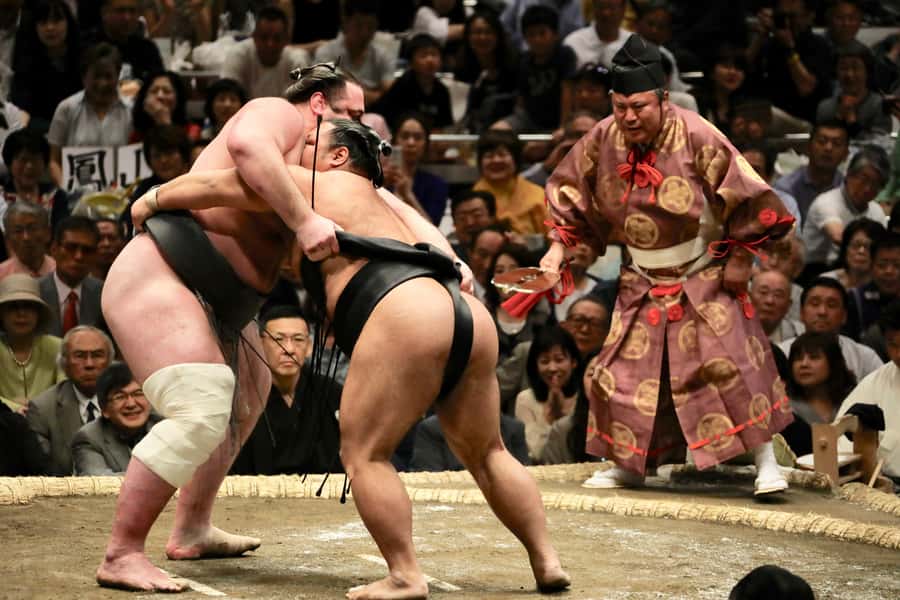
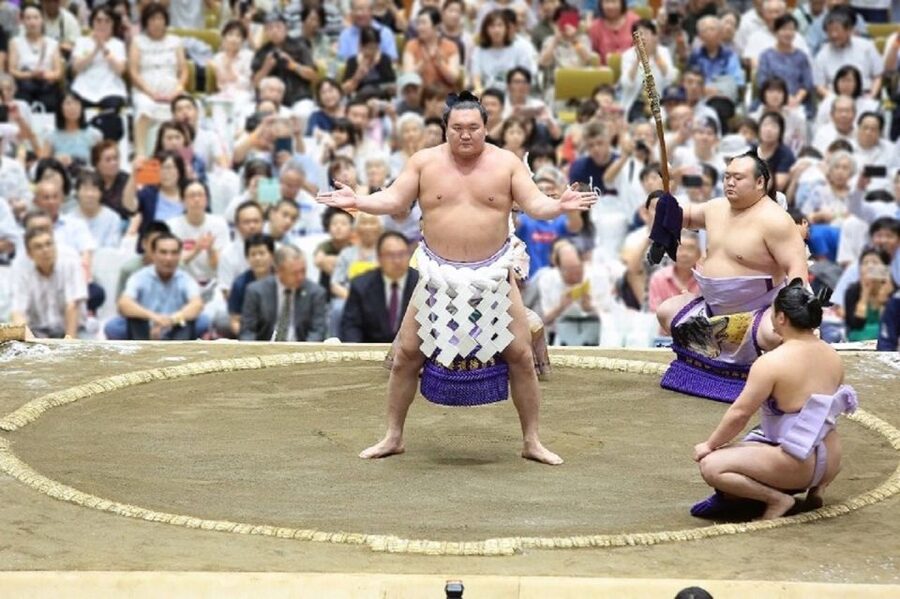
At first glance, a sumo tournament can seem simple: two huge wrestlers face each other, collide, and one is pushed or thrown out of the ring. The details are far more interesting. Rank, ritual, technique, stable affiliations, scoring, and wrestler form all affect what you are seeing.
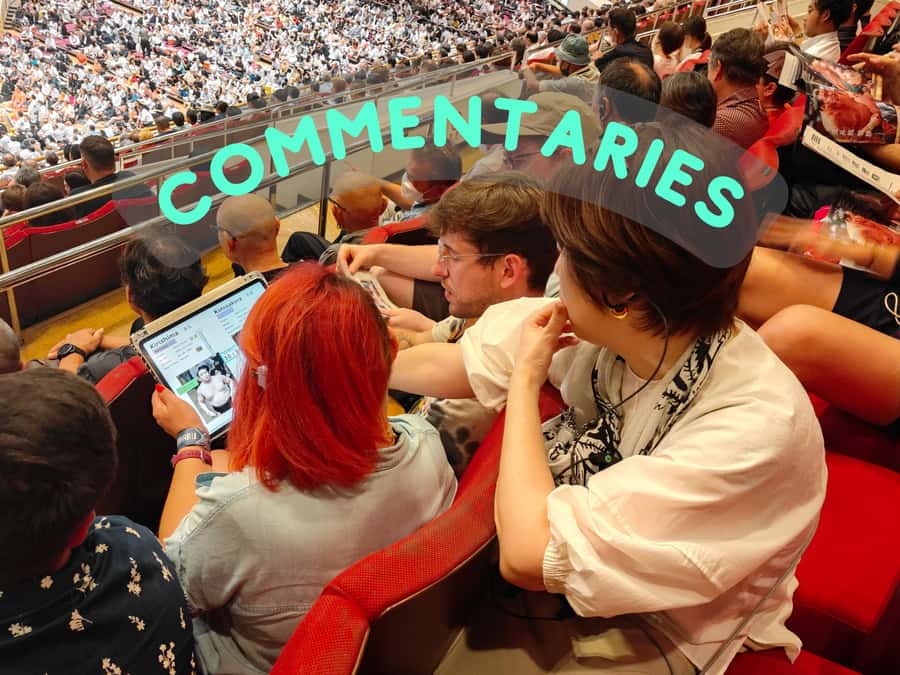
That is where this tour earns its keep. Your guide talks you through the bouts as they happen, rather than leaving you to study a rule sheet after the fact. A pamphlet helps you keep track of names, facts, and match information, while the guide adds context that is harder to get from a standard ticket.
The real-time element matters most during the upper-division bouts. You can ask about a wrestler, a gesture, or a decision while the subject is still fresh. The guide also helps build the excitement in the arena, including a chance to cheer for a wrestler together.
The experience is conducted in English. Past guides have included Jeff, Yoko, Taka, Dawn, Yosh, Bruce, and Yuki. The exact guide is not fixed, but the strongest feedback consistently points to clear English, good energy, and a real interest in explaining sumo rather than simply leading you to a seat.
More tournament tours in Tokyo:
- Tokyo: Sumo Tournament Tour with Chair Seat Tickets
★ 4.6 · 753 reviews - Tokyo Grand Sumo Tournament Viewing Tour with Tickets
★ 5.0 · 692 reviews - Tokyo Sumo Wrestling Tournament Experience
★ 5.0 · 660 reviews
Ryogoku from 13:00 to 15:00: the optional history walk
The first part begins at the left side of the Kokugikan arena’s front gate. If you choose the full option, you spend roughly two hours walking around Ryogoku, Tokyo’s sumo district, before entering the arena for the main viewing period.
This is not just spare time before the match. Ryogoku is tied closely to sumo, and the walk gives you a useful setting for the sport. You visit sumo-related landmarks and look at stables from outside. These are the places where wrestlers live and train, so even an exterior view helps connect the tournament to the daily life of the sport.
You should not expect to enter a stable or watch a formal practice. The value comes from seeing the neighborhood through a sumo guide’s eyes and learning what the various sites mean. Your guide can explain the customs and background that make the tournament feel less like a stand-alone sporting event.
This portion suits you if you want cultural context, enjoy walking, or are new to sumo. It is less essential if you already know the sport or mainly want to see the top bouts. One useful point from the timing: the biggest matches and strongest arena atmosphere come later in the day, so the early walk is about preparation rather than the main spectacle.
If you prefer a shorter outing, choose the sumo-viewing-only option from 15:00 to 18:00. That is a sensible choice for anyone who has limited energy, has already explored Ryogoku, or wants to focus on the tournament itself.
Inside Kokugikan from 15:00 to 18:00
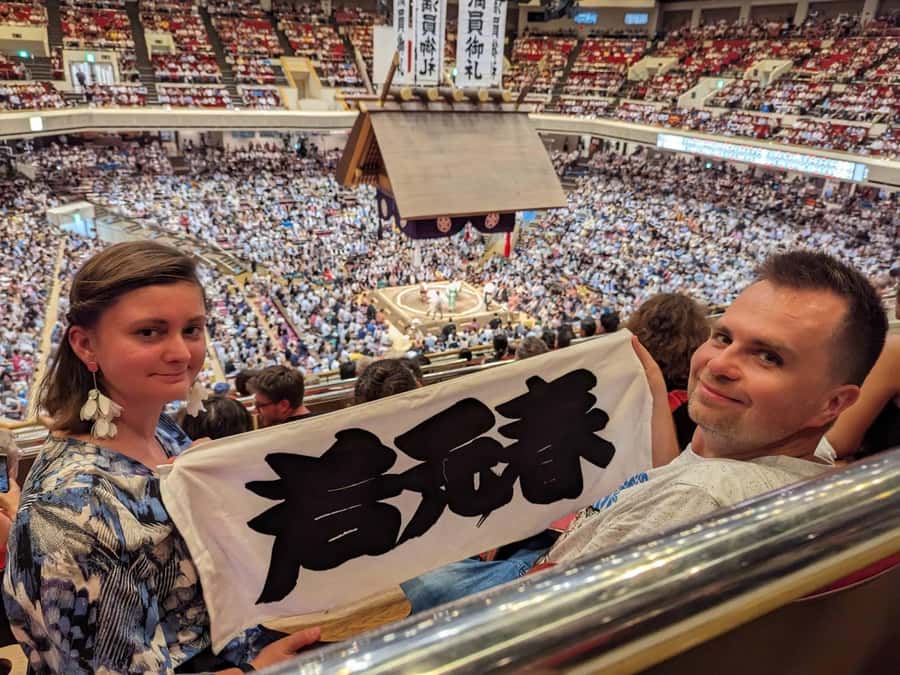
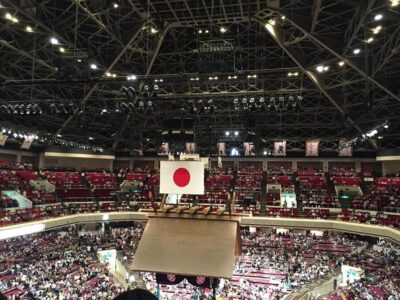
The arena portion runs from 15:00 to 18:00. You sit in either a chair B or chair C seat, depending on the option selected. These are not necessarily close ringside seats. One person found the view high in the arena but still had a clear look at the dohyo, the sumo ring.
That distinction matters when you compare the $195 price with the cost of buying a ticket directly. A ticket by itself can be much cheaper, and you should not book this expecting premium ringside placement. The value is in the added explanation, organization, and cultural background.
From your seat, you follow the bouts while your guide provides commentary through a headset. The equipment is intended to let you hear clearly even when the guide is some distance away. In practice, audio quality can vary. Some people found the headset difficult to hear, especially amid the noise of the arena, while others simply removed it and listened when the guide was nearby.
The guide can also help with the rhythm of the event. Sumo has pauses, formal movements, and stretches of activity that may seem slow if you do not know what to watch for. With someone pointing out the relevant details, the waiting becomes part of the ceremony rather than dead time.
The late afternoon is when the day gathers force. The top-division wrestlers bring more attention, the crowd becomes more involved, and cheering feels natural rather than forced. You receive a cheering towel, which adds a small but welcome sense of participation.
What the guide adds beyond a ticket
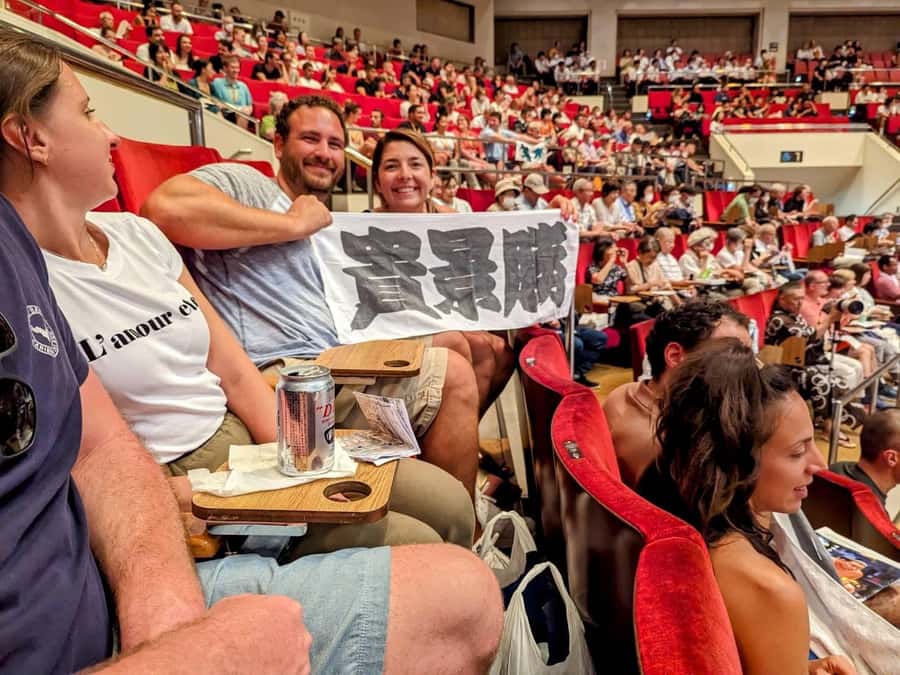
Buying a ticket on your own can be the better choice if you already understand sumo and feel comfortable working out the arena on your own. For a first tournament, though, the guide gives you a much fuller experience.
I would especially value the guide for four reasons:
- You learn the basic structure of sumo before the main bouts.
- You can ask questions as the matches progress.
- You receive help using the tournament pamphlet and following the wrestlers.
- You get cultural details that are easy to miss when watching alone.
The guides bring different personalities. Jeff has been praised for being lively and informative. Taka has been noted for strong English, good energy, and an ability to answer questions. Yoko has helped explain both sumo facts and history in detail, while Yuki has added fun facts about individual wrestlers.
That does not mean every guide will use the same style. It does mean the tour depends heavily on the person leading it. The supplied headset is helpful in principle, but do not assume it will remove every sound problem. Stay close enough to the guide when practical, and ask for a repeat if the audio becomes unclear.
More sumo experiences in Tokyo:
- Tokyo: Sumo Show Experience with Chicken Hot Pot and a Photo
★ 4.8 · 6,678 reviews - Tokyo: Sumo Show and Dining Experience
★ 4.8 · 2,742 reviews - the SUMO show
★ 5.0 · 1,960 reviews - Tokyo Shinjuku Sumo Show & Experience with Photo
★ 5.0 · 1,750 reviews
Chanko dinner: a useful cultural add-on
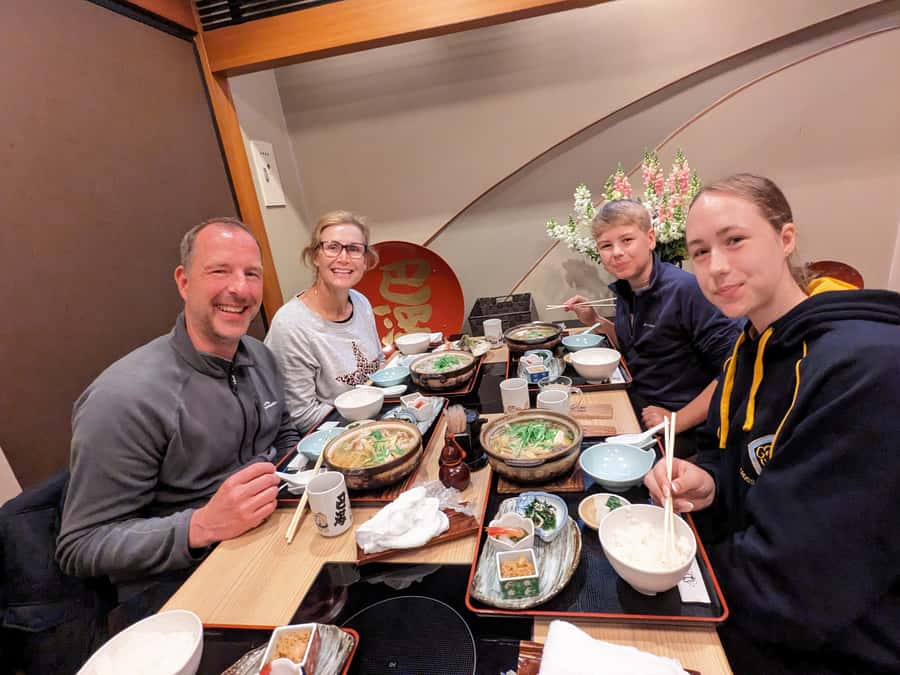
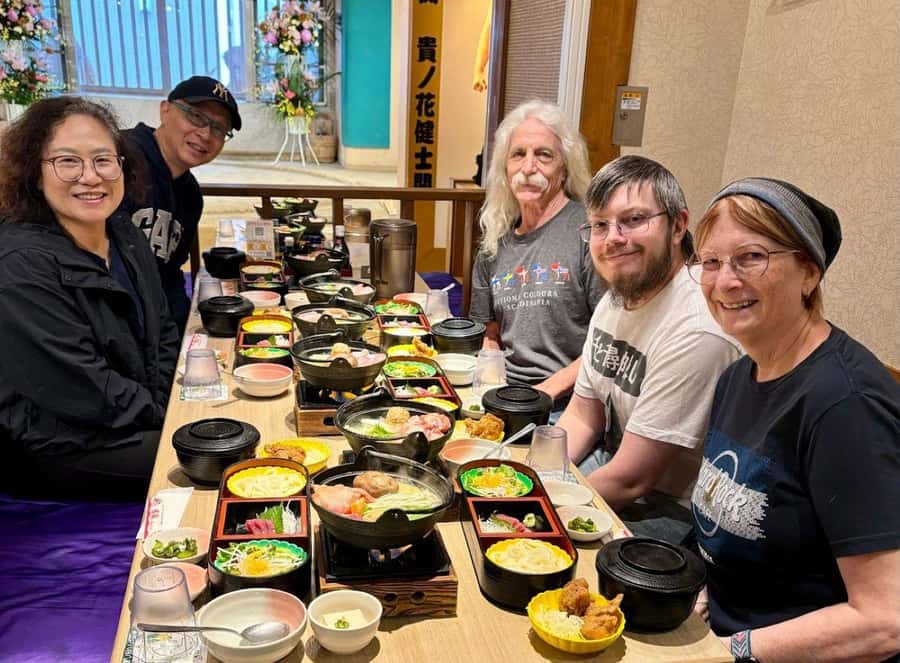
You can add a chanko dinner to the booking. Chanko is the nutrient-heavy dish commonly associated with sumo wrestlers, who eat it to help build muscle and body weight.
This option gives the day a food component tied directly to the sport. It is more meaningful than simply adding an unrelated restaurant meal, since chanko is part of the sumo world you have been learning about. It also creates a natural way to keep the experience going after the arena portion.
Drinks are not included and must be ordered separately. Check the exact combination of options when booking, since the activity is offered with different arrangements for the history walk, tournament viewing, dinner, and seating.
Is $195 a fair price?
The price is $195 per person. That is expensive if you are measuring only the value of the seat. A ticket bought through the sumo organization may cost much less, and one person specifically felt the tour price was high even after enjoying the event.
The calculation changes if you would otherwise struggle to understand the tournament. You are paying for a local certified guide, a small group capped at 10 people, English commentary, the walking tour if selected, the pamphlet, the headset, and a cheering towel. The guide also saves you from having to research sumo customs and wrestler information on your own.
I see the tour as a learning service attached to a major sporting event, not as a cheap way to obtain admission. If your priority is the lowest ticket price, skip the tour and buy independently. If your priority is understanding what you see, the extra cost can make sense.
The best value may be the sumo-only option. You still receive the guide’s explanations and arena support, but you avoid paying for a two-hour walk you may not need. The full version is better for a first visit to Ryogoku and for people who want the cultural story before the match.
Timing, meeting point, and practical planning
The meeting point is at the left side of the front gate of the Kokugikan arena. The activity finishes back at the same meeting point, so plan your onward transportation from there.
The full schedule is built around:
- 13:00 to 15:00, optional landmark and history walk
- 15:00 to 18:00, tournament viewing with commentary
- Chanko dinner, if selected
The long version can feel like a full afternoon, particularly if you wear the headset for several hours. One family found the walk longer than necessary and felt the day could have been arranged more efficiently. That is a fair concern if you have children, limited stamina, or a packed Tokyo schedule.
On the other hand, the gradual build works well. You start with the neighborhood and its sumo connections, then move into the arena as the more important bouts approach. You do not need to arrive at 13:00 if you book the viewing-only option.
Infants aged 0 to 3 are free, but they must sit on an adult’s lap. You need to tell the operator how many infants are joining. The activity is not suitable for wheelchair users. Cancellation is allowed up to 24 hours before the start for a full refund, and you can reserve now while paying later, which helps if your Tokyo plans are still shifting.
Who will get the most from this tour?
This is a strong match for you if:
- You are new to sumo and want the rules and customs explained.
- You enjoy cultural tours as much as sporting events.
- You want live English guidance rather than a printed explanation alone.
- You prefer a small group to a large organized crowd.
- You want to combine a Ryogoku walk with an afternoon in the arena.
- You are willing to pay more for context and convenience.
It may not suit you if you only want the cheapest available ticket, need wheelchair access, or dislike long afternoons with a headset. It is also worth thinking twice if you already know sumo well and are comfortable following the tournament without help.
Families can enjoy it, but the length and sound equipment may test younger children. Infants can attend free on a lap, but the seating arrangement is not designed to give them their own place.
Should you book the Tokyo Grand Sumo Tournament Tour?
Book it if your main goal is to understand sumo while you watch it. The local guide, small group, pamphlet, live explanations, and Ryogoku walk turn a confusing afternoon into a guided introduction to one of Japan’s most distinctive traditions.
Choose the 15:00 to 18:00 viewing-only option if you want the essential experience without the longer walk. Add the chanko dinner if food connected to sumo appeals to you. Skip the tour and seek a ticket alone if price matters most or you already have a strong grasp of the sport.
At $195, this is not a bargain admission ticket. It is a structured cultural experience built around a real tournament. For a first visit, that extra layer of explanation is the reason to book.
FAQ
Where does the sumo tour meet?
Meet at the left side of the front gate of the Kokugikan arena. The activity ends back at the same meeting point.
What time does the tour start and finish?
The optional history and landmark walk runs from 13:00 to 15:00. The arena viewing portion runs from 15:00 to 18:00.
Can I book only the tournament viewing?
Yes. A viewing-only option runs from 15:00 to 18:00. You can also choose the longer option that includes the Ryogoku walking tour.
What kind of seats are included?
The tour uses chair B seats and chair C seats. The exact seat option depends on the booking you choose.
Is the chanko dinner included?
Chanko dinner is included only when you select the dinner option. Drinks are not included and must be ordered separately.
Is the tour suitable for wheelchair users and infants?
The activity is not suitable for wheelchair users. Infants aged 0 to 3 are free, but they must sit on an adult’s lap, and you should state how many infants will attend.
Newest sumo experiences in Tokyo
- Tokyo Highlights Tour: Sumo, Sushi, Tea, and Tokyo Tower★ 5.0 · 2 reviews
- Tokyo: Know about Hokusai and Sumo culture in 2.5 hours★ 5.0 · 2 reviews
- TOKYO , No1 Yokozuna Stable Morning Practice in Ryogoku★ 4.5 · 3 reviews
- Tokyo 6hr Private Guided Tour & Sumo Show Lunch★ 5.0 · 3 reviews
- Tokyo Grand Sumo Tournament Viewing Tour★ 5.0 · 2 reviews
- Tokyo Sumo History Tour with Chanko Nabe Lunch★ 5.0 · 3 reviews
- Tokyo: Sanctuary Authentic Grand Sumo Experience & Training★ 5.0 · 7 reviews
- The SUMO Show & Experience with Hot pot lunch★ 5.0 · 4 reviews
Grand Sumo Tournament Tours, compared.
Tokyo Grand Sumo Tournament Viewing Tour with Tickets
Read our review →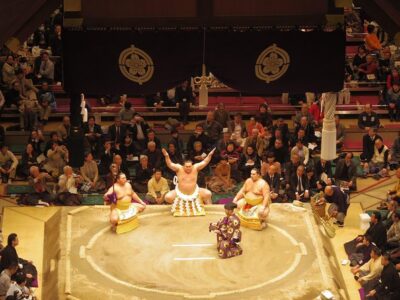
Ultimate Sumo Tournament: Tokyo, Osaka, Nagoya, Fukuoka
Read our review →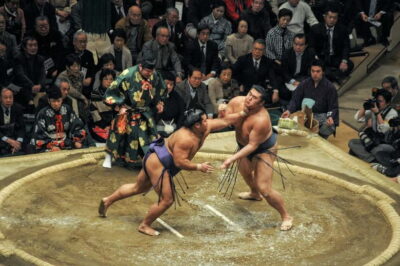
Sumo Tournament with Guide & Assigned Reserved Seat
Read our review →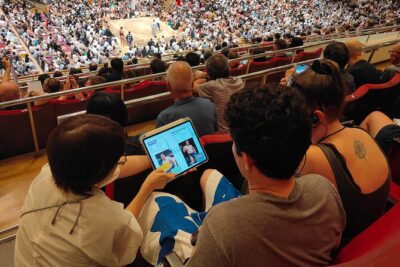
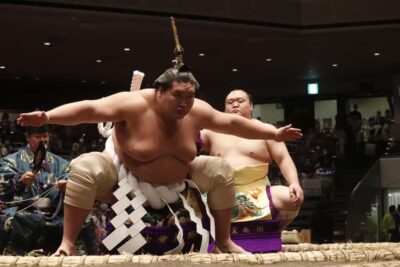
Sumo Wrestling Tournament with Chair Seat Tickets
Read our review →November Sumo Tournament tour in Fukuoka (Tickets Included)
Read our review →Browse the lists this tour appears in