
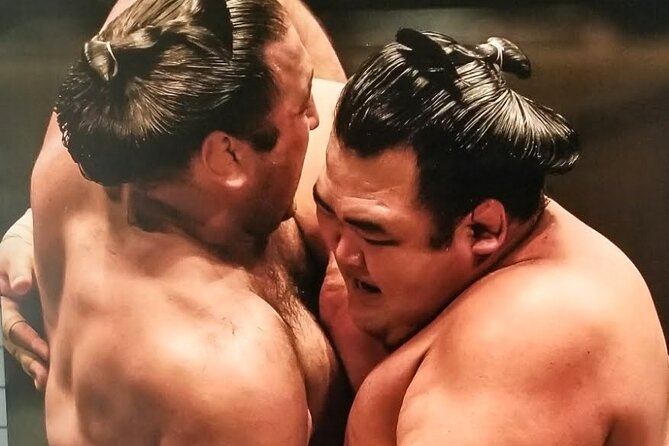
REVIEW · GRAND SUMO TOURNAMENT TOURS
Grand Sumo Tournament Tokyo – Osaka – Nagoya
A grand sumo tournament gives you one of Japan’s most memorable sports experiences: stomping rituals, formal ceremonies, sudden bursts of force, and a crowd that reacts to every shove. I like the chance to see local fans at play, not just sumo as a museum display. I also like the option to choose a better seat, since your view can shape the whole afternoon.
The main catch is the price. The listed cost is $946 per person, and sold-out dates may involve a large markup over the printed ticket price. Also, the core Tokyo format is ticket only, with no guide or transportation included, although some arrangements with Ken or Shin have included a helpful pre-match introduction.
Key points to know before booking
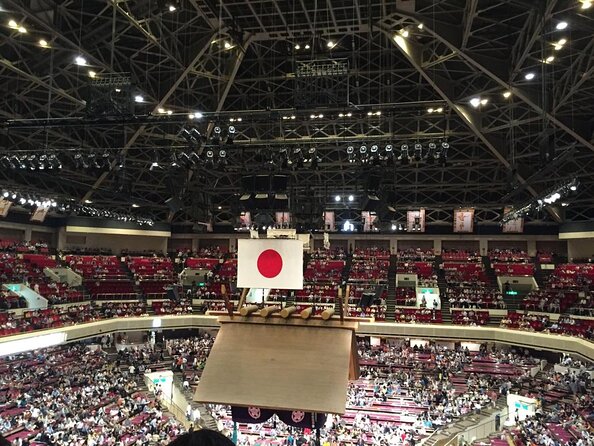
- Ryogoku Kokugikan is the Tokyo setting: This is the country’s best-known sumo venue and the natural place to watch a tournament in Tokyo.
- The match feels like a major sporting event: Fans cheer, react loudly, and create a festive atmosphere around the formal rituals.
- Ken and Shin may add a guided introduction: Some arrangements include explanations of sumo rules, ceremonies, and local sights, but the basic ticket format does not promise a guide.
- Paper tickets are supplied: You receive admission, but you must handle your own transportation to the meeting point and arena.
- Seat upgrades are available: Better seats cost extra and may make sense if this is a once-in-a-lifetime visit.
- The booking is non-refundable: Check the date, city, seat details, and price carefully before paying.
Why a sumo tournament is worth your afternoon
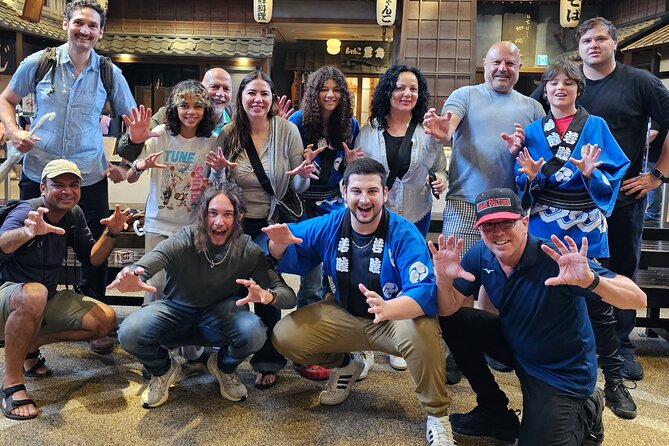
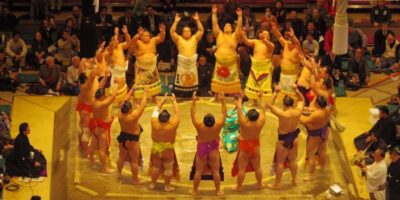
Sumo looks simple until you see it live. Two wrestlers face one another, perform a series of ritual movements, and then explode into action. A bout can last only seconds, yet the buildup gives it weight. The ring is not merely a place for sport. It is a formal stage where movement, costume, ceremony, and rank all matter.
A live tournament also gives you a slice of ordinary Japanese sports culture. Fans cheer for favorites, eat at food stalls, and treat the day as a social outing. The mood is generally lively and good-natured, with none of the stiff silence you might expect from a formal cultural performance.
I especially like this experience for people who want something beyond temples and shopping streets. You are not just looking at an old custom from behind a rope. You are watching a living event that still matters to local audiences.
The timing also works well for a city visit. The advertised duration is about four hours, enough for a satisfying session without consuming your entire day. The exact amount of wrestling you see can depend on when you enter and how the tournament schedule unfolds, so arriving early is a smart move.
More tournament tours in Tokyo:
- Tokyo: Sumo Tournament Tour with Chair Seat Tickets
★ 4.6 · 753 reviews - Tokyo Grand Sumo Tournament Viewing Tour with Tickets
★ 5.0 · 692 reviews - Tokyo Sumo Wrestling Tournament Experience
★ 5.0 · 660 reviews
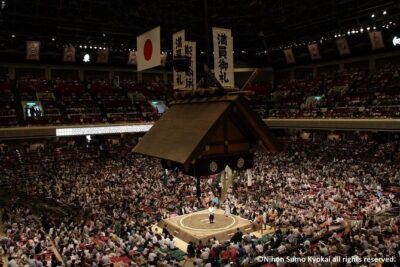
Ryogoku Kokugikan, Tokyo’s sumo home
In Tokyo, the meeting point is Ryōgoku Edo NOREN, near Ryogoku Kokugikan in Sumida City. The area is closely tied to sumo, so even the walk toward the arena helps set the mood. You are not being dropped at a random stadium on the edge of town. You are heading into a district where the sport is part of the local identity.
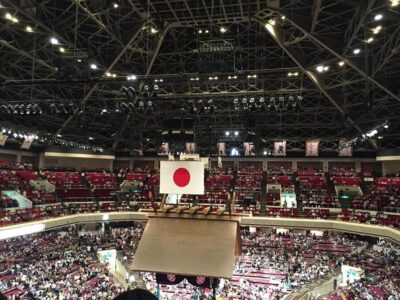
The arena itself is the focus of the outing. Once inside, you can expect a crowd watching bouts, reacting to the big moments, and enjoying the surrounding food and festival atmosphere. One useful tip is to go early. That gives you more time to find the correct entrance, settle into your seat, inspect the arena, and enjoy the activity outside the main bouts.
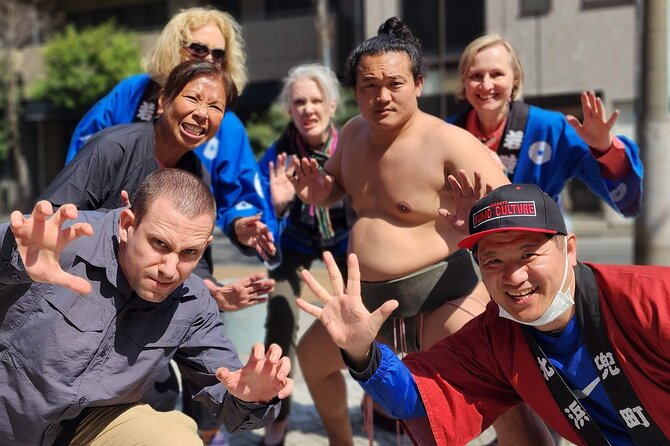
There may also be a chance to see sumo wrestlers near the entrance. This is not guaranteed, but the area around a tournament can feel festive before the main action begins. Food stalls add another pleasant part of the day, especially if you want to treat the tournament as a cultural outing rather than a single sporting event.
The venue can be confusing if you do not know where your seats are. The ticket details are important, and you may need help finding the correct section. Staff members are available, and a host can sometimes assist, but the basic ticket-only arrangement does not promise personal escort service inside.
What happens during the tournament
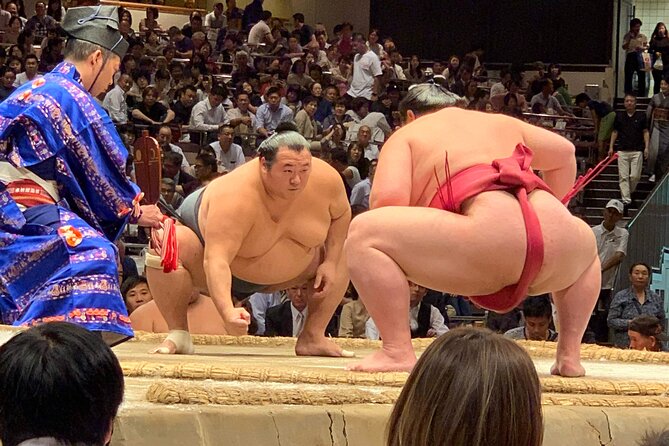
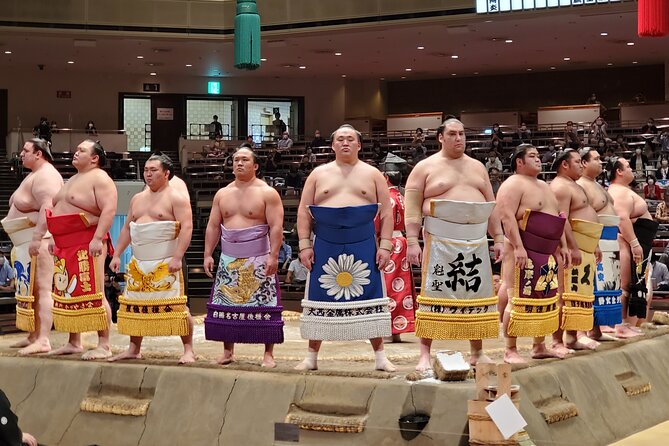
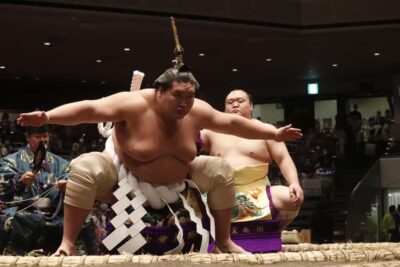
The sumo match is built around ritual as much as physical strength. Wrestlers enter, prepare, and perform established movements before the actual contest. These pauses may seem mysterious if you have never watched sumo, but they become far more interesting once you understand what they mean.
The main bout is decided when one wrestler forces the other out of the ring or makes any part of the body other than the feet touch the ground. That basic rule is easy to grasp, but the tactics are more varied than the first few matches suggest. Wrestlers use balance, timing, grip, momentum, and body position. The winner is not always the biggest man.
A tournament also lets you see how fans behave. Cheering rises and falls with the action, and the crowd becomes part of the entertainment. This is one of the strongest reasons to attend in person. Watching clips online can show you the collision, but not the collective reaction around it.
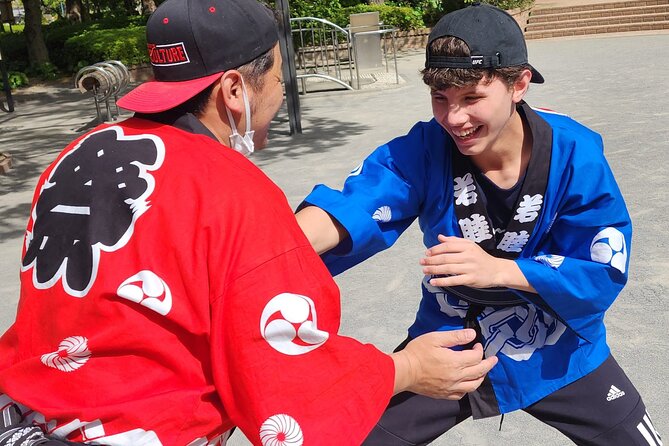
If you attend with Ken or Shin, the experience may include more than sitting in the arena. Past arrangements with Ken have included an introduction to sumo rituals and rules, stories about the area, and explanations before entering the stadium. Some groups have also tried playful sumo bouts, with participants taking turns as wrestlers and referees. That sort of activity can be a lot of fun for families and groups.
Still, make sure you know which format you are booking. The stated Tokyo experience is a ticket-only event with no tour guide. Guided elements described for Ken and Shin appear to apply to certain arrangements rather than every booking. Ask before paying if you specifically want an introduction or escort.
Tokyo, Osaka, or Nagoya: choosing the right tournament
The experience is offered for grand tournaments in Tokyo, Osaka, or Nagoya, depending on the available date. The supplied Tokyo itinerary is centered on Ryogoku Kokugikan. Osaka and Nagoya have different venues and meeting arrangements, so do not assume that the Tokyo meeting point applies to those cities.
Your choice may come down to your wider Japan schedule. If you are already in Tokyo, Ryogoku is the straightforward option. If your route includes Osaka or Nagoya during a tournament period, attending there may save a long detour. The essential experience remains the same: a live grand tournament, Japanese fans, formal ceremony, and reserved entry.
Dates matter a great deal. Popular tournaments can sell out, which is where the price issue becomes serious. A sold-out event may require tickets sourced above the printed face value. That can explain a large gap between the amount printed on a paper ticket and the amount you paid, but it does not make the cost feel small.
Before you book, confirm all of these points:
- Which city and venue you are receiving
- The exact tournament date
- The seat category
- Whether the ticket is standard or upgraded
- Whether a guide is included
- Where you must meet
- Whether the price reflects a sold-out event
That short check can prevent the two biggest frustrations: paying far more than expected and arriving with the wrong idea about what is included.
More sumo experiences in Tokyo:
- Tokyo: Sumo Show Experience with Chicken Hot Pot and a Photo
★ 4.8 · 6,678 reviews - Tokyo: Sumo Show and Dining Experience
★ 4.8 · 2,742 reviews - the SUMO show
★ 5.0 · 1,960 reviews - Tokyo Shinjuku Sumo Show & Experience with Photo
★ 5.0 · 1,750 reviews
What the $946 price really means
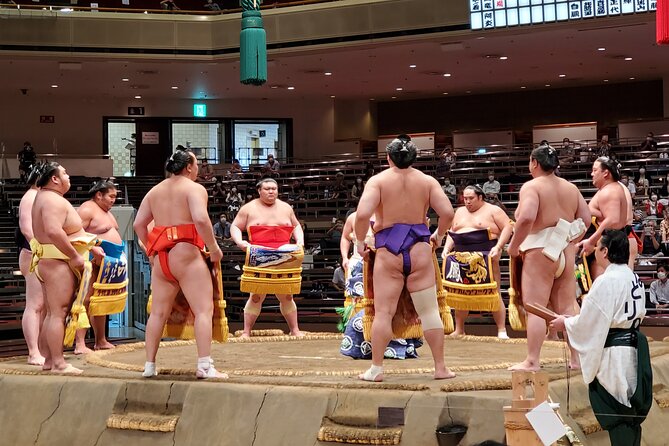
At $946 per person, this is not a casual budget activity. The value depends heavily on the date, seat, and availability. If you are visiting during a sold-out tournament and have no practical way to secure admission yourself, the booking service may solve a real problem. You pay for access and convenience at an event that can be difficult to arrange from overseas.
But the price is high enough that you should compare it with the printed ticket value and ask about any markup before committing. The supplied experience information explains that tickets can cost more when the event is sold out. That is useful context, but you still need to decide if the convenience justifies the premium.
An upgraded seat can make sense for a special occasion. Sumo rings are not enormous, and a closer view helps you follow the wrestlers’ footwork, grips, and expressions. If your budget is limited, the standard seat may still deliver the atmosphere, which is arguably the most important part of attending live.
The value also changes if Ken or Shin is included. A host who explains the rituals, helps with orientation, and adds local context can make the afternoon easier for a first-time visitor. If the service is ticket only, you are paying mainly for the admission arrangement, not a guided tour.
The guide question: Ken, Shin, or no guide
The information for this experience contains two different formats, and you should understand the distinction. The formal Tokyo details describe a paper ticket, no transportation, no tour guide, and a meeting point near Ryogoku. That is a self-guided visit.
Some arrangements connected with Ken and Shin include much more personal help. Ken has led introductions around the arena, explained the history and rules of sumo, and helped groups see the matches from different vantage points. He also practices sumo, which gives his explanations a personal angle rather than a purely academic one.
Shin has also been named as part of the hosting team. Guided sessions have included practical instruction, explanations of rituals, and interactive moments that work well with teenagers and families. If that sounds like the experience you want, confirm that the host-led version is available for your selected city and date.
Do not assume that the presence of a guide is included simply because guided arrangements exist. The safest approach is to treat the advertised ticket as the basic product and verify any additional hosting separately.
Getting there and handling the practical details
Transportation is not included. You are responsible for reaching the meeting point at Ryōgoku Edo NOREN in Tokyo and returning afterward. The meeting point is near public transportation, which makes it reasonably practical, but the booking does not function as a hotel pickup or escorted city tour.
The activity ends back at the meeting point according to the stated plan. That gives you a clear starting and finishing place, but you should leave enough time to navigate the area and locate the correct entrance. Arriving early is especially sensible if you have paper tickets and need to sort out seating.
The group size can reach 20 people. That is small enough to be manageable if a guide is included, but the ticket-only format means you may simply be attending independently alongside other ticket holders.
Confirmation is provided at booking, and most people can participate. The experience is not described as requiring special athletic ability or prior sumo knowledge. You do not need to understand every ritual before you arrive. A basic explanation can help, but the crowd, ceremony, and sudden action are easy to appreciate on their own.
The booking is non-refundable and cannot be changed for any reason. That is one of the most important practical points. Check your schedule carefully before purchase, especially if you are choosing a high-priced, sold-out date.
Who will enjoy this most
I would recommend the tournament to a first-time visitor who wants a distinctly Japanese event rather than another sightseeing stop. It is also a strong choice for sports fans, families, and anyone curious about how ritual and competition share the same stage.
Teenagers can enjoy the action and the crowd, particularly if they receive the interactive introduction associated with Ken and Shin. Couples may find the tournament a memorable anniversary outing, but the price deserves extra thought if you are buying two tickets.
This may not suit you if you want a fully guided tour, hotel transportation, or a flexible cancellation policy. It is also not the best match for a strict budget unless the ticket arrangement solves a problem you cannot solve yourself.
Should you book the sumo tournament?
Book it if seeing a live grand tournament is high on your Japan wish list and you accept the premium price. The atmosphere, rituals, cheering, food stalls, and possibility of seeing wrestlers near the entrance create a far fuller experience than watching a short video.
Before paying, confirm the city, seat, tournament date, guide arrangements, and markup. If you only need admission, the ticket-only format may be enough. If you want help understanding the sport, ask specifically about a Ken or Shin hosted version.
For many visitors, this is a rare chance to see an important Japanese sport in its proper setting. Just treat it as a premium event booking, not a low-cost four-hour tour.
FAQ
Where does the Tokyo sumo experience begin?
The stated Tokyo meeting point is Ryōgoku Edo NOREN, at 1-chōme 3-20, 1st floor, in Sumida City. It is near Ryogoku Kokugikan.
Which cities offer this sumo tournament experience?
The experience is offered for grand tournaments in Tokyo, Osaka, and Nagoya, depending on the selected tournament and date.
How long does the experience last?
The stated duration is approximately four hours.
Is admission included?
Yes. Admission is included through a paper ticket.
Are upgraded seats available?
Yes. Better seats are available for an additional fee.
Is transportation included?
No. Transportation is not included, so you must make your own way to the meeting point and venue.
Is a tour guide included?
The basic format is described as ticket only, with no tour guide. Some arrangements with Ken or Shin may include explanations and assistance, so confirm this before booking.
How many people can join?
The activity can have a maximum of 20 participants.
Can I cancel or change my booking?
No. The experience is non-refundable and cannot be changed for any reason.
Newest sumo experiences in Tokyo
- Tokyo Highlights Tour: Sumo, Sushi, Tea, and Tokyo Tower★ 5.0 · 2 reviews
- Tokyo: Know about Hokusai and Sumo culture in 2.5 hours★ 5.0 · 2 reviews
- TOKYO , No1 Yokozuna Stable Morning Practice in Ryogoku★ 4.5 · 3 reviews
- Tokyo 6hr Private Guided Tour & Sumo Show Lunch★ 5.0 · 3 reviews
- Tokyo Grand Sumo Tournament Viewing Tour★ 5.0 · 2 reviews
- Tokyo Sumo History Tour with Chanko Nabe Lunch★ 5.0 · 3 reviews
- Tokyo: Sanctuary Authentic Grand Sumo Experience & Training★ 5.0 · 7 reviews
- The SUMO Show & Experience with Hot pot lunch★ 5.0 · 4 reviews
Grand Sumo Tournament Tours, compared.
Tokyo Grand Sumo Tournament Viewing Tour with Tickets
Read our review →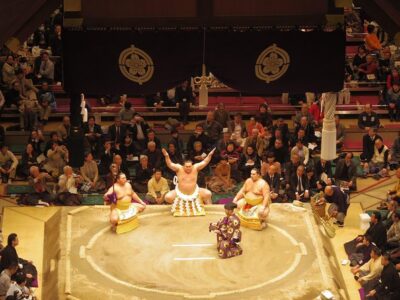
Ultimate Sumo Tournament: Tokyo, Osaka, Nagoya, Fukuoka
Read our review →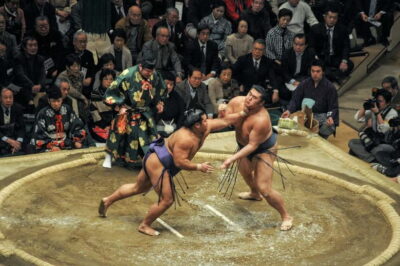
Sumo Tournament with Guide & Assigned Reserved Seat
Read our review →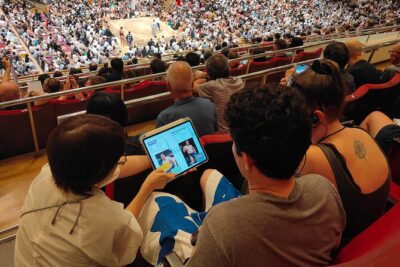
Sumo Wrestling Tournament with Chair Seat Tickets
Read our review →November Sumo Tournament tour in Fukuoka (Tickets Included)
Read our review →Browse the lists this tour appears in