
REVIEW · GRAND SUMO TOURNAMENT TOURS
Sumo Tournament Experience in Nagoya
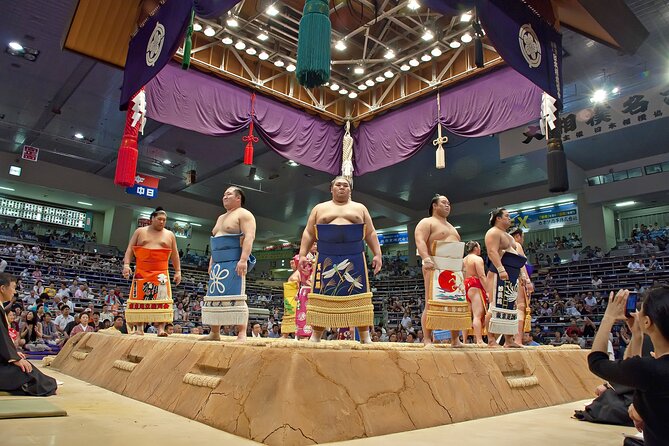
Nagoya’s July Grand Sumo Tournament is the main event here, not a staged demonstration or museum visit. You’ll learn the meaning behind salt purification and other rituals, greet wrestlers as they enter, then watch real matches beside local fans. I like the expert commentary and the chance to see sumo as a living sport, not just a photo opportunity.
I also like the practical touches: an English-speaking guide, audio headset, tournament ranking sheet, and reserved chair seating. Guides such as Kazou and Yoko have helped make the day personal and easy to follow. The main drawback is timing: you may wait before entering, and the tour needs at least 15 people to run.
Key points to know before booking
- Nagoya’s basho happens only in July: The official tournament lasts 15 days, so dates are limited.
- You greet wrestlers before the matches: The guide explains the arrival ritual and helps you know what to watch for.
- English commentary adds real value: You learn why wrestlers use salt, how rankings work, and how the tournament is organized.
- Reserved chair seats are included: Seating varies by package, with A-class and higher seat options listed.
- Optional chanko dinner extends the experience: Choose the hot pot meal at checkout and request vegetarian food at least one week ahead.
- This is a group event, not a private outing: Expect roughly 15 to 20 people, with a maximum of about 24 depending on the arrangement.
Why Nagoya’s July tournament matters
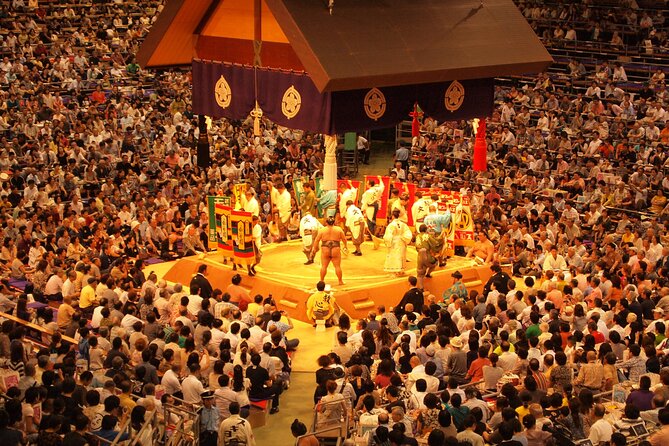
Sumo tournaments, called basho, take place six times each year in Japan. Tokyo hosts three, while Osaka, Nagoya, and Fukuoka each host one. Nagoya’s tournament is held in July, and the tournament itself runs for 15 days, beginning and ending on a Sunday.
That narrow schedule shapes the whole experience. If your Japan trip does not fall in July, this particular outing is not available. If it does, booking early matters. The recommended window is about three months before your visit, with one month as the latest sensible target. Group tickets are released by the Sumo Association only about four to seven weeks before the tournament date, so even an early booking does not remove every bit of uncertainty.
I like this tour because it places you inside an official basho. You are not simply learning the rules in a classroom. You can see the ritual, the rankings, the wrestlers, and the changing mood of the arena as the matches build toward the top bouts.
More tournament tours in Japan:
- Tokyo: Sumo Tournament Tour with Chair Seat Tickets
★ 4.6 · 753 reviews - Tokyo Grand Sumo Tournament Viewing Tour with Tickets
★ 5.0 · 692 reviews - Tokyo Sumo Wrestling Tournament Experience
★ 5.0 · 660 reviews
Meeting the guide before the arena
The tour begins at 2:00 pm and lasts about four hours, though the full outing can reach five hours if dinner is added. The exact meeting point is sent by email at least one week before the date, so check your messages instead of assuming the group meets at the arena entrance.
Arrive at least 10 minutes early. This is a join-in group tour, and the guide may not be able to wait for late arrivals. If you miss the group, the tour continues without you and no refund is provided.
The group usually contains about 15 to 20 people, with a stated maximum of around 24. That size works well for an arena visit. It is large enough to make the guide’s commentary lively, but small enough for people to stay together most of the time. It can also create delays in narrow areas, especially around the Sumo Museum.
Your guide is the key to getting more from the afternoon. Kazou has been praised for explaining the wrestlers and tournament structure while also taking pictures of the group. Yoko is known for her enthusiasm and for making the event accessible to families, including children around nine and eleven years old. Guide assignments are not guaranteed, but an English-speaking local sumo expert is part of the experience.
Watching the wrestlers arrive
One of the most enjoyable parts happens before you settle into your seat. You can cheer for and greet famous wrestlers as they enter the stadium for their matches.
This is a useful moment to have a guide beside you. Sumo can look formal and quiet from the outside, but the arrival of the wrestlers gives you a better sense of the sport’s public side. Your guide can point out important names and explain what you are seeing, rather than leaving you to guess why people are gathering near the entrance.
The wrestlers live in communal training stables called heya, where much of daily life is controlled, including meals, clothing, and training. That system helps explain why the arrival ceremony feels more than a simple entrance. The wrestlers represent their stable, their rank, and the traditions that shape their entire routine.
You should expect some waiting before the group reaches its seats. The tour may need to wait until matches finish before entering a particular area. The Sumo Museum can also become crowded, and the guide may ask you to walk through it on your own rather than move a large group through tight spaces.
Inside the Aichi Prefectural Gymnasium
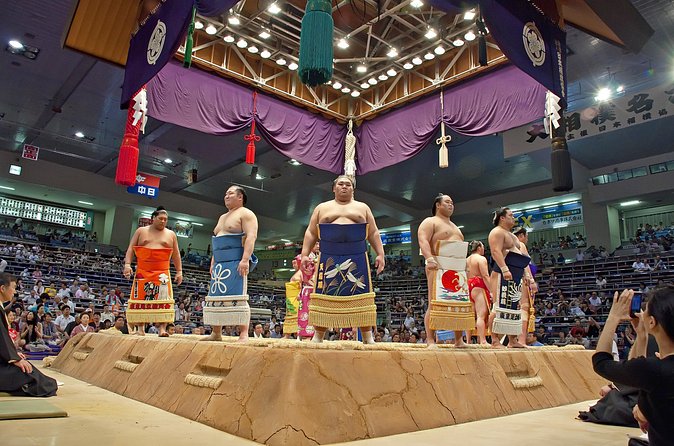
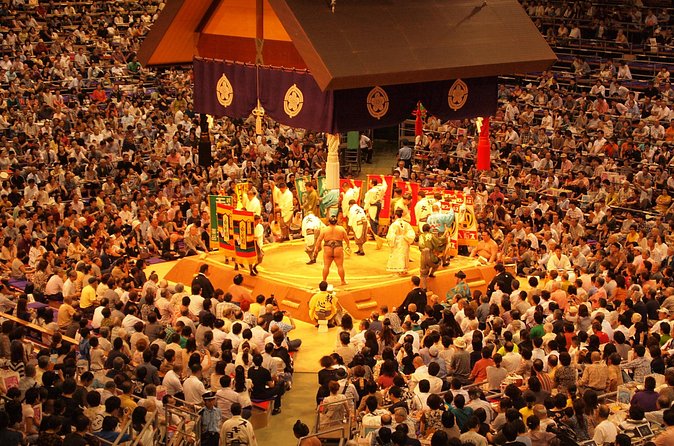
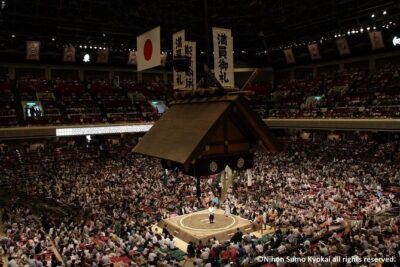
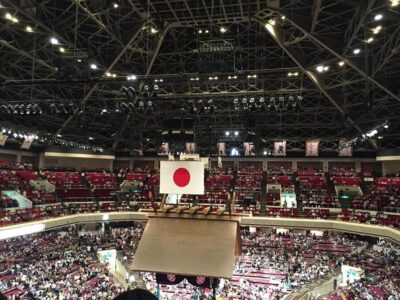
The central stop is the Aichi Prefectural Gymnasium, the official venue for Nagoya’s tournament. Once inside, you watch the matches from reserved chair seats and listen to the guide through an audio headset.
The seat category depends on the package. The information lists standard A-class reserved seating, with premium options and S-class or A-class seating available in some arrangements. Another description refers to B or C-class reserved seats, so I would confirm the exact category shown at checkout before paying. In all cases, the important point is that you receive reserved chair seating rather than having to find an open place on your own.
The seating arrangement also affects the feel of the tour. For the standard premium-seat join-in option, up to 20 people may sit together on the second floor with the English-speaking guide. That is convenient if you want ongoing explanations, though it is not the same as having a private guide or a flexible seat location.
The audio headset is a smart addition. Sumo arenas can be noisy, and the guide can explain the rules without requiring everyone to cluster around one person. You can follow the match while learning about the wrestlers, rankings, and customs.
The included banzuke-hyo, or ranking sheet, gives you a useful map of the tournament. Sumo ranks are not merely labels. They affect status, expectations, and how each wrestler is treated within the sport. The sheet helps you follow names and rank changes as the bouts progress.
More sumo experiences in Japan:
- Tokyo: Sumo Show Experience with Chicken Hot Pot and a Photo
★ 4.8 · 6,678 reviews - Tokyo: Sumo Show and Dining Experience
★ 4.8 · 2,742 reviews - the SUMO show
★ 5.0 · 1,960 reviews - Tokyo Shinjuku Sumo Show & Experience with Photo
★ 5.0 · 1,750 reviews
Understanding the rituals, not just the collisions
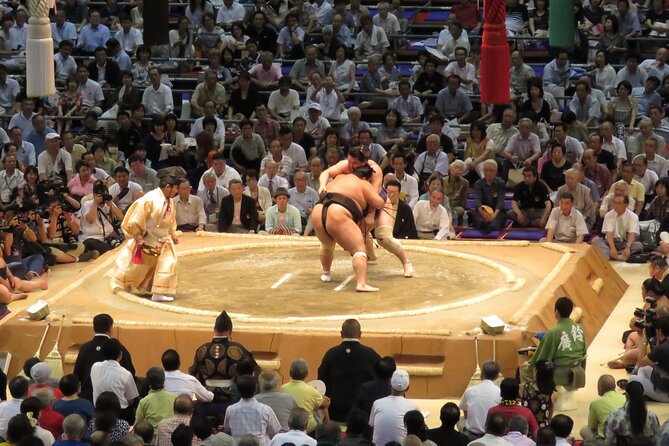
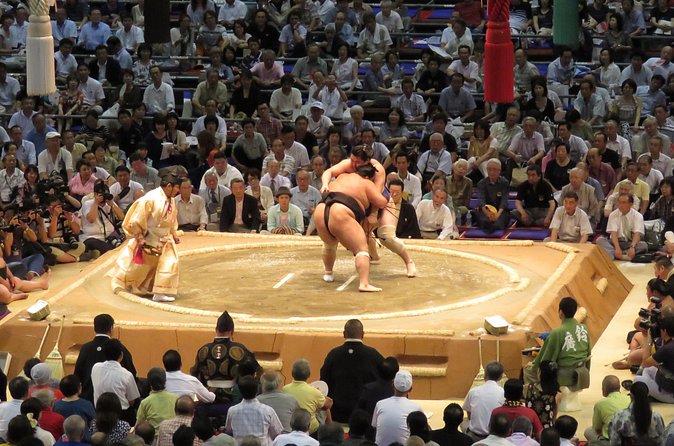
The action is easy to notice. The rituals take a little more help.
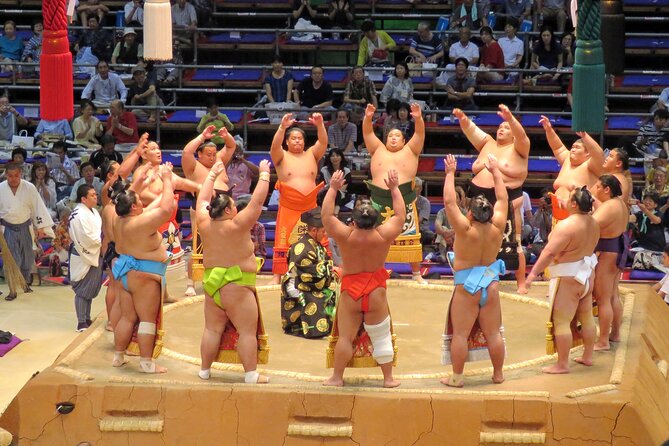
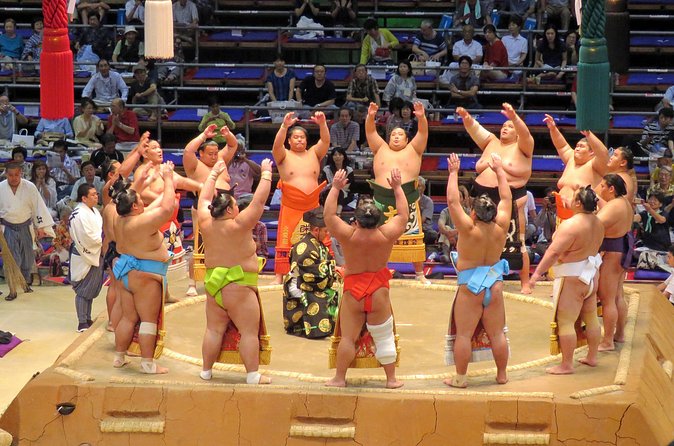
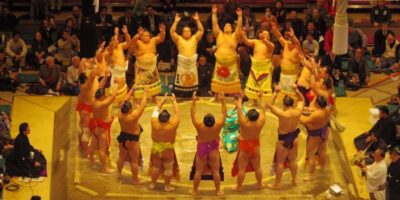
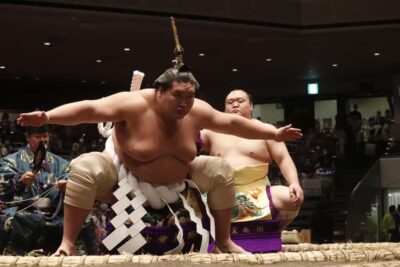
Your guide explains practices such as the use of salt for purification. You also learn how sumo preserves old customs while operating as one of Japan’s best-known sports. Sumo is treated as a gendai budo, or modern Japanese martial art, with rules and traditions that have developed over many centuries.
That context changes what you see. The pause before a bout is not wasted time. The wrestlers’ movements, gestures, and preparation have meaning. The ring is not just a platform, and the match is not simply about pushing an opponent outside it.
I especially value this part for first-time viewers. If you already follow sumo, the guide’s comments about current wrestlers and tournament rankings can add detail. If you are new to the sport, the explanations give structure to an event that can otherwise seem formal and hard to read.
The optional chanko hot pot dinner
You can add dinner at a local chanko restaurant when booking. Chanko nabe is the hot pot associated with sumo wrestlers. It typically uses chicken stock with vegetables, and the large pot suits a group that needs to eat together.
The meal adds a cultural layer to the day, though it is not included in the basic price. Drinks are not included either. If you want vegetarian food, make the request at least one week in advance through the special requirements field. Traditional broth usually contains pork or chicken, and the restaurant may substitute the broth, but changes cannot be made within one week once the request has been accepted.
This is best for you if you want the tournament to feel like a full afternoon and evening plan. If you mainly want to watch the matches, the basic experience keeps the cost lower and the schedule shorter.
Is $228.62 a fair price?
At $228.62 per person, this is not a cheap way to spend an afternoon. You are paying for more than a stadium ticket, though. The price includes reserved seating, an English-speaking sumo expert, the headset, the ranking sheet, and the work involved in obtaining group tickets during a tightly scheduled event.
The value is strongest for first-time visitors who want help making sense of sumo. Buying a seat alone may cost less, but you would need to identify the venue, understand the ticket system, follow the rankings, and interpret the rituals by yourself. The guide also helps you handle the arrival area and group movement.
For a serious sumo fan, the price depends on the seat category. Confirm whether your chosen package provides A-class, S-class, or another reserved section. The listed details describe several seat options, and the final category is important if your main goal is the clearest view.
Group discounts are available, which may improve the value for families or larger parties. The dinner option costs extra, so compare the total before booking.
Practical limits you should understand
The tour requires at least 15 participants. If that number is not reached, the operator may cancel and offer another date or a full refund. There is also a separate ticket risk: group tickets are released only four to seven weeks before the event. If tickets cannot be obtained, you may be offered another date or a full refund, with notice expected within four weeks of the tour.
Once planning begins, the experience is non-refundable and cannot be changed for personal reasons. That makes early planning useful, but it also means you should book only after your Nagoya dates are firm.
Hotel pickup is not included. The meeting point is near public transportation, but the exact location arrives by email at least one week before the tour. Most people can take part, and no special fitness level is listed.
Food and drinks are not included unless you select dinner. Outside food and drinks are not allowed inside the arena, but vendors sell food within the venue. Keep that in mind if you are planning a long afternoon.
Who will enjoy this most?
I would recommend this experience to three kinds of people:
- First-time sumo viewers who want clear explanations during the tournament.
- Families with older children who enjoy live sports and cultural traditions.
- Dedicated sumo fans who want to attend the Nagoya basho and see wrestlers arrive in person.
It is less suitable if you want a private tour, complete control over your schedule, or a guaranteed seat category without checking the package details. It is also a poor fit if your Japan trip is outside July, since Nagoya hosts its official tournament only once each year.
Should you book the Nagoya sumo experience?
Book it if you will be in Nagoya during the July basho and want more than a ticket. The combination of wrestler arrivals, ritual explanations, ranking information, headset commentary, and reserved seating gives you a clear way into a sport that can seem mysterious at first.
I would book early, confirm the exact seat category, arrive well before 2:00 pm, and decide in advance if the chanko dinner suits your plans. The group format and strict cancellation policy call for careful planning, but the experience offers something difficult to arrange alone: a guided afternoon inside one of Japan’s major sporting traditions.
FAQ
When does the Nagoya sumo tournament take place?
The official Nagoya tournament takes place in July. Each official tournament lasts 15 days, with the start and end dates falling on Sundays.
How long does the sumo tournament experience last?
The main experience lasts about four hours. Plan for roughly four to five hours overall, depending on the schedule and whether you add dinner.
What time does the tour begin?
The stated start time is 2:00 pm. You should arrive at least 10 minutes before the designated meeting time.
Are meals included?
Meals and drinks are not included in the basic tour. You can select an optional chanko hot pot dinner at checkout. Vegetarian requests should be made at least one week ahead.
What kind of seats are provided?
Reserved chair seating is provided. The standard option lists A-class seating, while other packages may include S-class or A-class seats. Confirm the exact category when booking.
What happens if the tour does not reach the minimum group size?
The tour needs at least 15 participants to operate. If the minimum is not met, you may be offered another date or experience, or receive a full refund.
Newest sumo experiences in Japan
- November Sumo Tournament tour in Fukuoka (Tickets Included)★ 4.5 · 76 reviews
- Kyushu Grand Sumo Tournament Viewing Tour with English Guide★ 5.0 · 22 reviews
- Kyushu Fukuoka Grand Sumo Tournament Viewing Tour★ 4.5 · 4 reviews
- TOKYO , No1 Yokozuna Stable Morning Practice in Ryogoku★ 4.5 · 3 reviews
- Tokyo Highlights Tour: Sumo, Sushi, Tea, and Tokyo Tower★ 5.0 · 2 reviews
- Osaka: Sumo Show and Kimono Haori Experience★ 3.0 · 2 reviews
- Sumo Stable Intimate Morning Practice★ 5.0 · 2 reviews
- Tokyo: Know about Hokusai and Sumo culture in 2.5 hours★ 5.0 · 2 reviews
Grand Sumo Tournament Tours, compared.
Tokyo Grand Sumo Tournament Viewing Tour with Tickets
Read our review →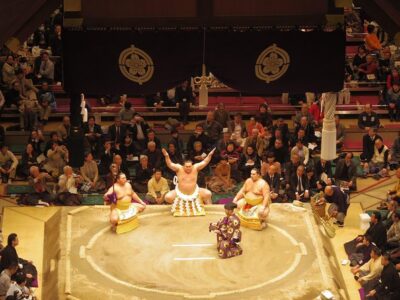
Ultimate Sumo Tournament: Tokyo, Osaka, Nagoya, Fukuoka
Read our review →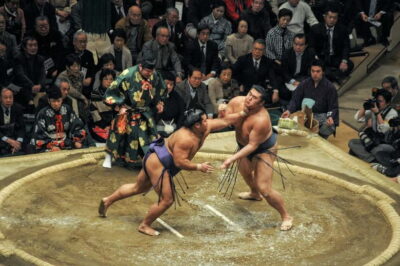
Sumo Tournament with Guide & Assigned Reserved Seat
Read our review →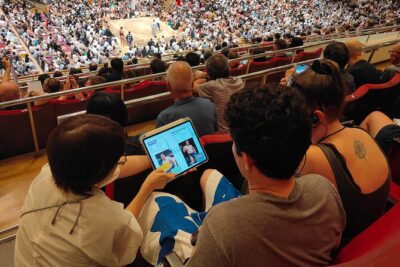
Sumo Wrestling Tournament with Chair Seat Tickets
Read our review →November Sumo Tournament tour in Fukuoka (Tickets Included)
Read our review →Browse the lists this tour appears in