
REVIEW · SUMO SHOWS
the SUMO show
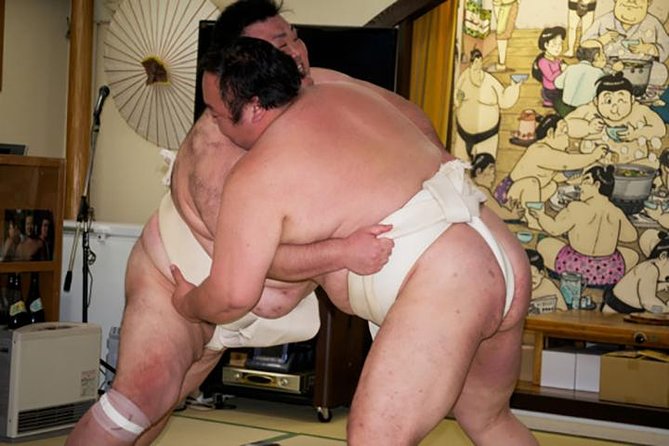
The best part of this Tokyo experience is the chance to meet retired sumo wrestlers in person, then see the sport from close range rather than through a stadium seat. You learn basic rules and training rituals, watch sparring, and can test your nerve in the ring against a wrestler.
I like the friendly, hands-on format and the meal of tonkatsu and chanko soup, prepared by the wrestlers. The main consideration is value: at $89.54 per person, this is not a cheap lunch, and some people may find the meal modest for the price.
Key points at a glance
- You can challenge a retired wrestler: Participation is optional, but willing volunteers can try a friendly bout.
- The 90-minute format stays focused: You get explanations, demonstrations, audience interaction, food, and photos without giving up a full afternoon.
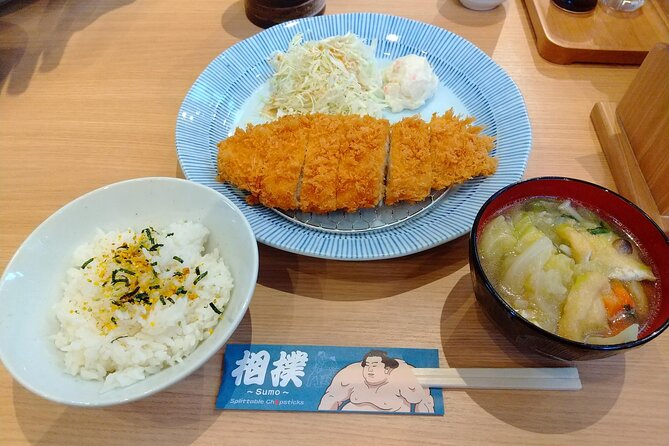
- Chanko soup is part of the lesson: The meal gives you a taste of the food associated with sumo life, alongside tonkatsu.
- The show suits families: Children took part, and the tone is playful, social, and easy to follow.
- Seats are not all equal: Some tables sit farther from the dohyo, and you may need to stand for a better view.
- Dietary requests need advance notice: Send allergies or restrictions at least five days before the event.
Meeting retired wrestlers in Sumida
You meet at Yokozuna Tonkatsu, at 3-chome-1-11 Tatekawa in Sumida City. The activity begins at 1:00 pm and finishes at the same location about 90 minutes later. You make your own way there, and the venue is near public transportation.
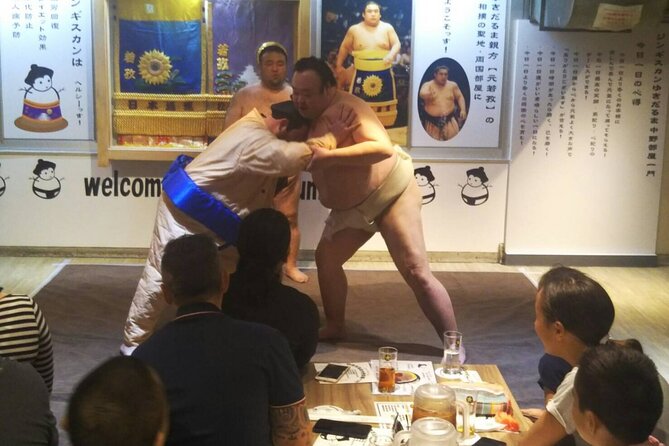
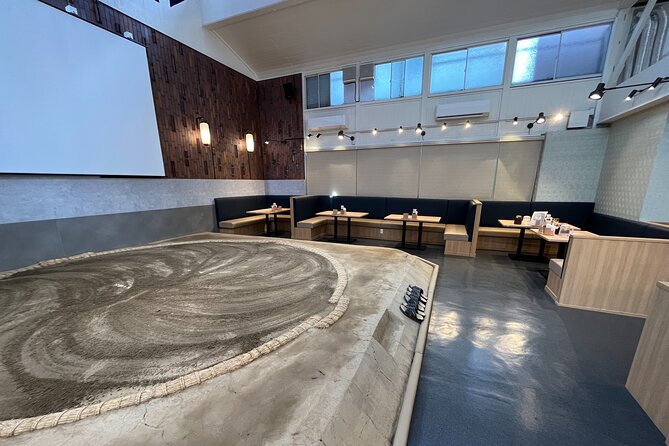
The setting matters. This is not a large arena show with thousands of people watching from distant seats. It is a smaller meal-and-demonstration format, with the wrestlers close enough for conversation, photos, and audience participation. The maximum group size is 60, though the seating arrangement can still feel full.
I would allow enough time to reach the restaurant without rushing. Your confirmation includes the final tour details, and availability is confirmed within 48 hours of booking. Seating is assigned by reservation order, so arriving early does not guarantee a better table. That point is worth noting if you are booking for a large family or group.
You might share a table with another party. Larger groups may not sit together at one table, so this works best if everyone in your party is comfortable with a social dining setup.
More sumo shows in Tokyo:
- Tokyo: Sumo Show Experience with Chicken Hot Pot and a Photo
★ 4.8 · 6,678 reviews - Tokyo: Sumo Show and Dining Experience
★ 4.8 · 2,742 reviews - Tokyo Shinjuku Sumo Show & Experience with Photo
★ 5.0 · 1,750 reviews
A short lesson before the action
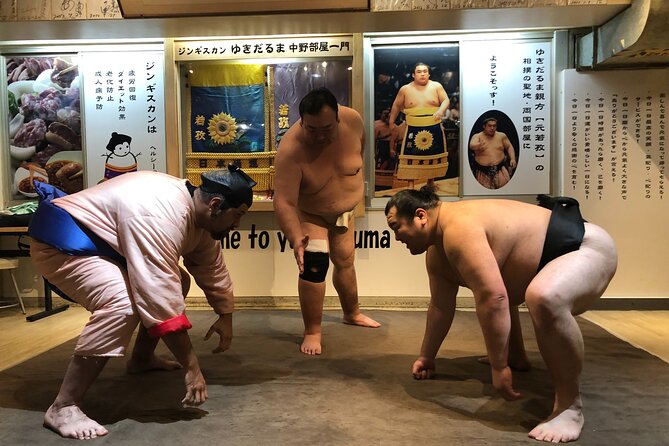
The experience begins with an introduction to sumo history, rules, techniques, and training rituals. Sumo can look simple from the outside: two wrestlers, one ring, and a quick push. The basic rules are less obvious than they first appear, and the explanations help you understand what you are watching.
The wrestlers demonstrate several movements and techniques before the bout begins. You see how stance, balance, footwork, and timing matter. This is useful because a friendly sumo challenge makes more sense once you know that winning is not simply about being the biggest person in the room.
The tone is light. The host keeps the pace moving, and the wrestlers joke with the audience while showing how the sport works. One useful practical point came up in the feedback: during a video presentation, the sound may compete with the host’s voice. If you want every explanation, sit where you can hear clearly and ask the host to repeat anything you miss.
This is an introduction, not a full course in sumo. You get a lively overview of the sport and its customs, but not an extended lecture on Japanese wrestling culture. That balance works well for families and first-time visitors. Serious sumo fans may want a tournament or a visit to a stable as well.
Watching the sparring demonstration
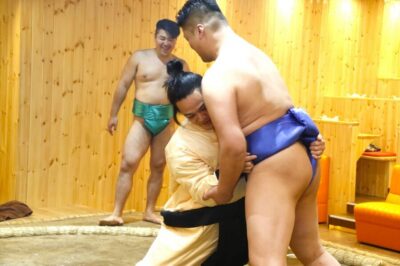
The live demonstration is the heart of the show. You see retired wrestlers put the techniques into practice, with the action close enough to follow without binoculars. The wrestlers are also there to explain what they are doing, so the demonstration feels like a lesson with comic timing rather than a silent performance.
The show has a friendly, family atmosphere. Children as young as nine and eleven have enjoyed it, and the format gives younger visitors something to watch, learn, and anticipate. A son with special needs was also described as having a particularly good time, which suggests the staff make a real effort to include people in the room.
The main seating drawback is distance. Some tables sit farther from the dohyo, the sumo ring, and you may choose to stand to see the action better. The audience is not always arranged so that every chair has the same view. If watching every movement matters to you, keep this in mind before booking.
Still, the show is not designed as a formal stage production. Its charm comes from being close to the wrestlers and having them work the room. Staff members take time with each table for pictures and interaction, so your experience is not limited to staring at the ring.
Trying the ring yourself
After the demonstrations, you can volunteer for a friendly bout against one of the retired wrestlers. You do not have to participate. You can watch, take photos, and enjoy the meal without stepping into the ring.
If you do volunteer, do not expect to overpower a former professional through strength alone. The fun comes from trying the techniques, learning how difficult the sport is, and seeing how easily an experienced wrestler controls the exchange. A little strategy may help, but the wrestler knows the tricks.
The organizers ask you to follow staff instructions and use good judgment. Anyone who causes trouble can be asked to leave without a refund. That rule is standard for a physical activity, but it matters here because the bout is playful, not a free-for-all.
This is one of the experience’s strongest features for families and outgoing couples. Children can cheer for a parent, friends can challenge one another, and willing volunteers become part of the show. If you dislike public participation, you can simply decline. The activity does not require everyone to wrestle.
More sumo experiences in Tokyo:
- Tokyo Sumo Entertainment Show with Chicken Hot Pot and Photo
★ 5.0 · 1,205 reviews - Tokyo: Sumo Show and Experience in Shinjuku
★ 4.8 · 1,001 reviews - Tokyo: Sumo Tournament Tour with Chair Seat Tickets
★ 4.6 · 753 reviews - Tokyo Grand Sumo Tournament Viewing Tour with Tickets
★ 5.0 · 692 reviews
Sumo costume photos and personal time
There is time to take photos with the wrestlers, including pictures of yourself in a traditional sumo costume. These photos give the experience a souvenir element that a standard restaurant meal would not provide.
The photo session also softens the end of the program. After the formal demonstrations and audience participation, you get a more relaxed chance to meet the wrestlers. They are presented as friendly and approachable, and the interaction is a major reason this feels more personal than a short cultural performance.
If you are traveling with children, this is likely to be one of the easiest parts for them to enjoy. If you are an adult who prefers not to dress up, you can still take photos with the wrestlers. The activity gives you options instead of forcing one level of participation.
Tonkatsu, chanko soup, and what you actually eat
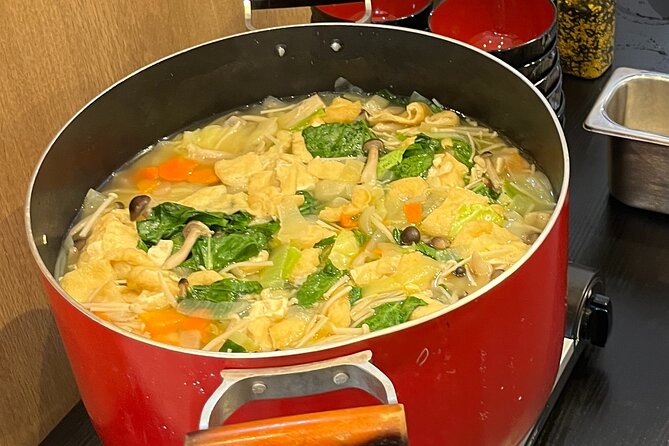
Lunch includes tonkatsu and chanko soup. Tonkatsu is breaded pork cutlet, while chanko is the hearty soup commonly associated with sumo wrestlers. The meal adds context to the show because you are not only hearing about sumo life, you are also trying food linked with it.
The tonkatsu is widely praised for taste, and the chanko soup receives especially warm attention. One useful detail is that some people wished they could have ordered a larger bowl of the soup instead of the tonkatsu. If you enjoy savory soups, chanko may be the part of the meal you remember most.
Portion size is the one area to manage carefully. Most comments describe the food as good or surprisingly good, but one person left still hungry. Another noted that the cabbage portion felt small compared with what is common in Japan. I would treat the meal as a satisfying part of the activity, not necessarily a huge feast.
Drinks are not included, so budget extra if you want one. Vegetarian and other dietary accommodations are available upon request, but you must write down allergies or restrictions when you book. Requests made less than five days before the event date may not be handled.
The combination of food and entertainment helps explain the price. At $89.54, you are paying for a hosted cultural activity, retired wrestlers, a live demonstration, audience participation, photos, and lunch. It is good value if you want an easy, social introduction to sumo. It is less compelling if you mainly want an inexpensive meal or a full tournament match.
How the 90-minute schedule feels
The stated duration is about one hour and 30 minutes. That is a sensible length for this type of activity. You have enough time for an introduction, demonstrations, possible bouts, lunch, and photographs, but you do not lose an entire day to one attraction.
The pacing also helps families. The explanations do not go on for hours, and the show keeps changing shape. You watch, listen, eat, take part, and take photos. That variety is especially helpful for children who may not want a long historical talk.
At the same time, the short format limits what can be covered. You will learn the basic rules and see selected techniques, but you should not expect a full look at a wrestler’s daily schedule or a detailed account of every rank and ceremony. Think of it as an entertaining first meeting with the sport.
The 1:00 pm start makes this easy to fit between morning sightseeing and an evening meal. Since the experience ends where it begins, you do not have to plan a second pickup point. You can continue exploring Sumida afterward or use public transportation to reach another part of Tokyo.
Who will get the most from it
I would recommend this to families, first-time visitors to Japan, and anyone who wants cultural context without sitting through a formal museum presentation. The interactive style gives children a clear reason to pay attention, while adults get food, stories, and a close look at a sport that can be hard to understand from television alone.
It also suits people who enjoy meeting performers directly. The wrestlers are not separated from the audience for the whole program. You can ask questions, take pictures, and, if you wish, challenge one of them.
It is less suitable for someone seeking an official tournament atmosphere. This is a friendly show led by retired wrestlers, not a live professional tournament. It also may disappoint you if you expect a large meal, private seating for your group, or guaranteed front-row views.
The activity is suitable for most people, and it is near public transportation. The supplied details do not promise a fully step-free setup, so if you have specific mobility needs, ask the provider before booking rather than assuming the venue will meet them.
Price, group size, and booking choices
The $89.54 price is on the high side for lunch, but the meal is only one part of what you are buying. You also receive a 90-minute hosted experience, a live demonstration, access to retired wrestlers, optional participation, and photo opportunities.
Group discounts may be available, which could improve the value for families or larger parties. The maximum group size is 60, so this is not always an intimate gathering. Some sessions may feel small, while others may place you at a table farther from the ring.
Book early if the date matters. Confirmation is subject to availability, and seating is assigned according to when reservations are received. Do not assume that arriving early will change your seat.
You can cancel for a full refund up to 24 hours before the local start time. Cancellations or changes inside that window are not accepted for a refund. Date changes are also not allowed within three days of the experience, and flight delays or illness are treated as cancellations under the stated rules.
Should you book the Tokyo sumo show?
Book it if you want friendly interaction, a clear introduction to sumo, and a meal built into the experience. The chance to try a bout, pose in a traditional costume, and meet retired wrestlers gives this activity more personality than a simple demonstration.
I would book it especially for a family with children or for adults who enjoy being part of a show. The food is generally a strong point, with chanko soup worth seeking out, though you should not expect a lavish or oversized lunch.
Skip it if $89.54 feels too high for a short activity, if you need a guaranteed close seat, or if your main goal is to watch serious competitive sumo. For most first-time visitors who want an approachable cultural experience in Tokyo, the mix of wrestling, humor, food, and photos makes it a sound choice.
FAQ
Where does the sumo show begin?
It begins at Yokozuna Tonkatsu, 3-chome-1-11 Tatekawa, Sumida City, Tokyo 130-0023, Japan.
What time does the activity start?
The scheduled start time is 1:00 pm.
How long does the sumo show last?
The demonstration and meal take about one hour and 30 minutes.
What food is included?
Tonkatsu and chanko soup are included. Drinks are not included.
Can I participate in a sumo bout?
Yes. You can volunteer to challenge one of the retired wrestlers in a friendly bout, but participation is optional.
Are dietary restrictions accommodated?
Vegetarian and other dietary requests may be accommodated if you provide the details in the special notes when booking. Requests made less than five days before the event may not be handled.
What is the cancellation policy?
You can cancel up to 24 hours before the local start time for a full refund. Cancellations and changes made less than 24 hours before the experience are not accepted for a refund.
Newest sumo experiences in Tokyo
- Tokyo Sumo History Tour with Chanko Nabe Lunch★ 5.0 · 3 reviews
- Tokyo Highlights Tour: Sumo, Sushi, Tea, and Tokyo Tower★ 5.0 · 2 reviews
- Tokyo: Know about Hokusai and Sumo culture in 2.5 hours★ 5.0 · 2 reviews
- TOKYO , No1 Yokozuna Stable Morning Practice in Ryogoku★ 4.5 · 3 reviews
- Tokyo 6hr Private Guided Tour & Sumo Show Lunch★ 5.0 · 3 reviews
- Tokyo Grand Sumo Tournament Viewing Tour★ 5.0 · 2 reviews
- Tokyo: Enjoy Sumo match and know about it! [Ticket included]★ 4.4 · 7 reviews
- Private Ryogoku Walking Tour with Sumo Wrestler and Master Guide★ 4.5 · 7 reviews
Sumo Shows, compared.
Sumo Show Experience with Chicken Hot Pot and a Photo
Read our review →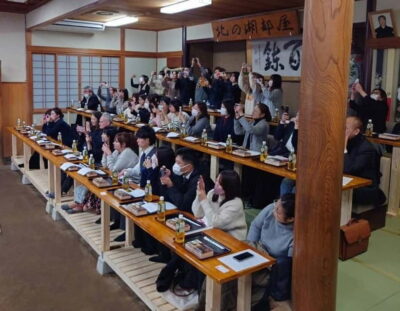
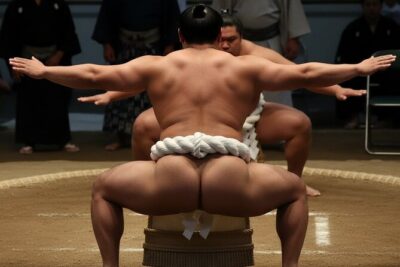
Tokyo Shinjuku Sumo Show & Experience with Photo
Read our review →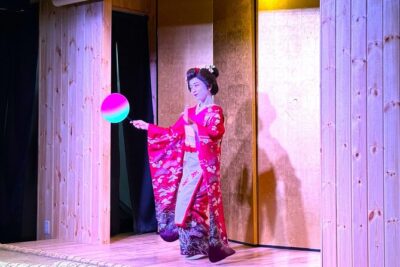
Tokyo Sumo Entertainment Show with Chicken Hot Pot and Photo
Read our review →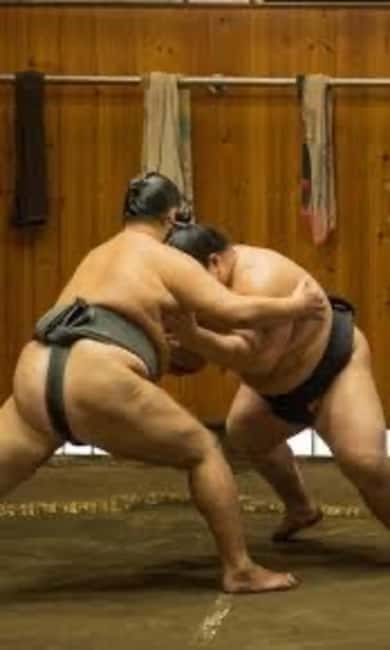
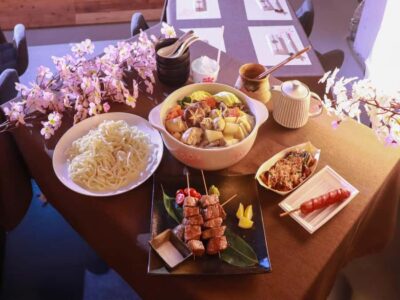
Sumo Show & Experience w/ Optional Kimono & Hot Pot
Read our review →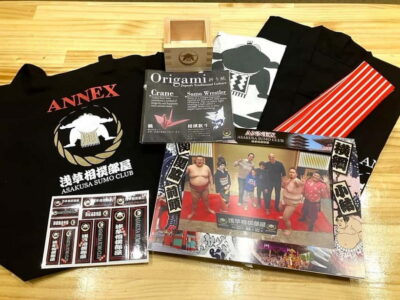
Luxury Sumo Show Experience & Japanese cuisine & Drink
Read our review →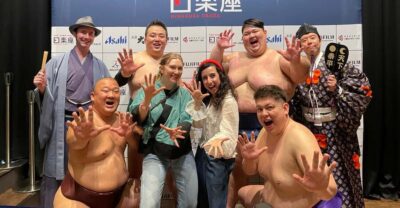
Sumo Stage Show with Bento or Snack + Fight & Photo
Read our review →Browse the lists this tour appears in