
REVIEW · RYOGOKU SUMO TOURS
Tokyo: Watching Sumo and Ryogoku Area Walking Tour
Ryogoku is the place to see sumo as part of everyday Tokyo, not just as a staged sporting event. This tour links the district’s historic sumo landmarks with a live match at Ryogoku Kokugikan, giving you useful context before the action begins.
I like the short walk through Eko-in Temple, the Sumo Photo Museum, and the Kira Residence remains. I also like that the sumo ticket is included, with a choice between close box seating and more relaxed second-floor chairs. The main caution is that the guide does not stay with you inside the arena, so you may need to work out the match details on your own.
Key points at a glance
- A 50-minute Ryogoku walk: Visit Eko-in Temple, the Sumo Photo Museum, and the remains of the Kira Residence.
- Live sumo at Ryogoku Kokugikan: Your admission ticket is included after the walking portion.
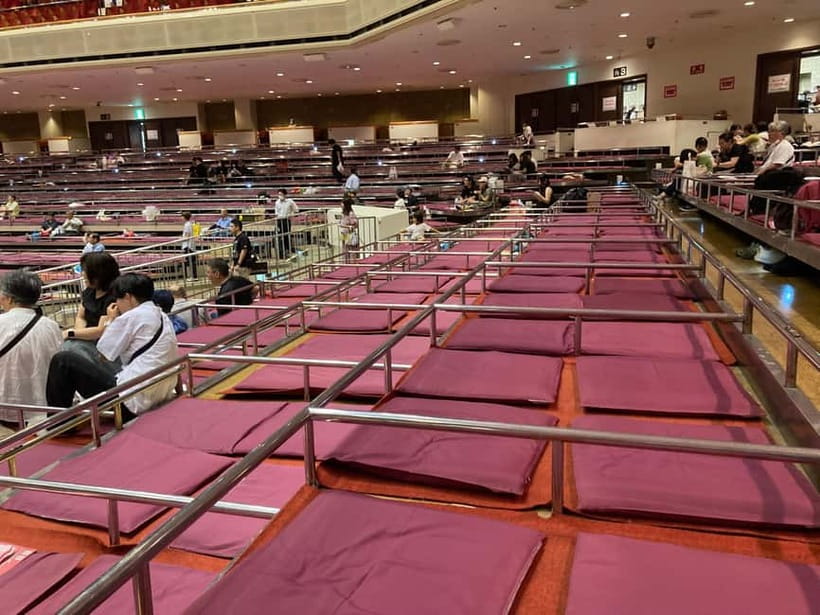
- Box seats are shared: Each box measures about 1.3 meters on each side, has four cushions, and may include other customers.
- Chair seats offer more room: Second-floor seats suit you if you prefer personal space and a less traditional setup.
- Ms. Yuki has earned praise: One detailed compliment singled out Yuki as a friendly guide, though guide quality can vary.
- Plan for a self-guided arena visit: The guide assists during the walk but is not available once you enter the venue.
Why Ryogoku is the right place for a sumo day
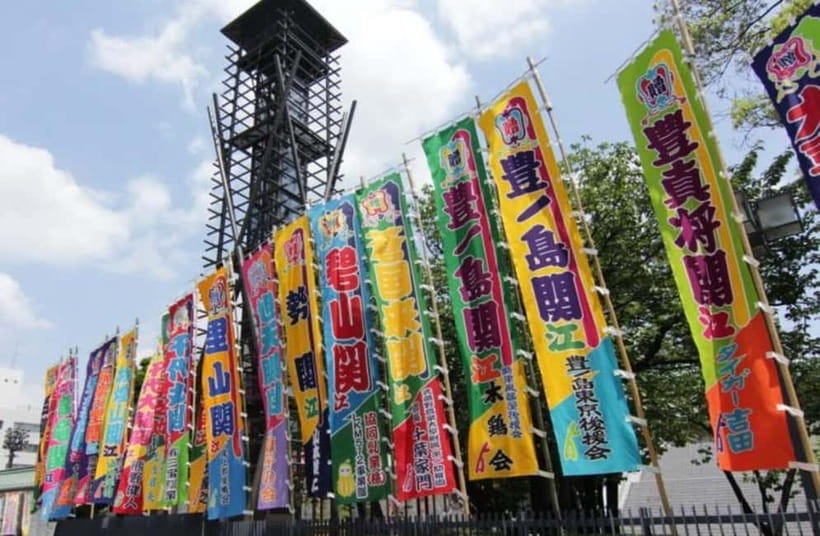
Sumo is not simply a match you watch for a few minutes. Its rituals, famous training districts, temples, historic sites, and strict etiquette are part of the appeal. Ryogoku puts many of those pieces close together, making it one of Tokyo’s better areas for understanding the sport before you take your seat.
This tour begins at Ryogoku Station’s west exit, near the Edo NOREN entrance. You meet staff holding TNK placards at 12:20 p.m. Arrive 10 to 15 minutes early. That gives you time to find the correct entrance and confirm your name without starting the day in a rush.
The walking portion lasts about 50 minutes. That is enough time for a focused introduction, but not enough for a long museum visit or a slow architectural tour. I would think of it as an orientation walk with several worthwhile stops, followed by free time at the arena.
More Ryogoku sumo tours in Tokyo:
- Tokyo: Sumo Morning Practice Tour at Sumida City
★ 4.8 · 308 reviews - Tokyo Ryogoku Sumo Morning Practice + Photo Shoot with Wrestlers
★ 4.5 · 277 reviews - Sumo Wrestlers Morning Practice Tour – Tokyo Sumida District
★ 5.0 · 54 reviews
Eko-in Temple and the spiritual side of sumo
Eko-in Temple is one of the first important stops. It has a long connection with sumo and helps show that the sport grew within Japan’s religious and cultural life, not in isolation from it.
You will not simply be dropped at the arena with a ticket and told to figure out why the district matters. The temple gives the walk a sense of place. For anyone who knows little about sumo, this is useful because it connects the sport to older customs and local tradition.
The visit is likely to appeal most to you if you enjoy short historical stops rather than a full lecture. The walk moves through several sites, so the guide has to keep the pace moving. Ask questions while you are with the guide, since that is when you receive the main explanation of the district.
The Sumo Photo Museum in a short guided visit
The Sumo Photo Museum adds visual context. Exhibits trace changes in sumo and show why the sport matters in Japanese culture. Photographs can make the wrestlers, ceremonies, and changing public image of sumo easier to understand than a quick verbal briefing alone.
Because the full walking tour is only 50 minutes, do not expect unlimited time here. You will probably get an introduction and a chance to see selected exhibits rather than a long, unhurried museum visit.
That limitation is not necessarily a flaw. The museum works well as a bridge between the historical walk and the live contest. You get enough background to watch with more interest, then have the rest of the day for the arena.
The Kira Residence remains and samurai history
The remains of the Kira Residence shift the subject from sumo to samurai culture. This site is connected with the background of seppuku, a subject tied to samurai honor and determination.
For many people, this will be the most unexpected part of the route. You are not touring only sports venues. You are also seeing how Ryogoku holds several layers of Japanese history in a compact area.
The site is a remain rather than a complete residence, so set your expectations accordingly. Its value comes from the story attached to the place, especially if your guide explains the connection clearly. This is another reason to pay close attention during the walk, since you will not have the guide’s help later in the arena.
More sumo walking tours in Tokyo:
- Tokyo Walking Tour : Sumo, Sushi, Tea, Temples and Tokyo Tower
★ 5.0 · 21 reviews - Ryogoku: Sumo Town Guided Walking Tour with Lunch
★ 4.8 · 9 reviews - Private Ryogoku Walking Tour with Sumo Wrestler and Master Guide
★ 4.5 · 7 reviews
Entering Ryogoku Kokugikan for live sumo
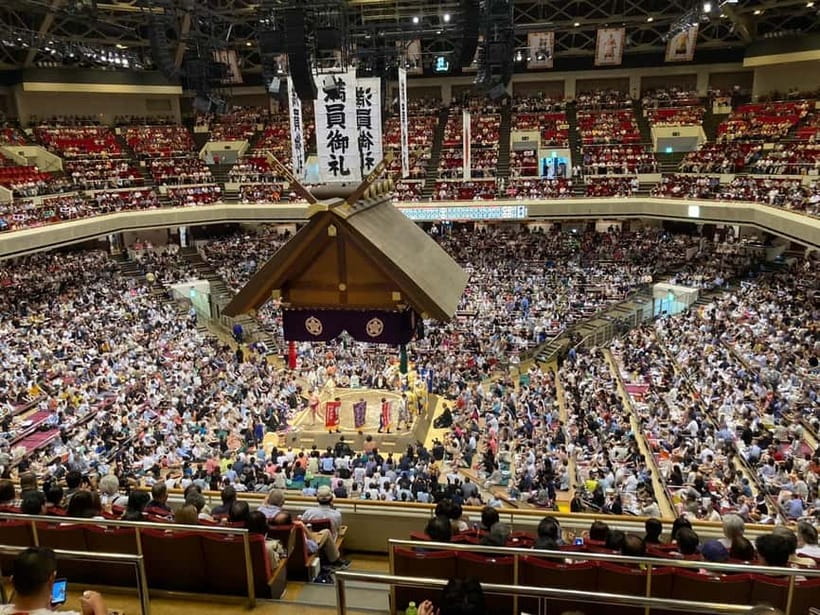
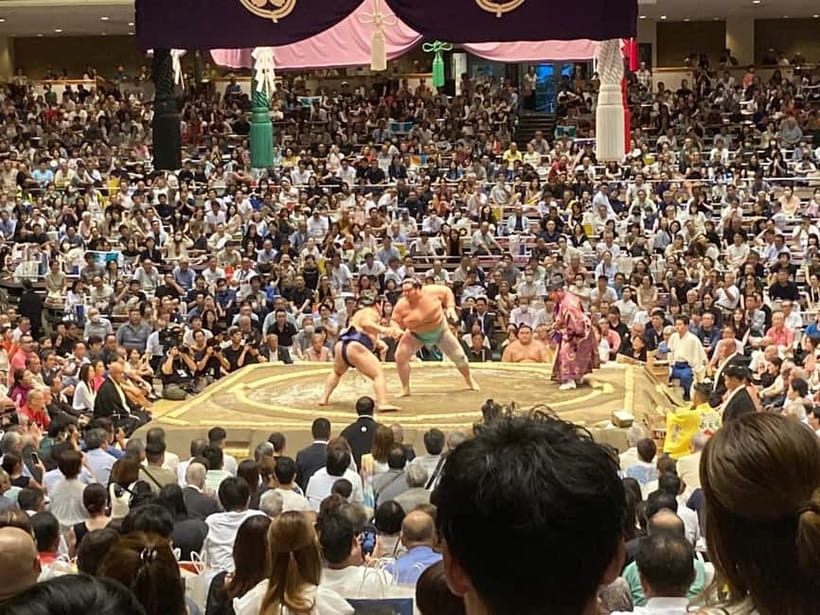
After the walking tour, you head to Ryogoku Kokugikan for a live match. The arena is the main reason most people book this activity, and the ticket removes one of the harder parts of arranging a sumo day independently.
You have free time to watch the matches after entering. The guide does not remain inside, so the arena portion is not a guided commentary session. If you want explanations of every announcement, ritual, or rule, bring your own curiosity and be ready to observe.
The atmosphere matters here. Live sumo has a different feel from watching a short clip or a televised bout. You see the ceremonial rhythm, the crowd’s reaction, and the physical closeness of the ring, depending on your seat.
One important practical point: outside food and drinks are not permitted. You can buy refreshments at a shop inside the venue. Smoking is not allowed, and video recording is strictly prohibited. Loud talking or disruptive behavior can lead to removal, so treat the match as a formal public event rather than a casual sports bar outing.
Box seats or second-floor chairs
The two ticket types offer quite different experiences.
Box seats on the first floor place you close to the ring. Each box measures about 1.3 meters on all four sides, with iron pipes around it and four cushions inside. Four people fit in one box. If your party has fewer than four, you may share the box with other customers.
This setup is traditional and gives you a close view, but it is not spacious. A compact 1.3-meter square shared by up to four people means that personal room is limited. One customer found the seating costly for the small amount of space between people. That is a fair warning, especially if you dislike sitting close to strangers or need room to stretch.
Box seating makes the most sense if you care about being near the ring and want the classic format. It suits a group of four particularly well, though the operator may seat smaller groups together.
Second-floor chair seats provide a more conventional seat with greater personal space. You are farther from the ring, but the setup is more relaxed. I would choose chairs if you want to settle in comfortably, dislike shared floor seating, or are more interested in the overall event than the closest possible view.
The $135 price needs to be judged against the ticket type. It includes the walking tour, an English-speaking guide, and the sumo admission, so it is not merely a fee for 50 minutes of sightseeing. Still, box seating is expensive if you are uncomfortable sharing a compact space. Chair seats may offer the better balance for a solo customer or a couple.
What the guide adds, and where the tour falls short
The guide is most useful during the Ryogoku walk. You receive an explanation of the district, its sumo connections, Eko-in Temple, the photo museum, and the Kira Residence remains. One customer specifically praised Ms. Yuki as friendly and helpful, and another described the guide as terrific and informative.
The feedback is not uniformly positive. One customer felt the explanations were limited and found the arena confusing after being left alone. That concern is important because the tour description makes clear that the guide leaves once you enter the venue.
You should book this with the right expectation: it is a guided neighborhood walk followed by independent time at a sumo match. It is not a fully guided arena tour with continuous translation or commentary.
If you want more help, ask your guide questions before entering. Ask what you are likely to see, how the seating works, and what conduct rules matter. You can also use the walk to clarify the order of events, since that support ends at the venue entrance.
Timing, meeting point, and practical comfort
The 12:20 p.m. meeting time shapes the whole day. You need to arrange your own transportation to and from the meeting point and venue. The start is at the Edo NOREN entrance near the west exit of Ryogoku Station, not simply anywhere outside the station.
Wear comfortable clothes and shoes. The walk is short, but you will spend additional time at the arena. Bare feet are not allowed, and large bags or luggage are not permitted, so pack lightly.
The activity is not suitable for wheelchair users. If you have mobility concerns, check the arrangements before booking rather than assuming that the short walking time makes the route easy.
The stated end point is back at the meeting point, but the guide is not available after you enter the venue. Make sure you understand how your own transportation plans fit with the arena portion and the listed end arrangements.
Cancellation is flexible enough for normal itinerary planning: you can cancel up to 24 hours in advance for a full refund. You can also reserve and pay later, which helps if your Tokyo schedule is still changing.
How the customer feedback affects my view
The strongest praise centers on three things: the live sumo, the legitimacy of the tickets, and friendly guiding. One customer called the overall event fantastic and found the guide terrific. Another gave special praise to Ms. Yuki.
Those positives match the basic design of the tour. You get a real match, not a demonstration, and the walking route gives you historical sites before you enter the arena. The combination is more useful than buying a ticket without any local context.
The weaker points also matter. One customer felt the explanations were insufficient, particularly once inside the arena. Another had a serious seat-change problem involving a booked floor seat, a proposed move to a semifinal, and an attempt to provide cheaper seats on the day. The issue was eventually resolved after protest, but it shows why you should confirm the seat category at the meeting point.
The overall rating of 4 from five ratings suggests a good but not flawless experience. I would not treat the ticket as completely trouble-free. Confirm whether you have box or chair seating, arrive early, and keep your booking details handy.
Who should book this Ryogoku tour
I would recommend it to you if you want three things in one outing: a short introduction to Ryogoku, a few historic stops, and admission to live sumo. It is especially suitable if you are visiting Tokyo for the first time and prefer a prearranged ticket over handling the event alone.
It also suits people who enjoy cultural context but do not want a long walking tour. The 50-minute route is compact, and the main event remains the match.
You may want a different arrangement if you need continuous guidance inside the arena, dislike shared seating, use a wheelchair, or want a detailed explanation of every stage of the contest. In those cases, the lack of an arena guide and the tight box dimensions may frustrate you.
Should you book it?
Book this tour if live sumo is high on your Tokyo list and you value a local introduction to Ryogoku before the match. Choose second-floor chairs for more space, or select a box if you want the closest traditional setting and are comfortable sharing with up to four people.
At $135, the value depends heavily on your seat and the quality of the guide on your date. Go in expecting a focused historical walk, a genuine sumo ticket, and independent time inside the arena. With that clear understanding, this is a practical way to connect the sport with the neighborhood that gave it a home.
FAQ
Where does the tour begin?
It begins at the Edo NOREN entrance near the west exit of Ryogoku Station. Staff holding TNK placards meet you there at 12:20 p.m.
How early should I arrive?
Arrive 10 to 15 minutes before the departure time so you can find the meeting point and confirm your name with staff.
How long is the guided walking tour?
The guided walk lasts about 50 minutes.
Which places do I visit during the walk?
The route includes Eko-in Temple, the Sumo Photo Museum, and the remains of the Kira Residence.
Is a sumo ticket included?
Yes. Sumo wrestling admission is included in the tour price.
Does the guide stay inside Ryogoku Kokugikan?
No. The guide assists during the city walk but is not available after you enter the venue.
What is included with a box seat?
A box seat is on the first floor, close to the ring. The box measures about 1.3 meters on each side and includes four cushions for up to four people.
Can a small party have a private box?
No. Box seats can accommodate up to four people, and smaller parties may be seated with other customers.
Are food and drinks allowed inside?
Food and drinks from outside are prohibited. You can purchase them at a shop inside the venue.
Can I cancel the booking?
You can cancel up to 24 hours in advance for a full refund.
Newest sumo experiences in Tokyo
- Tokyo Highlights Tour: Sumo, Sushi, Tea, and Tokyo Tower★ 5.0 · 2 reviews
- Tokyo: Know about Hokusai and Sumo culture in 2.5 hours★ 5.0 · 2 reviews
- TOKYO , No1 Yokozuna Stable Morning Practice in Ryogoku★ 4.5 · 3 reviews
- Tokyo 6hr Private Guided Tour & Sumo Show Lunch★ 5.0 · 3 reviews
- Tokyo Grand Sumo Tournament Viewing Tour★ 5.0 · 2 reviews
- Tokyo Sumo History Tour with Chanko Nabe Lunch★ 5.0 · 3 reviews
- Tokyo Ginza : Sumo and Mikoshi Experience,Open from Sep.★ 5.0 · 8 reviews
- Tokyo Sumo Tournament Chair Seat Ticket with Entrance Assistant★ 4.0 · 4 reviews
Ryogoku Sumo Tours, compared.
Tokyo Ryogoku Sumo Morning Practice + Photo Shoot with Wrestlers
Read our review →
Sumo Wrestlers Morning Practice Tour – Tokyo Sumida District
Read our review →
Sumo Morning Practice Tour in Ryogoku and Photo Shoot
Read our review →
Tokyo Sumo Culture Tour with Chanko-Nabe Lunch in Ryogoku
Read our review →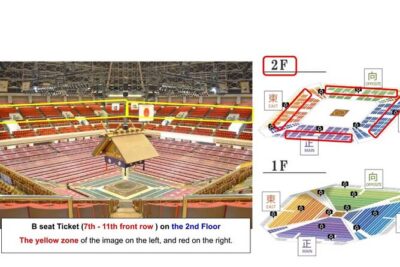
Seat B Ticket Tokyo Sumo Wrestling Tournament in Ryogoku
Read our review →
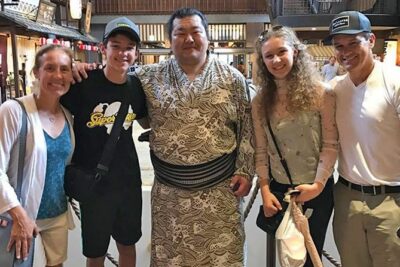
Private Ryogoku Walking Tour with Sumo Wrestler and Master Guide
Read our review →Browse the lists this tour appears in