
REVIEW · RYOGOKU SUMO TOURS
Seat B Ticket Tokyo Sumo Wrestling Tournament in Ryogoku
Tokyo sumo is more than two wrestlers pushing in a ring. It is ritual, rank, ceremony, noise, and a sport whose details can be hard to follow at first. This experience gives you a short walk through Ryogoku, the city’s sumo quarter, then sends you into Kokugikan with a B-rank second-floor ticket.
I like two things right away: the guide explains the rules before you take your seat, and the small group, capped at five people, leaves room for questions. Guides such as Mark, Hina, Masao, Shogun, and Emmy have been praised for clear explanations and genuine enthusiasm. The main consideration is timing: the guided portion ends around 3pm, so you must plan the rest of the afternoon on your own inside the arena.
Key points before you book
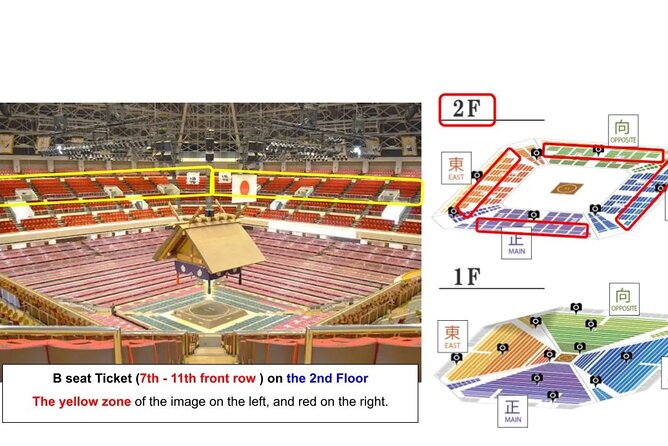
- A B-rank ticket is included: Your second-floor seat is in rows 7 to 11, giving you a proper view of the ring without paying for a premium first-floor position.
- The walk gives sumo context: You visit Ryogoku Edo Noren, local sumo sites, and Ekoin Temple before entering Kokugikan.
- The guide makes the sport easier to follow: You learn basic rules, wrestler customs, the meaning of flags, and how the tournament builds toward its strongest matches.
- The group is very small: The maximum is five people, which suits anyone who wants direct access to the guide.
- The tournament continues after the tour: The walk and introduction finish near 3pm, but the best bouts are later, with the event ending around 6pm.
- Food is not included: You will need to pay separately for anything you eat or drink.
Why this is a smart first look at sumo
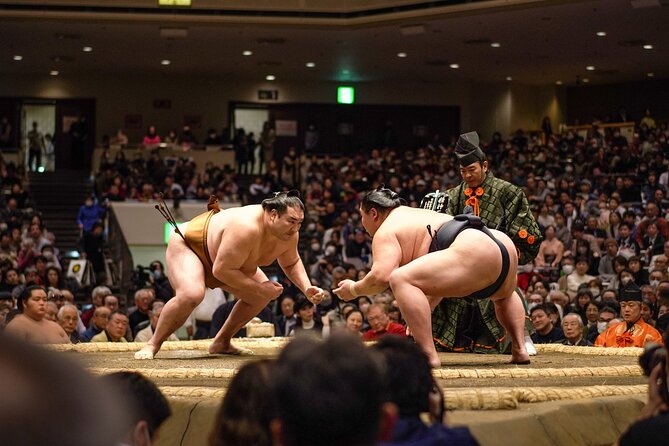
If you have never watched sumo, the first few bouts can seem brief and puzzling. The wrestlers enter, perform a series of movements, and sometimes finish in seconds. Without context, you may miss the point of the salt, the footwork, the waiting, and the strict rules.
This tour solves that problem before you sit down. Your guide explains the basic rules and the bond between Ryogoku and sumo. You also get background on the sport’s origins, the lives of sumo wrestlers, and the meaning of details around the arena. One guide, Shogun, was especially good at explaining the flags, while Hina was praised for making the culture and wrestlers’ daily life easier to understand.
That preparation matters. You are not simply handed a ticket and left to work out what is happening. You arrive with enough background to recognize the important moments and understand why the crowd reacts.
The format also feels personal. With no more than five people, you can ask a question without holding up a large group. Mark, Hina, Masao, Shogun, and Emmy are named as guides who have led this experience, though the guide assigned to your date may be different. The strongest pattern is clear: the guide’s interest in sumo is a major part of the experience.
More Ryogoku sumo tours in Tokyo:
- Tokyo: Sumo Morning Practice Tour at Sumida City
★ 4.8 · 308 reviews - Tokyo Ryogoku Sumo Morning Practice + Photo Shoot with Wrestlers
★ 4.5 · 277 reviews - Sumo Wrestlers Morning Practice Tour – Tokyo Sumida District
★ 5.0 · 54 reviews
Ryogoku Edo Noren, a useful starting point at 1:30pm
The meeting point is Ryogoku Edo Noren, beside Ryogoku Station. The tour begins at 1:30pm, so arrive early. The operator is strict about starting on time, and you cannot join later or receive a refund if you miss the group.
This first stop lasts about 20 minutes. It is a good place to get your bearings because the tour begins in the district most closely linked with sumo. Your guide starts laying out the basics, including how to watch a match and what to notice once you enter Kokugikan.
The stop itself has no separate admission charge. Its value comes from the explanation, not from a long museum visit. Think of it as an orientation rather than a major attraction. If you already know sumo well, this part may feel simple. For a first-time spectator, it can prevent confusion later.
I like the order. You get the framework before the arena noise and ceremony take over. The guide can also answer questions in a calm setting, instead of trying to explain everything while a bout is underway.
Fifteen minutes around Ryogoku’s sumo sites
The next part is a roughly 15-minute walk through historic sumo locations in Ryogoku. This is a short section, but it helps connect the sport to the streets around the arena.
Ryogoku is not just a convenient address for Kokugikan. It is presented here as the sacred home of sumo, and the walk shows why the district matters to the sport’s identity. Your guide points out locations tied to sumo’s past and explains the relationship between the neighborhood and the tournament hall.
Do not expect a long sightseeing walk. The time is limited, and the purpose is to prepare you for the match. Wear shoes you can walk in, and dress for the weather. Tokyo can be very hot in summer, with highs listed as high as 40°C, while winter temperatures may fall to around -5°C. The walk is short, but exposure to heat, cold, or rain can still affect your comfort.
This is also the part that may feel least essential to a sumo expert. For a newcomer, though, it adds a sense of place that a ticket alone cannot provide.
Ekoin Temple and the spiritual side of the district
The tour then spends about 20 minutes at Ekoin Temple, an important religious site in the area. This stop gives the afternoon a useful change of pace. Sumo is athletic, but it is also bound up with ceremony, tradition, and religious custom.
Your guide explains the temple’s local importance and places it within the wider story of Ryogoku. The visit does not turn into a full temple tour, and no separate admission fee is listed. Instead, it is a compact cultural stop before the main event.
I find this part valuable because it keeps the experience from becoming only a sports outing. You see how sumo fits into the character of the neighborhood. If your main goal is simply to watch as many bouts as possible, the temple stop uses time that could otherwise be spent inside the arena. If you want to understand the setting, it earns its place.
The route also gives you a chance to ask more questions. Sumo has many customs that can look strange when seen without explanation. A guide who can connect the ceremony to the history of the area makes the later match easier to appreciate.
More tournament tours in Tokyo:
- Tokyo: Sumo Tournament Tour with Chair Seat Tickets
★ 4.6 · 753 reviews - Tokyo Grand Sumo Tournament Viewing Tour with Tickets
★ 5.0 · 692 reviews - Tokyo Sumo Wrestling Tournament Experience
★ 5.0 · 660 reviews - Ultimate Sumo Tournament: Tokyo, Osaka, Nagoya, Fukuoka
★ 5.0 · 468 reviews
Entering Ryogoku Kokugikan with a B-rank seat
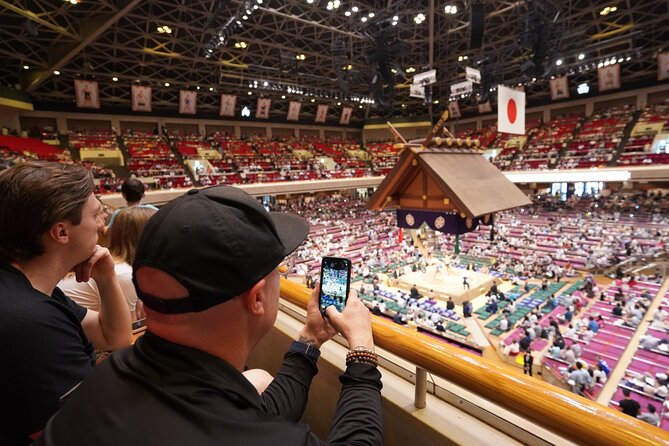
The final guided stop takes you into Ryogoku Kokugikan, the hall where the tournament is held. About 30 minutes of the planned experience is devoted to entering the arena and getting you oriented.
Your ticket is a B-rank second-floor seat, in rows 7 through 11. That is an important detail. You are not buying the closest possible view, but you are also not settling for an undefined upper-level ticket. The second floor gives you a wider view of the ring, and the stated row range gives you a clearer idea of what you are paying for.
The seats are best understood as a value choice. At $117.61 per person, the price is not low for a 90-minute guided experience, especially since food and drinks cost extra. But the price includes both the guided introduction and admission to a live Grand Sumo Tournament. For someone who would otherwise struggle to obtain a ticket or understand the event, that combination can justify the cost.
The ticket is mobile, which simplifies entry. Keep it available on your phone and make sure you can access it before leaving the meeting point. The provided details do not specify seat width, exact sightlines, or whether the guide sits with you, so you should not book expecting a premium ringside experience.
One important point: the guide may not accompany you into the arena for the entire tournament. The guided portion ends around 3pm, while the event continues until approximately 6pm. You receive the ticket and can remain for the later bouts, but you should be ready to manage that portion independently.
Why staying until 6pm matters
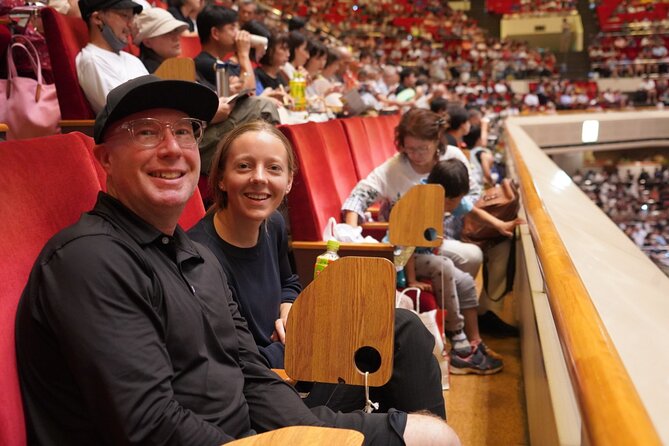
The later part of a sumo tournament is generally the most important. The strongest matches between higher-ranked wrestlers take place later in the day, so leaving after the walking tour would mean missing the part many people most want to see.
The schedule is therefore a little unusual. Your organized tour ends around 3pm, but your sumo day is not over. You can stay in Kokugikan and watch the action continue until about 6pm. Build that extra time into your plans. Do not schedule a museum, dinner reservation, or train departure immediately after the stated 3pm end.
This arrangement can work well for independent-minded people. You receive the explanations you need, then have time to watch at your own pace. It may be less appealing if you want a guide beside you throughout the tournament or if your schedule allows only a short visit.
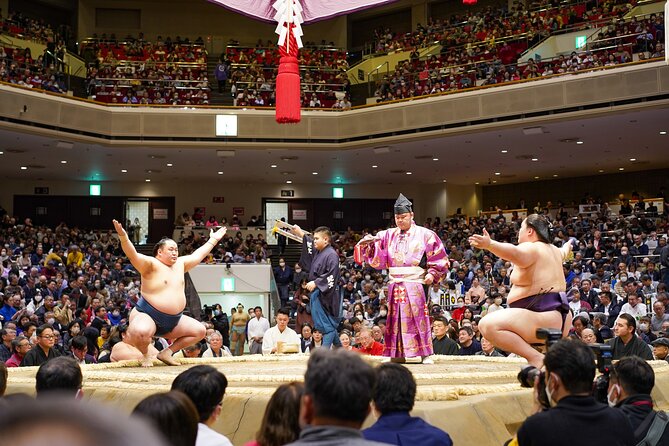
The atmosphere can also be a major part of the value. One account describes a full 11,000-seat hall and a terrific crowd mood, though you should not assume every tournament day will be sold out. The scale of the hall, the ceremony, and the crowd response are central to the experience.
What the guide adds for a first-time spectator
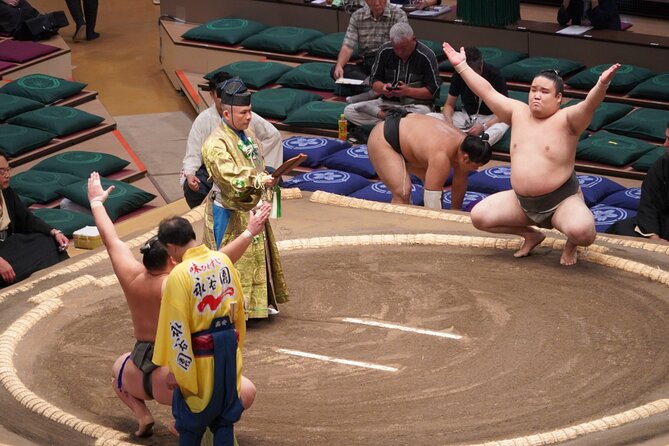
The most important service here is translation, not language alone. Your guide translates the culture of sumo into things you can watch.
You learn the basic rules, why wrestlers perform certain movements, how ranking affects the bouts, and what the surrounding signs and flags mean. You also get an introduction to the lives of sumo wrestlers. That knowledge gives shape to what might otherwise seem like a series of very short contests.
Several guides are singled out for different strengths. Mark is described as friendly, patient, and strong in English. Hina brings clear explanations and a personal interest in sumo. Masao is presented as a major fan of the sport, while Shogun is particularly useful for explaining details such as the flags. Emmy is noted for engaging with each person in the group and answering questions.
The guide names do not guarantee who will lead your tour. Still, they show the kind of approach you can expect: a human introduction from someone who cares about the subject, rather than a recording or a hurried handoff.
Price, group size, and what you receive
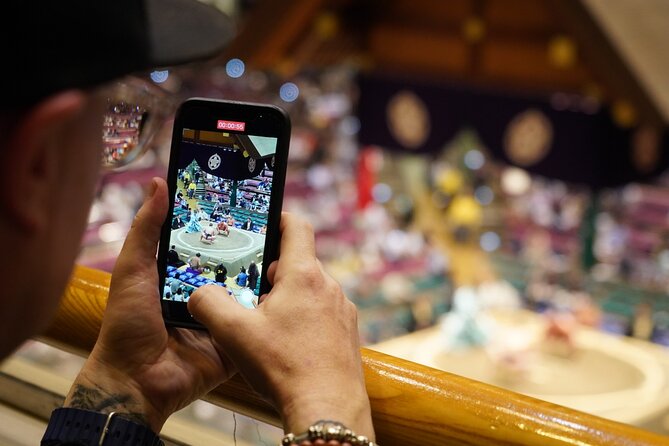
At $117.61 per person, the price needs a close look. You receive a B-rank second-floor ticket, the guided walk, cultural explanations, and tour photos. Food and drinks are not included.
I would consider it fair value for a first visit during a tournament, especially if arranging a ticket on your own feels difficult. Sumo tickets can be highly sought after, and the guide helps you understand what you are seeing. The small group also adds value because you can ask direct questions.
I would be more cautious if you are already a serious sumo follower. You may prefer to spend your money on a better seat or attend independently. The B-rank location is a middle option, not a luxury one, and the guided section lasts about an hour and a half.
The small group limit of five is one of the better features. You avoid the feel of a large bus tour, and the guide can adapt explanations to the group. The tradeoff is that the experience may sell out, so booking 27 days ahead on average is a useful planning clue. It is not a guarantee, but it suggests that you should not leave this until the last moment if your dates are fixed.
Timing, weather, and practical planning
Your meeting point is Ryogoku Edo Noren at 1:30pm. The tour ends at Ryogoku Kokugikan, so you finish where you need to be for the tournament.
Arrive before the start time. The late-arrival rule is strict: if you miss the group, you cannot join later, reschedule, or receive a refund. That makes the meeting point and start time more important than they might appear on a normal city walk.
The climate note deserves attention. Summer heat can reach 40°C, and winter cold can reach -5°C. Dress for the season, carry water in hot weather, and use suitable layers in winter. The walk is not long, but comfort affects how much attention you can give the explanations.
Free cancellation is available up to 24 hours before the local start time. Cancellations or changes made inside that window are not accepted for a refund. That policy gives you some flexibility, but it does not protect against a last-minute missed meeting.
Who should book this sumo experience?
I would recommend it most strongly to a first-time sumo spectator who wants a ticket plus enough explanation to understand the event. It also suits anyone interested in Japanese culture who wants to connect the sport with its home district and a local temple.
Families and small groups may like the five-person limit, though the provided information does not specify a minimum age. Most people can participate, but the walk and weather conditions still call for reasonable mobility and suitable clothing.
I would hesitate if you want a premium ringside view, a full-day guided experience, or a guide seated beside you through the final bouts. I would also think twice if your schedule ends at 3pm, because the most powerful matches come later.
Should you book it?
Book this tour if you want your first sumo tournament to make sense. The walk through Ryogoku, the visit to Ekoin Temple, the rule briefing, and the B-rank ticket form a sensible package. The strongest value is the guide’s explanation, particularly for details such as flags, customs, wrestler life, and the way the competition builds toward the later bouts.
Skip it if you already understand sumo and only want the best possible seat. In that case, the $117.61 price may be better spent on a higher ticket category. For most newcomers, though, the small group and cultural introduction turn a potentially confusing afternoon into a much more rewarding one.
FAQ
Where does the tour begin?
It begins at Ryogoku Edo Noren, located at 1-chome 3-20 Yokoami, Sumida City, Tokyo.
What time does the tour start?
The start time is 1:30pm.
Where does the tour end?
The guided tour ends at Ryogoku Kokugikan, the sumo arena at 1-chome 3-28 Yokoami, Sumida City.
How long is the guided experience?
The experience lasts approximately 1 hour and 30 minutes.
How long does the sumo tournament continue?
The guided portion ends around 3pm, but the tournament continues until approximately 6pm.
What kind of seat is included?
The ticket is a B-rank seat on the second floor, in rows 7 through 11.
Is the sumo tournament ticket included?
Yes. Admission to the Tokyo Grand Sumo Tournament at Ryogoku Kokugikan is included.
Are food and drinks included?
No. Additional food and drinks are not included in the price.
How many people can join the tour?
The tour has a maximum of five participants.
Can I cancel for a full refund?
Yes, if you cancel at least 24 hours before the experience start time. Cancellations or changes made less than 24 hours before the local start time are not accepted for a refund.
More tournament tickets in Tokyo
- Tokyo: Sumo Tournament with Guide & Assigned Reserved Seat
★ 4.6 · 168 reviews - Tokyo: Sumo Practice Tour with Ring-Side Seat and Photoshoot
★ 4.7 · 103 reviews - Tokyo Sumo Morning Practice Tour w/ Ring-Side Seat + Photo Shoot
★ 5.0 · 93 reviews - Official Sumo Tournament Ticket with Guided Experience
★ 4.5 · 19 reviews
Newest sumo experiences in Tokyo
- TOKYO , No1 Yokozuna Stable Morning Practice in Ryogoku★ 4.5 · 3 reviews
- Tokyo 6hr Private Guided Tour & Sumo Show Lunch★ 5.0 · 3 reviews
- Tokyo Grand Sumo Tournament Viewing Tour★ 5.0 · 2 reviews
- Tokyo Sumo History Tour with Chanko Nabe Lunch★ 5.0 · 3 reviews
- Tokyo Highlights Tour: Sumo, Sushi, Tea, and Tokyo Tower★ 5.0 · 2 reviews
- Tokyo: Know about Hokusai and Sumo culture in 2.5 hours★ 5.0 · 2 reviews
- Tokyo: Sumo Keiko Training Tour with Audio Guide & Photo★ 4.8 · 5 reviews
- Tokyo: Watching Sumo and Ryogoku Area Walking Tour★ 4.0 · 5 reviews
Ryogoku Sumo Tours, compared.
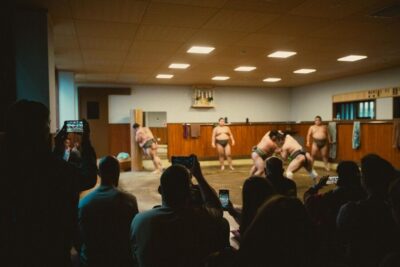
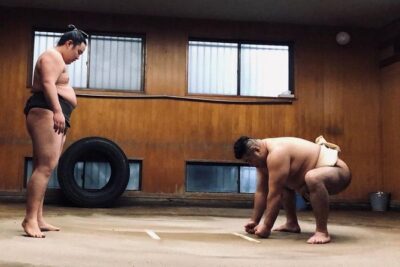
Tokyo Ryogoku Sumo Morning Practice + Photo Shoot with Wrestlers
Read our review →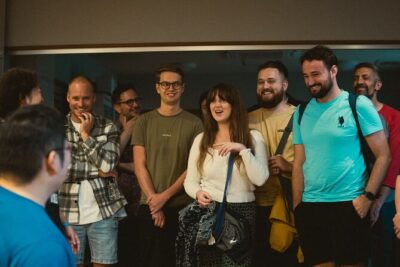
Sumo Wrestlers Morning Practice Tour – Tokyo Sumida District
Read our review →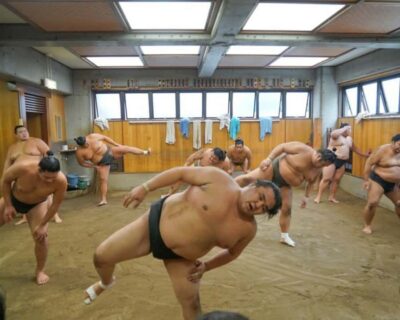
Sumo Morning Practice Tour in Ryogoku and Photo Shoot
Read our review →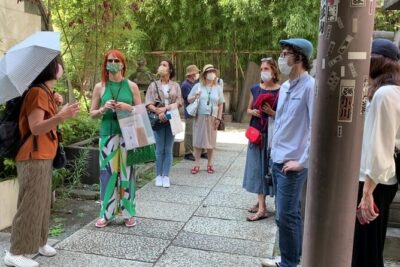
Tokyo Sumo Culture Tour with Chanko-Nabe Lunch in Ryogoku
Read our review →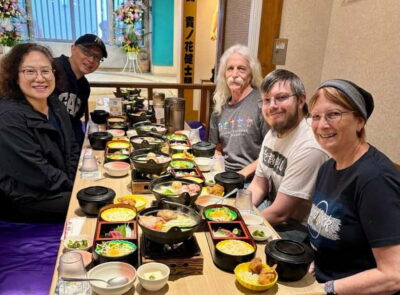
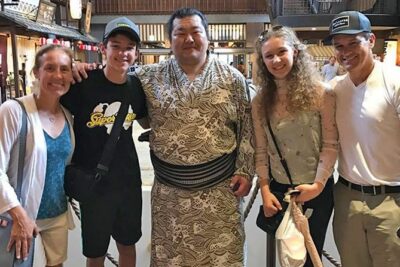
Private Ryogoku Walking Tour with Sumo Wrestler and Master Guide
Read our review →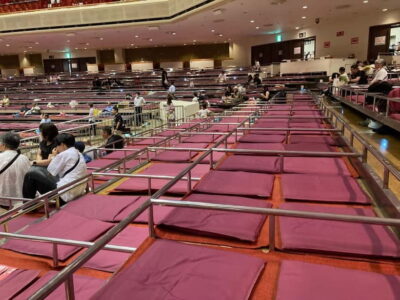
Browse the lists this tour appears in