
REVIEW · GRAND SUMO TOURNAMENT TOURS
Ultimate Sumo Tournament: Tokyo, Osaka, Nagoya, Fukuoka
The best part of this experience is that you do not have to figure out sumo alone. Your guide explains the bowing, salt throwing, rankings, rituals, and lightning-fast techniques while you watch the real tournament unfold. I especially like the reserved seat and the audio headset, since tickets can sell out within minutes and the arena gets loud.
I also like the choice between a group tour with B or C seats and a private outing with S or A seats. The optional chanko dinner adds a fitting end to the day. The tradeoff is that the standard group can include up to 20 people, and the guide’s commentary may not be constant for every bout.
Key points to know before booking
- Six official tournaments each year: Tokyo hosts tournaments in January, May, and September. Osaka hosts March, Nagoya hosts July, and Fukuoka hosts November.
- Reserved seats solve the hardest problem: Official tickets can disappear within minutes, so the ticket arrangement has real value.
- Commentary comes through an audio headset: You can hear guides such as Hiro, Myoko, Taku, Izumi, Yumi, or Seizo over the crowd.
- Standard seats are upstairs: B-class or C-class chair seats are generally on the second floor. Private tours use S-class or A-class seats closer to the ring.
- Dinner means chanko nabe: Add a sumo-style hot pot meal, with vegetarian requests possible if arranged in advance.
- Off-season dates are different: The morning stable visit near Warabi includes practice and chanko lunch, but not a tournament ticket.
Why a sumo tournament is worth your afternoon
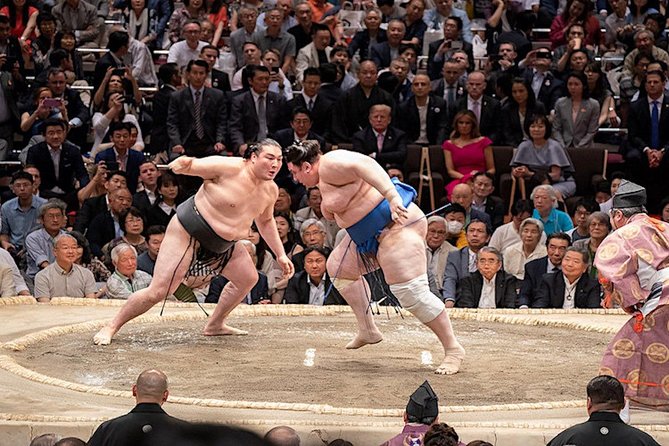
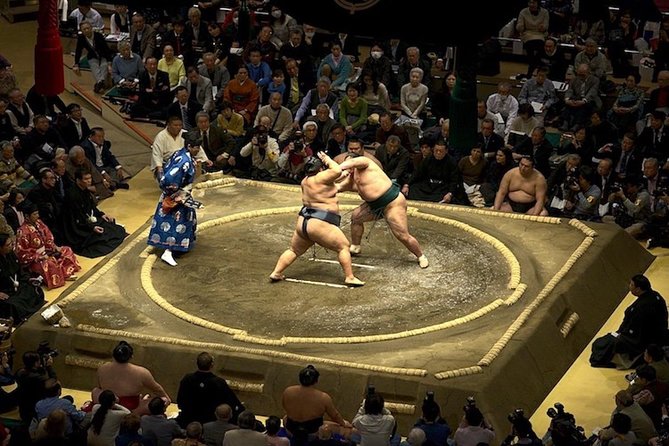
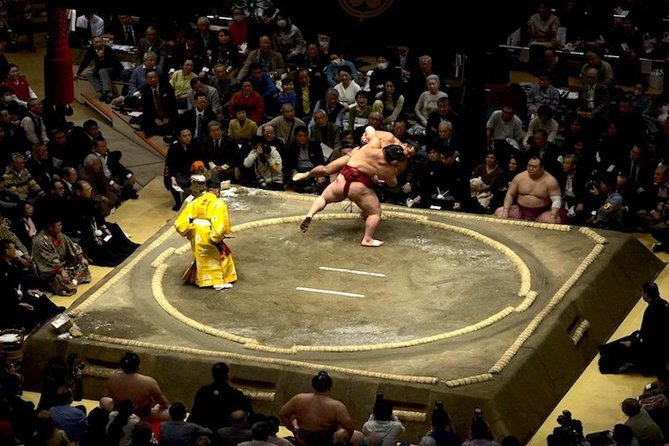
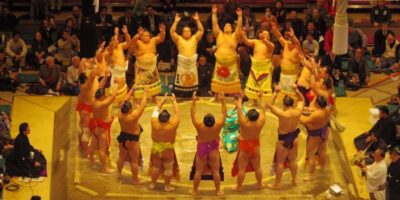
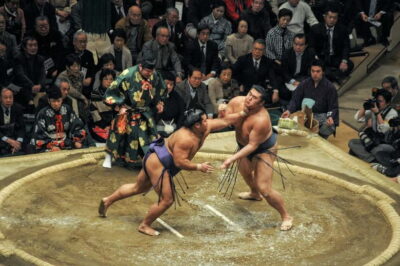
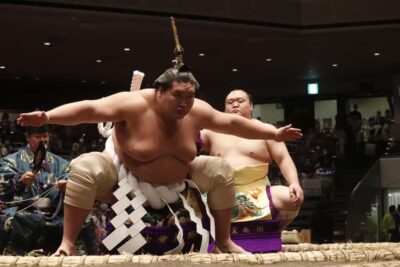
Sumo looks simple until you watch it closely. Two wrestlers face each other, stamp, crouch, and explode forward. A bout may end in seconds, yet the preparation around it can take several minutes. Every movement carries meaning, from the ritual salt to the ring-entering ceremony.
That is where this tour earns its keep. A first-time spectator may notice the noise and the huge athletes, but miss the rankings, hand gestures, footwork, winning techniques, and strict etiquette. An English-speaking guide gives you a framework, then points out details as the action happens.
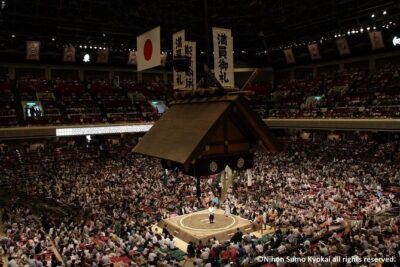
The setting is not a staged cultural show. You are attending an official 15-day basho at a real sumo venue. Local fans cheer for particular wrestlers, vendors sell food and drinks inside, and the atmosphere changes as the higher-ranked matches approach.
The tour is listed at $184.38 per person. That is not a small admission fee, but it includes a reserved tournament seat, ticket arrangement, service fees, a guide, a ranking sheet, and audio equipment. Since official tickets are difficult to secure independently, the package can make sense if sumo is high on your Japan wish list.
More tournament tours in Tokyo:
- Tokyo: Sumo Tournament Tour with Chair Seat Tickets
★ 4.6 · 753 reviews - Tokyo Grand Sumo Tournament Viewing Tour with Tickets
★ 5.0 · 692 reviews - Tokyo Sumo Wrestling Tournament Experience
★ 5.0 · 660 reviews
What happens at Tokyo’s Ryogoku Kokugikan
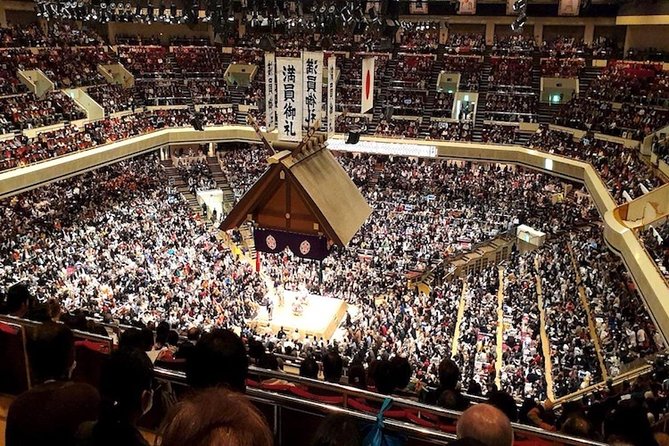
Tokyo’s Ryogoku Kokugikan is the main venue for the January, May, and September tournaments. You meet at 2:00 pm, with the exact meeting point sent by email at least one week before the date.
The Tokyo experience lasts about four hours. Your guide meets you, helps you enter, and gives an introduction to the venue and the sport. Depending on the day’s arrangements, you may visit the Sumo Museum, see parts of the arena, and settle into your assigned seats.
The museum can become crowded. If the group is large, your guide may ask you to look around independently rather than try to move everyone through a packed space. That is practical, though it means the museum portion may feel less like a formal guided visit.
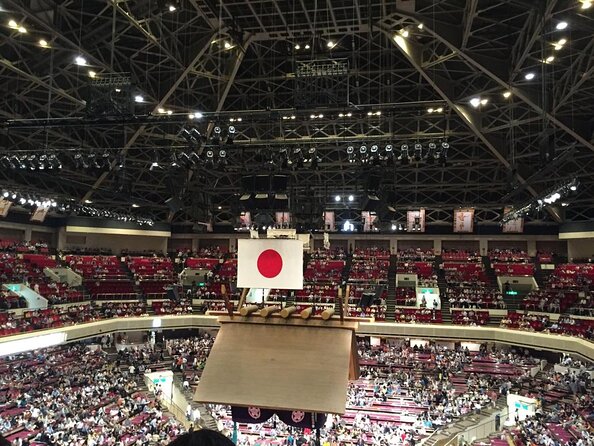
Standard tour seats are B-class or C-class chair seats on the second floor, often in rows 7 through 11 for B seating. These are not ringside cushions. You will have a wider view of the dohyo, the raised sumo ring, and the ceremonies, but the wrestlers will look smaller than they do from the lower levels.
A private tour offers S-class or A-class seating closer to the ring. This is the better choice if you care about seeing the wrestlers’ expressions, the force of the initial charge, and the details of the ring ceremony. It also suits families or couples who want a more personal pace.
The arena can run warm, so dress lightly. You cannot bring outside food or drinks inside, but vendors operate in the building. One useful stop is the second-floor soft-serve stand, which provides a welcome break during the long afternoon.
Osaka, Nagoya, and Fukuoka offer the same sport with different settings
The tour is not limited to Tokyo. The same basic format is available in three other tournament cities, but the timing matters.
Osaka in March
The March basho takes place at EDION Arena Osaka. You receive a reserved seat and spend about four hours with an English-speaking guide. Osaka is your only option if your Japan trip falls during the March tournament period.
More sumo experiences in Tokyo:
- Tokyo: Sumo Show Experience with Chicken Hot Pot and a Photo
★ 4.8 · 6,678 reviews - Tokyo: Sumo Show and Dining Experience
★ 4.8 · 2,742 reviews - the SUMO show
★ 5.0 · 1,960 reviews - Tokyo Shinjuku Sumo Show & Experience with Photo
★ 5.0 · 1,750 reviews
Nagoya in July
The July tournament is held at IG Arena. The experience again lasts about four hours, with a guide, reserved seating, and explanations of the sport. Summer heat may make light clothing especially useful, though the supplied information does not specify arena temperatures in Nagoya.
Fukuoka in November
The November tournament takes place at Fukuoka Kokusai Center. This is the final official basho of the year and offers the same chance to see tournament sumo with help from a local expert.
The venues differ, but the important planning rule is simple: official basho occur only six times a year, and each lasts 15 days. Tournament start and end dates fall on Sundays. Check the city and exact date carefully before paying, since a Tokyo product page does not mean every date takes place in Tokyo.
Why the guide matters once the matches begin
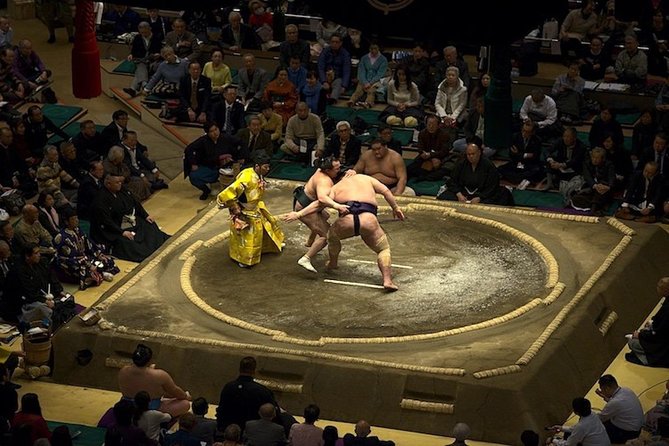
Sumo bouts move quickly. A wrestler can win before you have worked out who is facing whom. The ranking sheet, called a banzuke-hyo, helps you follow the wrestlers’ positions, while the guide explains the names and styles of the competitors.
Guides such as Hiro, Myoko, Taku, Izumi, Yumi, Shunsuke, and Seizo have been praised for explaining the sport’s rituals and spiritual side in clear terms. Guide assignments can change, so you should not book expecting one particular person. Still, the operator uses local sumo specialists, and the quality of the commentary is one of the main reasons to choose this package over a bare ticket.
Audio headsets are supplied so you can hear the guide over the arena noise. That is a major advantage. One practical warning: the headset volume may be very loud even at its lowest setting. Bring earplugs or a small hearing loop if you are sensitive to sound.
The guide may give an opening talk, explain key rituals, and then provide short comments before or during bouts. The structure is not necessarily a nonstop play-by-play broadcast. You will also have time to buy food, use the restroom, browse shops, and watch independently.
That balance works well for many people. You get enough help to understand the event without having every second of your afternoon filled with instruction. If you want a formal lesson on every rule and ceremony, make that clear at the start and ask questions.
The optional chanko dinner adds a local connection
Chanko nabe is the traditional hot pot associated with sumo stables. It usually contains chicken stock, vegetables, and other ingredients, and it is designed to feed many hungry people at once. The dish originated in the Ryogoku area, making it a natural choice after a Tokyo tournament.
Dinner is an add-on, not part of the basic price. Drinks are not included. The default meal is traditional chanko nabe, but you can request a vegetarian version or note other dietary needs in the special requirements field at checkout.
The vegetarian arrangement deserves attention. Traditional broth often contains pork or chicken, and the restaurant may substitute the broth. You must communicate the request before the tour, and changes cannot be made one week before the date once the dinner request has been accepted.
A guide may join the meal and help sort out meat, fish, and vegetarian choices. That can make dinner easier for mixed groups. Still, treat the dinner as a separate optional meal rather than a guaranteed part of the tournament visit.
The off-season stable visit is not a substitute ticket
On dates when no official basho is taking place, the experience changes to a morning practice visit. You meet near Warabi Station, about 30 minutes from Tokyo Station, and spend roughly three hours at a sumo stable.
The practice runs from 8:00 am to noon. You watch wrestlers train in an authentic stable while a guide explains what is happening through headsets. A chanko lunch follows the session.
This is a close look at discipline and daily training rather than a public competition. It may appeal to you if you prefer a quieter setting and want to see the work behind the tournament. It is not suitable if your main goal is to watch ranked bouts, because the off-season option does not include a tournament seat ticket.
Transportation is not included for either format. You must make your own way to the meeting point, and the final directions are sent about one week before the date. Plan extra time for the journey, especially in Tokyo, where a small navigation error can become a long delay.
Group or private tour: which makes sense?
The standard join-in option is the better value for many people. It uses B-class or C-class second-floor seating and can place up to 20 people in the same area with the English-speaking guide. You share the experience with other visitors, and the guide’s attention is spread across the group.
The private option costs more, but the upgraded S-class or A-class seats put you closer to the ring. It is worth considering for a special occasion, for anyone who cares about photography and detail, or for a family that wants more control over questions and timing.
Do not expect a private tour to remove every arena delay. You may still wait before entering, and the museum can still be congested. The ticket type changes the view and level of service, not the nature of the public event.
Booking, timing, and cancellation details
Book as early as you can. Three months ahead is recommended, and one month is the minimum suggested planning window. Group tickets are released by the Sumo Association roughly four to seven weeks before the tournament date, so final ticket confirmation may come later than you expect.
If tickets cannot be obtained, the operator says it will notify you within four weeks of the tour and offer another date or a full refund. The experience itself is non-refundable and cannot normally be changed after booking, so do not reserve it until your date is firm.
The tour requires a minimum number of participants. If that minimum is not met, you may be offered another date or experience, or receive a full refund. Bad weather can also lead to cancellation, with the same alternatives.
Most people can participate, and the venues are near public transportation. Hotel pickup and transport are not included. Read the meeting instructions carefully when they arrive, since the exact location may vary by city and will be sent by email.
Who will enjoy this sumo experience most?
You should book this if you want a real tournament but do not know how to obtain tickets or interpret the event. The guide turns a confusing afternoon into something you can follow, especially if sumo is new to you.
It is also a strong choice for families. The bouts are short, the rituals are visual, and the ranking sheet gives children a way to follow particular wrestlers. The optional dinner makes the day feel like a complete cultural outing.
Experienced sumo fans may prefer to buy tickets independently and choose their own section. The tour’s value comes from access, explanation, and organization, not from offering the cheapest possible seat.
You should think twice if you dislike fixed dates, group pacing, or non-refundable bookings. The four-hour visit also involves sitting, waiting, food breaks, and periods when the guide is not speaking. That is part of attending a live tournament, but it may not suit someone expecting a tightly scheduled sightseeing tour.
Should you book it?
Book it if an official basho falls during your time in Japan and you want more than a quick look at the sport. The reserved ticket solves a serious access problem, and the English commentary helps you appreciate the rules, rankings, and rituals instead of watching a blur of fast bouts.
Choose standard seating for the best balance of price and guidance. Pay for the private option if being close to the ring matters more than keeping costs down. Add chanko dinner if you want the sumo theme to continue after the matches.
My main advice is to confirm the city, tournament month, seat category, meeting point, and dinner choice before you commit. For an off-season date, book only if morning practice appeals to you, since it does not include tournament admission.
FAQ
How long does the sumo tournament experience last?
The guided tournament visit lasts about four hours.
Where are the official tournaments held?
Tokyo hosts tournaments in January, May, and September. Osaka hosts the March tournament, Nagoya hosts July, and Fukuoka hosts November.
What time does the tour start?
The listed start time is 2:00 pm. The exact meeting point is sent in the tour details at least one week before the date.
What seats are included in the standard tour?
Standard tour seats are B-class or C-class chair seats, generally on the second floor. B-class seats may be in rows 7 through 11.
What seats are included in the private tour?
Private tours include S-class or A-class seats closer to the sumo ring.
Is food included?
Food and drinks are not included in the standard tour. You may purchase food inside the arena, and you can add a chanko hot pot dinner when booking.
Can I request a vegetarian dinner?
Yes. You can request a vegetarian option or provide other dietary requirements at checkout. The request should be made before the tour, and changes cannot be made one week before the date once accepted.
What happens on an off-season date?
The off-season option is a morning practice visit at a sumo stable near Warabi Station. It runs from 8:00 am to noon and includes guide commentary and chanko lunch, but it does not include a tournament seat ticket.
Newest sumo experiences in Tokyo
- Tokyo Sumo History Tour with Chanko Nabe Lunch★ 5.0 · 3 reviews
- Tokyo Highlights Tour: Sumo, Sushi, Tea, and Tokyo Tower★ 5.0 · 2 reviews
- Tokyo: Know about Hokusai and Sumo culture in 2.5 hours★ 5.0 · 2 reviews
- TOKYO , No1 Yokozuna Stable Morning Practice in Ryogoku★ 4.5 · 3 reviews
- Tokyo 6hr Private Guided Tour & Sumo Show Lunch★ 5.0 · 3 reviews
- Tokyo Grand Sumo Tournament Viewing Tour★ 5.0 · 2 reviews
- Tokyo Ginza : Sumo and Mikoshi Experience,Open from Sep.★ 5.0 · 8 reviews
- Complete Sumo Experience in Tokyo★ 4.5 · 3 reviews
Grand Sumo Tournament Tours, compared.
Tokyo Grand Sumo Tournament Viewing Tour with Tickets
Read our review →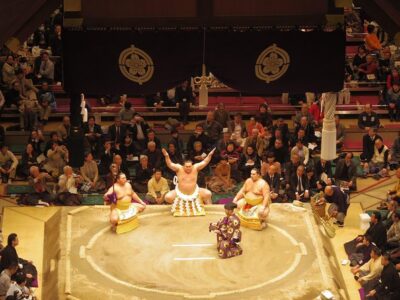
Sumo Tournament with Guide & Assigned Reserved Seat
Read our review →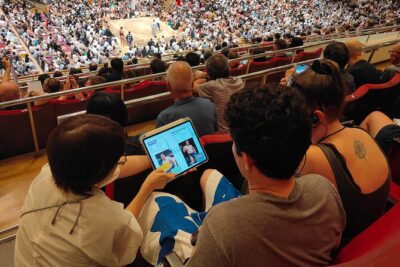
Sumo Wrestling Tournament with Chair Seat Tickets
Read our review →November Sumo Tournament tour in Fukuoka (Tickets Included)
Read our review →
Browse the lists this tour appears in