
REVIEW · GRAND SUMO TOURNAMENT TOURS
Tokyo: Grand Sumo Morning Training Tour
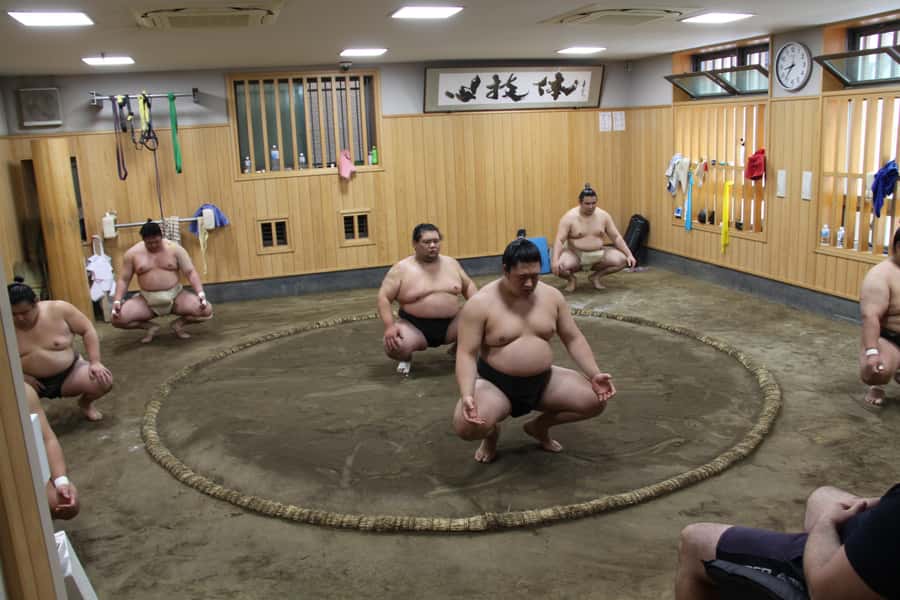
The best part of this Tokyo tour is the close view of professional sumo training. You are not watching a staged show from a distant seat. You sit quietly inside a working sumo stable and watch wrestlers repeat demanding practice under strict traditional rules. I like the honest setting and the chance to see discipline at close range.
I also like the clear meeting point at Honjo-Azumabashi Station and the chance for a ceremonial photo with a sumo wrestler after practice. The main drawback is comfort: there are no chairs, photography and recording are tightly restricted, and you must sit on the floor without stretching out your legs.
Key points at a glance
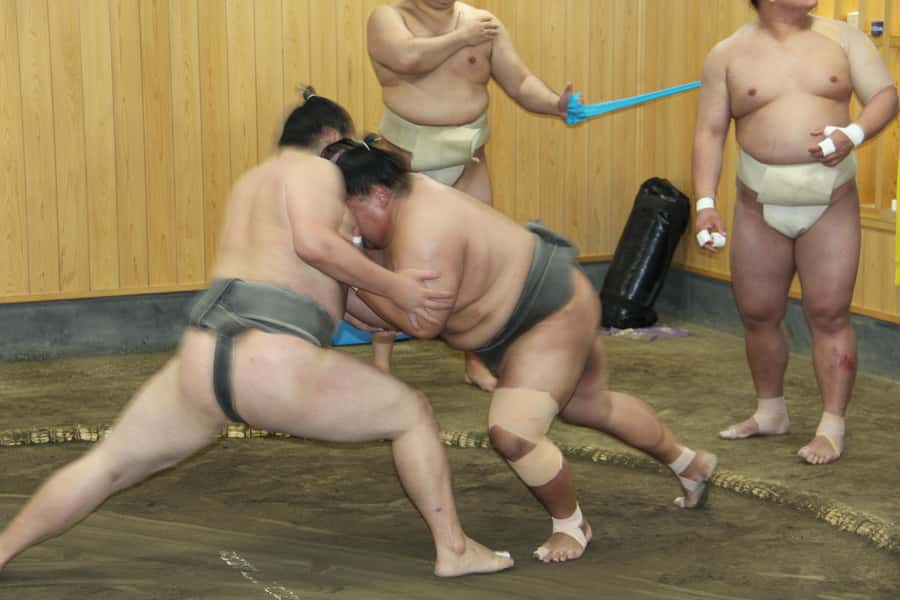
- Morning practice inside a real sumo stable: Watch professional wrestlers train at close range rather than attend a theatrical performance.
- English-speaking guide from Honjo-Azumabashi Station: Meet at Exit A4 at least 10 minutes early for the walk to the stable.
- Quiet, respectful viewing: You must follow stable rules, stay in your place, and ask permission before entering.
- Ceremonial photo after practice: A photo opportunity is available once the lesson ends, giving you a lasting memory of the visit.
- Two-hour cultural outing: The morning schedule leaves time to visit Asakusa or nearby sights afterward.
- Important comfort limits: You sit on the floor, and the activity is not suitable for wheelchair users or children under 3.
Why this sumo visit feels different from a staged show
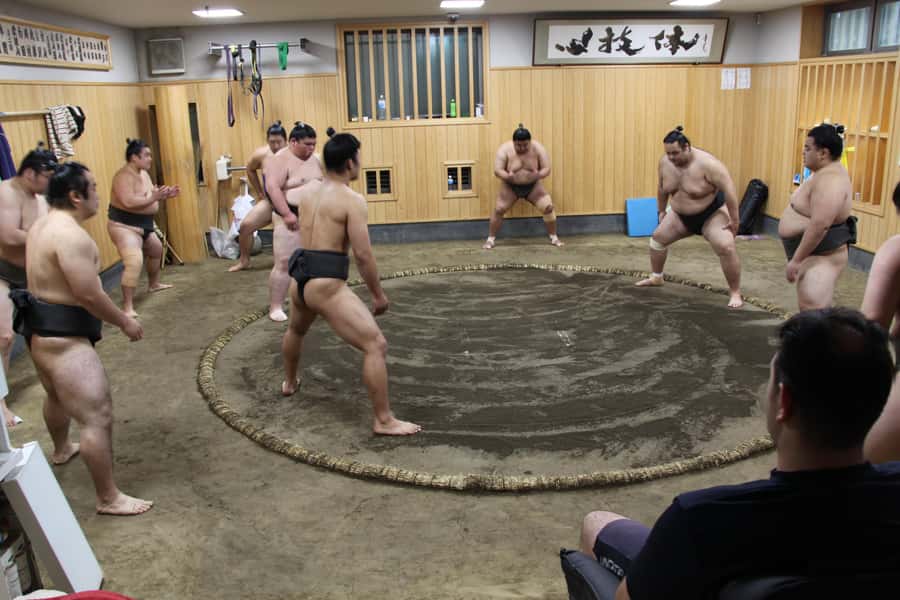
Tokyo offers several sumo-themed activities, but this morning visit focuses on the practice itself. That distinction matters. You are there to watch wrestlers work, not to sit through a performance built for an audience.
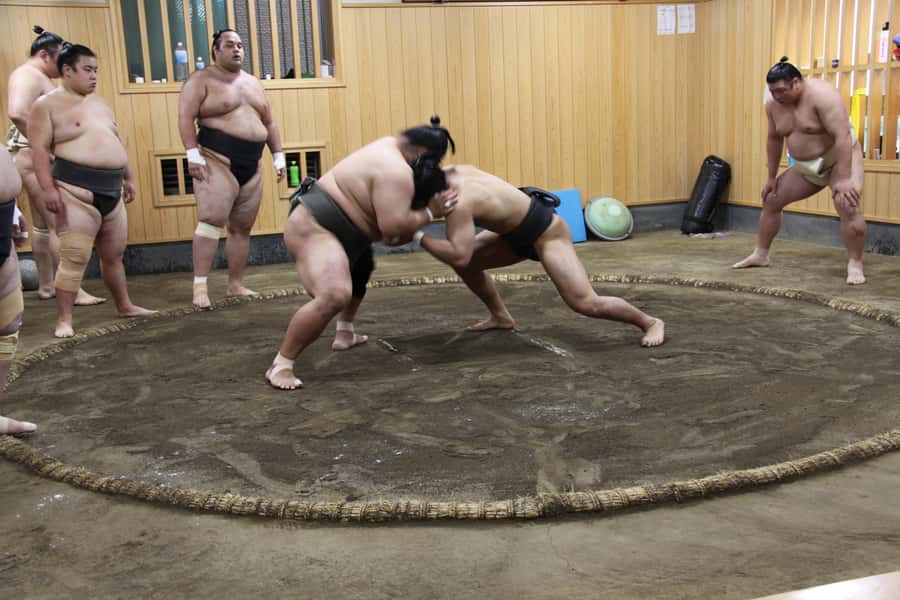
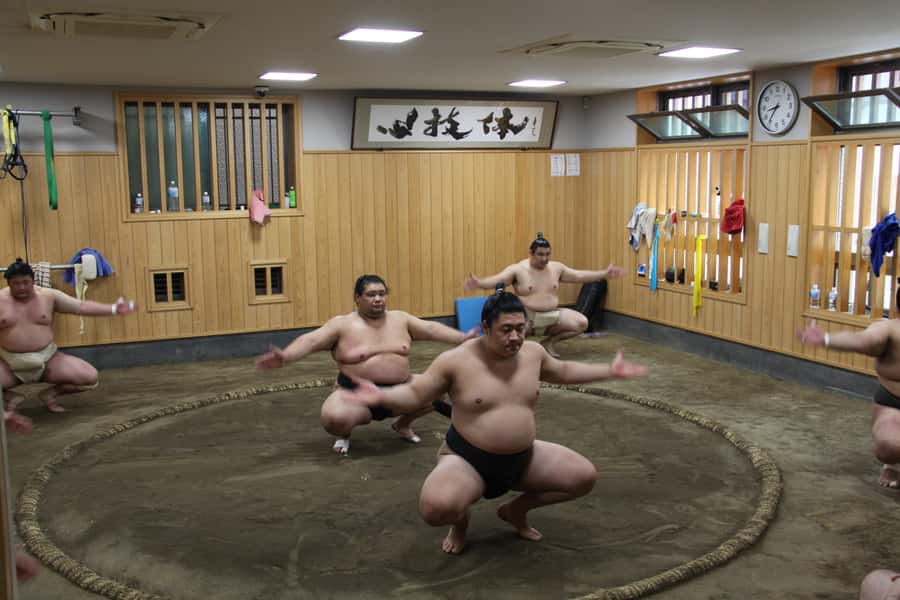
Training can look simple at first. A wrestler prepares, pushes, braces, and repeats. Yet the quiet setting makes the effort easy to read. The wrestlers are working on physical strength, balance, timing, and mental focus. You see the concentration in the room and the seriousness of the routine.
The visit lasts about two hours, which is long enough to watch the session without taking up your entire day. I find that a useful length for a cultural activity. You get a focused look at sumo, then still have time for lunch, Asakusa, or another Tokyo plan.
The setting also creates limits. A sumo stable is not a visitor center with wide aisles and rows of comfortable seats. You are entering a place where people train. Your guide and the stable staff set the rules, and you need to follow them closely.
More morning practice tours in Tokyo:
- Tokyo: Sumo Morning Practice Viewing Tour
★ 4.8 · 570 reviews - Tokyo: Sumo Morning Training Visit
★ 4.4 · 370 reviews - Tokyo: Visit Sumo Morning Practice with English Guide
★ 4.7 · 343 reviews
Meeting your guide at Honjo-Azumabashi Station
Your meeting point is Honjo-Azumabashi Station, Exit A4, at coordinates 35.7087287902832, 139.80487060546875. The guide waits near the exit and leads you to the stable.
This is a practical meeting point, but Tokyo stations can still take time to navigate. Give yourself more than the bare minimum if you are unfamiliar with the area. The stated rule is to arrive at least 10 minutes before departure. Late arrivals are not accommodated because the group must reach the stable at a set time.
The directions are meant to be clear, and the guide speaks English. Still, I would save the meeting point on your phone before leaving your hotel. Check the station name carefully and head for Exit A4 rather than simply walking to the general station area.
The walk from the station is part of the transition from ordinary Tokyo to the quiet working world of sumo. Do not expect a long sightseeing walk or a guided tour of the neighborhood. The purpose is to reach the stable on time.
Entering the stable and learning the rules
Before you enter, permission is required. This is not a place where you can wander in and out. Once you leave your seat, you are not allowed to re-enter, so settle yourself before training begins.
The rules may feel strict, but they protect the practice session and show respect for the wrestlers. You must listen to the guide and stable staff. Failure to follow instructions can lead to removal without a refund.
The stable does not provide chairs. You sit on the floor throughout the lesson and must keep your legs from stretching out. This is the most important physical consideration before booking. If floor sitting is painful or difficult, a two-hour session could feel much longer.
Wear comfortable clothes that allow you to sit in one position. Avoid short skirts, and leave large bags and luggage behind. Baby strollers and carriages are not allowed. The activity is not suitable for wheelchair users, and children under 3 cannot join.
Watching professional wrestlers train
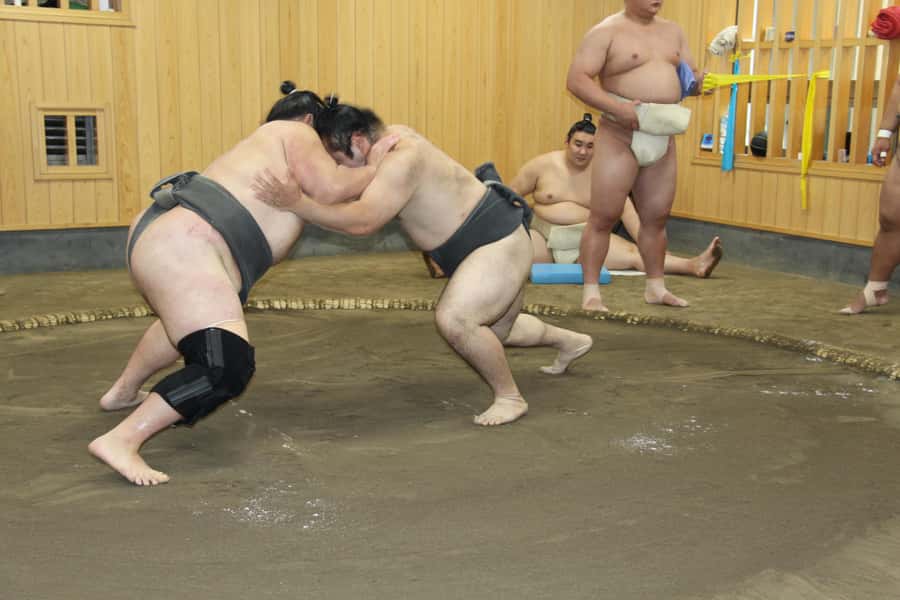
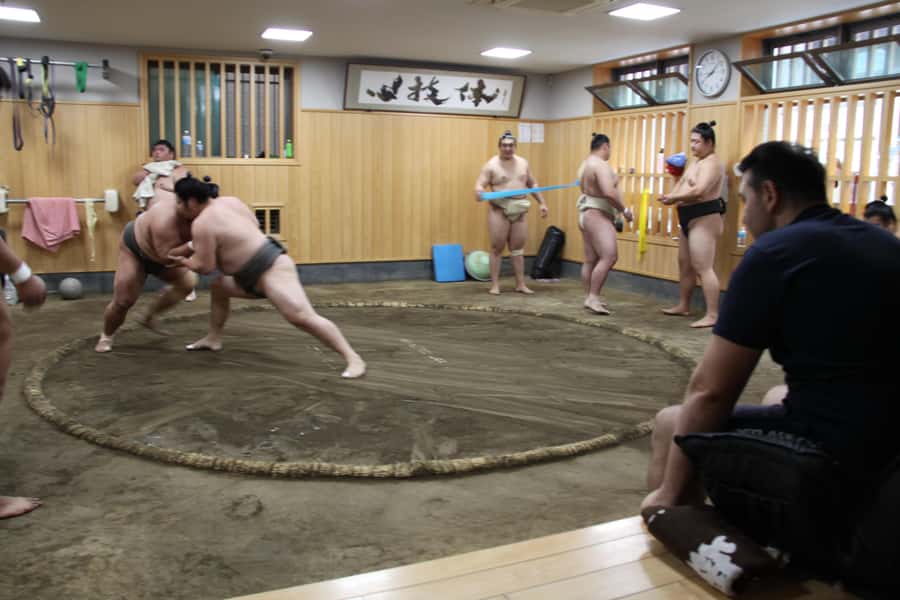
Once practice begins, your job is simple: watch quietly. The value comes from seeing the wrestlers close enough to notice the force and control behind each movement.
You may find the session less polished than a show, and that is the point. Practice has a working rhythm. There can be periods of concentration, repetition, and waiting. You are not promised a set series of demonstrations or a particular match. The activity can change if the wrestlers’ physical condition or another unexpected issue affects the session.
That uncertainty is worth keeping in mind. A morning stable visit gives you access to a real training environment, but real training does not work like a stage production. The exact session may vary. It may also be changed or affected by circumstances outside the provider’s control.
I like this format for visitors who want to understand sumo as a discipline rather than simply take a themed photo. You see the work behind the public sport. The close distance makes the physical effort more immediate, while the quiet atmosphere lets you focus on how carefully the wrestlers train.
You should not expect to talk freely with wrestlers during practice. The instructions are designed to keep attention on the training. Treat the room as a place of work, not a photo studio.
More tournament tours in Tokyo:
- Tokyo: Sumo Tournament Tour with Chair Seat Tickets
★ 4.6 · 753 reviews - Tokyo Grand Sumo Tournament Viewing Tour with Tickets
★ 5.0 · 692 reviews - Tokyo Sumo Wrestling Tournament Experience
★ 5.0 · 660 reviews - Ultimate Sumo Tournament: Tokyo, Osaka, Nagoya, Fukuoka
★ 5.0 · 468 reviews
Photography rules are part of the experience
Photography inside the stable is not allowed. Video recording, audio recording, flash photography, and selfie sticks are also prohibited. Food, alcohol, smoking, vaping, weapons, sharp objects, costumes, and drugs are not allowed.
These restrictions may disappoint anyone hoping to film the session for social media. They also mean you should not arrive expecting a steady stream of photos. Keep your phone away during the lesson unless the guide or staff gives permission for a specific reason.
The restriction does have a positive side. You are less likely to spend the training session looking at a screen. You can watch the wrestlers directly and avoid the distraction of flashes, video clips, or people moving around for better angles.
After the lesson, you have the opportunity to take a ceremonial photograph with a sumo wrestler. Follow the guide’s instructions about when and how to do this. Since photography inside is forbidden, the approved photo opportunity after practice is the moment to take home a visual memory.
The ceremonial photo after practice
The photo at the end gives the visit a clear finish. You first spend the morning watching the athletes work, then receive a chance to make a respectful memory of the occasion.
Keep your expectations sensible. This is described as a ceremonial photograph, not an extended meet-and-greet. The main purpose of the tour is the training session, and the photo comes after the lesson.
I consider this a useful extra, especially if you are visiting Tokyo for the first time and want one personal image connected to sumo. It also gives children and family groups a simple way to remember the outing, although children under 3 cannot participate.
The photo should not be the only reason you book. If your priority is a long performance, a meal, or a hands-on lesson with a former wrestler, another sumo activity may suit you better. This tour is strongest when the practice session itself interests you.
What the two-hour schedule means for your Tokyo day
The morning timing works well with a wider Tokyo itinerary. After the stable visit, you have the option to explore nearby attractions, including the historic district of Asakusa, at your own pace.
The schedule does not include a guided Asakusa tour, so plan that part yourself. The useful point is flexibility. You can continue sightseeing, find a meal, or return to your hotel after the sumo visit without giving up a full day.
The two-hour length also makes this easier to fit around other plans than a full-day cultural tour. Still, allow extra time around the stated duration for meeting the guide, walking to the stable, and leaving the area afterward. The advertised activity time is two hours, but your full door-to-door outing will be longer.
Value: close access instead of a full-day program
No price is provided here, so I cannot judge the exact cost. I would assess the value based on what you are paying for: access to professional training, a small slice of sumo culture, an English-speaking guide, and a ceremonial photo opportunity.
This is not a broad Tokyo sightseeing tour. You are paying for a specific setting that is difficult to access independently. The close viewing is the main value. If you have already seen a sumo show, you should compare the two formats carefully. A show may offer more explanation, food, demonstrations, or planned entertainment. This visit offers a more direct look at practice.
The tour can be good value for you if authenticity and proximity matter more than comfort. It is less suitable if you need a chair, want to photograph freely, or prefer a guaranteed performance with a fixed script.
Free cancellation up to 24 hours before the activity and the reserve-now, pay-later option add practical flexibility. You can hold a place without paying immediately, then cancel within the stated period for a full refund. Check the available start times before booking, since the schedule is not listed as one fixed departure.
Who should book this stable visit
I would choose this experience if you:
- Want to watch professional wrestlers train at close range
- Care more about a working cultural setting than a theatrical show
- Can sit on the floor for the full lesson
- Are comfortable following strict rules about silence, movement, and photography
- Have a free morning and would like to continue on to Asakusa
- Want an English-speaking guide to handle the route to the stable
I would think twice if you:
- Need wheelchair access or a chair
- Want to record video or take photographs during the training
- Are traveling with a baby stroller
- Prefer a meal, stage show, or hands-on activity
- Need a guaranteed, unchanging schedule
- Find strict cultural etiquette frustrating
The high rating of 4.9 from 12 ratings fits the strongest feature of this outing: the wrestlers are close, and the visit feels well organized from the station meeting point through the stable entrance. The most useful praise is also quite specific. The training is close enough to feel immediate, the directions to the guide are clear, and the photo at the end adds a personal touch.
Practical preparation before you leave
Wear clothes that are comfortable for floor sitting. Choose trousers or another outfit that lets you sit neatly without restricting movement. Leave short skirts, large bags, luggage, and strollers at your accommodation.
Do not bring food, alcohol, smoking materials, vaping equipment, selfie sticks, or sharp objects. Assume that filming and recording will not be possible. Keep your phone silent and ready for directions rather than planning to use it as a camera throughout the session.
Arrive at Exit A4 at least 10 minutes early. A late arrival cannot be accommodated, so a rushed trip through Tokyo is not worth the risk. Save the station name and exit number, and allow time to find your way through the station.
Most of all, bring patience. You are watching a real training session, and the wrestlers’ condition can affect the activity. The program may change if unforeseen circumstances arise.
Should you book this Tokyo sumo tour?
Book it if you want the rare chance to watch professional sumo wrestlers train in a working stable and you are willing to trade comfort and camera freedom for close access. The quiet rules, floor seating, and uncertain training details are not minor points, but they help preserve the setting you came to see.
Skip it if your main goal is a polished show, a meal, or constant photography. For the right visitor, this is a short and memorable look at the discipline behind sumo, with Asakusa waiting nearby when the lesson ends.
FAQ
Where does the Tokyo sumo morning tour meet?
Meet your English-speaking guide near Exit A4 of Honjo-Azumabashi Station. The meeting point coordinates are 35.7087287902832, 139.80487060546875.
How long does the activity last?
The activity lasts two hours. Starting times vary, so check availability when booking.
Is the tour conducted in English?
Yes. The tour includes a live English-speaking guide.
Can I take photographs inside the sumo stable?
No. Photography inside the stable is not allowed. Flash photography, video recording, audio recording, and selfie sticks are also prohibited.
Can I take a photo with a sumo wrestler?
Yes. You have the opportunity to take a ceremonial photograph with a sumo wrestler after the lesson concludes.
Do I sit on chairs during the training?
No. Chairs are not provided. You must sit on the floor during the lesson and refrain from stretching out your legs.
Who cannot join this activity?
The activity is not suitable for children under 3 or wheelchair users. Baby strollers and carriages are also not allowed.
Newest sumo experiences in Tokyo
- Tokyo Highlights Tour: Sumo, Sushi, Tea, and Tokyo Tower★ 5.0 · 2 reviews
- Tokyo: Know about Hokusai and Sumo culture in 2.5 hours★ 5.0 · 2 reviews
- TOKYO , No1 Yokozuna Stable Morning Practice in Ryogoku★ 4.5 · 3 reviews
- Tokyo 6hr Private Guided Tour & Sumo Show Lunch★ 5.0 · 3 reviews
- Tokyo Grand Sumo Tournament Viewing Tour★ 5.0 · 2 reviews
- Tokyo Sumo History Tour with Chanko Nabe Lunch★ 5.0 · 3 reviews
- Tokyo Sumo Tournament Chair Seat Ticket with Entrance Assistant★ 4.0 · 4 reviews
- Tokyo: Sanctuary Authentic Grand Sumo Experience & Training★ 5.0 · 7 reviews
Grand Sumo Tournament Tours, compared.
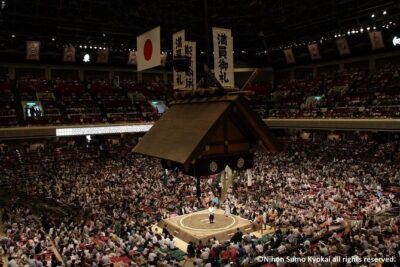
Tokyo Grand Sumo Tournament Viewing Tour with Tickets
Read our review →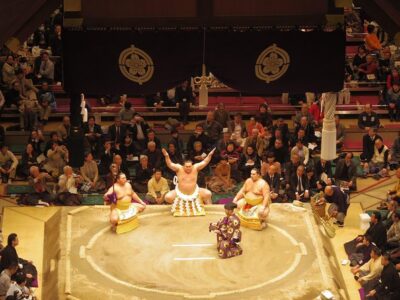
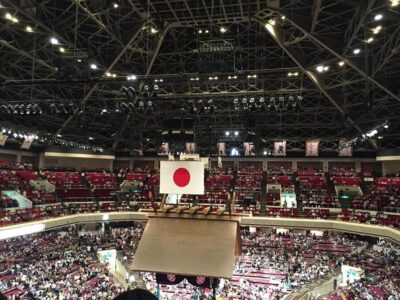
Ultimate Sumo Tournament: Tokyo, Osaka, Nagoya, Fukuoka
Read our review →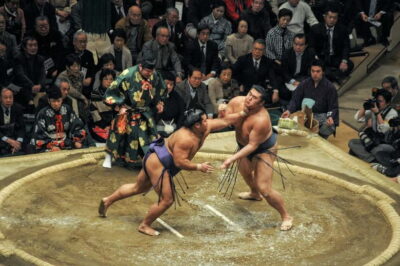
Sumo Tournament with Guide & Assigned Reserved Seat
Read our review →
Sumo Wrestling Tournament with Chair Seat Tickets
Read our review →November Sumo Tournament tour in Fukuoka (Tickets Included)
Read our review →Browse the lists this tour appears in