
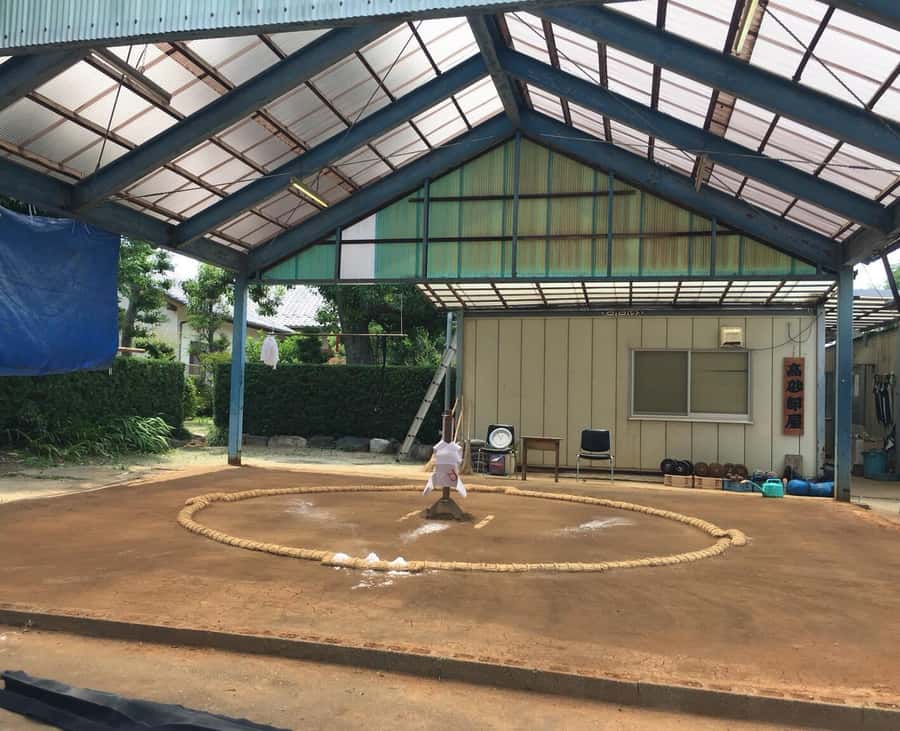
REVIEW · SUMO MORNING PRACTICE TOURS
Nagoya: Visit Sumo Morning Practice with English Guide
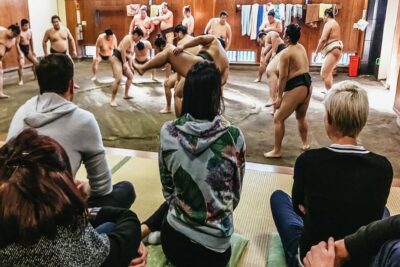
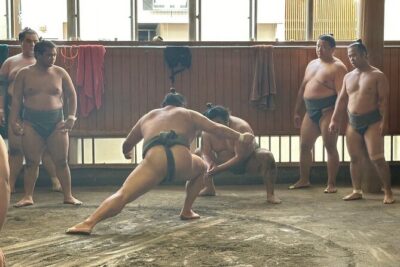
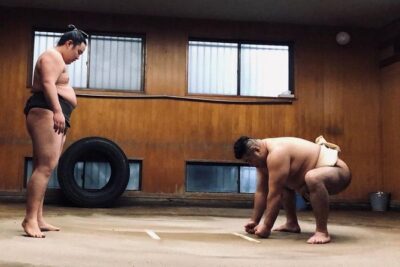
The unusual part comes first: you get to watch professional sumo wrestlers train, not just perform during a tournament. At Ryushoin Temple, the Takasago stable opens a small window into the serious daily work behind Japan’s national sport. The wrestlers train close enough for you to see their techniques and effort clearly, with an English-speaking guide helping you follow what is happening.
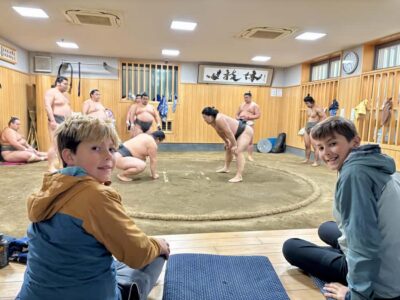
I like two things in particular. You can sit on a chair, which is a welcome touch during a quiet, floor-level viewing experience. I also like the chance to take a commemorative photo with a rikishi after practice. The main consideration is that one past participant found the guide’s sumo knowledge limited, so the quality of the explanations may vary.
Key points to know before booking
- Watch practice at Takasago stable: The stable has produced six yokozuna and eight ozeki, giving the visit real importance in the sumo world.
- Meet at Ryushoin Temple: The stable is located inside the temple, about 15 minutes on foot from Kanie Station.
- Use a chair instead of sitting on the ground: This makes the viewing easier for many people.
- See training at close range: The focus is daily practice, not a staged demonstration or tournament match.
- Take a photo with a rikishi: The picture gives you a lasting memento of the visit.
- Plan for an early, quiet experience: Food, alcohol, drugs, and cellphones are not allowed, and children under 12 cannot join.
Why Morning Practice Gives You More Than a Tournament Seat
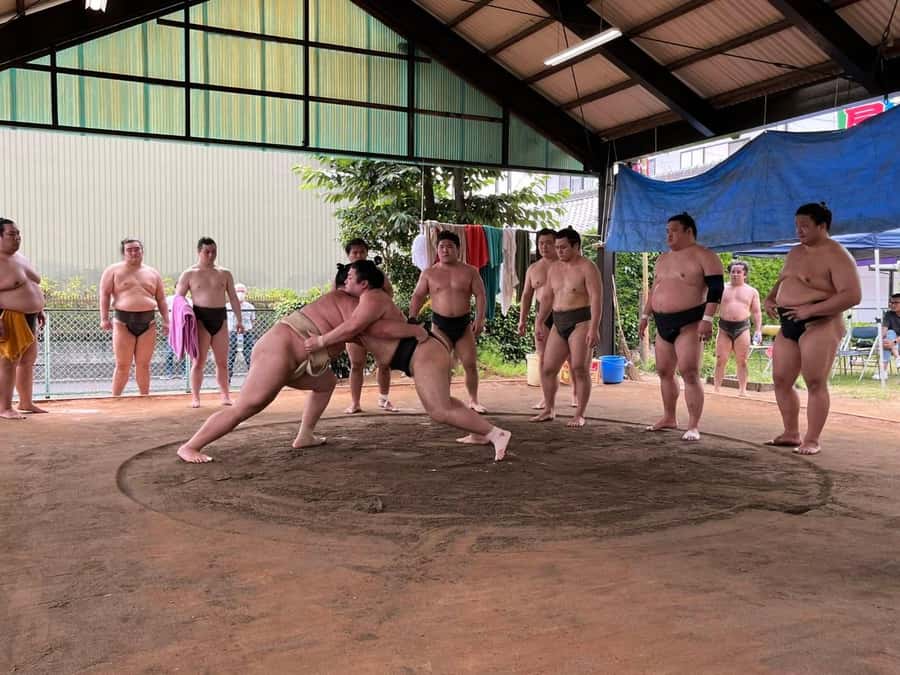
A sumo tournament shows the finished product. Morning practice shows the work behind it.
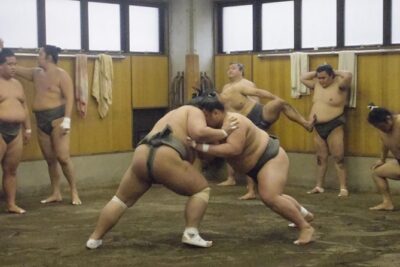
Here, you watch rikishi repeat techniques and train with discipline before the public spectacle begins. The appeal is not noise or pageantry. It is the chance to see the physical demands of professional sumo in a setting designed for training.
That difference matters. A tournament match is easy to understand as a sporting event, but practice gives you a closer look at routine and concentration. You may notice the wrestlers preparing, repeating movements, and working through the demanding habits that support competition.
The experience is described as a rare chance to see this side of sumo. Access to practice is not normally part of an ordinary sightseeing day, which gives the visit a more local feel than a standard cultural show. You are not simply watching a performance created for tourists. You are entering a place where professional wrestlers train.
The visit is also brief enough to fit into a Nagoya itinerary. The total duration is two hours, with the guided visit listed as about 1.5 hours. That leaves a little room for arrival, settling in, and the photo opportunity, though you should still treat the full two-hour period as part of your schedule.
More morning practice tours in Japan:
- Tokyo: Sumo Morning Practice Viewing Tour
★ 4.8 · 570 reviews - Tokyo: Sumo Morning Training Visit
★ 4.4 · 370 reviews - Tokyo: Visit Sumo Morning Practice with English Guide
★ 4.7 · 343 reviews
Ryushoin Temple and the Takasago Stable Connection
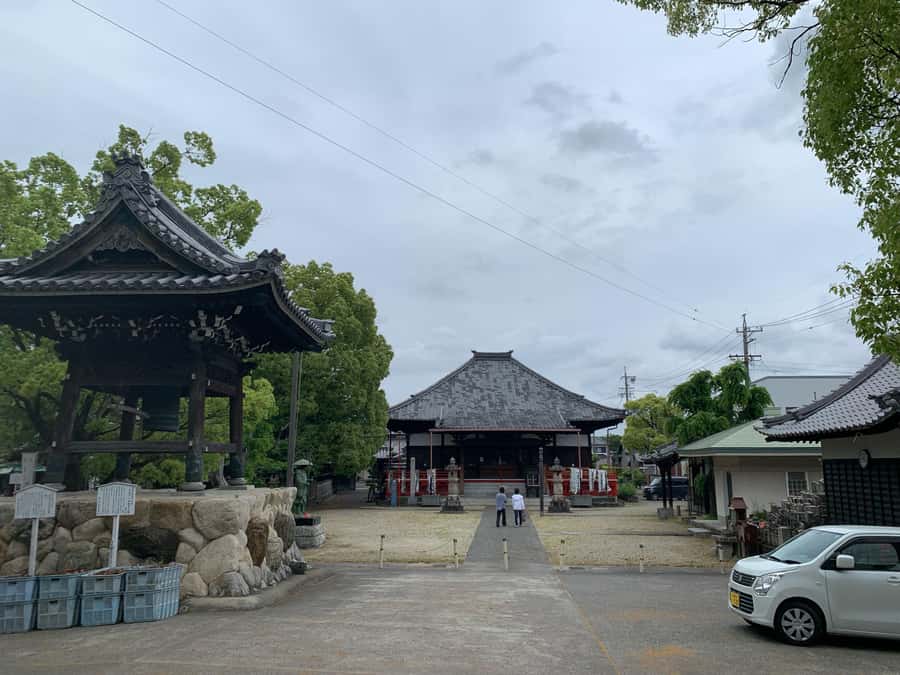
Your meeting place is Ryushoin, a temple in Kanie-cho, outside central Nagoya. The guide waits at the temple entrance, making the starting point clear once you arrive.
Inside the temple grounds is Takasago stable, one of the most respected names connected with this experience. It has produced six yokozuna, the highest rank in sumo, and eight ozeki, the second-highest rank. Those numbers give the visit more weight than a generic introduction to the sport.
You are not only seeing sumo wrestlers train. You are visiting a stable with a major record of producing top-ranked competitors. For someone interested in the structure and traditions of sumo, that setting is an important part of the value.
The information supplied for the visit does not provide the name of the individual English guide. You will have an English-speaking guide at the meeting point, but you should not book this expecting a named specialist unless that detail is confirmed before departure.
The temple setting also shapes the mood. Practice takes place away from Nagoya’s main urban sights, and the visit requires a short trip out to Kanie. That extra effort is part of the experience. It is less convenient than a central city attraction, but it takes you to the actual training location.
Getting From Nagoya to Kanie Station
The simplest public transport route is the JR Kansai Line from Nagoya Station to Kanie Station. Kanie is the third stop, and the ride takes about 14 minutes.
After leaving the north exit of Kanie Station, you walk for about 15 minutes to Ryushoin. The address is 1364 Sunarimonyashikikami, Kanie-cho, Ama-gun, Aichi 497-0031. Allow enough time to find the temple entrance without rushing.
This route is short by Japanese day-trip standards, but the walk still matters because the meeting time is important. The guide waits at the temple entrance, not at Kanie Station. I would arrive at the station with enough time to walk calmly and locate Ryushoin.
A taxi is another option. The ride from Nagoya Station takes approximately 30 minutes. This can be useful if you are carrying luggage, managing mobility needs, or prefer a door-to-door trip, though the train and walk offer a clear route with a stated travel time.
The activity is listed as wheelchair accessible. Since the experience takes place at a temple and the published details do not explain every surface or entrance feature, you may want to confirm the exact access arrangements if you use a wheelchair.
What the Practice Session Is Like
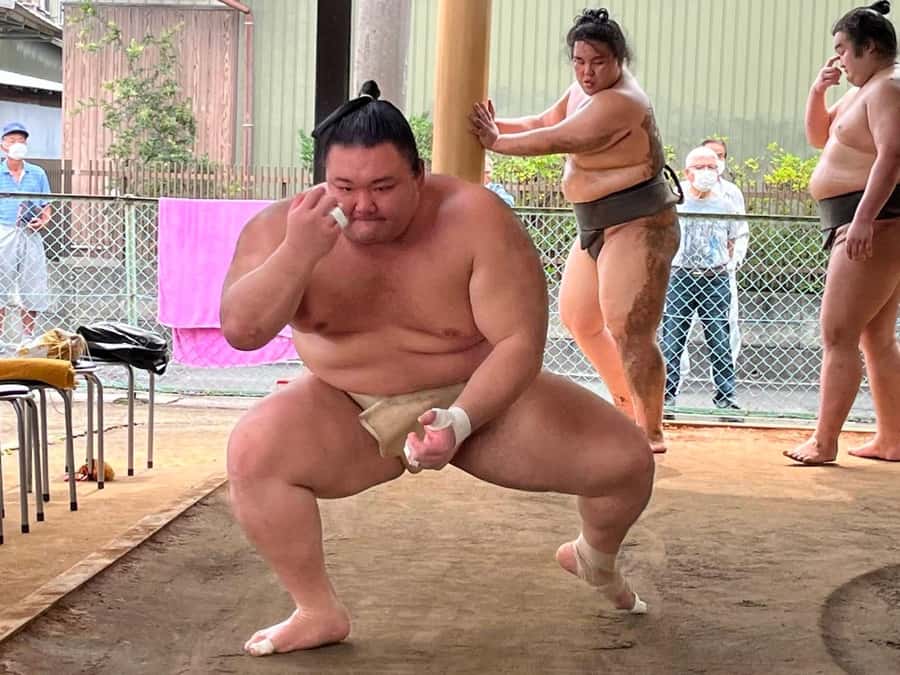
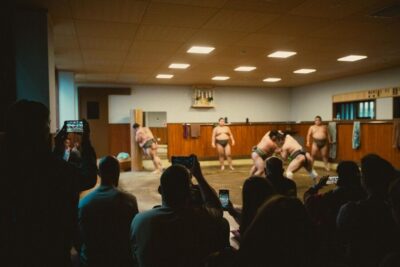
Once the group is gathered, the English-speaking guide leads you to the viewing area at Takasago stable. The key feature is proximity. You can see the wrestlers’ techniques up close rather than watching from a distant seat.
The practice is serious and rigorous. This is not a light introduction where the wrestlers pause to explain every movement. The athletes are focused on training, and the value comes from observing that concentration.
Your guide helps put the session into context. The tour is available in English and Japanese, so English-speaking visitors can follow basic explanations while watching. The guide’s role is especially useful if you are new to sumo and want to understand the importance of the ranks, the stable, and the training you are seeing.
One past participant felt the guide did not have much sumo knowledge. That is the clearest caution in the available feedback. Most of the praise focuses on the closeness of the viewing and the friendly, helpful nature of the guide, but the depth of commentary may not satisfy a serious sumo expert.
I would approach the session as a close cultural observation first and a technical lecture second. If you already know a great deal about sumo, the wrestlers’ training itself may be the main attraction. If you are new to the sport, the guide should help, but you may not receive a detailed explanation of every technique.
More English-guided sumo tours in Japan:
- Sumo Morning Training Watch in Tokyo,Hotel-pickup w/English guide
★ 5.0 · 72 reviews - Kyushu Grand Sumo Tournament Viewing Tour with English Guide
★ 5.0 · 22 reviews - Tokyo: Visit Sumo Morning Practice with English Guide
★ 4.5 · 22 reviews - Grand Sumo Tournament Tour w/an English Guide ,Tokyo January 2026
★ 5.0 · 3 reviews
Sitting on a Chair Instead of the Ground
Many traditional Japanese experiences require sitting on the floor. That can be uncomfortable, particularly during a quiet viewing session when you are expected to remain in place.
This tour offers a chair instead. It is a small practical detail, but it can make a real difference. You can concentrate on the training without worrying as much about your knees, hips, or ability to stand afterward.
The chair also makes the visit more accessible for people who cannot comfortably sit on the ground for an extended period. It does not remove every possible mobility concern, especially since the temple setting may involve surfaces that are not fully described, but it is a useful advantage.
The viewing area is likely to feel restrained rather than theatrical. The supplied information does not promise a large auditorium, assigned seat type, or heated indoor viewing space, so dress and plan for a simple training environment. The key comfort feature that is confirmed is the chair.
The Photo With a Rikishi
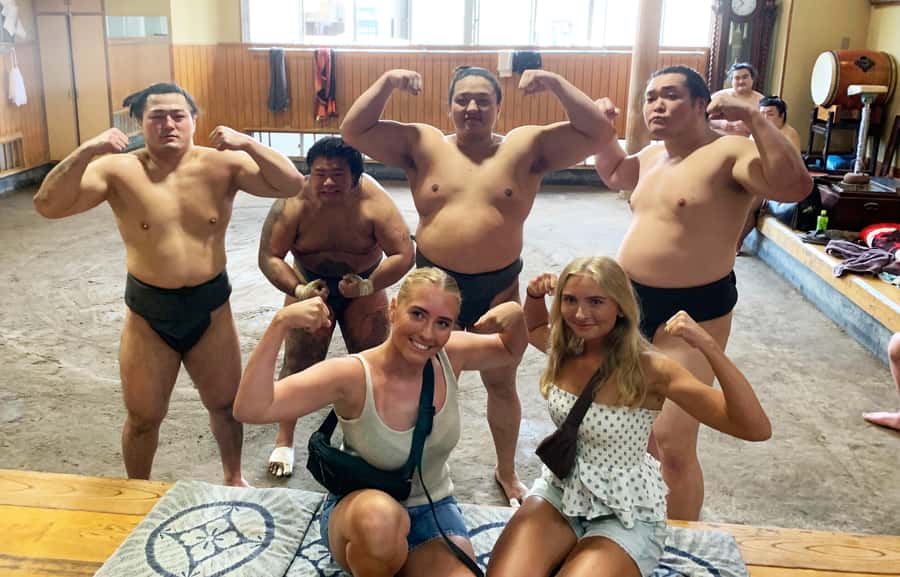
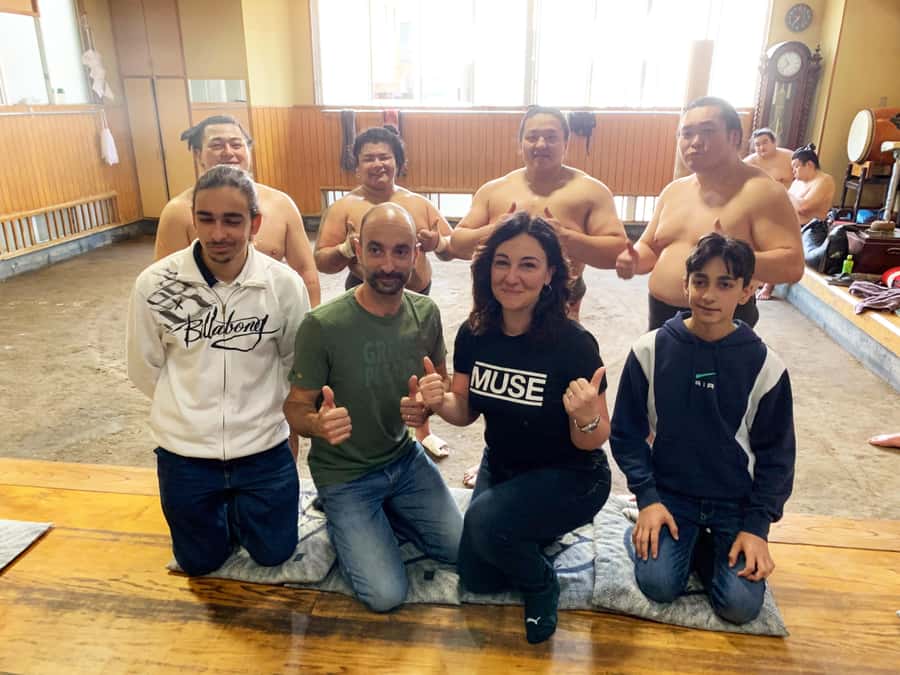
After practice, you can take a commemorative photo with a sumo wrestler. This is the most personal part of the visit and gives you something concrete to remember after you leave.
The timing is good. You first watch the wrestlers at work, then take a picture after the training has finished. That sequence makes the photo feel connected to the experience rather than like a separate souvenir activity.
The details do not specify which rikishi will be available or how many people are included in each photo. If you are booking mainly for this feature, keep that in mind. The photo is included, but the identity of the wrestler and the exact arrangement are not stated.
Still, it is a strong addition to a short tour. You see a working stable, learn about its place in sumo, watch practice from close range, and leave with a personal record of the visit. For many people, that combination will be more memorable than simply attending a general cultural presentation.
What the $96 Price Means
At $96 per person, this is not a cheap stop for a two-hour activity. You are paying for access to a place that is normally difficult to visit, an English-speaking guide, the viewing session, and the photo with a rikishi.
The value depends on your interest in sumo. If you are fascinated by Japanese sport and tradition, the chance to see professional practice at Takasago stable may justify the price. The stable’s record of producing six yokozuna and eight ozeki adds substance to the visit.
If you are only mildly curious about sumo, the cost may feel high for a short outing. The activity does not include a tournament match, a meal, or a long city tour. It is a focused experience built around access and closeness.
I would compare it with the cost of a standard attraction in Nagoya only if your main goal is sightseeing variety. This tour offers something more specialized. You pay for a rare setting and a controlled viewing opportunity, not for a full day of entertainment.
The booking terms reduce some risk. You can cancel up to 24 hours in advance for a full refund, and you can reserve now and pay later. Starting times vary, so check availability before planning the rest of your day.
Who Will Enjoy This Experience Most
This visit suits adults and older children who already have an interest in sumo, Japanese customs, or behind-the-scenes sports training. The minimum age is 12, so families with younger children need to choose another activity.
It is also a good fit if you prefer authentic working places over staged shows. The focus is on observing practice at a stable, with the guide adding context around what you see.
People with mobility concerns may appreciate the chair and the listed wheelchair accessibility. The walk from Kanie Station is about 15 minutes, and the temple setting may require you to confirm the precise access details in advance.
The visit is less suitable if you need a highly detailed sports lecture, a flexible photography session, or a large amount of free time. Cellphones are not allowed, so you cannot rely on your phone during the experience. Food, alcohol, and drugs are also prohibited.
Practical Tips for a Smooth Visit
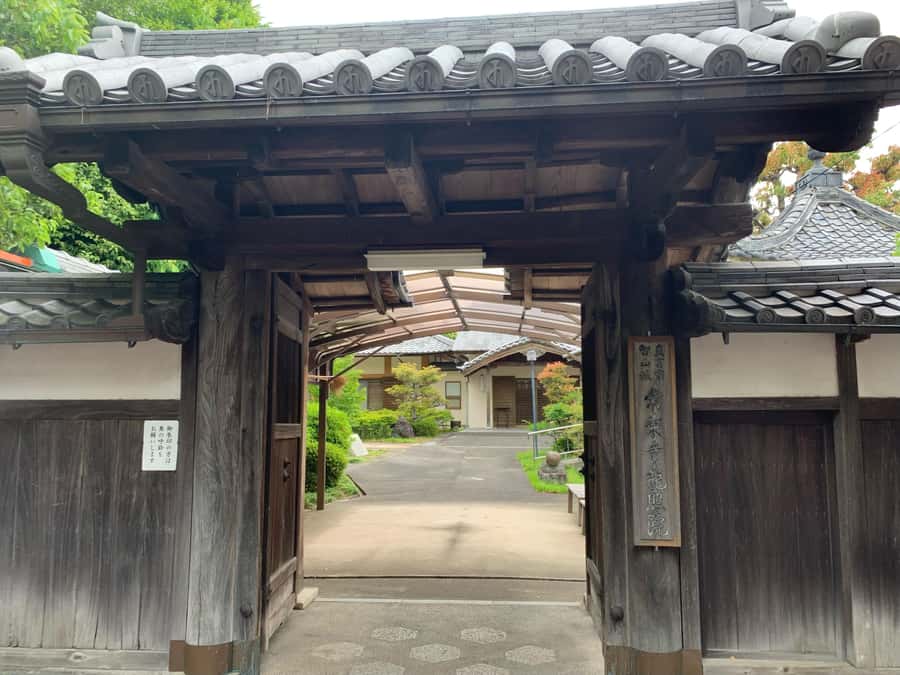
Use the train if you want a clear and economical route from Nagoya. Take the JR Kansai Line to Kanie Station, leave from the north exit, and allow 15 minutes to walk to Ryushoin.
Do not plan to eat during the visit. Food is not allowed, and neither are alcohol or drugs. Cellphones are also prohibited, so prepare to be without yours while you are inside.
Arrive ready for a quiet and respectful setting. The wrestlers are training, not putting on a show for the group. Keeping your attention on the practice is part of what makes the visit worthwhile.
Wear clothing that lets you remain comfortable for the full session. A chair is provided, but the activity still lasts about two hours from start to finish. If you use a wheelchair, confirm the route and temple access before booking, even though the activity is listed as wheelchair accessible.
Finally, remember that this is a morning practice visit. Check the available starting time carefully and build in the train ride, the walk from Kanie Station, and a little extra time to find the temple entrance.
Should You Book the Takasago Stable Visit?
Book this experience if you want a close look at the daily work of professional sumo wrestlers and you value access to a real stable over a polished performance. The chair, English guide, nearby train connection, and commemorative photo make the two-hour visit practical as well as memorable.
I would hesitate only if $96 feels high for a short activity or if you expect a full technical lesson from a sumo expert. The available feedback is strongly positive overall, especially for the close viewing, friendly guide, and powerful training session, but one person found the explanations less informed than expected.
For a sumo fan, this is an easy choice. For a general visitor to Nagoya, it is a specialized outing, but a worthwhile one if you want to see a serious side of Japanese culture that is rarely open to casual sightseeing.
FAQ
Where does the sumo morning practice tour meet?
The meeting point is at the entrance of Ryushoin Temple, located at 1364 Sunarimonyashikikami, Kanie-cho, Ama-gun, Aichi 497-0031, Japan.
How do I reach Ryushoin from Nagoya?
Take the JR Kansai Line from Nagoya Station to Kanie Station. Kanie is the third stop and the ride takes about 14 minutes. From the north exit, walk about 15 minutes to Ryushoin.
Can I take a taxi from Nagoya Station?
Yes. A taxi from Nagoya Station takes approximately 30 minutes.
How long does the experience last?
The total duration is two hours. The guided visit itself is listed as about 1.5 hours.
Is the tour available in English?
Yes. A live guide is available in English and Japanese.
Can I sit on a chair during the practice?
Yes. Although sumo viewing is normally done while sitting on the ground, this experience provides a chair.
Can I take a photo with a sumo wrestler?
Yes. A commemorative photo with a rikishi is included after the practice.
Is the experience wheelchair accessible?
Yes, the activity is listed as wheelchair accessible. The published details do not specify every feature of the temple route, so confirm any particular access needs before booking.
Are children allowed to join?
Children under 12 are not allowed to participate.
Can I bring my cellphone or food?
No. Cellphones, food, alcohol, and drugs are not allowed during the experience.
Newest sumo experiences in Japan
- November Sumo Tournament tour in Fukuoka (Tickets Included)★ 4.5 · 76 reviews
- Kyushu Grand Sumo Tournament Viewing Tour with English Guide★ 5.0 · 22 reviews
- Kyushu Fukuoka Grand Sumo Tournament Viewing Tour★ 4.5 · 4 reviews
- Sumo Stable Intimate Morning Practice★ 5.0 · 2 reviews
- Tokyo: Know about Hokusai and Sumo culture in 2.5 hours★ 5.0 · 2 reviews
- Tokyo 6hr Private Guided Tour & Sumo Show Lunch★ 5.0 · 3 reviews
- Tokyo Grand Sumo Tournament Viewing Tour★ 5.0 · 2 reviews
- Tokyo Sumo History Tour with Chanko Nabe Lunch★ 5.0 · 3 reviews
Sumo Morning Practice Tours, compared.
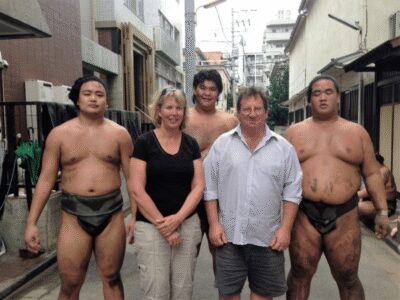
Tokyo Ryogoku Sumo Morning Practice + Photo Shoot with Wrestlers
Read our review →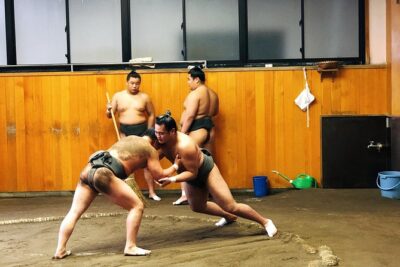
Browse the lists this tour appears in