
REVIEW · SUMO MORNING PRACTICE TOURS
Tokyo: Sumo Morning Practice with journalists. Not fake show
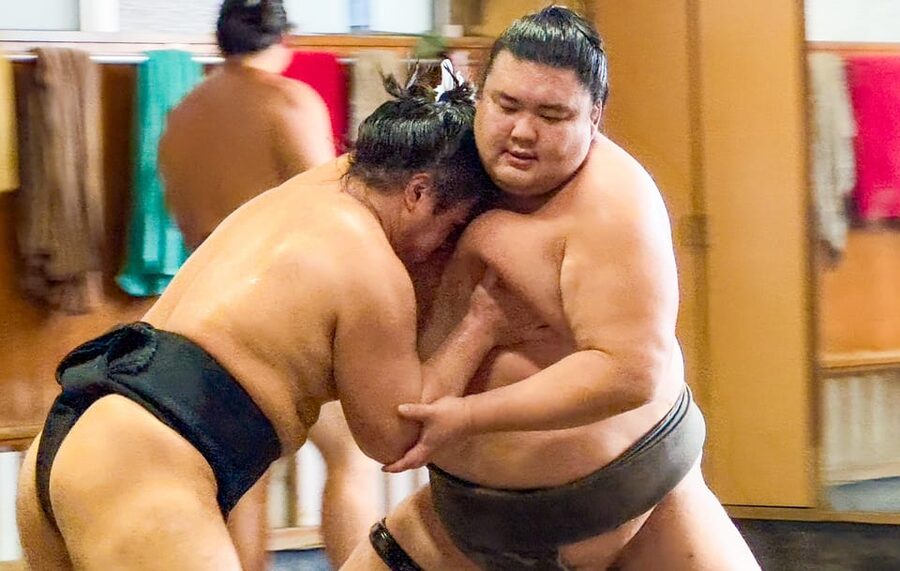
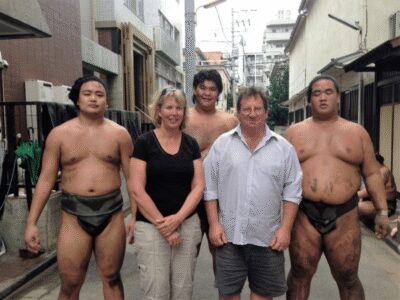
The best thing about this Tokyo sumo tour is that you watch real morning practice, not a staged performance. At Takasago-beya, wrestlers train in their own stable while you sit quietly nearby, then meet them for commemorative photos. The guide, including sumo reporter Shinya Setsu on many dates, adds the useful context that a silent practice cannot provide.
I like the rare access and the frank explanations about rank, daily life, and ritual. I also like that the guide’s experience as a national newspaper journalist brings stories from inside the sport, not just textbook facts. The main drawback is the traditional setup: you sit on the floor, stay quiet during practice, and the stable is not suitable for wheelchair users despite general booking information describing the activity as wheelchair accessible.
Key points to know before you book
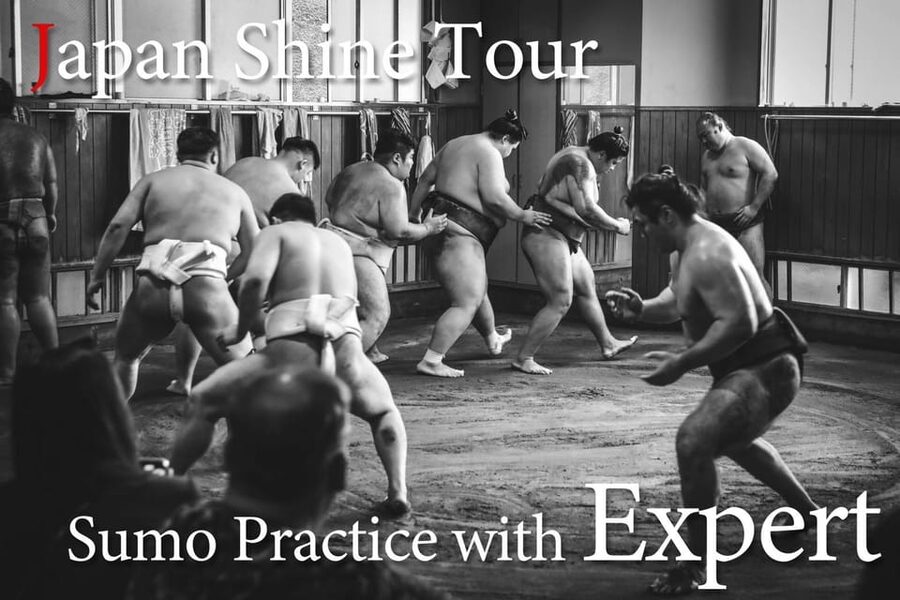
- A genuine stable visit: Watch wrestlers train at Takasago-beya rather than attending a theatrical sumo demonstration.
- A journalist as your guide: Shinya Setsu and other guides explain the sport with reporting experience, stories, and practical background.
- Close-range viewing: The practice lasts about two hours, with a chance for commemorative photos afterward.
- A useful alternative to tournament tickets: This is especially appealing when the Ryogoku tournament is sold out or not taking place.
- Quiet, floor-level seating: Wear comfortable clothes, leave food and drinks behind, and do not use flash photography.
- A compact Ryogoku finish: The tour ends near Ryogoku Station, after a short guided visit around Ryogoku Edo NOREN.
Why this feels different from a sumo show
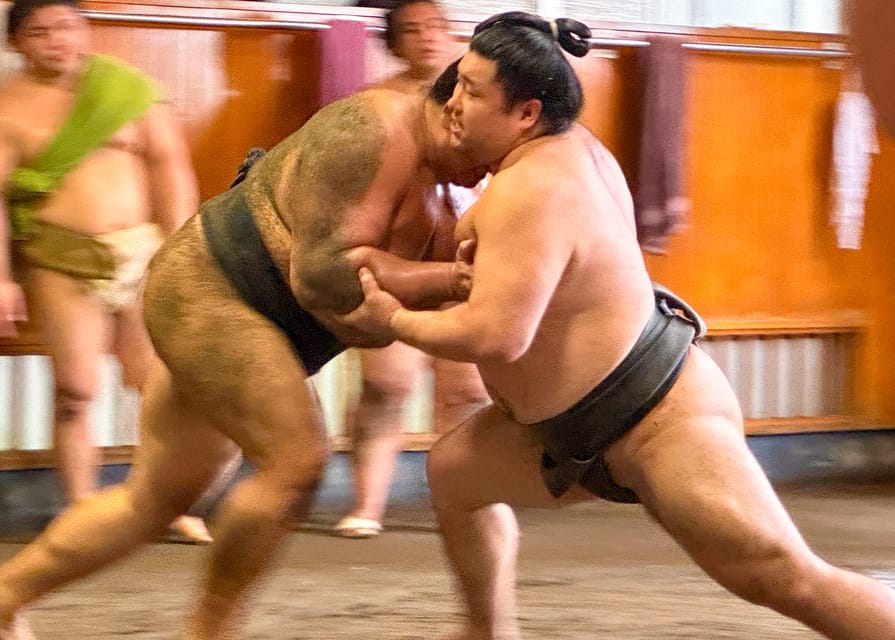
Sumo can be easy to misunderstand if you only see the final bout. A tournament gives you the ceremony, the crowd, and the drama of winning or losing. This visit gives you something else: the work that comes before the match.
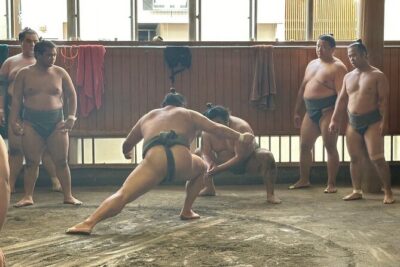
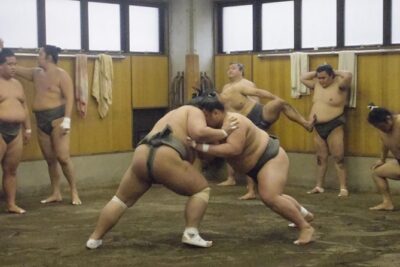
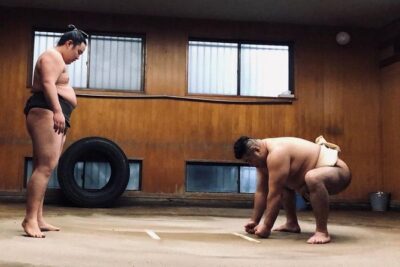
You watch wrestlers repeat exercises, practice technique, and push through a demanding morning routine. The room is not arranged as an entertainment venue. You are entering a working stable, with rules about silence, shoes, photography, and where you sit.
That distinction matters. You might not see a famous bout or a climactic victory. Instead, you see wrestlers at different stages of training, including younger rikishi and more experienced competitors. Several visitors found the discipline and effort more striking than expected, especially when watching the full practice rather than a short demonstration.
The stable grants special permission for this visit, something that is not normally simple for an independent visitor to arrange. One review describes trying to organize a stable visit years earlier and finding it impossible after contacting several stables. The access is therefore the central value of the morning.
More morning practice tours in Tokyo:
- Tokyo: Sumo Morning Practice Viewing Tour
★ 4.8 · 570 reviews - Tokyo: Sumo Morning Training Visit
★ 4.4 · 370 reviews - Tokyo: Visit Sumo Morning Practice with English Guide
★ 4.7 · 343 reviews
Meeting near Ryogoku Station
The meeting point is at the Ryogoku HANAWA Building, near Toei Oedo Line Ryogoku Station, Exit A2 at ground level. It is also about a five-minute walk from the east exit of JR Ryogoku Station.
Pay close attention to the final meeting instructions. The group leaves on time, and arriving early is wise. The operator sends details before the tour date, and the pre-tour material can include information about sumo, training routines, documentaries, and video clips. That preparation is useful because you need to understand what you are seeing while keeping quiet inside the stable.
The walk and transfers are short. The listed route includes about five minutes to Takasago-beya, then roughly five minutes back toward the Ryogoku area, followed by a one-minute transfer to the finishing point near Ryogoku Station. You do not need to plan a long ride between stops.
Two hours inside Takasago-beya
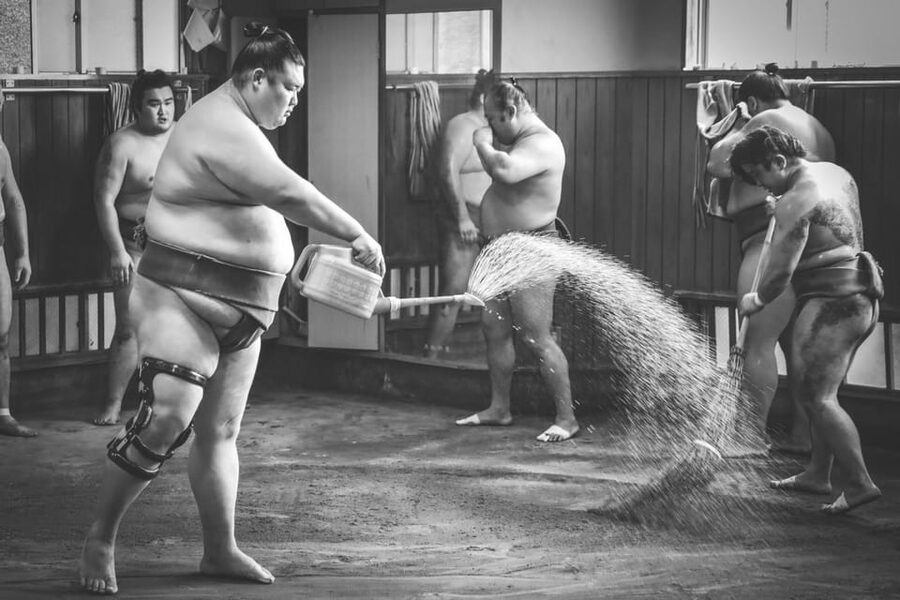
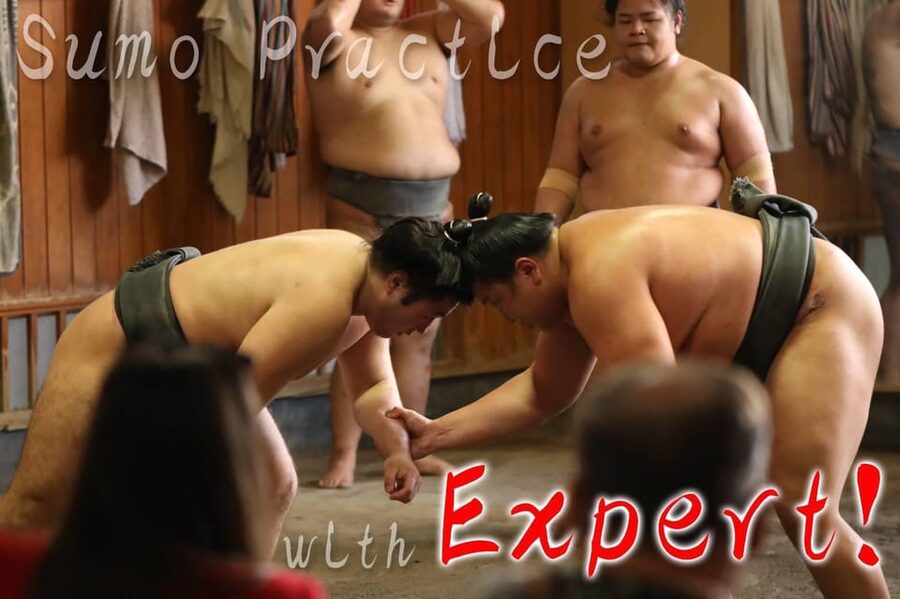
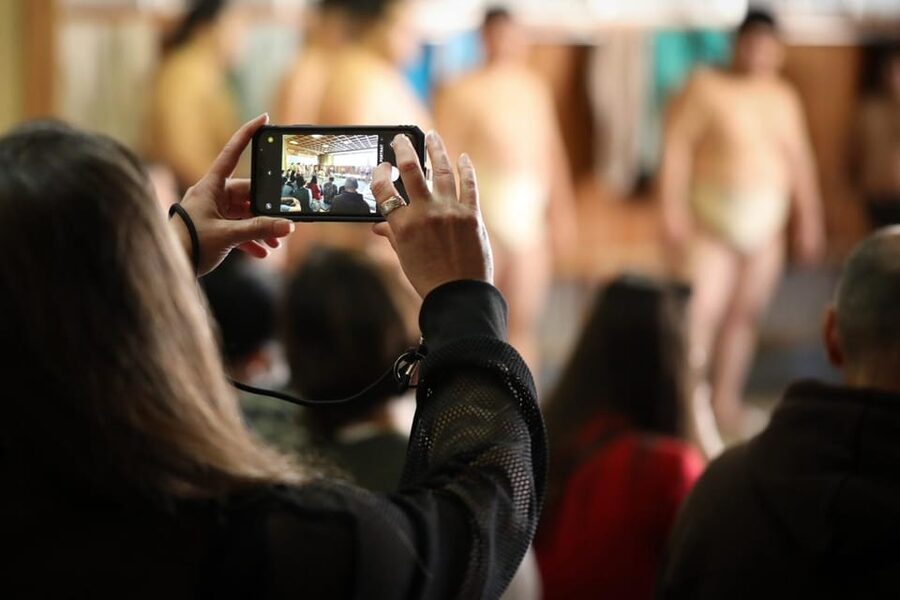
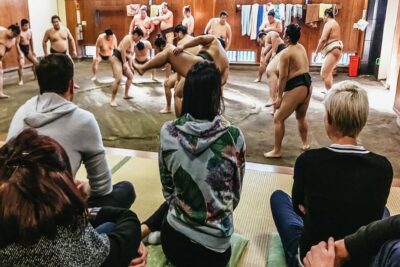
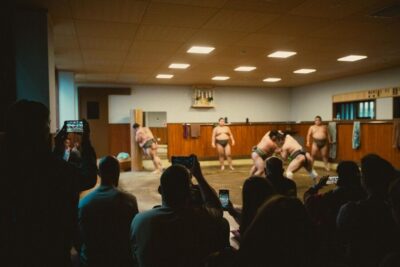
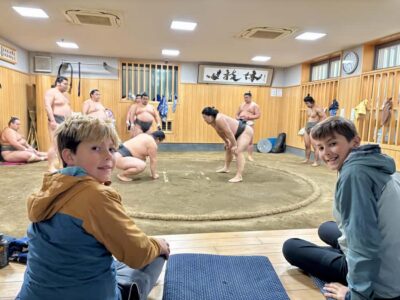
The heart of the morning is the guided visit to Takasago-beya Sumo Stable. You watch practice from a designated area, usually sitting on the floor. The quiet is part of the etiquette. You should not chat through the training, call out to the wrestlers, or use flash photography.
That silence can feel strict, but it helps preserve the stable’s normal rhythm. You are not there to interrupt or coax a performance. The wrestlers train whether you are watching or not, and that makes the atmosphere feel far more direct than a public show.
The practice can include younger wrestlers working through exercises before higher-ranked rikishi train. You may see repeated drills, physical conditioning, and bouts that show how much effort goes into the sport before tournament day. The exact wrestlers and order of practice can vary, so you should not book this expecting a guaranteed appearance by one named champion.
The viewing period is generally around one and a half to two hours. That is long enough to see the session develop rather than catching only a few minutes. It is also why comfortable clothes matter. You may be sitting on the floor for a sustained period, and the traditional room is not arranged for easy movement.
Shoes are not allowed indoors. Food, drinks, alcohol, drugs, fireworks, baby carriages, and electric wheelchairs are also not allowed. Bring a camera, but keep the flash switched off. The restrictions are simple, yet following them shows respect for the stable and prevents an avoidable problem.
What the journalist guide adds
Watching practice without context would still be memorable, but you would miss much of its meaning. The English-speaking guide explains sumo’s rules, rituals, hierarchy, training methods, and daily life, then answers questions that arise as you watch.
Shinya Setsu is frequently identified as the guide, and his background as a national newspaper sumo reporter is a major part of the tour’s appeal. His explanations go beyond naming an exercise. He can connect what you see in the room with the wider structure of the sport and with stories from years of reporting.
Other dates have included guides such as Shin, Karen, and Ray. The feedback points to a friendly, entertaining style, with plenty of time for questions after practice. You can ask about the wrestlers’ lifestyle, the rules of a match, rank, stable organization, and the customs that may seem puzzling to someone new to sumo.
This is particularly helpful if one person in your group follows sumo on television and another does not. A fan can ask detailed questions, while a newcomer gets the basic framework without needing prior knowledge. The guide’s stories also keep the second part of the morning from feeling like a dry lecture.
More sumo shows in Tokyo:
- Tokyo: Sumo Show Experience with Chicken Hot Pot and a Photo
★ 4.8 · 6,678 reviews - Tokyo: Sumo Show and Dining Experience
★ 4.8 · 2,742 reviews - the SUMO show
★ 5.0 · 1,960 reviews - Tokyo Shinjuku Sumo Show & Experience with Photo
★ 5.0 · 1,750 reviews
Photos after practice
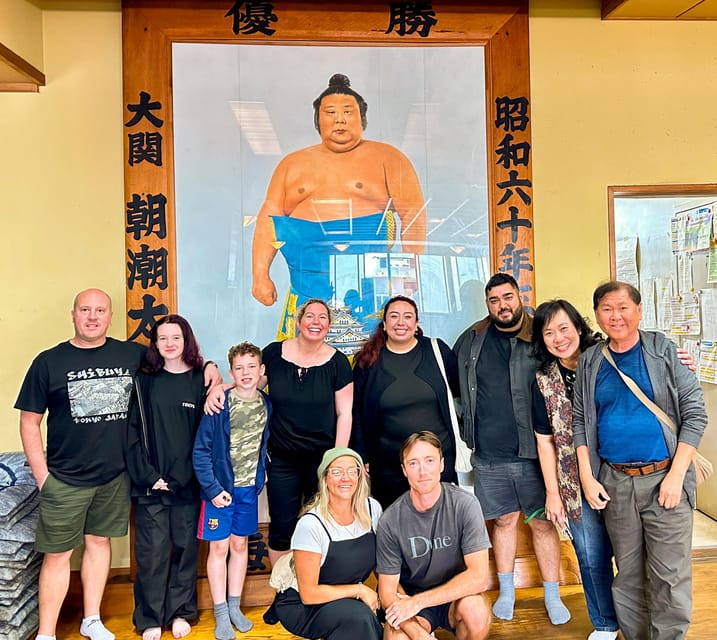
Photography during training is controlled, and flash is forbidden. After the practice, you have a chance to take commemorative photos with wrestlers. This is one of the most appreciated parts of the visit, but it is important to treat it as a privilege rather than a guaranteed personal photo with a particular star.
The photo opportunity gives the morning a clear closing moment. You have watched the wrestlers work in a serious setting, then can preserve a respectful memory of the visit. Bring your camera or phone, but follow the guide’s instructions about timing and positioning.
You should also keep expectations realistic. Sumo stables are working spaces, not photo studios. The appeal is the setting and the access, not a polished stage backdrop or a long meet-and-greet.
Walking through Ryogoku after the stable
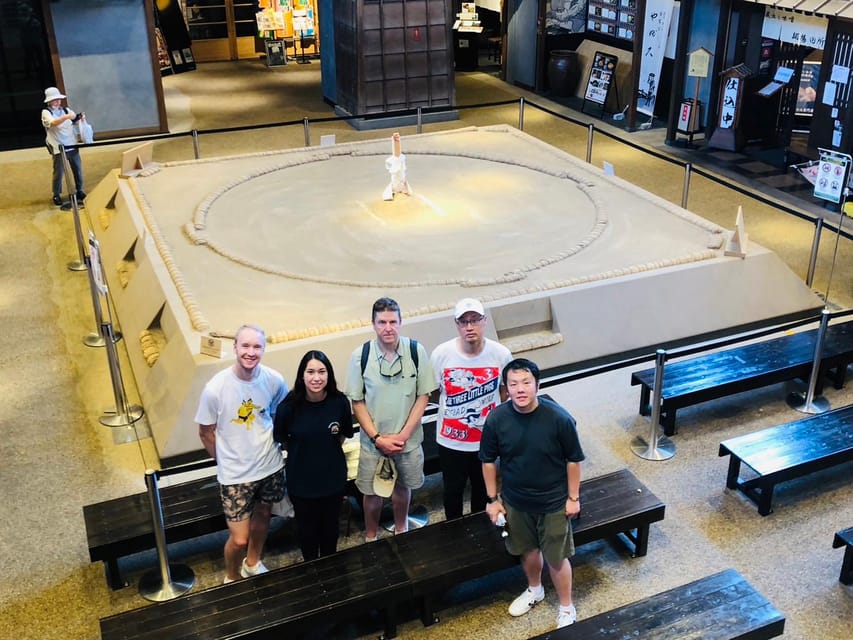
After leaving Takasago-beya, the group continues through the Ryogoku area. The route finishes at Ryogoku Edo NOREN, a compact stop near JR Ryogoku Station, after about 30 minutes of guided explanation.
The exact emphasis can vary. The guide may discuss the nearby sumo world, the Kokugikan area, local customs, and places connected with the sport. Some visits include a sumo shop or a look at a museum or replica display. One practical point is worth noting: do not assume you will enter the actual tournament ring at Ryogoku Kokugikan. The surrounding facilities or a replica may be used instead.
That is a small distinction, but it matters if your main goal is to stand inside the competition venue. The stable visit remains the main event. The final walk works best as an informative finish and a way to get your bearings in Tokyo’s sumo district.
The tour ends at Ryogoku Station, making it easy to continue sightseeing. You can visit the Kokugikan area independently, explore the neighborhood, or simply move on to another Tokyo plan without arranging a return transfer.
Is $103 a fair price?
At $103 per person, this is not a bargain-priced morning activity. You are paying for special access, a three-hour guided program, English interpretation, the practice viewing, and the chance to ask questions of a guide with professional sumo reporting experience.
The price makes more sense when you compare it with the difficulty of arranging a stable visit yourself. Individual access is limited, and the stable’s permission is a key part of the cost. Comparable sumo training visits also tend to sit in a similar price range.
I would consider it good value if sumo is a serious interest, if tournament tickets are unavailable, or if you want a cultural activity that shows daily work rather than a packaged performance. I would hesitate if you are only mildly curious and mainly want to see a full tournament bout. This tour cannot replace the electricity of tournament day.
The strongest value comes from the combination of access and explanation. Without the journalist guide, you would see an unusual practice. With the guide, you can understand why the wrestlers train as they do and how the stable fits into sumo life.
Who should book this morning
I would recommend it most strongly to:
- Sumo fans who want to see training away from the tournament crowd
- First-time visitors who want a serious introduction to Japanese tradition
- People who could not obtain tournament tickets
- Families with older children who can sit quietly and follow stable rules
- Anyone who enjoys asking detailed questions and learning through conversation
- Visitors who prefer working cultural settings to staged tourist entertainment
It may be less suitable for young babies, visitors who cannot sit on the floor, and anyone who needs wheelchair access inside the stable. Babies under one year are not suitable for the activity. Baby carriages are not allowed, and electric wheelchairs are specifically excluded.
The general activity information says wheelchair accessible, but the more specific instructions say the traditional stable setup is not suitable for wheelchair users. Treat the detailed restriction as the reliable guidance and contact the operator before booking if access is important.
Timing, clothing, and simple etiquette
This is a morning activity, and the starting time depends on availability. Give yourself plenty of time to reach the meeting point. Missing the departure can mean missing the stable visit, since the group moves on schedule.
Wear comfortable clothes that allow you to sit on the floor. Avoid bringing food or drinks into the stable. Keep your camera ready but do not use flash. Most importantly, stay quiet during the practice and follow the guide’s directions.
The tour is offered in English. English ability is important here because the explanations after practice are a major part of what you pay for. If you only want to watch wrestlers from a distance, a tournament may be a better fit. If you want to understand what you are seeing, the guide makes the difference.
Free cancellation is available up to 24 hours before the activity for a full refund, and you can reserve while paying later. Transportation to and from the stable is not included, but the operator leads the short route from the station meeting point.
My verdict on this Tokyo sumo tour
I would book this if I wanted an authentic look at sumo and could accept the rules of a working stable. The quiet viewing, floor seating, and lack of a guaranteed star appearance are not flaws to hide. They are part of the bargain.
The strongest reasons to go are the rare access to Takasago-beya, the long practice session, the post-training photos, and the guide’s reporting background. The most useful practical tip is simple: arrive early, prepare to sit quietly, and read the pre-tour material before you go.
Choose a tournament if you want formal bouts and crowd energy. Choose this morning if you want to see the discipline behind those bouts and ask an expert what it all means. For many visitors, that behind-the-scenes view is the more lasting part of the sumo story.
FAQ
How long does the sumo morning practice tour last?
The activity lasts three hours. About two hours are scheduled at Takasago-beya Sumo Stable, followed by a short transfer and a roughly 30-minute guided visit near Ryogoku Edo NOREN.
Where does the tour meet?
It meets at the Ryogoku HANAWA Building near Toei Oedo Line Ryogoku Station, Exit A2 at ground level. The location is also about a five-minute walk from the east exit of JR Ryogoku Station.
Is the sumo practice real or staged?
The tour provides access to a live morning practice at Takasago-beya. It is not presented as a staged tourist performance.
Can I take photographs during practice?
You may bring a camera, but flash photography is not allowed during the practice. Commemorative photos are available after the training session.
Do I need to sit on the floor?
Yes. The stable uses a traditional setup, so you should wear comfortable clothes and be prepared to sit on the floor during practice.
Is the tour suitable for wheelchair users?
The stable visit is not suitable for wheelchair users because of its traditional setup. Electric wheelchairs are also not allowed. The activity is not suitable for babies under one year, and baby carriages are not allowed.
What is included in the $103 price?
The price includes live morning practice viewing, commemorative photos, special permission to enter the stable, and guidance from an English-speaking sumo specialist and national newspaper journalist. Transportation to and from the stable, meals, and drinks are not included.
Newest sumo experiences in Tokyo
- Tokyo Highlights Tour: Sumo, Sushi, Tea, and Tokyo Tower★ 5.0 · 2 reviews
- Tokyo: Know about Hokusai and Sumo culture in 2.5 hours★ 5.0 · 2 reviews
- TOKYO , No1 Yokozuna Stable Morning Practice in Ryogoku★ 4.5 · 3 reviews
- Tokyo 6hr Private Guided Tour & Sumo Show Lunch★ 5.0 · 3 reviews
- Tokyo Grand Sumo Tournament Viewing Tour★ 5.0 · 2 reviews
- Tokyo Sumo History Tour with Chanko Nabe Lunch★ 5.0 · 3 reviews
- Tokyo Ginza : Sumo and Mikoshi Experience,Open from Sep.★ 5.0 · 8 reviews
- Tokyo Sumo Tournament Chair Seat Ticket with Entrance Assistant★ 4.0 · 4 reviews
Sumo Morning Practice Tours, compared.
Tokyo Ryogoku Sumo Morning Practice + Photo Shoot with Wrestlers
Read our review →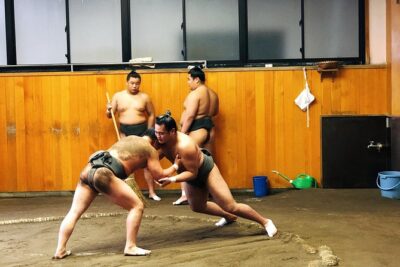
Browse the lists this tour appears in