
REVIEW · SUMO TOURNAMENT TICKETS
Tokyo: Sumo Practice Tour with Ring-Side Seat and Photoshoot
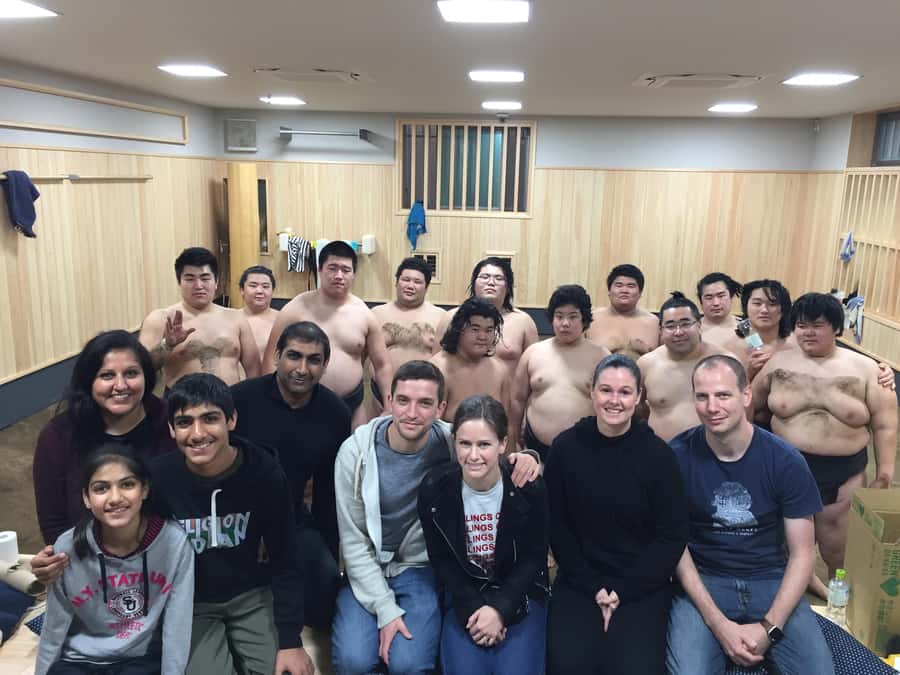
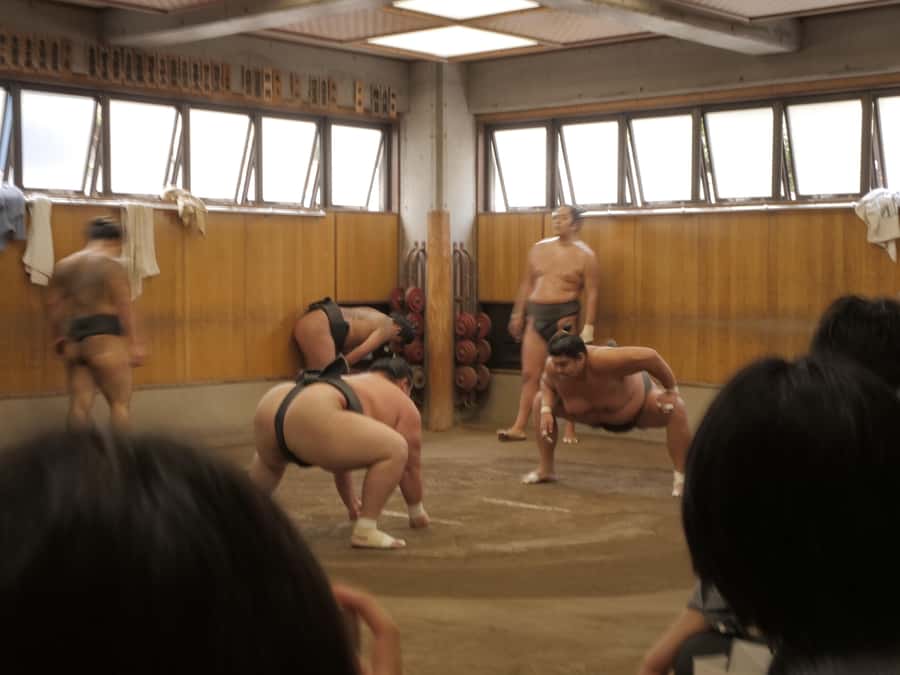
Sumo practice is far more physical than a tournament bout on television. From a close seat, you can hear the wrestlers breathe, watch their feet grip the floor, and see repeated pushing, throwing, and balance drills build toward serious bouts. I like the genuine training setting and the way an English-speaking guide explains the customs before you enter. I also like the chance to ask questions and take a photo with a wrestler afterward.
The main consideration is comfort. Some stables use tatami mats with no chairs, and you may sit cross-legged for much of the two hours. Seating varies by stable, so this is not the safest pick for wheelchair users or anyone who cannot manage floor seating. The practice schedule can also change if the stable has other commitments.
Key points at a glance
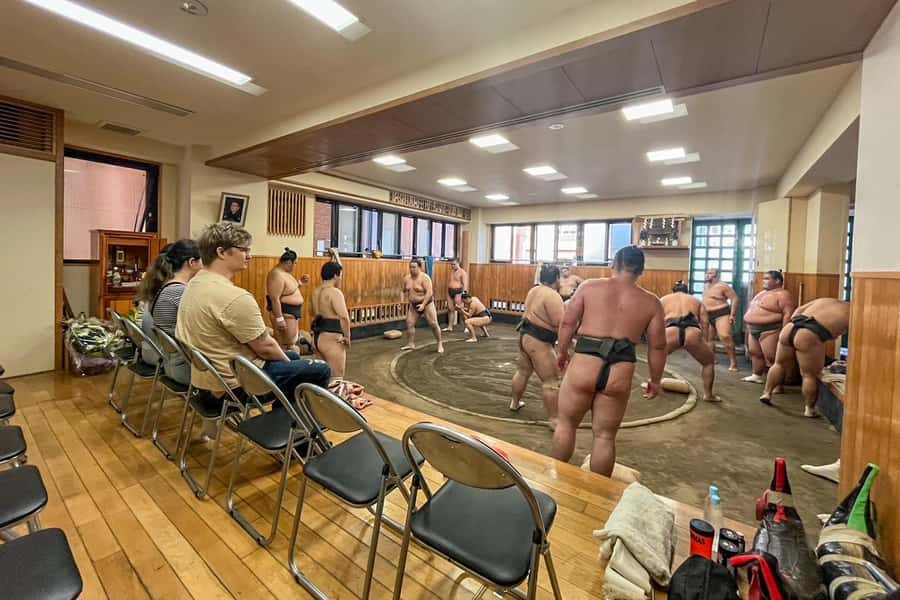
- Real morning practice: Watch wrestlers train inside an active Tokyo sumo stable rather than seeing only a public tournament.
- Close view of the ring: You may be near enough to hear breathing and see the strain of each bout.
- Useful cultural briefing: Learn the rules, customs, ranking system, and stable etiquette before the practice starts.
- Small group format: The group is limited to 10 people, which helps when asking questions.
- Photo opportunity: A group or individual photo may be possible after practice, but it depends on the wrestler.
- Important comfort warning: Chairs are available at some stables, but not all. Tatami seating and standing may be part of the experience.
Why a Sumo Stable Beats a Tournament for Learning
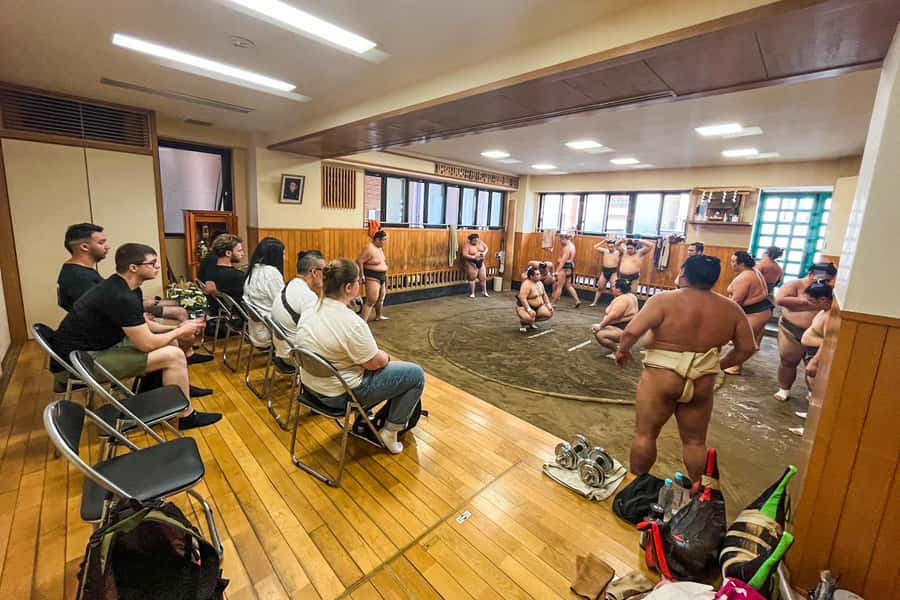
A Tokyo sumo tournament gives you the drama of official matches, but practice shows how wrestlers prepare for them. This two-hour visit puts you close to the daily work: warmups, repeated techniques, bouts, coaching, and the discipline that keeps a stable running.
I like this setting because it removes some of the distance between you and the sport. You are not simply watching two wrestlers enter the ring for a short match. You see the physical work behind the match, including repeated movements that can look simple until you notice the force involved.
The practice can begin in a measured way and grow more intense. One account describes match after match in succession, while another notes that the bouts became full-on and serious. That contrast is useful. Sumo training is repetitive by design, but it is not necessarily dull. The interest comes from seeing small changes in technique, footwork, timing, and power.
Your guide gives the practice a shape. Before entering, you learn the basic rules and customs, then you can watch with a better idea of what the wrestlers are trying to do. The supplied sumo guidebook adds a short reference for rules, traditions, history, wrestler names, and information about the stable.
More morning practice tours in Tokyo:
- Tokyo: Sumo Morning Practice Viewing Tour
★ 4.8 · 570 reviews - Tokyo: Sumo Morning Training Visit
★ 4.4 · 370 reviews - Tokyo: Visit Sumo Morning Practice with English Guide
★ 4.7 · 343 reviews
Meeting at Kiyosumi-Shirakawa Station
The meeting point is the A1 exit of Kiyosumi-Shirakawa Station. Look for a guide holding a red or orange Magical Trip sign. The stable is described as a short walk from the station, around two minutes according to one account, so the transfer from train to practice should be simple once you find the guide.
Arrive early. The tour starts promptly, and late arrivals cannot join or receive a refund. That rule matters here because a sumo stable is a working place, not a sightseeing attraction with a flexible admission window. The group must enter together and follow the stable’s schedule.
The supplied information also mentions Shin-Kawasaki Station in the general meeting description, but the detailed meeting instructions and route use Kiyosumi-Shirakawa Station, A1 exit. I would rely on the Kiyosumi-Shirakawa directions when planning your morning and check your final booking details before setting out.
Entering an Active Sumo Stable
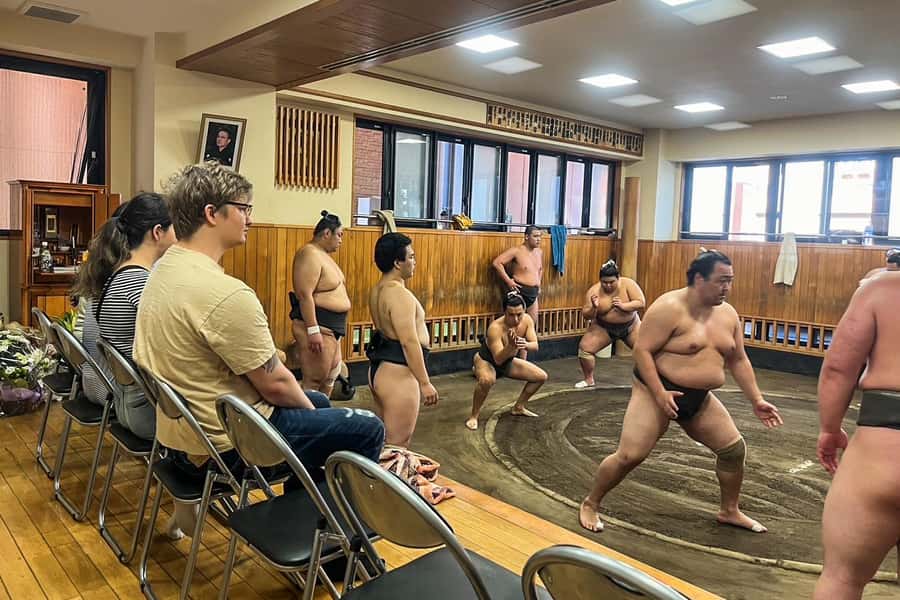
The stable is where wrestlers live, train, and follow a strict daily routine. You are entering only the permitted viewing area, usually the tatami section facing the ring. Other parts of the building are off-limits, and the stable’s rules must be followed closely.
That formality is part of the value. Sumo is not presented as a staged demonstration made for visitors. The wrestlers are working through their program, receiving instruction, and maintaining the discipline expected by the stable master. One account describes the wrestlers as serious, systematic, and respectful toward the master. That atmosphere may be more meaningful than a polished show.
Your guide explains how to behave before you enter. Listen carefully, keep your voice low, and avoid treating the stable like a casual photo stop. The practice comes first. A disruptive visitor can be refused entry or removed without a refund.
The stable may feel plain. That is a good thing. The appeal is the close look at training, not elaborate visitor facilities. You are seeing an important part of sumo life in the place where that work happens.
Watching the Morning Training
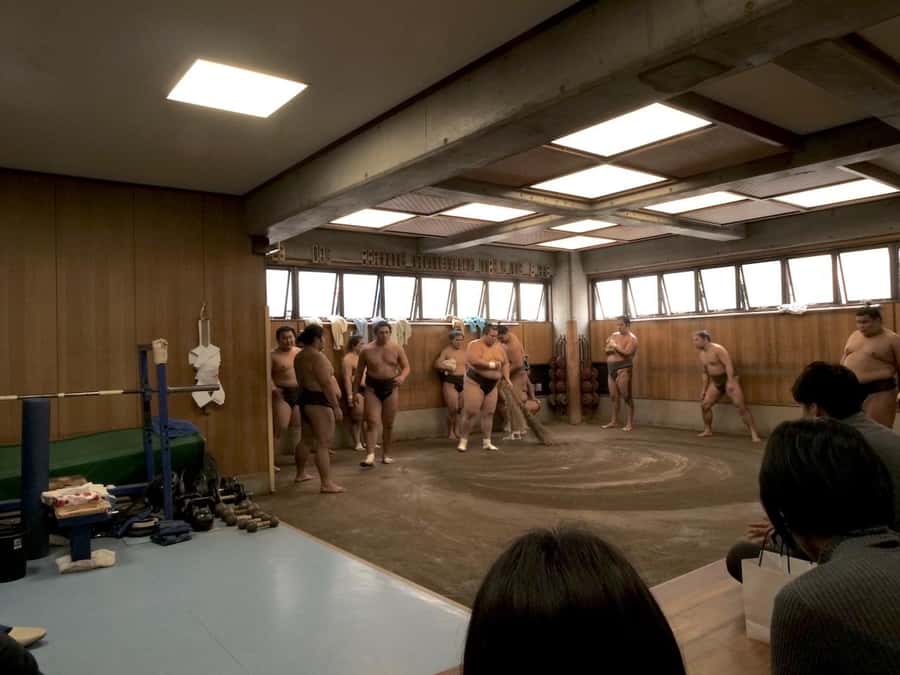
The ring is the center of attention. Wrestlers may work through warmups, technique drills, and bouts, with the pace and intensity changing as the session continues. You can watch the push for position, the effort to stay balanced, and the sudden movement that ends a bout.
Sumo is often reduced to size and force, but practice gives you a better sense of its technical side. A wrestler must control his stance, use timing, and respond to an opponent’s movement. Your guide can point out what is happening, so you are less likely to see every collision as the same.
This is also where seating makes a practical difference. Some stables provide several rows of chairs. At one stable, there were three rows of chairs, while another account describes four rows. Front rows may use cushions or tatami, and people in the back may choose to stand for a clearer view.
You should not assume that every booking includes a chair. The official information says most stables do not provide chairs, and floor seating is expected. In practice, seating can vary. If you have tired feet, knee trouble, or difficulty sitting cross-legged, ask your booking provider about the current stable arrangement, but be ready for conditions to differ.
The small group limit of 10 helps here. You are not part of a large crowd moving through a venue. You have a better chance to hear the guide and ask about the wrestlers, techniques, or stable customs.
More tournament tickets in Tokyo:
- Tokyo: Sumo Tournament Tour with Chair Seat Tickets
★ 4.6 · 753 reviews - Tokyo Grand Sumo Tournament Viewing Tour with Tickets
★ 5.0 · 692 reviews - Tokyo: Sumo Tournament with Guide & Assigned Reserved Seat
★ 4.6 · 168 reviews - Tokyo Sumo Morning Practice Tour w/ Ring-Side Seat + Photo Shoot
★ 5.0 · 93 reviews
The Guide Makes the Difference
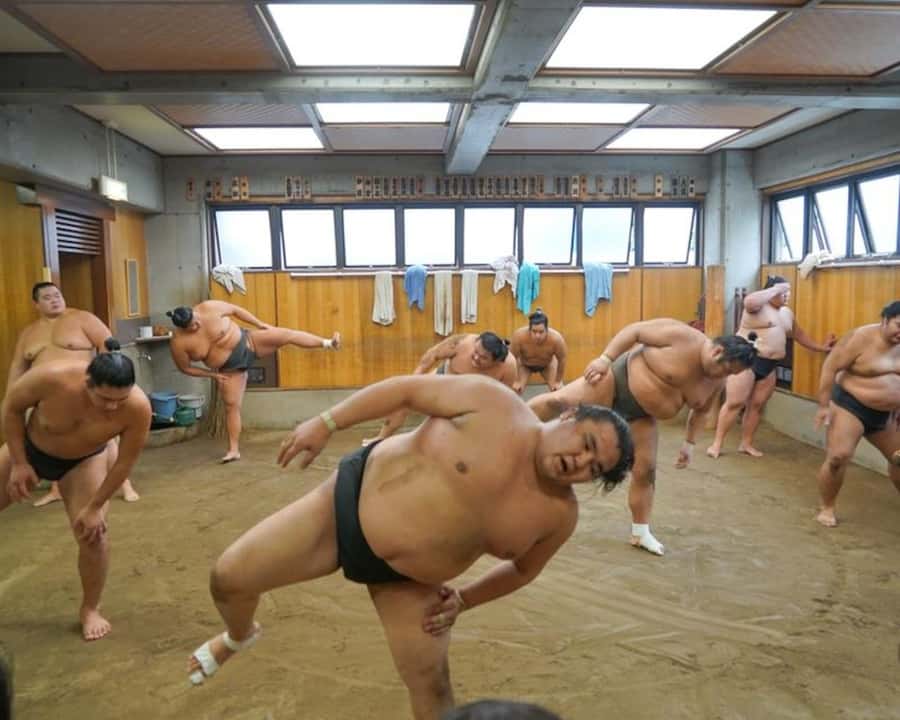
The guide is more than a person who leads you from the station. The best part of the briefing is the bridge between what you see and what it means.
Marie received especially strong praise for explaining the history and basic rules before practice, answering questions patiently, and showing real enthusiasm for sumo. Sho has also explained rules, the ranking system, and the background of the stable in a clear way. Masao Hiramatsu has been noted for useful information and for helping with questions about Japan after the tour.
Guide assignments can change, so you should not book on the assumption that one particular person will lead your visit. Still, these examples show the kind of guidance the experience aims to provide: practical explanations before entering, then room for questions at the end.
One useful point to raise is the status of the wrestlers you are watching. The supplied material does not identify their exact ranks or years of experience, and this is something you may want to ask your guide. Sumo has a formal ranking system, and knowing where a wrestler sits within it can add another layer to the practice.
The guidebook is helpful but short. It will not replace a full lesson in sumo, nor should it. It gives you enough grounding to follow the session without burying the morning in facts.
The Final Photo and Question Period
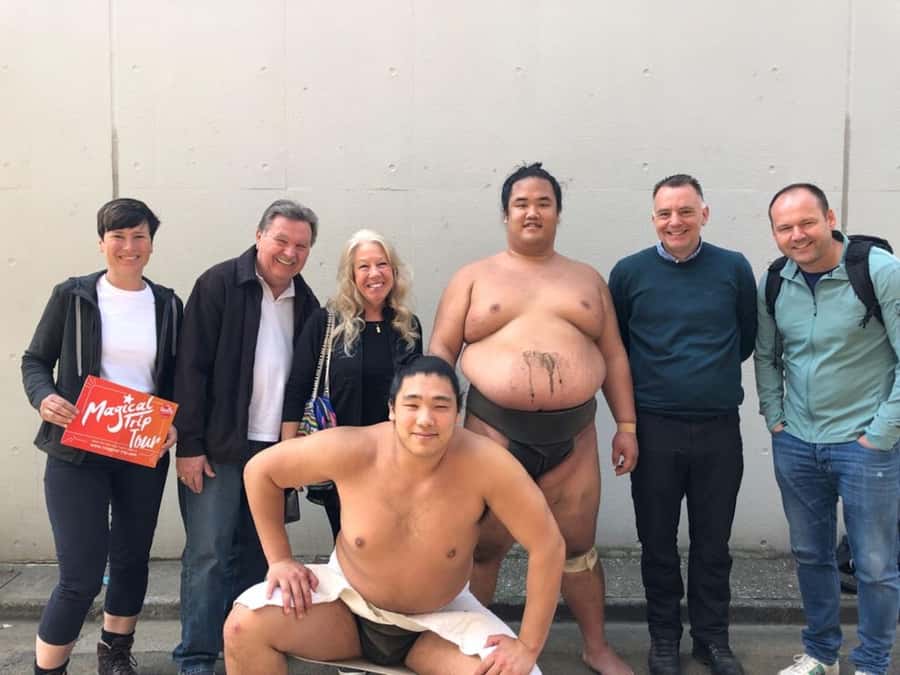
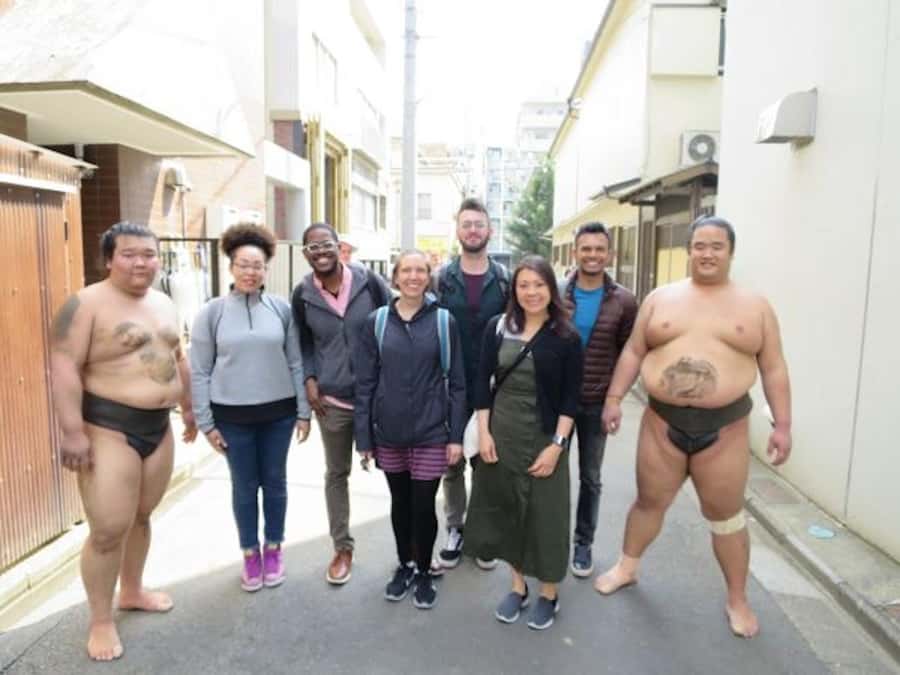
At the end of practice, there may be a photo with the wrestlers. This is not guaranteed. The photo happens only if the wrestler agrees, and the stable’s schedule and rules come first.
When it does happen, the photo gives the morning a personal finish. You may also have time for a group picture and questions. Keep your expectations modest: this is not a long private meeting with a wrestler. It is a brief courtesy after a serious training session.
I would treat the photo as a bonus, not the reason to book. The main value is the practice itself. If a photograph is important to you, remember that it remains at the wrestler’s discretion.
What Two Hours Feels Like
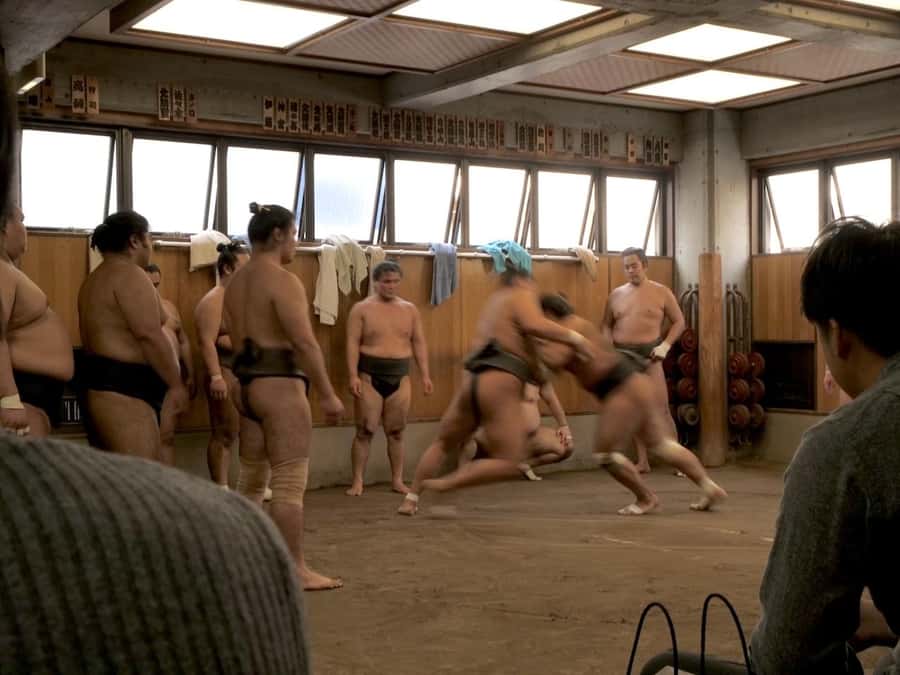
Two hours is a useful length for this experience. It gives you enough time to learn the basics, watch the practice develop, and ask questions without turning the visit into a full-day commitment.
The time may pass quickly when the bouts become intense. It may feel slower if you are less interested in repeated drills or if you are uncomfortable on the floor. That is why your own interest matters more here than a packed sightseeing schedule.
I would not choose this for a child under 12. Children younger than 12 are not allowed inside the stable, and participation may be denied without a refund. The experience is better suited to older children, teenagers, and adults who can sit quietly and respect the rules.
It is also not suitable for wheelchair users. Some areas are not wheelchair accessible, and only the permitted tatami viewing areas can be used. Baby strollers are not allowed.
Is the $96 Price Fair?
At $96 per person, this is not a cheap way to fill two hours. You are paying for access to a normally closed working environment, a small group of up to 10, an English-speaking guide, entry, and a guidebook. You are also paying for the planning needed to arrange a visit that individual visitors generally cannot organize on their own.
The value is strongest if you want context and close viewing. A tournament ticket gives you official competition, but this visit can teach you more about training and daily discipline. One person who had attended a tournament found the practice offered a more personal view, with the chance to hear the wrestlers breathe and watch their preparation up close.
The value is weaker if you mainly want a guaranteed photo, a comfortable seat, or a short performance. The practice may be repetitive, chairs are not assured, and the photo depends on permission. There is no food or drink included, so plan breakfast separately before or after the visit.
For a first sumo experience in Tokyo, I think the price can make sense, especially if you would otherwise attend a tournament without understanding what you are seeing. For a dedicated sumo fan, it offers a different angle rather than a replacement for official competition.
Planning Your Morning
Wear clothing that lets you sit comfortably and stay still. Since the stable may use tatami, avoid assuming you will have a chair. Arrive with enough time to find the A1 exit and locate the red or orange sign.
Eat before or after the tour because food and drinks are not included. Keep your morning schedule flexible after the visit if you hope to ask questions or take a photo, though the main activity lasts about two hours.
The stable can cancel or change the practice schedule at short notice because of a wrestler’s condition or tournament commitments. If the stable cancels, a full refund is issued. That uncertainty is part of booking access to a real training session rather than a fixed theatrical show.
Free cancellation is available up to 24 hours before the start time, and you can reserve now and pay later. Those terms help if your Tokyo plans are still changing, but they do not protect against arriving late on the day.
Should You Book This Sumo Experience?
Book it if you want to see sumo as a disciplined daily practice, not just as a brief contest. It suits first-time visitors who want a clear introduction, curious adults, and fans who want to get close to the training process. The guides, especially Marie, Sho, and Masao Hiramatsu, can make the technical details easier to follow.
Skip it if you need guaranteed chair seating, full wheelchair access, or a fixed show with no schedule risk. Also skip it if you are bringing a child under 12 or if you dislike quiet, repetitive training.
For the right person, this is one of the better ways to understand why sumo carries such weight in Japanese culture. The ring is close, the work is serious, and the lesson continues long after the final bout.
FAQ
Where do I meet the guide?
Meet at the A1 exit of Kiyosumi-Shirakawa Station. The guide will hold a red or orange sign marked Magical Trip.
How long does the sumo practice tour last?
The experience lasts about two hours.
What language is the tour conducted in?
The tour has an English-speaking guide.
How large is the group?
The group is limited to 10 participants.
Can I take a photo with a sumo wrestler?
A photo may be possible at the end of practice, but it depends on the wrestler’s discretion and the stable’s rules.
Are chairs provided inside the stable?
Not always. Most stables do not provide chairs, and you may need to sit on tatami. Some stables have rows of chairs, so seating conditions can vary.
Can children join the tour?
Only people aged 12 and over can join. Children under 12 are not allowed inside the sumo stable.
Is the tour wheelchair accessible?
No. The experience is not suitable for wheelchair users, and some areas inside the stable are not accessible.
More photo experiences in Tokyo
- Tokyo: Sumo Show Experience with Chicken Hot Pot and a Photo
★ 4.8 · 6,678 reviews - Tokyo Shinjuku Sumo Show & Experience with Photo
★ 5.0 · 1,750 reviews - Tokyo Sumo Entertainment Show with Chicken Hot Pot and Photo
★ 5.0 · 1,205 reviews - Tokyo Ryogoku Sumo Morning Practice + Photo Shoot with Wrestlers
★ 4.5 · 277 reviews
Newest sumo experiences in Tokyo
- Tokyo Sumo History Tour with Chanko Nabe Lunch★ 5.0 · 3 reviews
- Tokyo Highlights Tour: Sumo, Sushi, Tea, and Tokyo Tower★ 5.0 · 2 reviews
- Tokyo: Know about Hokusai and Sumo culture in 2.5 hours★ 5.0 · 2 reviews
- TOKYO , No1 Yokozuna Stable Morning Practice in Ryogoku★ 4.5 · 3 reviews
- Tokyo 6hr Private Guided Tour & Sumo Show Lunch★ 5.0 · 3 reviews
- Tokyo Grand Sumo Tournament Viewing Tour★ 5.0 · 2 reviews
- Tokyo: Enjoy Sumo match and know about it! [Ticket included]★ 4.4 · 7 reviews
- Complete Sumo Experience in Tokyo★ 4.5 · 3 reviews
Sumo Tournament Tickets, compared.
Tokyo Grand Sumo Tournament Viewing Tour with Tickets
Read our review →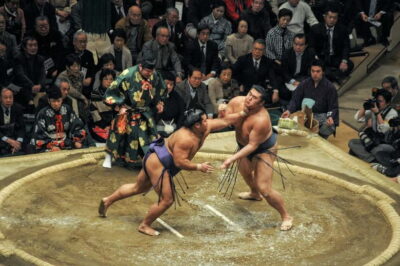
Sumo Tournament with Guide & Assigned Reserved Seat
Read our review →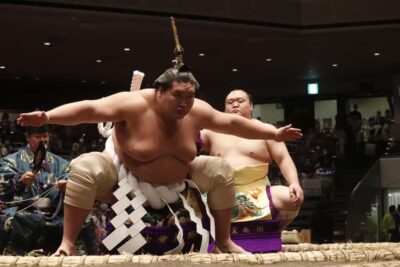
Sumo Wrestling Tournament with Chair Seat Tickets
Read our review →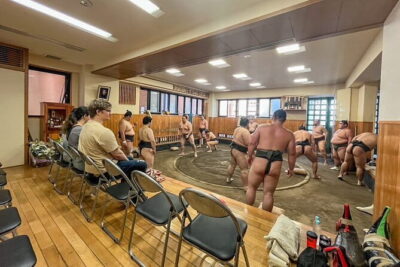
Tokyo Sumo Morning Practice Tour w/ Ring-Side Seat + Photo Shoot
Read our review →November Sumo Tournament tour in Fukuoka (Tickets Included)
Read our review →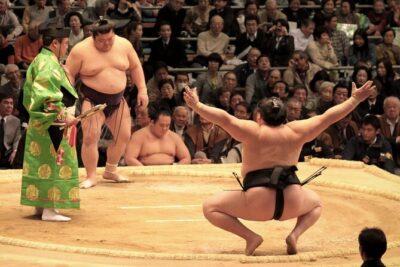
Official Sumo Tournament Ticket with Guided Experience
Read our review →
Chair Seat Guaranteed SUMO Practice +Photo +Culture Option
Read our review →Browse the lists this tour appears in