
REVIEW · RYOGOKU SUMO TOURS
Ryogoku: Sumo Town Guided Walking Tour with Lunch
Ryogoku’s big secret is that sumo is not just a sport you watch inside the Kokugikan. It shapes the whole neighborhood, from stable buildings and memorial temples to the hearty chanko-nabe served at lunch. This small-group walk gives you the background you need to understand what is happening in the ring.
I especially like the chance to see sumo stables from the street and the shared hot-pot meal, which connects everyday cooking with the wrestlers’ demanding lives. Guides such as Jeff, Taka, Sue, Jean, and Yoko have brought strong knowledge and personality to the walk. The main catch is simple: you do not watch a bout or a training session, and a few people have found the lunch crowded when several tour groups arrive together.
Key points to know before you book
- See Ryogoku through sumo’s daily life: Visit the outside of stables where wrestlers live and train, then hear how their careers work.
- Eat chanko-nabe for lunch: The nutritious hot pot is tied directly to stable life, teamwork, and weight gain.
- Build useful sumo knowledge: Learn rules, customs, history, and the meaning behind what you see at a tournament.
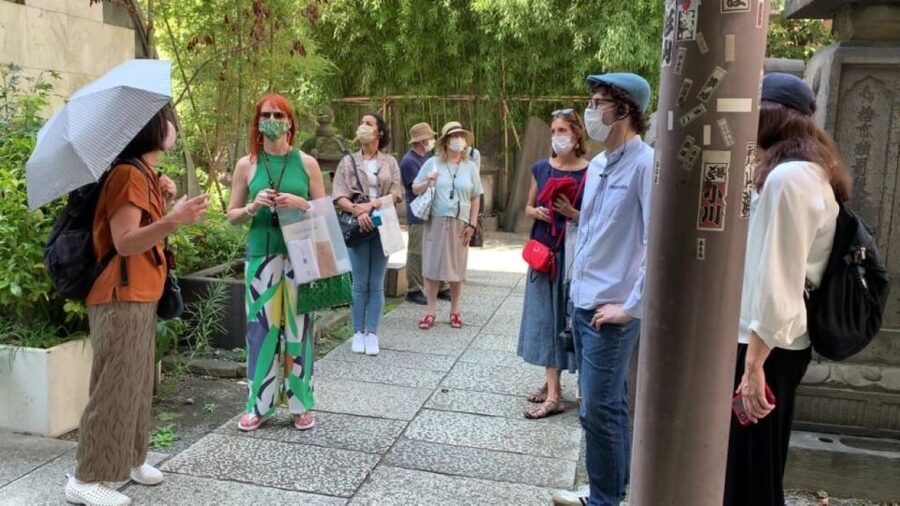
- Walk beyond the arena: The route includes the Kokugikan, Ryogoku Edo Noren, Ekō-in, temples, shrines, gardens, swords, and Japanese culture.
- Keep the group small: With no more than eight participants, you have a better chance to ask questions than on a large city tour.
- Plan for a three-and-a-half-hour walk: Comfortable shoes matter, and the tour is not suitable for people with mobility impairments.
Why Ryogoku is the right place to learn sumo
If you only visit Tokyo’s sumo arena during a tournament, you see the polished public side of the sport. Ryogoku adds the neighborhood context. This is where the Kokugikan sits, where many stables operate, and where sumo culture appears in ordinary streets rather than only under arena lights.
The tour begins outside Ryogoku Station, at the Toei Oedo Line station. That is a practical meeting point, since the neighborhood is easy to reach by rail and you can meet the guide without having to find a tucked-away restaurant or temple.
The walk lasts about 210 minutes, including lunch. You are not racing from sight to sight. The guide uses the route to explain how sumo began more than 1,600 years ago, how it developed through Japanese history, and how the sport connects with Shinto, Buddhist customs, food, clothing, and daily discipline.
I would book this before attending a tournament if sumo is new to you. The rules and rituals can look formal and mysterious at first. A good explanation of the ring, the wrestlers’ preparation, and the stable system makes the live event much easier to follow.
More Ryogoku sumo tours in Tokyo:
- Tokyo: Sumo Morning Practice Tour at Sumida City
★ 4.8 · 308 reviews - Tokyo Ryogoku Sumo Morning Practice + Photo Shoot with Wrestlers
★ 4.5 · 277 reviews - Sumo Wrestlers Morning Practice Tour – Tokyo Sumida District
★ 5.0 · 54 reviews
Hakkaku-beya and the private world of a stable
One early stop is Hakkaku-beya, a sumo stable. The visit is from outside, so you should not expect to enter the building or watch a practice. That limit matters. Stable life is private, and access to training is not part of this experience.
Even so, seeing where wrestlers live and work helps turn an abstract sport into a daily routine. Your guide can explain the stable structure, the path from novice to senior wrestler, and the way wrestlers spend their days. The tour information also covers the role of food, practice, hierarchy, and career development.
You may happen to see wrestlers in the neighborhood, but there is no promise of that. During one tour, participants spotted two wrestlers walking nearby, and another group saw wrestlers relaxing behind a stable. Those moments are lucky additions, not scheduled stops. Wrestlers may also be away at a tournament or on vacation, so keep your expectations in check.
This is one reason a skilled guide matters. Guides named Jeff, Taka, Sue, Jean, and Yoko have led different departures. The strongest feedback focuses on their ability to explain sumo clearly, answer questions, and adjust the walk to conditions such as bad weather. The guide is not just leading you between points. The guide is the main source of value.
Ryogoku Kokugikan, the center of tournament sumo
The Kokugikan is the neighborhood’s visual anchor and one of the most important stops. You see it from the outside and learn how it fits into Japan’s tournament calendar. The tour does not include a sumo ticket, so there is no match viewing inside the price.
That distinction is worth making before you pay. At $122 per person, this is not a cheap sightseeing walk if you measure it against a basic neighborhood stroll. You are paying for an English-speaking specialist, a small group, and lunch, along with the interpretation that links the sights together.
For a first-time sumo fan, that can be good value. You get a clearer sense of what happens before, during, and after a bout, and you learn why the arena is more than a sports venue. If you already know the sport well, the value will depend on how much you enjoy local history, food, and cultural details.
I would not treat this as a substitute for tournament day. It works better as preparation for a tournament, or as a stand-alone cultural experience when no tournament matches fit your schedule.
Ryogoku Edo Noren and the wider culture of sumo
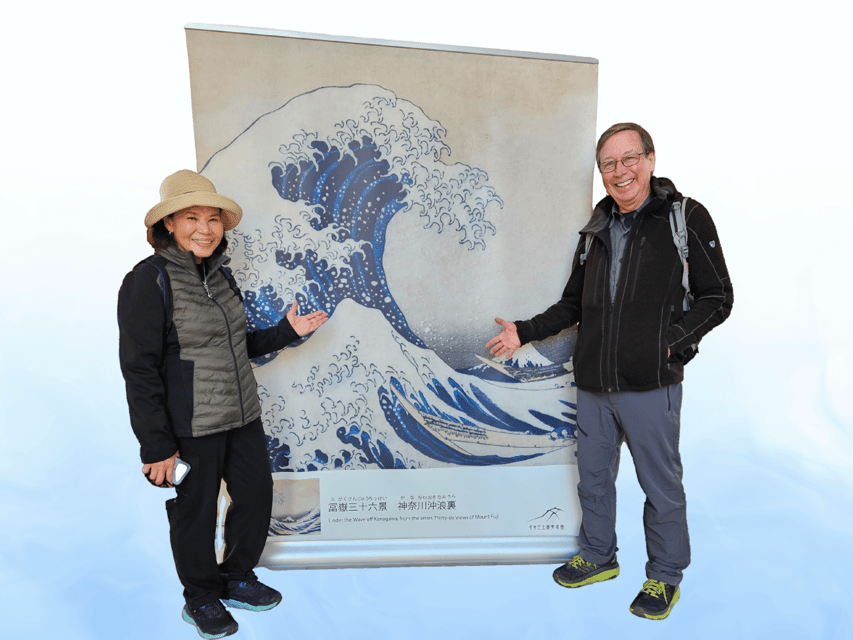
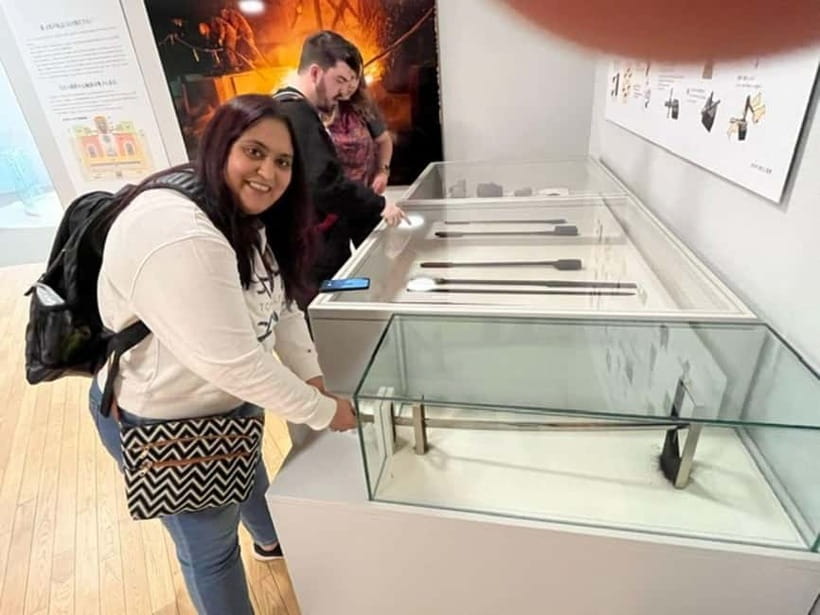
Ryogoku Edo Noren adds a food and local culture stop to the route. The tour is not limited to wrestling facts. It also touches on Japanese cuisine, woodblock prints, gardens, swords, Shinto shrines, and Buddhist temples.
That wider scope keeps the walk from becoming a long rules lecture. Sumo grew alongside religious and cultural traditions, and the guide can show how those connections appear in the neighborhood. You learn about the setting around sumo, not only the athletes themselves.
This part also helps if someone in your group is interested in Japan but is less focused on wrestling. The experience has enough food, architecture, religious history, and local sights to give the walk a broader purpose.
Still, the route has a clear theme. If you want a general Tokyo walking tour with long interior visits, this is not the best match. The sumo story remains the thread tying the stops together.
More sumo walking tours in Tokyo:
- Tokyo Walking Tour : Sumo, Sushi, Tea, Temples and Tokyo Tower
★ 5.0 · 21 reviews - Private Ryogoku Walking Tour with Sumo Wrestler and Master Guide
★ 4.5 · 7 reviews - Tokyo: Watching Sumo and Ryogoku Area Walking Tour
★ 4.0 · 5 reviews
Ekō-in and the religious side of the sport
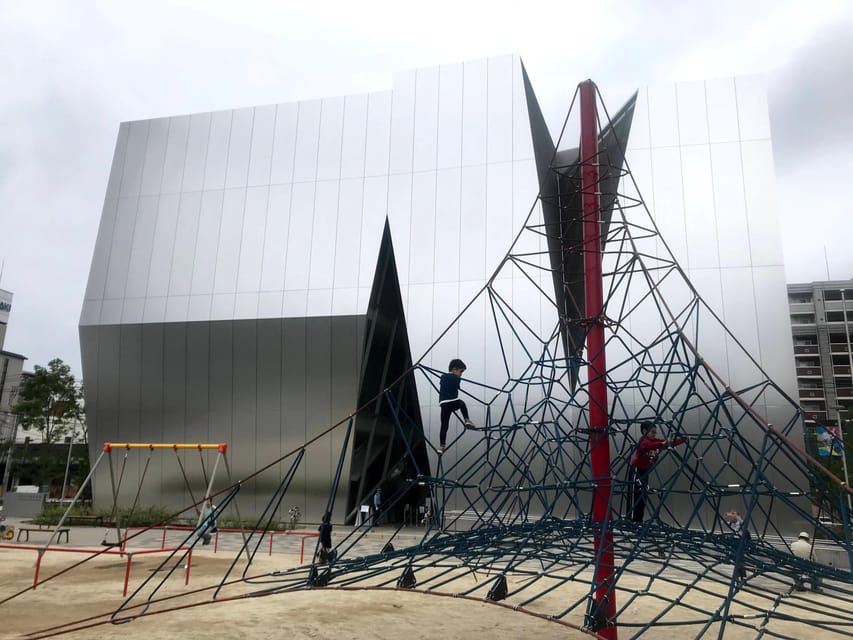
Ekō-in brings Buddhist culture into the walk. Along with the shrines and temples discussed elsewhere on the route, it shows that sumo cannot be separated neatly from religious tradition.
Your guide explains how sumo began and changed over 1,600 years. That long time span is one of the tour’s strongest features. You are not only learning how wrestlers train today. You are also getting a basic map of the sport’s place in Japanese culture.
The tour may suit you especially well if you enjoy context more than spectacle. You will not leave with a guaranteed photo of a wrestler in action, but you should come away with a better grasp of why ceremonies, spaces, and customs matter.
Kasugano-beya and the reality of limited access
A second stable, Kasugano-beya, gives you another look at the local sumo district. Again, the visit is guided from outside. Seeing more than one stable helps you understand that Ryogoku is a working sumo neighborhood, not simply an arena district decorated for visitors.
The tradeoff is that the stable visits can feel brief if you hoped to watch practice. One person expected training and found that it was not included. That is the clearest point to settle before booking: this tour explains stable life and shows stable locations, but it does not promise entry or observation of a training session.
You might see wrestlers arriving, leaving, or moving through nearby streets. You might also see no wrestlers at all. Tournament schedules, holidays, and private routines affect what is happening on the day.
Chanko-nabe lunch at Hana no Mai
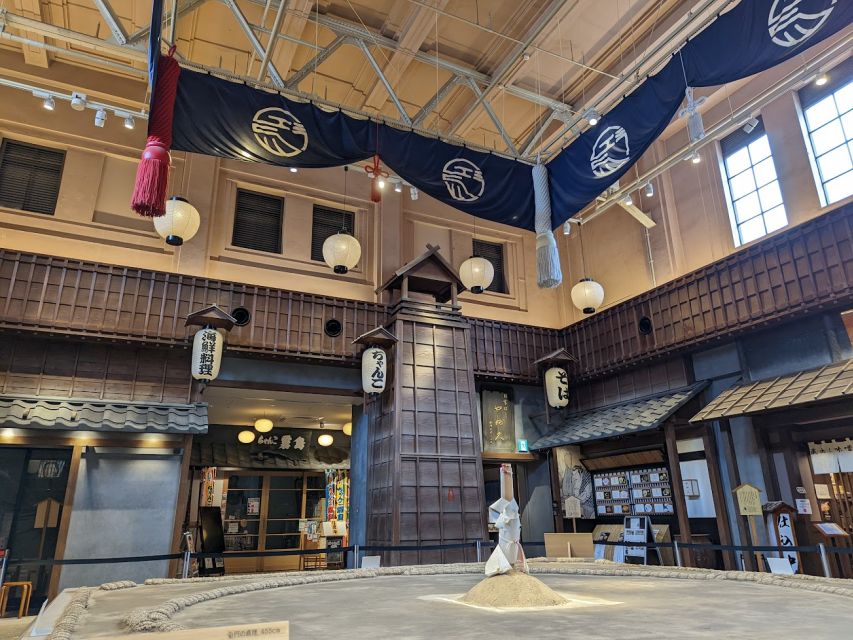
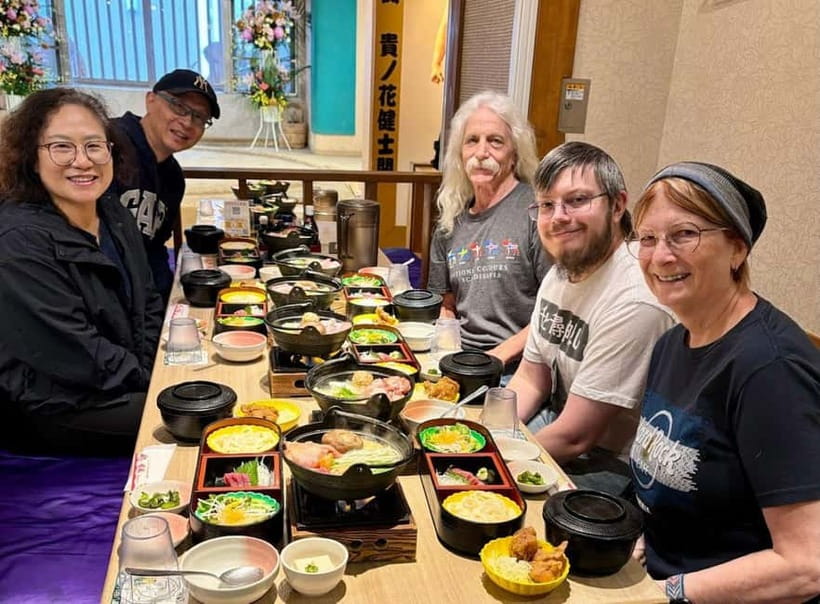
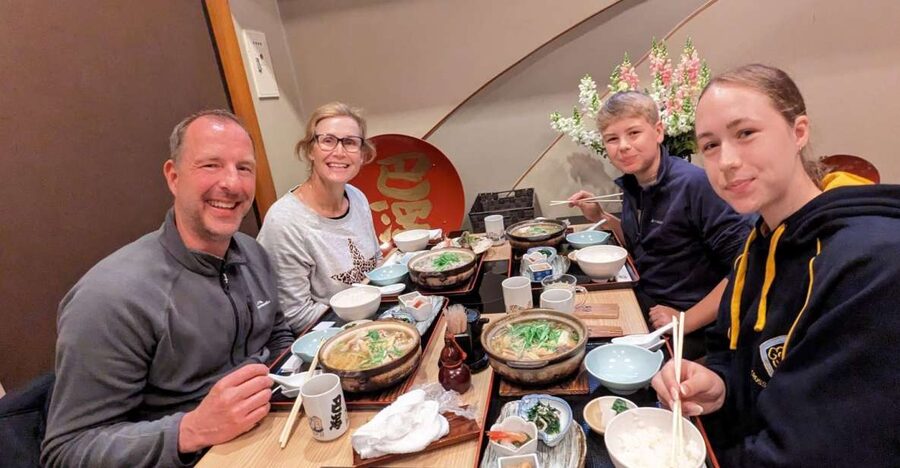
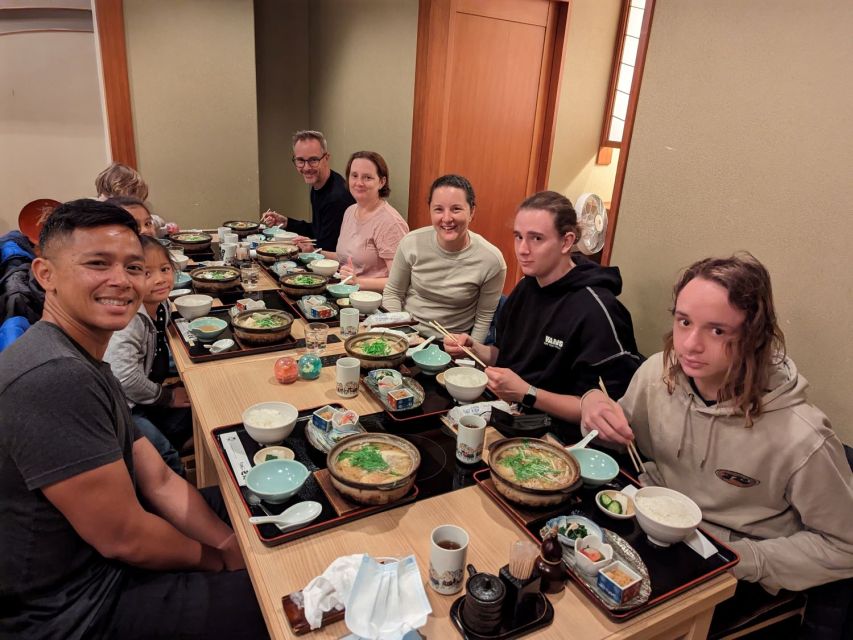
Lunch is the most hands-on part of the experience. At Hana no Mai Edo-Tokyo Museum front, described as a seafood pub, you eat chanko-nabe, the hot-pot dish closely linked with sumo wrestlers.
The dish makes practical sense in a stable. It can be prepared by the wrestlers themselves, without a professional kitchen staff. It is heated during cooking, offers a balanced meal, and can be shared from one pot. That shared format also fits the teamwork and solidarity of stable life.
You are not simply being served a random Japanese lunch. The food carries a direct connection to the sport you have been studying. For many people, that link is what makes the meal memorable.
The lunch has one practical weakness. Several tour groups may arrive at the same time, which can make the restaurant feel more like a visitor stop than a quiet local meal. I would still consider it worthwhile, especially if you want to try chanko-nabe without having to choose a restaurant on your own, but do not expect a private dining experience.
Food allergies are another concern. The tour is not suitable for people with food allergies, so this is not the place to assume substitutions will be available. If your diet is restricted, check carefully before booking.
What the $122 price really covers
At $122, the tour sits in the paid-experience range rather than the casual walking-tour range. The price includes lunch and an English-speaking expert guide, with a group limited to eight people.
The small group is important. Sumo raises many questions, from wrestler ranks to stable life and ceremony. With eight or fewer participants, you have a reasonable chance to ask about the things you actually notice instead of listening to a fixed speech from the back of a crowd.
The lunch also offsets part of the cost. You still pay for the guide’s time and subject knowledge, but you are not adding a separate restaurant bill during the three-and-a-half-hour outing.
I see the best value for first-time visitors, families with older children who already have an interest in sumo, and people attending a tournament who want more context. If your only goal is to watch live wrestling, put the money toward a match ticket instead. This tour is about understanding the sport around the match.
Timing, walking, and the small details that matter
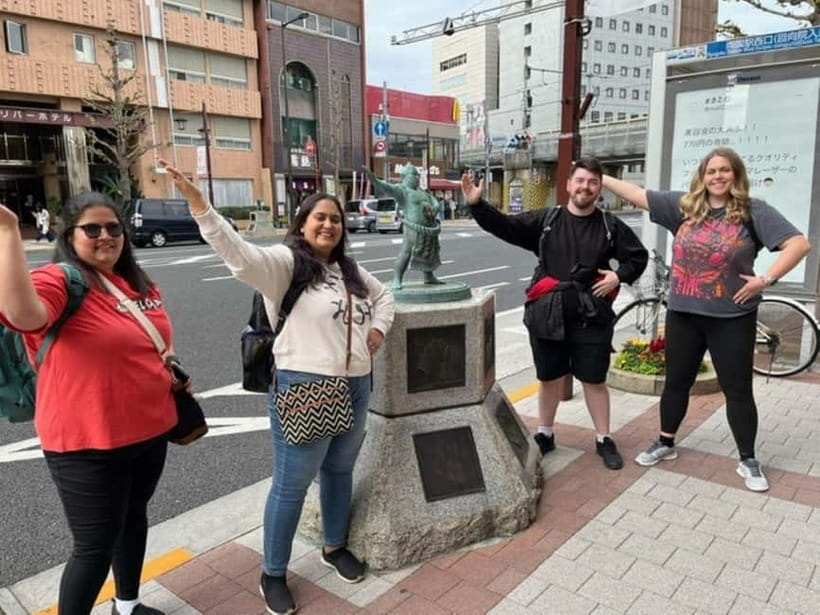
Wear comfortable shoes. The route includes several walking sections, and the tour is not suitable for people with mobility impairments. The listed stop times range from about 15 to 30 minutes, with an hour for lunch, so expect a steady city walk rather than a bus ride between attractions.
The meeting point is outside Ryogoku Station, and the tour finishes at 2-chome-17-17 Ryogoku, Sumida City. Since the end point is not the same wording as the starting point, allow a little time afterward if you have a tight reservation elsewhere.
The tour runs in English with a live guide. Starting times vary, so check availability when you choose a date. Cancellation is free up to 24 hours ahead, and you can reserve now and pay later, useful if your Tokyo schedule is still shifting.
Weather can affect the feel of the walk. One guide handled poor weather by keeping the group moving and reaching the planned sights on time, but you should still dress for an outdoor route.
Who will enjoy this walk most
I would choose this tour if you want to understand sumo instead of simply taking a photo outside the arena. It is also a good pick if you like food with a story, neighborhood walking, and Japanese religious and cultural history.
You will get the most from it if you arrive with questions. Ask about the stable system, wrestler careers, tournament schedules, ceremony, rules, and what to watch for at a bout. The limited group size gives the guide room to respond.
I would hesitate if you need guaranteed access to wrestlers, a practice session, or a live match. I would also hesitate if you have food allergies, mobility issues, or little interest in walking.
Should you book the Ryogoku sumo tour?
Book it if you want a clear introduction to sumo, a look at the neighborhood where the sport lives, and a chanko-nabe lunch that fits the subject. The guide is the heart of the experience, and names such as Jeff, Taka, Sue, Jean, and Yoko have brought strong explanations and friendly energy to different departures.
Do not book it expecting a backstage pass. Stable visits are from outside, wrestlers may be away, and no bout or training session is included. With those limits understood, this is a useful, focused way to turn Ryogoku from a station stop into a place you understand.
FAQ
Does the tour include watching a sumo bout?
No. The tour does not include watching an actual sumo match.
Can I watch sumo wrestlers train?
No training session is included in the tour. You visit sumo-related stables from outside, and you might or might not see wrestlers in the neighborhood.
How long does the experience last?
The tour lasts 210 minutes, or about three and a half hours, including the walking tour and lunch.
What food is included?
Lunch is chanko-nabe, the hot-pot dish associated with sumo wrestlers, at a restaurant in Ryogoku.
Is the tour conducted in English?
Yes. It includes a live English-speaking guide.
How large is the group?
The group is limited to eight participants.
What should I bring?
Bring comfortable shoes for the walking route. The tour is not suitable for people with mobility impairments or food allergies.
More sumo tours with a meal in Tokyo
- Tokyo: Sumo Show and Dining Experience
★ 4.8 · 2,742 reviews - Tokyo:Luxury Sumo Show Experience & Japanese cuisine & Drink
★ 4.7 · 577 reviews - Tokyo Sumo Experience: Chanko & Mochi with a Former Pro
★ 4.8 · 567 reviews - Tokyo: Sumo Experience and Chanko Nabe Lunch
★ 4.8 · 257 reviews
Newest sumo experiences in Tokyo
- Tokyo Sumo History Tour with Chanko Nabe Lunch★ 5.0 · 3 reviews
- Tokyo Highlights Tour: Sumo, Sushi, Tea, and Tokyo Tower★ 5.0 · 2 reviews
- Tokyo: Know about Hokusai and Sumo culture in 2.5 hours★ 5.0 · 2 reviews
- TOKYO , No1 Yokozuna Stable Morning Practice in Ryogoku★ 4.5 · 3 reviews
- Tokyo 6hr Private Guided Tour & Sumo Show Lunch★ 5.0 · 3 reviews
- Tokyo Grand Sumo Tournament Viewing Tour★ 5.0 · 2 reviews
- Tokyo Ginza : Sumo and Mikoshi Experience,Open from Sep.★ 5.0 · 8 reviews
- Complete Sumo Experience in Tokyo★ 4.5 · 3 reviews
Ryogoku Sumo Tours, compared.
Tokyo Ryogoku Sumo Morning Practice + Photo Shoot with Wrestlers
Read our review →
Sumo Wrestlers Morning Practice Tour – Tokyo Sumida District
Read our review →
Sumo Morning Practice Tour in Ryogoku and Photo Shoot
Read our review →
Tokyo Sumo Culture Tour with Chanko-Nabe Lunch in Ryogoku
Read our review →
Seat B Ticket Tokyo Sumo Wrestling Tournament in Ryogoku
Read our review →
Private Ryogoku Walking Tour with Sumo Wrestler and Master Guide
Read our review →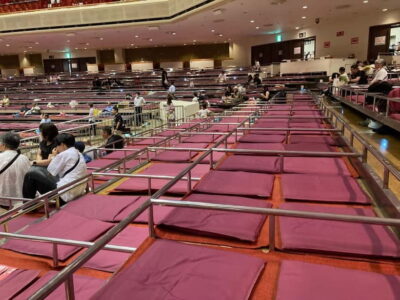
Browse the lists this tour appears in