
REVIEW · RYOGOKU SUMO TOURS
Tokyo: Sumo Morning Practice Tour in Ryogoku and Photo Shoot
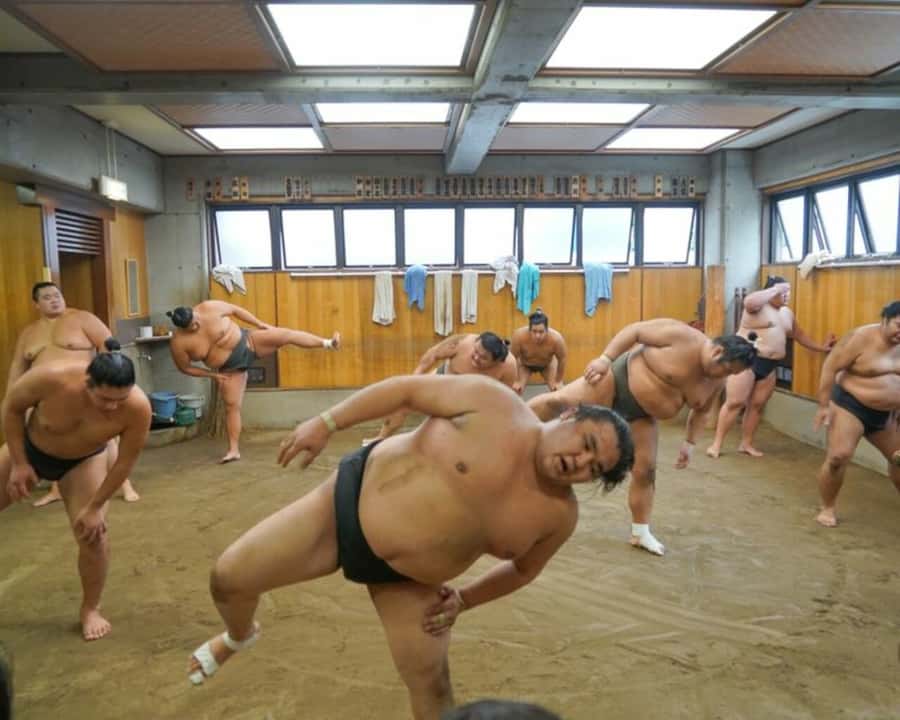
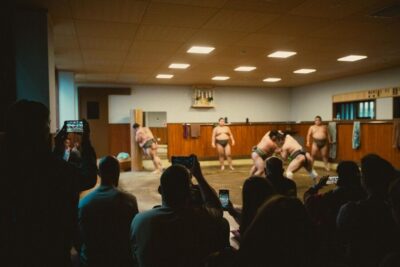
Sumo practice is not a staged show. You sit quietly on tatami inside a working stable while wrestlers train, collide, stretch, and repeat the basic movements that shape their lives. That close view is the real draw, especially if you want to see sumo as a demanding daily discipline, not just a tournament spectacle.
I like the small group, capped at nine, and the English explanation of rules, customs, food, and training. I also like the included photo session with wrestlers, though the exact photo opportunity and amount of photography depend on the stable.
The main caution is that you must follow strict house rules. You cannot film, eat, drink, wear a sleeveless shirt or short skirt, or arrive late. Practice can also be shortened or canceled without notice, and you will sit on the floor without a chair.
Key points to know before booking
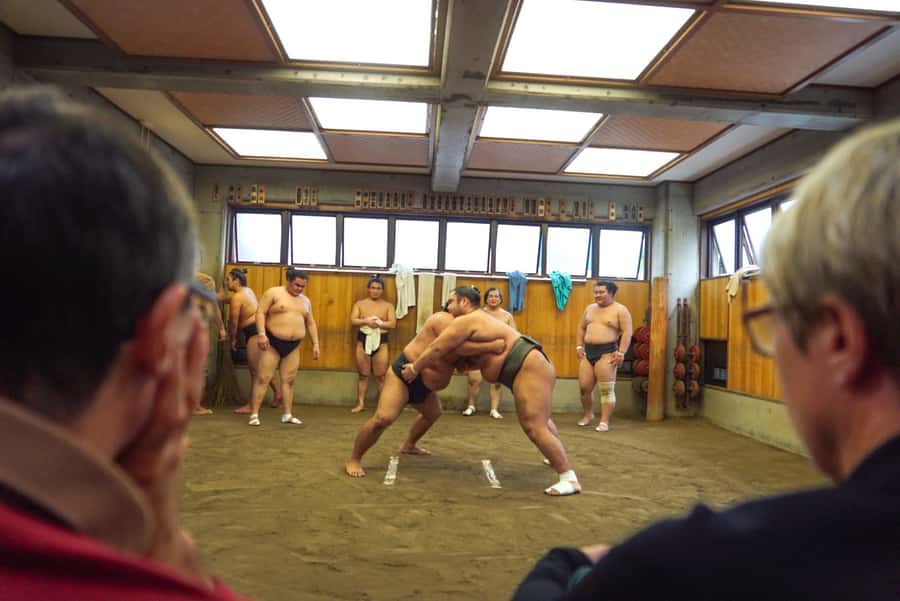
- Morning practice inside a working stable: You watch wrestlers train in their own sumo setting rather than from a public arena seat.
- A small group of nine or fewer: This keeps the explanation personal and makes it easier to see what is happening.
- About 105 minutes at the stable: The full activity is scheduled for two hours, including meeting and walking time.
- Tatami seating and strict etiquette: You sit on the floor, stay quiet, and follow the stable’s instructions.
- Photo opportunity at the end: A photo with wrestlers is included, but photography may be limited by the stable.
- JR Ryogoku meeting point: Meet outside Re.Ra.Ku at the East Exit, not at the nearby Toei-Oedo Line station.
Why morning sumo practice is worth seeing
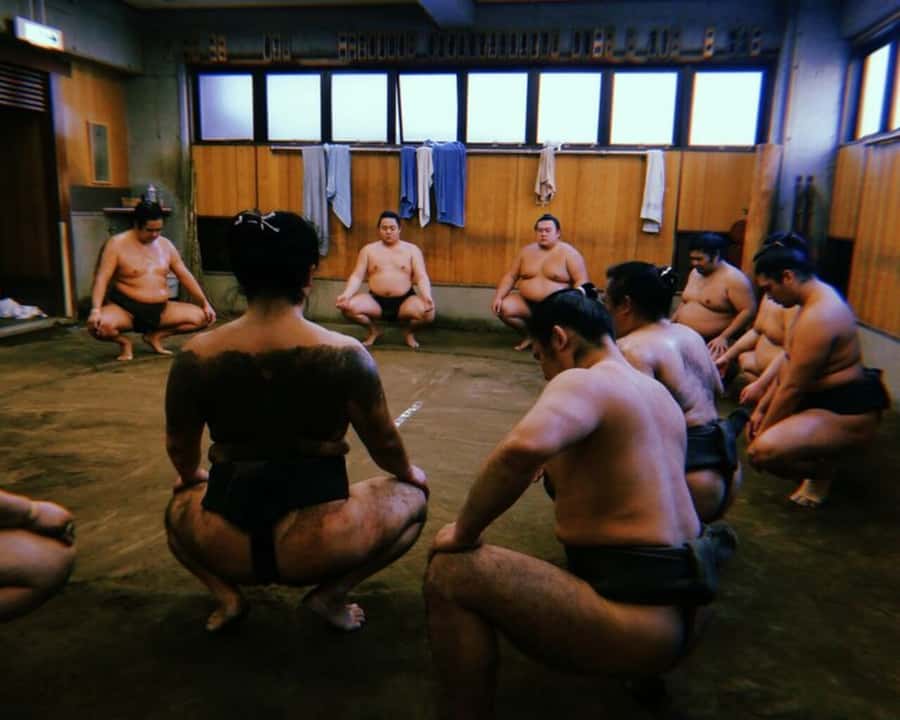
A sumo tournament gives you polished rituals, a packed crowd, and official bouts. Morning practice gives you something different: the work behind the sport. Wrestlers train before most of Tokyo has properly started its day, repeating techniques and building the power and balance needed for competition.
You are not simply watching large athletes push each other around. Your guide explains how the sport works and what the wrestlers are trying to improve. You learn about the roots and customs of sumo, the rules of a bout, and the training and diet that support these athletes.
That context matters. Without it, practice can look like a series of short clashes. With an explanation, you begin to notice the structure: the warm-up movements, the strength work, the repeated bouts, and the focus required between efforts.
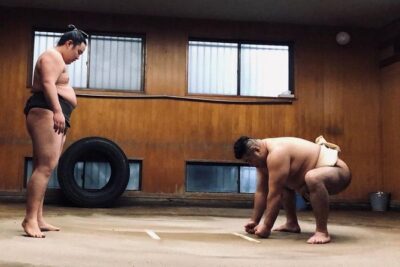
The setting also gives you a better sense of scale. Seeing a wrestler across an arena is one thing. Sitting nearby in a stable lets you appreciate the physical size of the athletes and the force behind even a brief movement. You might have a chance to speak with a wrestler, but that is not guaranteed, so treat it as a pleasant possibility rather than a promised part of the tour.
More Ryogoku sumo tours in Tokyo:
- Tokyo: Sumo Morning Practice Tour at Sumida City
★ 4.8 · 308 reviews - Tokyo Ryogoku Sumo Morning Practice + Photo Shoot with Wrestlers
★ 4.5 · 277 reviews - Sumo Wrestlers Morning Practice Tour – Tokyo Sumida District
★ 5.0 · 54 reviews
Meeting your guide outside JR Ryogoku Station
The meeting point is practical, but Tokyo gives you one important trap here: there are two Ryogoku stations. You must go to Ryogoku Station on the JR line, not Ryogoku Station on the Toei-Oedo Line.
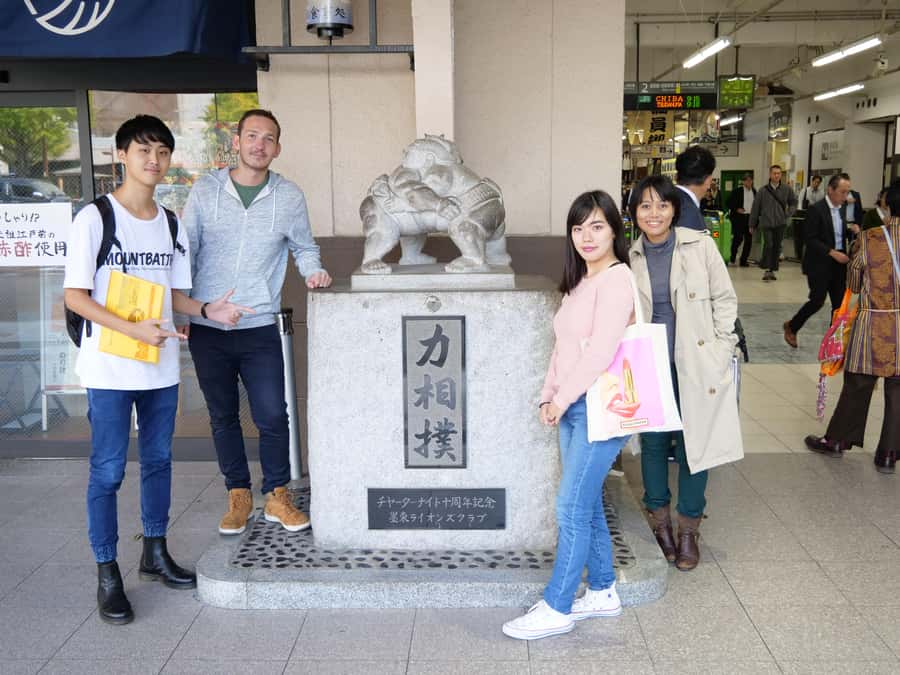
Meet directly outside Re.Ra.Ku, just beyond the East Exit of the JR station. Your guide holds a red or orange Magical Trip sign. This is useful in a city where station exits can quickly become confusing, and a past participant specifically found the guide and meeting spot easy to locate.
Allow enough time to find the correct exit. The tour starts on time, and a late arrival cannot join or reschedule. This is not the kind of activity where you can casually wander up a few minutes after the advertised start.
From the meeting point, you walk to the sumo stable. The stable is described as being nearby, but the activity does not provide hotel pickup. You are responsible for reaching JR Ryogoku Station on your own.
The walk into a real sumo stable
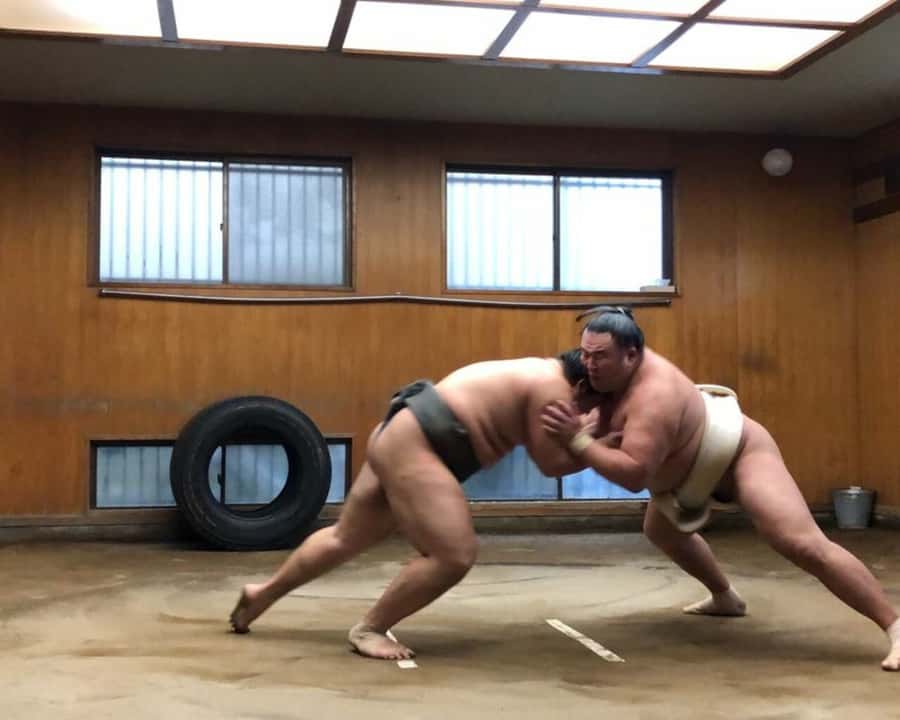
The stable is where wrestlers live and train under the guidance of their stablemaster. This tour takes you into that working environment during morning practice, rather than placing you in a separate visitor exhibition.
That difference gives the experience its value. You see sumo in its daily setting, with the wrestlers focused on practice rather than performing for a sightseeing audience. It also means you must behave more like a respectful observer than a customer at a show.
The guide helps you understand what you are seeing and explains the stable’s customs. You may learn how wrestlers develop as athletes, what their training involves, and how food supports their demanding routine. The tour description promises information on rules, roots, customs, training, and diet, so it is a good fit even if you know little about sumo.
At the same time, the stable is not a museum with a fixed display and guaranteed schedule. Practice may be canceled or shortened without notice. If that happens, the experience offers a full refund, but you should still avoid placing it on the only possible morning of a tightly planned Tokyo visit.
Sitting on tatami while practice unfolds
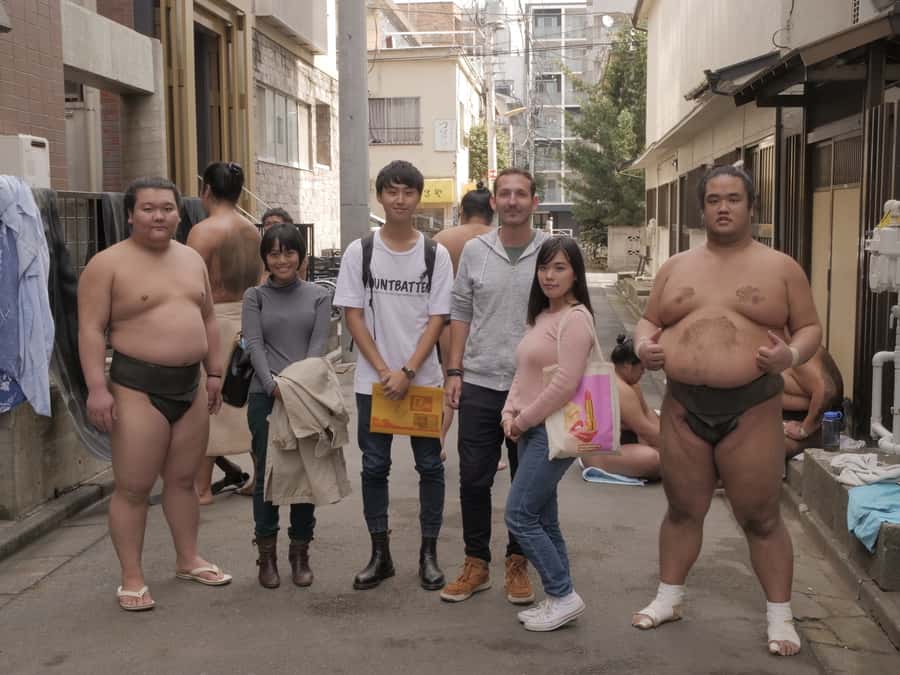
You sit on tatami, and no chairs are provided. For some people, that is part of the cultural setting. For others, sitting on the floor for an extended period may be uncomfortable, especially if you have mobility concerns.
Seating is first come, first served. Groups may also be split, so do not assume everyone in your booking will sit together. Some stables are not accessible for wheelchairs or strollers, and this activity is not suitable for children under 12.
The best approach is to arrive ready to be still. Keep your voice low, follow the guide, and avoid sudden movement. You cannot enter restricted areas, and disruptive behavior can lead to removal without a refund.
Food and drinks are not allowed. There are no restrooms during the tour, so use one before meeting the guide. Dress for the weather, but remember the clothing rules: no short skirts and no sleeveless shirts.
More morning practice tours in Tokyo:
- Tokyo: Sumo Morning Practice Viewing Tour
★ 4.8 · 570 reviews - Tokyo: Sumo Morning Training Visit
★ 4.4 · 370 reviews - Tokyo: Visit Sumo Morning Practice with English Guide
★ 4.7 · 343 reviews - Tokyo Sumo Morning Practice Tour at Stable
★ 5.0 · 298 reviews
What your guide adds to the practice
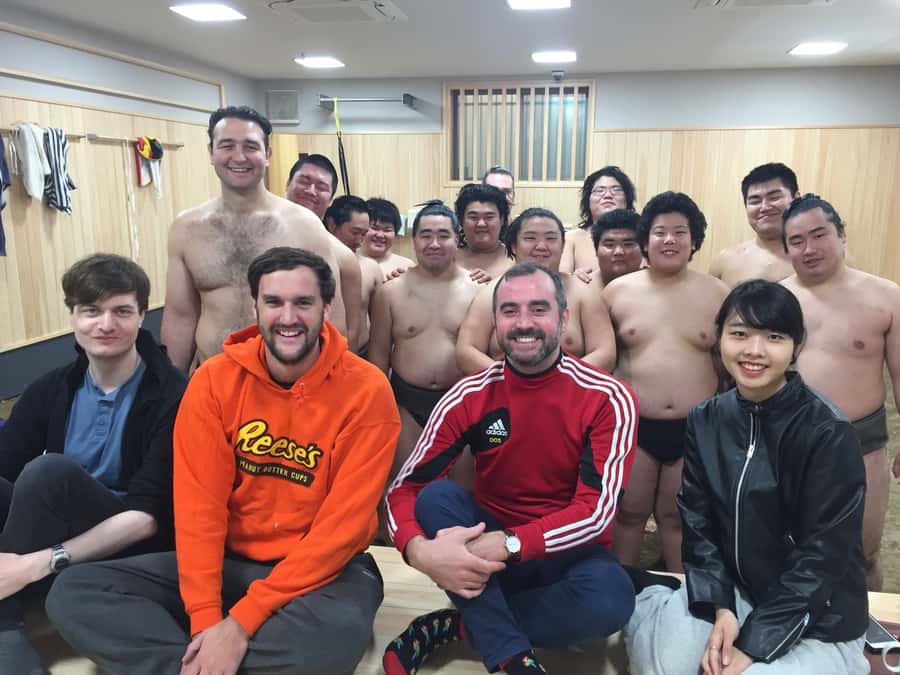
The guide is important here because the action can be hard to read at first. Sumo has its own language, rituals, and rules, and a good explanation turns a quiet observation into a lesson in the sport.
You learn what can decide a bout, how wrestlers train, and why repeated practice matters. You also get a clearer picture of sumo outside tournament day, including the customs and daily routine that shape the athletes’ lives.
The guides speak English, and the experience is designed for a small group. A guide named Marie has been praised for her enthusiasm and ability to answer questions, which is encouraging if you want more than a quick photo stop. The strongest praise for the guiding focuses on respect for the stable’s rules and a clear explanation of what is happening.
That respect is not a minor point. A stable is a place of work and discipline. The guide must balance your curiosity with the wrestlers’ need to train without distraction. If you want a guide who explains the setting while keeping the group under control, this format makes sense.
Photos with wrestlers after practice
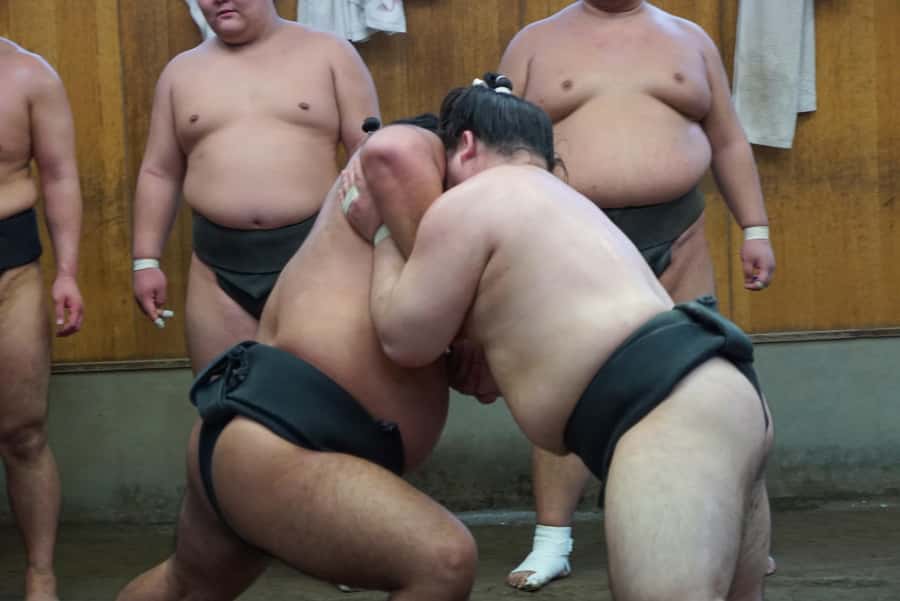
A photo session with sumo wrestlers is included at the end. It gives you a lasting record of the visit and lets you see the athletes at close range after the practice session.
Keep your expectations flexible. Photography may be limited depending on the stable, and the activity specifically prohibits video recording. Still photography is part of the experience, but you should follow the guide’s directions about when and where you can take pictures.
The photo opportunity is best understood as a respectful final moment, not a long meet-and-greet. You may get a chance to talk with a wrestler, but conversation is not guaranteed. The more important experience is watching the practice itself, with the photo serving as a bonus.
If you are hoping to take constant action shots, this is not the right activity. The stable may restrict photography, and your first duty is to observe quietly. Bring a camera or phone for permitted photos, but be prepared to put it away when asked.
Is two hours enough for the experience?
The tour lasts two hours overall, with about 105 minutes listed for the stable visit. The rest includes meeting the guide and walking to and from the practice location.
That length works well for a morning in Ryogoku. You receive enough time to watch a meaningful portion of practice without giving up half a day. You can pair it with other sightseeing in the area, provided you leave a sensible gap after the scheduled finish.
The actual time may be shorter if practice is shortened or if the stable’s schedule changes. One practical point is worth stressing: the advertised two hours is not a guarantee that you will remain inside the stable for every minute. Plan for the stated duration, but accept that sumo’s working schedule comes first.
What the $96 price includes
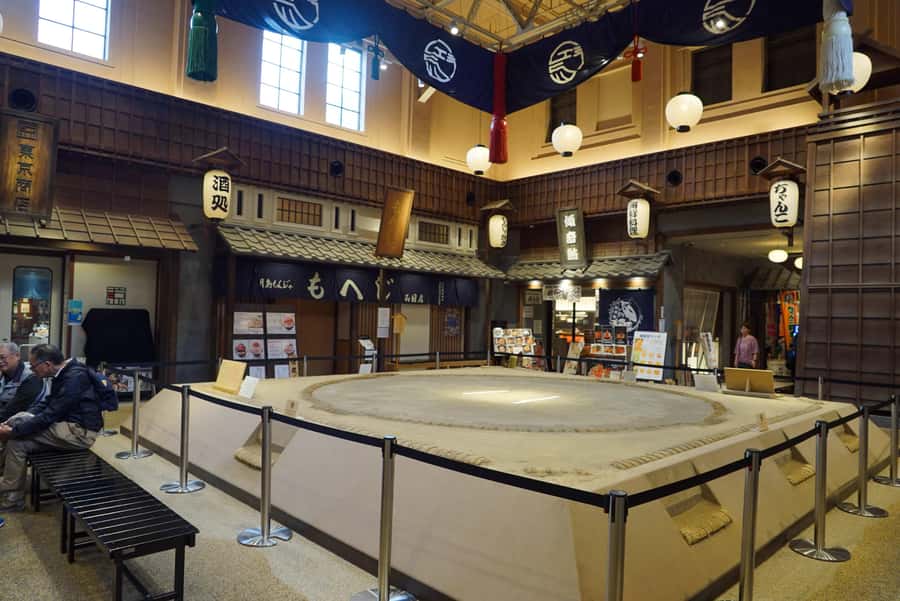
At $96 per person, this is not a cheap way to fill an hour in Tokyo. You are paying for access to a working sumo stable, an English-speaking local guide, the entrance fee, and the organized photo session.
The value depends on what you want. If you only want to see sumo once and take a quick picture, the price may feel high. If you want someone to explain the sport and customs while you watch practice close up, the cost is easier to justify.
The group size helps. With no more than nine participants, the guide can answer questions and keep the visit orderly. You also avoid trying to figure out the rules and etiquette alone, which is especially useful for first-time visitors.
There is no hotel pickup, and you pay for your own route to JR Ryogoku Station. That keeps the arrangement simple, but it means the tour is less convenient if your hotel is far from the eastern side of Tokyo.
Who should book this sumo tour?
I would recommend it to adults and older children, age 12 and up, who want an authentic look at Japanese sport and are comfortable with quiet observation. It works particularly well for anyone who has seen tournament sumo on television but wants to understand the daily training behind it.
It also suits people who like small-group tours. The group limit of nine is more personal than a large bus excursion, and the guide can provide a useful explanation without turning the visit into a lecture.
You should think twice if you need a chair, require full wheelchair or stroller access, or dislike strict rules. It is also a poor match for anyone who wants to film freely, snack during the activity, or arrive on a loose schedule.
Book with a little flexibility in your itinerary. Practice can change, and the tour cannot accommodate same-day changes. You can cancel up to three days in advance for a full refund, but once the tour begins, leaving early does not allow re-entry.
Is the Ryogoku sumo practice tour worth booking?
Book this experience if you want close-range access to everyday sumo, a clear English explanation, and a small group rather than a formal arena event. The morning setting, working stable, and chance for a photo with wrestlers make it a memorable choice for visitors curious about the sport.
Skip it if you want guaranteed bouts, unlimited photography, comfortable seating, or a fully predictable schedule. The strongest reason to choose it is not the photo at the end. It is the chance to sit quietly and watch the discipline behind sumo, with a guide helping you understand what you see.
FAQ
Where does the tour meet?
Meet outside Re.Ra.Ku, directly outside the East Exit of JR Ryogoku Station. The guide carries a red or orange sign marked Magical Trip.
Which Ryogoku Station should I use?
Use Ryogoku Station on the JR line. Do not go to the nearby Ryogoku Station on the Toei-Oedo Line.
How long does the tour last?
The full tour lasts two hours. The stable visit is listed as about 105 minutes, with the remaining time covering the meeting and walk.
What language is the tour conducted in?
The tour has a live English-speaking guide.
How many people can join?
It is a small-group activity limited to nine participants.
Is hotel pickup included?
No. You must make your own way to the JR Ryogoku meeting point.
Can children join the tour?
Children must be at least 12 years old. Children under 12 cannot join and will be denied entry without a refund.
Can I take videos inside the stable?
No. Video recording is not allowed. Still photography may also be limited depending on the stable.
Will I be able to speak with a sumo wrestler?
You may have a chance to talk with a wrestler, but conversation is not guaranteed.
Are chairs provided?
No. You sit on tatami, and seating is first come, first served. Groups may be split.
Can the practice be canceled?
Yes. Practice may be canceled or shortened without notice. If the tour is canceled, a full refund is provided.
Are restrooms available during the tour?
No. Use the restroom before the tour begins.
What clothing is not allowed?
Short skirts and sleeveless shirts are not allowed. You should also dress for the weather.
Can I cancel for a refund?
You can cancel up to three days in advance for a full refund. Same-day changes are not available.
More photo experiences in Tokyo
- Tokyo: Sumo Show Experience with Chicken Hot Pot and a Photo
★ 4.8 · 6,678 reviews - Tokyo Shinjuku Sumo Show & Experience with Photo
★ 5.0 · 1,750 reviews - Tokyo Sumo Entertainment Show with Chicken Hot Pot and Photo
★ 5.0 · 1,205 reviews - Tokyo: Exclusive Access to Sumo Morning Practice with Photos
★ 4.8 · 107 reviews
Newest sumo experiences in Tokyo
- Tokyo Grand Sumo Tournament Viewing Tour★ 5.0 · 2 reviews
- Tokyo Sumo History Tour with Chanko Nabe Lunch★ 5.0 · 3 reviews
- Tokyo Highlights Tour: Sumo, Sushi, Tea, and Tokyo Tower★ 5.0 · 2 reviews
- Tokyo: Know about Hokusai and Sumo culture in 2.5 hours★ 5.0 · 2 reviews
- TOKYO , No1 Yokozuna Stable Morning Practice in Ryogoku★ 4.5 · 3 reviews
- Tokyo 6hr Private Guided Tour & Sumo Show Lunch★ 5.0 · 3 reviews
- Unique Afternoon Live Sumo training tour in Tokyo★ 5.0 · 6 reviews
- Private Ryogoku Walking Tour with Sumo Wrestler and Master Guide★ 4.5 · 7 reviews
Ryogoku Sumo Tours, compared.
Tokyo Ryogoku Sumo Morning Practice + Photo Shoot with Wrestlers
Read our review →
Sumo Wrestlers Morning Practice Tour – Tokyo Sumida District
Read our review →
Tokyo Sumo Culture Tour with Chanko-Nabe Lunch in Ryogoku
Read our review →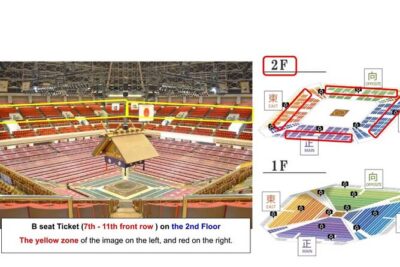
Seat B Ticket Tokyo Sumo Wrestling Tournament in Ryogoku
Read our review →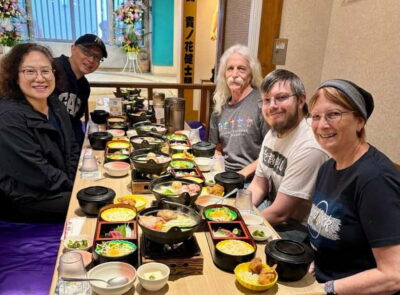
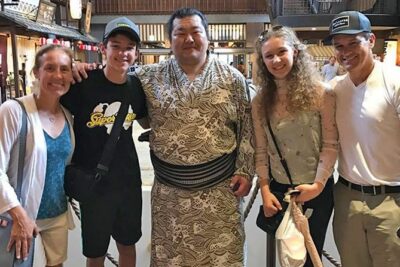
Private Ryogoku Walking Tour with Sumo Wrestler and Master Guide
Read our review →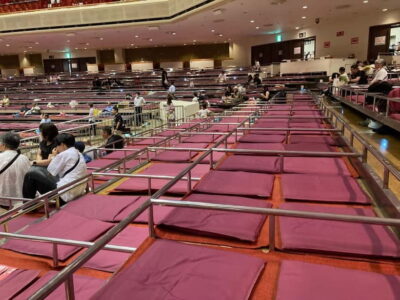
Browse the lists this tour appears in