
REVIEW · SUMO WRESTLER MEET AND GREET
Tokyo Sumo Morning Practice: Witness the Life of a Wrestler
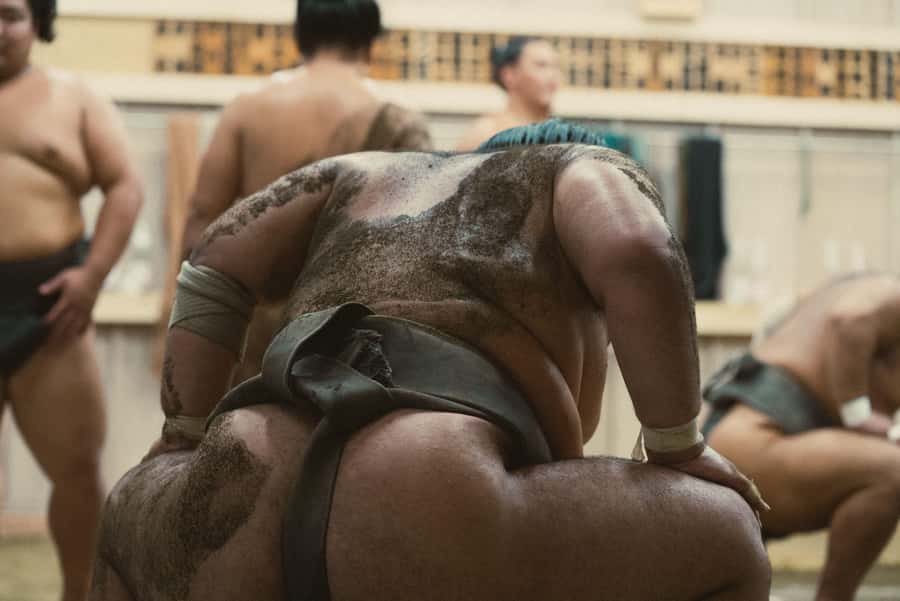
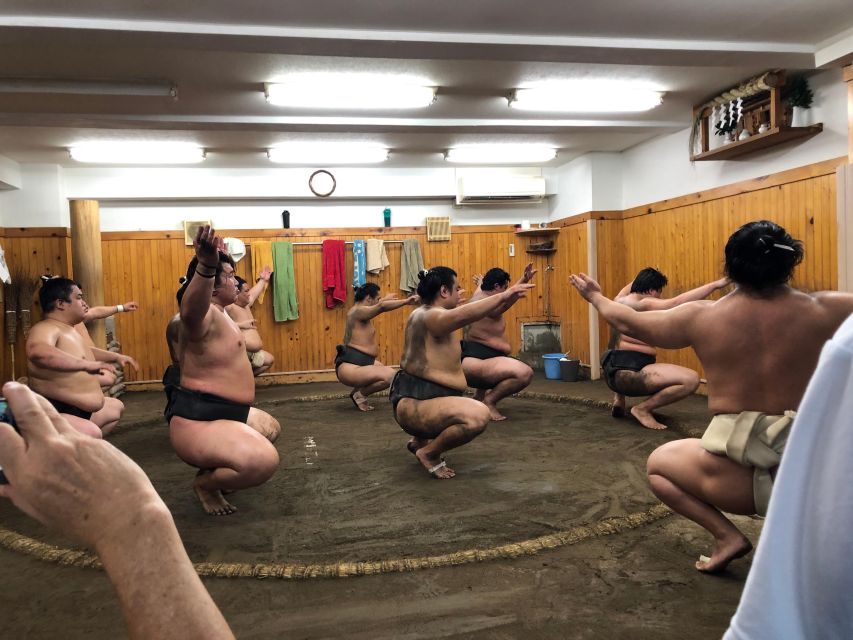
A few feet from the ring, sumo is not a polished stage show. You hear bodies hit the clay, feet stamp, and wrestlers breathe through hard repetitions. This morning practice at a Yokozuna stable gives you a rare look at the sport before the public sees it.
I like two things here: the training is real, not a staged demonstration, and the guide explains what you are seeing in real time through earbuds. You also get a group photo opportunity with wrestlers after practice, though the exact setup can change.
The main drawback is the strict etiquette. You must sit silently, keep your phone quiet, stay until practice ends, and possibly sit on a floor cushion for nearly two hours. That is a long stretch if you have knee or mobility problems.
Key points to know before you book
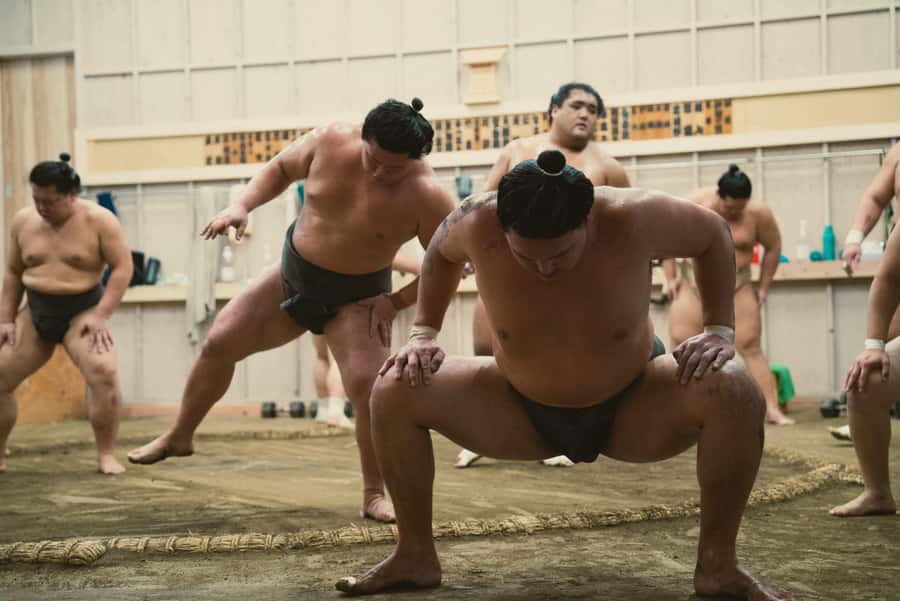
- You watch a real morning session: Wrestlers practice techniques, spar, and prepare for competition rather than performing a special show.
- The stable trains a Yokozuna: The champion belongs to this stable, but he may not be present on your particular morning.
- The viewing position is close: Seating is near the ring, sometimes directly behind the stablemaster and senior wrestlers.
- Live explanations come through earbuds: You can follow the rules, ranks, customs, and action without talking during practice.
- Silence and patience matter: No flash photography, video, food, or mid-session departure is allowed.
- The price reflects access: At $121 per person, you are paying for a restricted visit to an active stable, not a stadium ticket or tourist performance.
Entering a working sumo stable in Tokyo
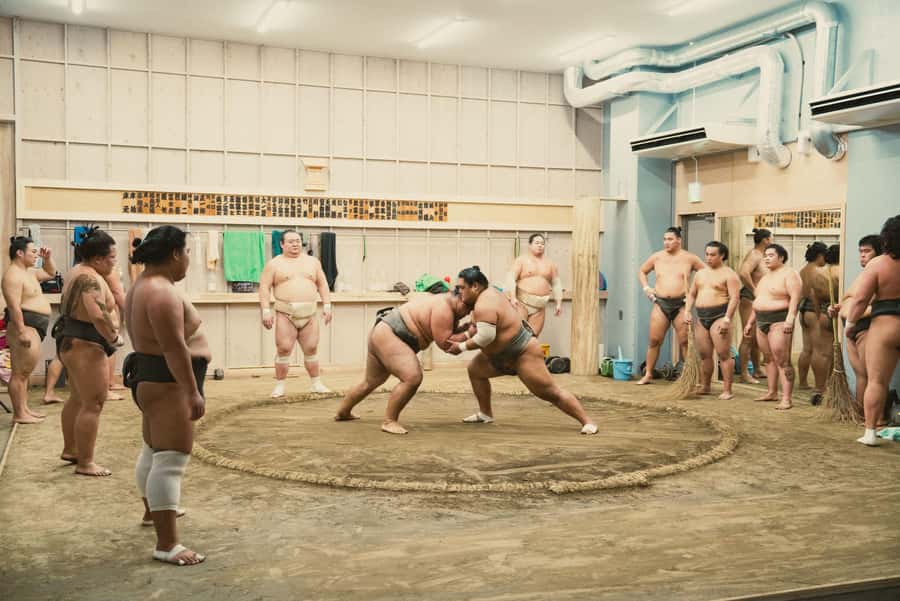
A sumo stable, called a beya, is more than a practice room. It is the wrestlers’ home, gym, dining place, and workplace. Wrestlers live together under the stablemaster, known as the oyakata, and follow a strict rank system that shapes daily life.
The stable’s lower-ranked wrestlers handle much of the housework. They run errands, help senior wrestlers, and even scrub their backs. Meals are shared, and duties are divided according to rank. Seeing practice inside this setting helps you understand that sumo is not simply a bout between two large athletes. It is a tightly ordered way of life.
This visit is especially unusual because the stable is linked to a Yokozuna, the highest rank in sumo. Only one active wrestler can hold that title at a time. The stable also has a high number of professional wrestlers, so you may see several levels of the sport working in the same room.
That does not guarantee a champion sighting. The Yokozuna may be away, resting, or handling another duty. The visit remains worthwhile for the training itself, but you should not book it on the assumption that the champion will appear.
More chances to meet a wrestler in Tokyo:
- Tokyo Ryogoku Sumo Morning Practice + Photo Shoot with Wrestlers
★ 4.5 · 277 reviews - Tokyo Sumo Morning Training/ Sumo Practice with Wrestlers
★ 5.0 · 135 reviews - Tokyo Sumo Morning Practice: Viewing & Exclusive Interaction
★ 4.9 · 74 reviews
From the meeting point to the ring
Your exact meeting place and start time depend on the date. Those details are sent after booking, so check your messages rather than heading to a general sumo area on your own. The guide carries a Japan Wonder Travel sign at the meeting point.
Once the group is together, the walk to the stable may take about seven minutes. That short walk is useful because your guide can explain the setting before you enter. On one morning, the group met at 9:45 and left at 10:00, but times vary.
Guide Yuki has provided a short introduction covering sumo’s history, rules, ranking system, and customs. Your guide may be someone else, but the tour is offered in English and includes live commentary through earbuds. That audio setup is a practical touch. You can hear an explanation without the guide speaking loudly over the training or asking the wrestlers to pause.
The stable itself is not arranged like a theater. You remove your shoes before entering. Seating may be on zabuton cushions on the floor, though folding chairs have also been used on some dates. Ask about the seating arrangement if sitting low to the ground is difficult, but do not count on chair seating.
Use the restroom before you arrive. You may not be able to leave during practice, and leaving early is not allowed. This is one of those small details that can make a big difference during a long, quiet session.
What the 75 to 105 minute practice looks like
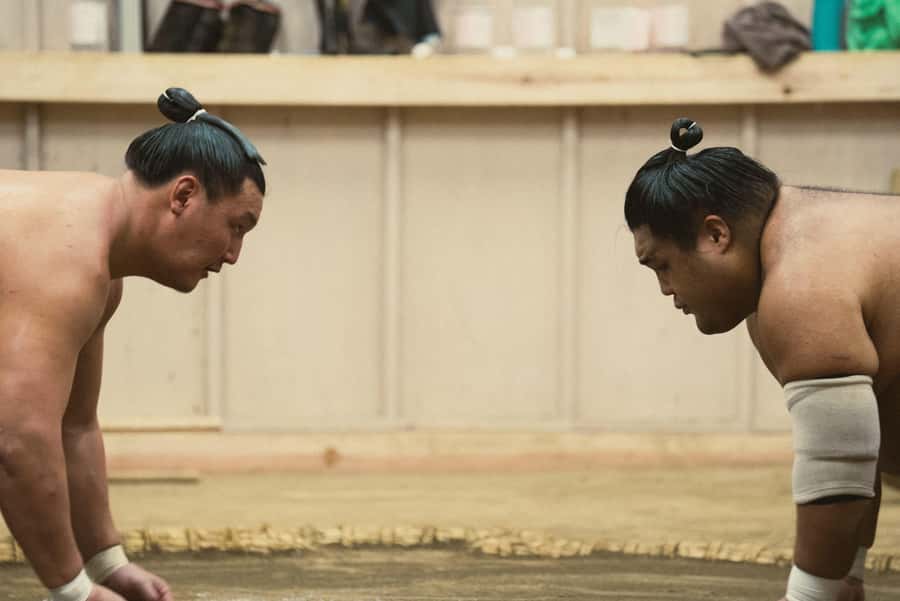
Morning practice usually begins with wrestlers preparing their bodies and repeating basic movements. You might see footwork, squats, stretching, balance work, and the wide-legged stomping motions associated with sumo. The point is not showmanship. These exercises build strength, stability, and control.
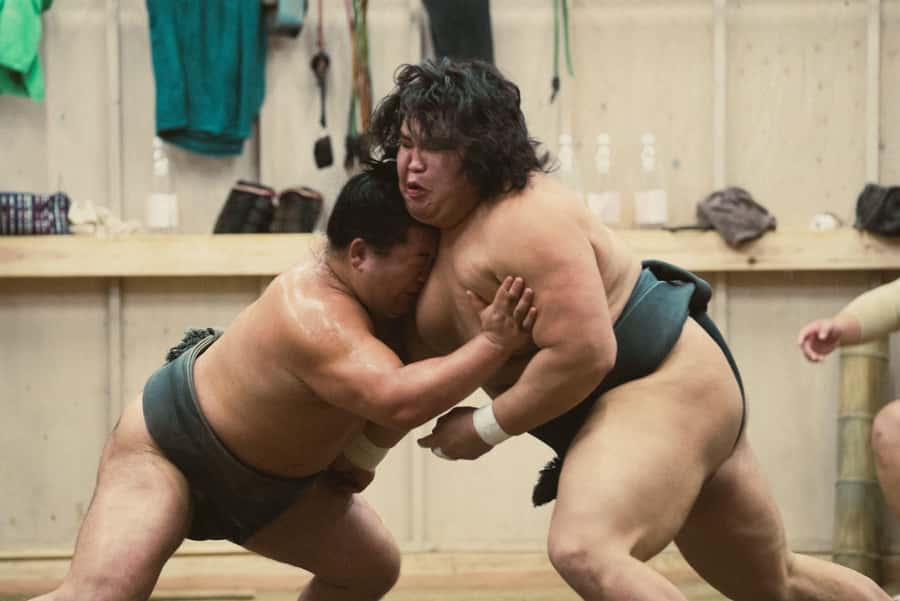
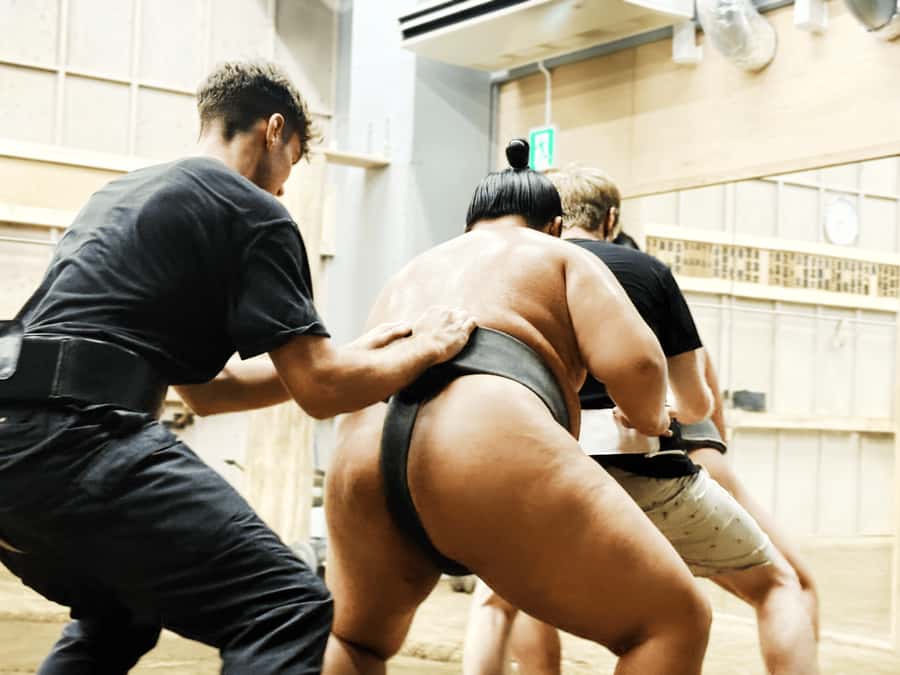
As practice develops, wrestlers work with sparring partners. They push, grip, throw, and test one another’s position. The action can be startlingly quick. Sumo wrestlers are heavy, but they also need speed and timing. A bout may last only moments, yet the effort behind it is obvious.
The stable’s senior wrestlers may train differently from the lower-ranked rikishi. Rank affects who faces whom, who waits, and who performs household duties. Your guide can help explain these relationships, along with rules about winning position and forcing an opponent out of the ring.
You are close enough to hear the impact. That is the heart of the experience, but it also means the room may feel intense. Do not expect a show with constant action. There can be pauses, individual exercises, waiting, and repeated drills. I think the slower stretches are useful because they show the discipline behind the short matches seen in tournaments.
Practice may last about 75 to 105 minutes, and the exact length depends on what is happening in the stable. A session can finish sooner or later than expected. You need to accept that uncertainty as part of entering a working training space.
Why the silence and etiquette matter
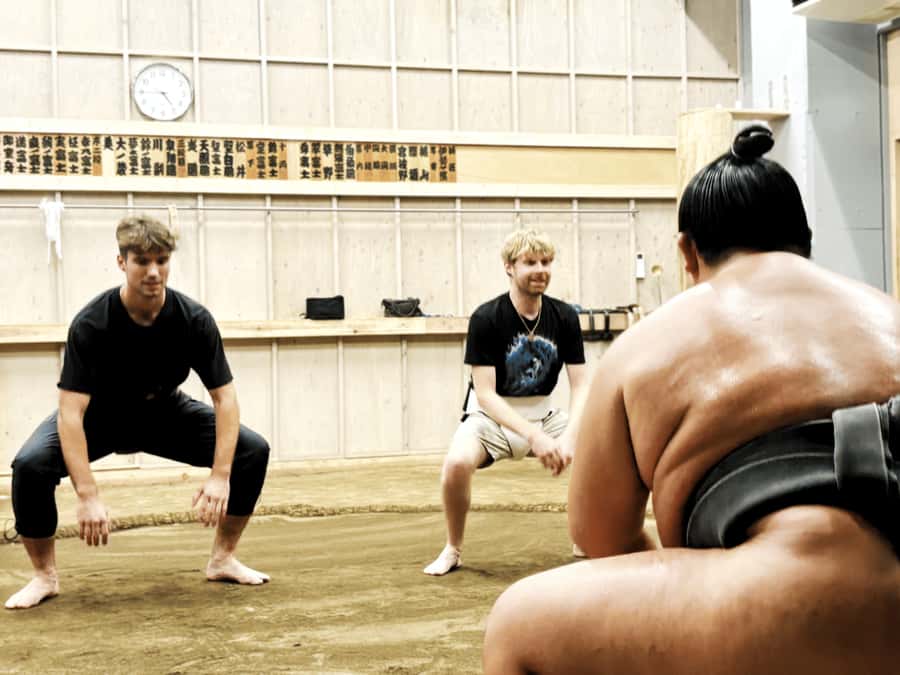
The rules are strict because you are entering the wrestlers’ home and training room. Keep your cellphone on silent, turn off camera shutter sounds, and do not speak while the wrestlers work. Flash photography and video recording are not allowed.
Do not stretch your legs toward the ring. Showing the soles of your feet to the wrestlers is considered rude, so sit with care. This can be awkward on a floor cushion, especially during a long session, but it is a simple way to show respect.
You also cannot bring food into the stable, and dietary restrictions cannot be accommodated. One account of the experience included lunch, but lunch is not listed as a standard inclusion, so do not assume a meal is part of your booking. The guaranteed elements are the guide, stable access, live commentary, and a photo opportunity when possible.
The quiet may feel severe at first. After a few minutes, it helps you pay attention to details: a wrestler’s foot placement, the sound of a slap, the stablemaster’s position, or the way a higher-ranked wrestler receives assistance. This is not a place for casual conversation or constant picture taking.
More morning practice tours in Tokyo:
- Tokyo: Sumo Morning Practice Viewing Tour
★ 4.8 · 570 reviews - Tokyo: Sumo Morning Training Visit
★ 4.4 · 370 reviews - Tokyo: Visit Sumo Morning Practice with English Guide
★ 4.7 · 343 reviews - Tokyo: Sumo Morning Practice Tour at Sumida City
★ 4.8 · 308 reviews
Photo opportunities after practice
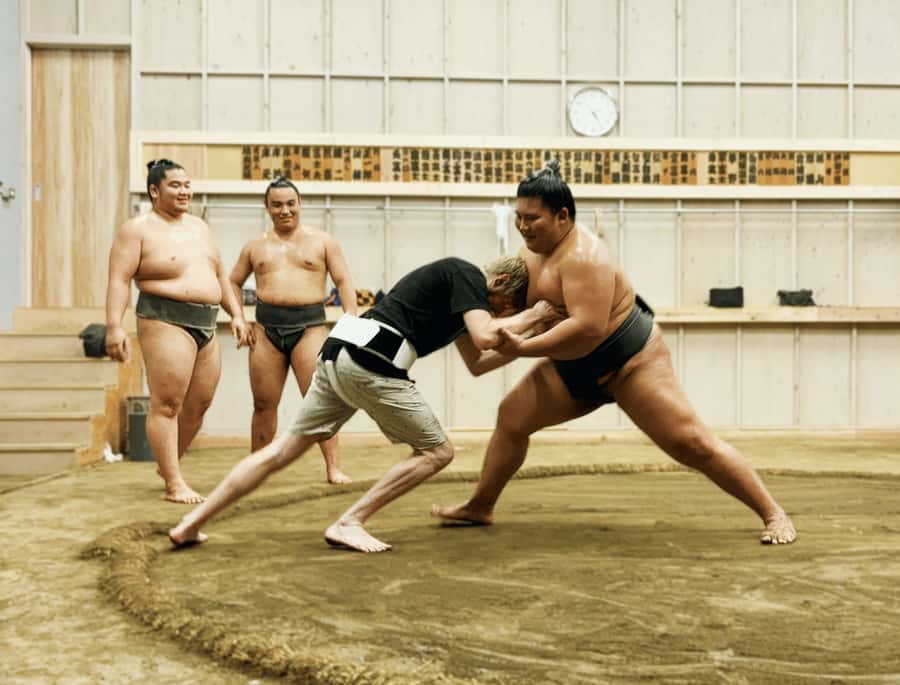
The photo session comes after training, not during it. Depending on the day and the stable’s schedule, you might pose outside with several wrestlers, or inside in front of the ring with a larger group.
One morning, four wrestlers, including Enho, were available outside. On another visit, the entire group of wrestlers appeared inside after practice. That difference tells you how flexible the ending must be. The stable’s schedule comes first.
You may also have a chance to ask questions through the guide, who can translate. That makes the final few minutes more personal than the observation period. Still, keep your expectations sensible. You are not guaranteed a long private conversation with a champion, and the Yokozuna may not be present.
If a group photo matters to you, listen carefully to the guide after practice and be ready to move when asked. The photo opportunity is included, but its location, size, and timing can change.
The $121 price and what you receive
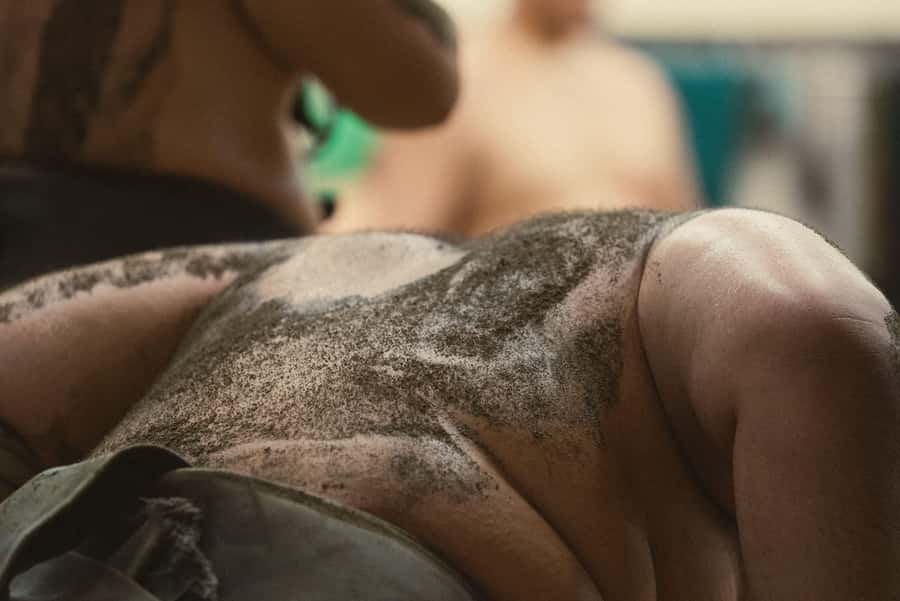
At $121 per person, this is not a budget Tokyo activity. You are paying for restricted access to a professional stable, a guide who provides context, live commentary through earbuds, and the chance to photograph wrestlers afterward.
A standard sumo tournament ticket gives you a seat in a public arena and a full day of bouts. This tour offers something different: the private routine behind the tournament. You see the training room, the hierarchy, and the physical preparation up close. For a sumo fan, that access can justify the cost.
For a casual visitor, the value depends on your interest in Japanese customs and your patience for quiet observation. If you want a fast cultural stop with lots of photo time, $121 may feel high. If you want to see an active tradition in its own workplace, the price is easier to defend.
The high rating of 4.8 from 56 ratings fits the strongest parts of the experience: the training feels genuine, the guide provides useful context, and the access is difficult to arrange independently. I would compare it with the cost of other premium Tokyo activities, but I would not compare it directly with a normal sightseeing tour. The product is access, not entertainment in the usual sense.
Who will enjoy this morning most
I would choose this tour for:
- Sumo fans who want to see practice rather than only tournament bouts
- First-time visitors who want a cultural experience outside the usual temples and shopping streets
- People who enjoy observing daily routines and strict traditions
- Photographers who can follow the no-flash and no-video rules
- Visitors comfortable sitting quietly on the floor for a long period
I would think twice if you have a cold, since the activity is not suitable for people who are ill. It is also not suitable for wheelchair users, and floor seating may be hard for anyone with knee, hip, or back problems.
Children or restless companions may find the silence difficult, though the physical action can hold attention. You should explain the rules before booking: no talking, no leaving midway, and no filming. This is a poor fit for anyone who wants a flexible morning.
The experience works best when you treat the stable as a functioning home, not a photo studio. The more carefully you observe, the more you will notice.
Practical details that can shape your morning
The tour ends back at the meeting point. The location and start time vary, so leave room in your schedule after the stated end time. Practice can run longer, and the photo session may add time.
Wear clothing that lets you sit comfortably. You will remove your shoes, so clean socks are a sensible choice. Do not bring food into the stable, and use the restroom beforehand.
A few vending machines may be outside the buildings, and wrestlers sometimes use them, but they are not part of the tour. Do not count on buying refreshments inside.
Cancellation is flexible up to 24 hours before the activity for a full refund. You can also reserve and pay later, which helps if your Tokyo plans are still shifting. The tour is conducted in English, and the guide’s explanations are delivered during the visit rather than through a long lecture alone.
Is this Tokyo sumo tour worth booking?
Book it if you want the real training room, can sit quietly, and care more about access than comfort. The close view of wrestlers practicing, the stable’s rank system, and the chance to see a Yokozuna’s home training base give the morning a strong sense of place.
Skip it if you need wheelchair access, cannot sit on the floor, dislike fixed schedules, or expect the champion to appear on cue. The Yokozuna may be absent, and the practice may include long quiet stretches.
For the right person, this is one of Tokyo’s most unusual cultural activities. You are not watching a performance built for tourists. You are being allowed to observe a demanding daily routine, provided you respect the rules and let the stable set the pace.
FAQ
Where does the tour meet?
You meet in front of the sumo stable, with the guide holding a Japan Wonder Travel board. The exact location and meeting time vary by date and are sent after booking.
How long does the activity last?
The practice may last about 75 to 105 minutes, though the total activity can be shorter or longer depending on the session. The tour ends back at the meeting point.
Will the Yokozuna be present?
The stable is where the Yokozuna trains, but you are not guaranteed to see him. His presence is only known on the morning of the experience.
Can I take photos or videos?
Photography is allowed under the stable’s rules, but flash photography and video recording are not allowed. Cellphones must be silent, including camera shutter sounds.
Do I have to stay for the whole practice?
Yes. You cannot leave the stable in the middle of practice. You must also watch silently and respectfully.
Is the tour suitable for wheelchair users or people with dietary restrictions?
The activity is not suitable for wheelchair users, and dietary restrictions cannot be accommodated. You may also need to sit on a floor cushion, so consider your mobility before booking.
Newest sumo experiences in Tokyo
- Tokyo Sumo History Tour with Chanko Nabe Lunch★ 5.0 · 3 reviews
- Tokyo Highlights Tour: Sumo, Sushi, Tea, and Tokyo Tower★ 5.0 · 2 reviews
- Tokyo: Know about Hokusai and Sumo culture in 2.5 hours★ 5.0 · 2 reviews
- TOKYO , No1 Yokozuna Stable Morning Practice in Ryogoku★ 4.5 · 3 reviews
- Tokyo 6hr Private Guided Tour & Sumo Show Lunch★ 5.0 · 3 reviews
- Tokyo Grand Sumo Tournament Viewing Tour★ 5.0 · 2 reviews
- Tokyo: Enjoy Sumo match and know about it! [Ticket included]★ 4.4 · 7 reviews
- Complete Sumo Experience in Tokyo★ 4.5 · 3 reviews
Sumo Wrestler Meet and Greet, compared.
Tokyo Ryogoku Sumo Morning Practice + Photo Shoot with Wrestlers
Read our review →
Osaka Sumo Experience with Live Show and Audience Challenge
Read our review →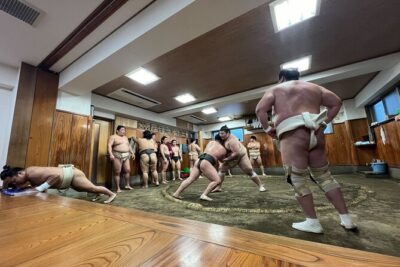
Tokyo Sumo Morning Training/ Sumo Practice with Wrestlers
Read our review →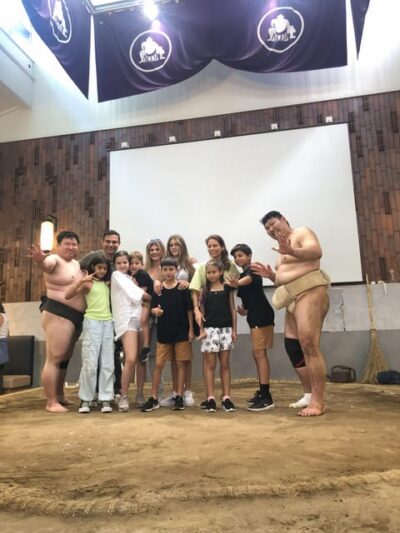
Sumo Wrestlers Morning Practice Tour – Tokyo Sumida District
Read our review →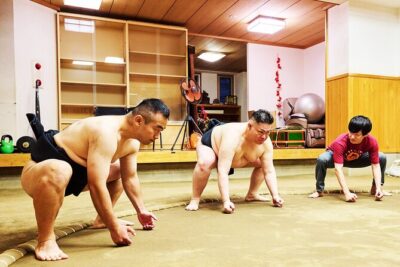
Tokyo Sumo Experience with Live Show & Audience Challenge
Read our review →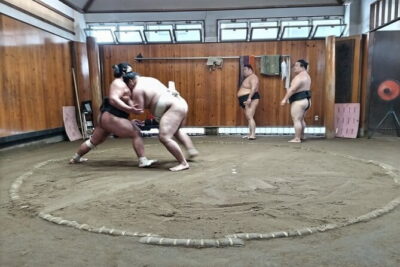
Sumo Practice Viewing Guided Tour and Photo with Sumo Wrestlers
Read our review →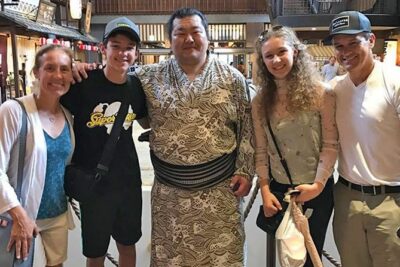
Private Ryogoku Walking Tour with Sumo Wrestler and Master Guide
Read our review →Browse the lists this tour appears in