
REVIEW · SUMO WRESTLER MEET AND GREET
Sumo Practice Viewing Guided Tour and Photo with Sumo Wrestlers
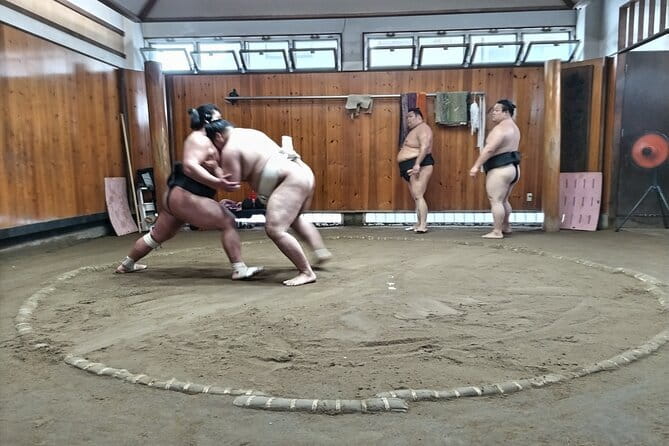
Sumo practice is not a show. At Tatsunami-beya, you sit close to the ring and watch wrestlers repeat hard, disciplined movements in the stable where they live and train. The room is quiet, shoes come off, and even whispering is forbidden.
I like the close view of real training, rather than a staged demonstration. I also like the short talk before practice and the photo afterward, which give the visit a clear shape. The main drawback is simple: if you want bouts, cheering, or lots of action, this may feel too quiet and limited.
What makes this visit worth considering
- Watch a working stable: See wrestlers train at Tatsunami-beya, not perform for an audience.
- Sit close to the ring: Practice viewing takes place on tatami flooring with a cushion, though chairs can be requested in advance.
- Learn without speaking: An audio guide supplies explanations while the room stays silent.
- Meet the wrestlers afterward: Take a commemorative photo and ask questions during the post-practice corner.
- See a sacred training space: You must follow strict rules about movement, clothing, scents, phones, and photography.
- Plan for the early start: The tour begins at 8:30 a.m. and lasts about 80 minutes to two hours.
A quiet morning inside Tatsunami-beya
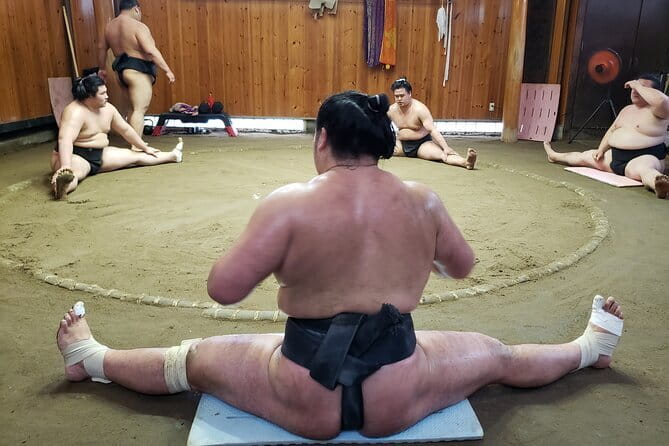
The most valuable part of this experience is also the part that may surprise you. You are not attending a sumo tournament. You are watching a morning workout inside a functioning stable, where wrestlers train for the six annual Grand Sumo Tournaments.
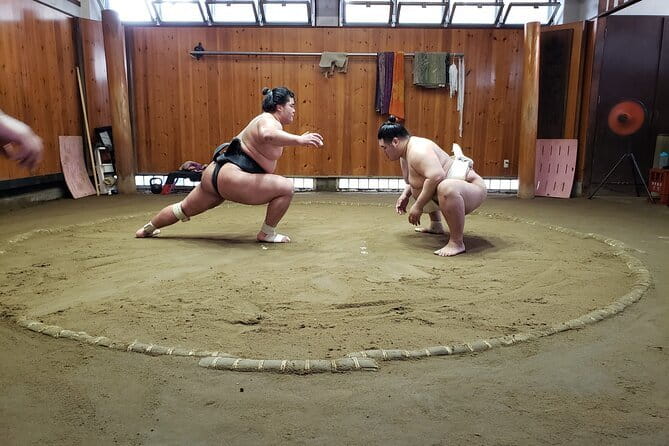
That distinction matters. Tournament sumo is noisy, formal, and easy to understand at a glance. Stable practice is repetitive. You may see six to eight wrestlers working through exercises, drills, and bouts while the room stays still around them. The power is in the effort and routine, not in a polished presentation.
Tatsunami-beya is in Taito City, at 1-chome-16-5 Hashiba. It is about a 30-minute walk from Asakusa Station, or you can use the Toei Bus East 42-Ko route or the Taito Ward Kita-Megurin loop bus. The meeting time is 8:30 a.m., so allow extra time to find the entrance and arrive calm rather than hurried.
The stable is said to house an active yokozuna, the highest rank in professional sumo. That makes the location especially appealing, but the yokozuna does not appear at every practice. Book this for the chance to see a serious training session, not for a guaranteed appearance by one particular wrestler.
More chances to meet a wrestler in Tokyo:
- Tokyo Ryogoku Sumo Morning Practice + Photo Shoot with Wrestlers
★ 4.5 · 277 reviews - Tokyo Sumo Morning Training/ Sumo Practice with Wrestlers
★ 5.0 · 135 reviews - Tokyo Sumo Morning Practice: Viewing & Exclusive Interaction
★ 4.9 · 74 reviews
The 10-minute briefing before practice
Your visit begins with a short viewing lecture from a National Government Licensed English Guide Interpreter. This is not filler. The rules inside the stable are strict because the wrestlers are training, not acting.
You receive basic information about sumo and instructions on proper behavior. The guide helps you understand why you must stay quiet, remain seated, and avoid movements that could distract the wrestlers. You also learn the practical details, such as keeping your phone silent and not using flash photography.
This introduction is especially useful if you have never watched sumo practice before. Without it, the silence and restrictions could feel puzzling. With it, you can treat the room as a sacred workplace rather than a tourist attraction.
The quality of the English explanation may vary. One visitor found the guide’s English and the audio equipment difficult to understand. That is worth keeping in mind if clear spoken commentary is important to you. The audio guide is meant to help, but the equipment may not work equally well for everyone.
Forty-five minutes of real training
The main viewing period lasts about 45 minutes, although the actual length can change. You sit on a wooden floor with tatami mats and a provided cushion. Chairs are available for anyone who has difficulty sitting on the floor, but you should request one in the booking remarks ahead of time.
During practice, talking and whispering are strictly forbidden. You cannot stand up, move around, leave midway, eat, or drink. Your phone must be silent or switched off, and flash photography is not allowed.
The audio guide lets you hear explanations from the National Government Licensed English Guide Interpreter without breaking the room’s silence. This is a smart solution to a difficult problem. You get context while the wrestlers keep their focus.
Still, you should set your expectations correctly. The activity may look like a gym workout from the audience area. You might see repeated exercises and drills rather than a sequence of full matches. That is precisely why some people find it fascinating, while others find it less engaging than expected.
I would recommend reading a little about sumo ranks, training, and tournament schedules before you go. The basic background will help you notice more. You can pay attention to how the wrestlers move, how often drills are repeated, and how the room responds without applause or commentary.
The practice time can be shorter than 45 minutes if fewer wrestlers are training that morning. It can also run longer when more wrestlers are present. The tour may end early or late as a result, and an early finish does not bring a refund.
Why the silence matters
The silence is not just a quirky tour rule. Sumo stables are training halls where wrestlers work toward the highest ranks. A sudden movement, bright flash, strong scent, or casual conversation could disrupt the session.
You must not step onto the ring or touch a wrestler without permission. When seated, keep your legs tucked in rather than pointing your feet toward the ring. Showing the soles of your feet toward the wrestlers is considered impolite.
Remove your shoes before entering and place them neatly. Take off sunglasses and hats inside. Avoid excessive perfume and strongly scented fabric softener. The stable does not allow food or drinks, and it is wise to use a restroom before entry because facilities are limited.
These rules require more effort than a normal sightseeing stop, but they also protect the character of the visit. You are being allowed into a place that is normally closed to casual public access. Respectful behavior is part of the experience, not an annoying add-on.
More morning practice tours in Tokyo:
- Tokyo: Sumo Morning Practice Viewing Tour
★ 4.8 · 570 reviews - Tokyo: Sumo Morning Training Visit
★ 4.4 · 370 reviews - Tokyo: Visit Sumo Morning Practice with English Guide
★ 4.7 · 343 reviews - Tokyo: Sumo Morning Practice Tour at Sumida City
★ 4.8 · 308 reviews
The photo and question time afterward
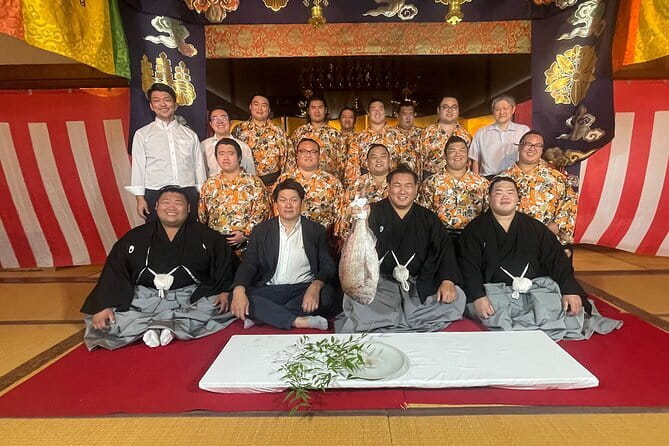
Once practice ends, the atmosphere changes. You can take a commemorative photo with the sumo wrestlers, giving the visit a personal finish after the long period of quiet observation.
You can also see personal belongings and take part in a viewing and question corner. The provided description does not promise a long conversation with each wrestler, so think of this as a brief post-practice opportunity rather than a private meeting.
The photo is included in the price, as is original JTB Sunrise Tours merchandise. Exclusive mementoes are available for purchase, though the cost of any additional items is not included. Bring patience during this part. The number of participants can affect how quickly the photo and questions move.
The tour allows up to 45 participants. That is a fairly large possible group for an intimate stable visit. Your actual sense of closeness can depend on seating and on how many people attend that morning. The wrestlers are still the focus, but this is not necessarily a small private tour.
What the $118.60 price covers
At $118.60 per person, this is not a cheap way to spend an hour. The value depends on what you want to see.
You are paying for access to a working sumo stable, a licensed English guide, the audio guide service, the practice viewing, the commemorative photo, and original merchandise. You are also paying for a carefully managed visit to a place that most visitors cannot enter on their own.
The price makes more sense if you value access and cultural context. It is less attractive if your main goal is to watch competitive bouts. For that, a tournament ticket or another sumo event would be a better match, though that is a different kind of experience.
The included photo and merchandise add some practical value, but they should not be the main reason you book. The central attraction is the practice itself. The photo works best as a small reminder of a rare morning inside a stable.
The experience has a 4.8 rating from 28 ratings, with 96 percent recommending it. Those figures suggest strong appeal, but the lower-scoring feedback points to the key question: are you comfortable watching a quiet workout with limited movement and no conversation?
Who will enjoy this sumo visit

I would choose this tour if you want an authentic look at how wrestlers train and you can follow strict etiquette without complaint. It suits visitors who enjoy observing process, routine, and discipline rather than needing constant narration or action.
It is also a good choice for a first introduction to sumo. The guide explains the basics, the audio service adds context, and the photo gives you a memorable ending. You do not need to know the rules in advance, though a little preparation will make the practice easier to follow.
You may want to skip it if you dislike sitting on the floor, cannot remain quiet for an extended period, need to leave freely, or expect a full tournament atmosphere. The viewing area does provide chairs for those who have difficulty sitting on the floor, but other restrictions still apply.
Children aged 0 to 3 cannot join. Anyone under 18 needs written parental permission. Participants under 15, or anyone not yet enrolled in middle school, must be accompanied by a parent or guardian.
Large luggage and strollers are not allowed. Plan to arrive with only what you need for the morning.
Getting there and planning the morning
The entrance is near public transport, but the walk from Asakusa Station takes about 30 minutes. That walk may be pleasant for some people, but do not treat it as a quick station transfer. A bus is the better option if you are concerned about arriving late or sitting comfortably after a full day of sightseeing.
The tour starts at 8:30 a.m. and returns to the same meeting point. The listed duration is about one hour and 20 minutes to two hours. The variation comes from the practice length and the number of wrestlers training.
Because you cannot leave midway, use a restroom before entering. Wear clothing that is comfortable for sitting on the floor, and avoid strong fragrances. Keep your phone out of sight and do not count on taking many pictures during practice.
The provider offers free cancellation if you cancel at least 24 hours before the local start time. Changes or cancellations inside that 24-hour window are not accepted for a refund. Confirmation is issued within 48 hours of booking, subject to availability.
The honest verdict on the experience
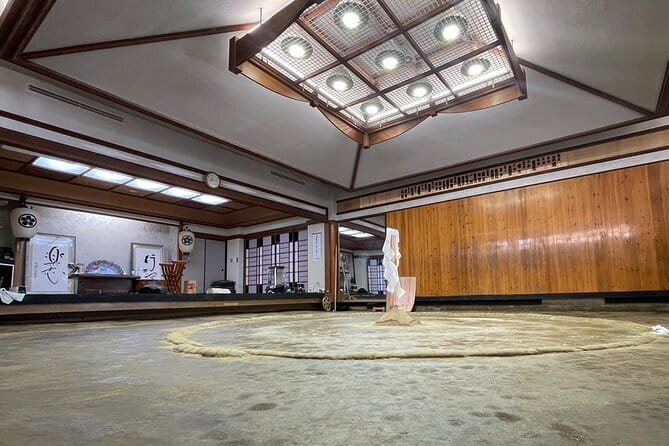
The strongest part of this tour is its access. You are not watching sumo through a television screen or from the distant seats of a stadium. You are close to the practice area, watching wrestlers repeat demanding work in the place where they train each day.
The weakest part is also clear. The visit is quiet, controlled, and sometimes repetitive. The yokozuna may not appear. The English explanation and audio equipment may not be perfect. Practice can be shorter than expected, with no refund for the reduced time.
I like that the tour does not pretend practice is a performance. That honesty makes it more worthwhile for the right person. You will get the most from it if you treat the silence as part of the lesson and pay attention to the physical work in front of you.
Should you book Tatsunami-beya?
Book this experience if you want a close look at genuine sumo training, appreciate strict Japanese etiquette, and can sit quietly while the wrestlers work. The guide, audio service, photo, and merchandise make the visit easier for a first-time observer.
Do not book it expecting dramatic tournament bouts or a lively cultural show. If watching six to eight wrestlers perform exercises in silence sounds dull, the tour will probably disappoint you. If it sounds like a rare chance to see the daily discipline behind professional sumo, the $118.60 cost is easier to justify.
FAQ
Where does the sumo practice tour meet?
The meeting point is Tatsunami-beya Sumo Stable at 1-chome-16-5 Hashiba, Taito City, Tokyo 111-0023, Japan. The tour ends at the same location.
What time does the tour start?
The tour starts at 8:30 a.m.
How long does the experience last?
The estimated duration is between one hour and 20 minutes and two hours. Practice viewing may be shorter or longer depending on how many wrestlers are training.
Is an English guide included?
Yes. A National Government Licensed English Guide Interpreter is included, along with an audio guide service used during the silent practice viewing.
Can I talk during the sumo practice?
No. Talking and whispering are strictly prohibited during practice. You must also stay seated, avoid moving around, and keep your phone silent or turned off.
Can I take a photo with a sumo wrestler?
Yes. A commemorative photo with the wrestlers is included after practice. Flash photography is not allowed during the viewing.
Are children allowed to join?
Children aged 0 to 3 cannot join. Anyone under 18 needs written parental permission, and anyone under 15 or not yet enrolled in middle school must attend with a parent or guardian.
More photo experiences in Tokyo
- Tokyo: Sumo Show Experience with Chicken Hot Pot and a Photo
★ 4.8 · 6,678 reviews - Tokyo Shinjuku Sumo Show & Experience with Photo
★ 5.0 · 1,750 reviews - Tokyo Sumo Entertainment Show with Chicken Hot Pot and Photo
★ 5.0 · 1,205 reviews - Tokyo: Exclusive Access to Sumo Morning Practice with Photos
★ 4.8 · 107 reviews
Newest sumo experiences in Tokyo
- Tokyo Sumo History Tour with Chanko Nabe Lunch★ 5.0 · 3 reviews
- Tokyo Highlights Tour: Sumo, Sushi, Tea, and Tokyo Tower★ 5.0 · 2 reviews
- Tokyo: Know about Hokusai and Sumo culture in 2.5 hours★ 5.0 · 2 reviews
- TOKYO , No1 Yokozuna Stable Morning Practice in Ryogoku★ 4.5 · 3 reviews
- Tokyo 6hr Private Guided Tour & Sumo Show Lunch★ 5.0 · 3 reviews
- Tokyo Grand Sumo Tournament Viewing Tour★ 5.0 · 2 reviews
- Tokyo: Enjoy Sumo match and know about it! [Ticket included]★ 4.4 · 7 reviews
- Private Ryogoku Walking Tour with Sumo Wrestler and Master Guide★ 4.5 · 7 reviews
Sumo Wrestler Meet and Greet, compared.
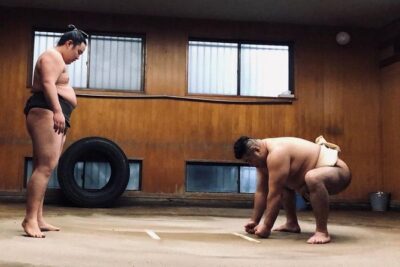
Tokyo Ryogoku Sumo Morning Practice + Photo Shoot with Wrestlers
Read our review →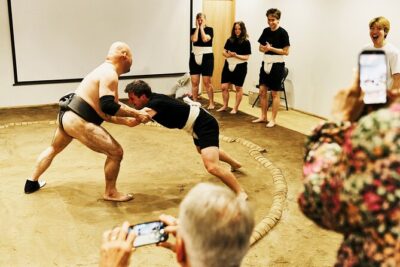
Osaka Sumo Experience with Live Show and Audience Challenge
Read our review →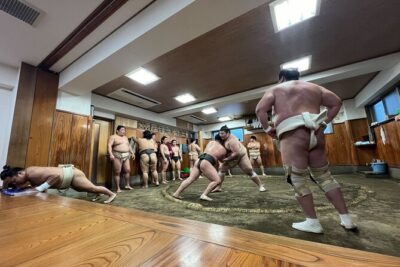
Tokyo Sumo Morning Training/ Sumo Practice with Wrestlers
Read our review →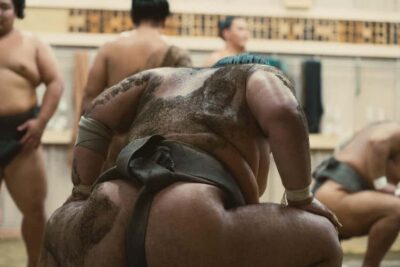
Tokyo Sumo Morning Practice: Witness the Life of a Wrestler
Read our review →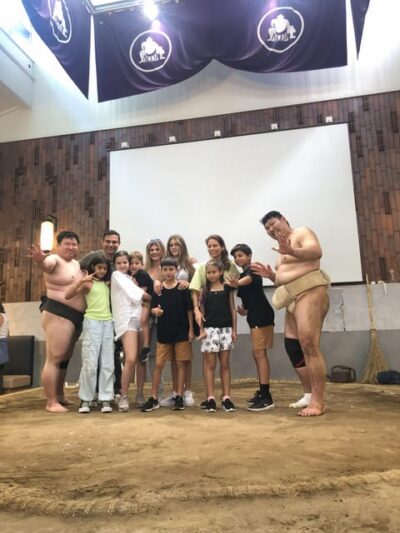
Sumo Wrestlers Morning Practice Tour – Tokyo Sumida District
Read our review →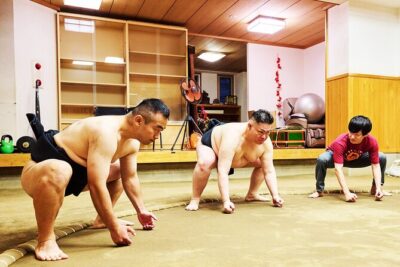
Tokyo Sumo Experience with Live Show & Audience Challenge
Read our review →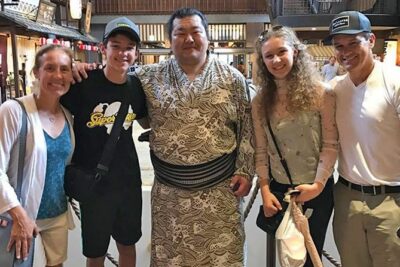
Private Ryogoku Walking Tour with Sumo Wrestler and Master Guide
Read our review →Browse the lists this tour appears in