
REVIEW · RYOGOKU SUMO TOURS
TOKYO , No1 Yokozuna Stable Morning Practice in Ryogoku
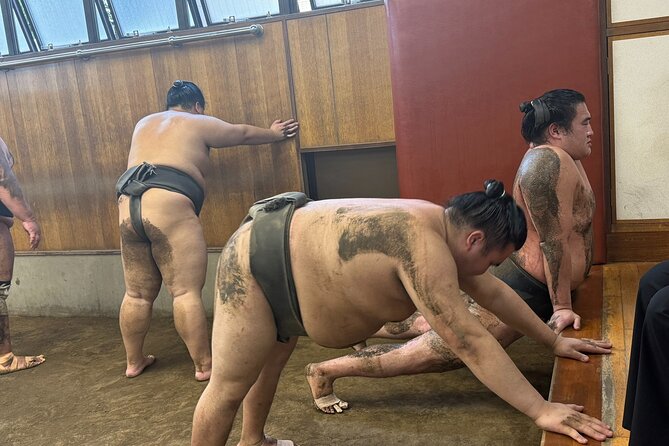
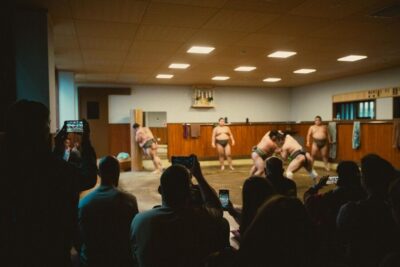
The rare part comes first: you sit quietly inside a real sumo stable while wrestlers train only a few feet away. The stable is led by a former Yokozuna, one of the sport’s Grand Champions. In more than 1,500 years of sumo, only 72 men have reached that rank.
I like the close view of training, and I like the way the morning continues through Ryogoku, the spiritual and sporting home of sumo. Guides such as Ryoko and Rothko add history and local context rather than simply pointing out buildings.
The main drawback is the early start and the strict need for quiet behavior. The museum stop may be brief, the Hokusai Museum costs extra, and the exact order or length of the walking portion can depend on time.
Key points before you book
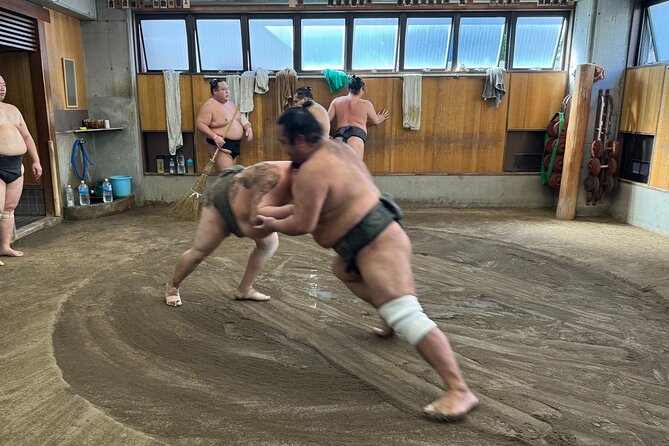
- Watch wrestlers from just a few feet away: The training takes place inside an active sumo stable, not in a staged visitor center.
- Meet at 7:45 a.m. at JR Ryogoku Station: Arrive early, since the group leaves promptly for the stable.
- Visit a stable led by a former Yokozuna: This gives the morning unusual status and a direct link to sumo’s highest rank.
- Keep your voice low and follow stable rules: Sumo practice follows Shinto customs, and this is a working religious and athletic setting.
- Walk through sumo landmarks afterward: Nominosukune Shrine, Kokugikan, the Sumo Museum, and Ryogoku Edo Noren add useful context.
- Expect a small group of no more than 14 people: That matters when you are trying to see the training space clearly.
Why this sumo morning feels different
Many Tokyo sumo experiences center on a tournament, a museum display, or a demonstration arranged for tourists. This one begins inside a working stable during its morning practice. You are watching athletes repeat the basic movements, drills, and rituals that support professional sumo.
The setting matters. Sumo training is tied to Shinto tradition, so the stable is not just a gym. It is a disciplined household and a religiously rooted workplace. You need to behave more like a respectful observer than an audience member. Quiet is part of the experience.
The view is unusually close. One visitor described the wrestlers as being only a couple of feet away, which gives you a sense of scale that a tournament seat cannot always provide. You may also have a chance to take photographs with a wrestler, but that is presented as a possibility, not a promise. Bring your camera, but do not plan the visit around a photo.
The stable is led by a Yokozuna, the highest rank in sumo. Only 72 Yokozuna have appeared in the sport’s long history, so that detail gives the morning extra weight. You are not simply watching a generic practice session. You are seeing the training culture of a stable connected to one of sumo’s rarest honors.
More Ryogoku sumo tours in Tokyo:
- Tokyo: Sumo Morning Practice Tour at Sumida City
★ 4.8 · 308 reviews - Tokyo Ryogoku Sumo Morning Practice + Photo Shoot with Wrestlers
★ 4.5 · 277 reviews - Sumo Wrestlers Morning Practice Tour – Tokyo Sumida District
★ 5.0 · 54 reviews
Starting at Ryogoku Station at 7:45 a.m.
You meet your guide in front of the 7-Eleven after leaving the West Exit of JR Ryogoku Station. The meeting point is specific, but the early hour still calls for care. Tokyo’s rail network is easy to use once you know your route, yet a late arrival could mean missing the group’s walk to the stable.
The opening introduction is brief and focused on sumo. That is useful because it gives you a frame for what you are about to see without using up the best part of the morning. Guides including Ryoko and Rothko have been praised for adding context and explaining the cultural side of the sport.
The group is capped at 14 people. That is a sensible size for a stable visit. A much larger group could crowd the room or make it hard for people at the back to see. Even with 14, you should expect to share the viewing area and accept that your exact sightline may depend on where you are seated or standing.
Wear something comfortable and plan for a quiet morning. The tour lasts about two and a half hours, but much of the schedule is tied to the stable’s practice. This is not the time to expect a flexible start or a leisurely breakfast before the main event.
Inside a Yokozuna-led sumo stable
The practice session lasts about 90 minutes. That is the heart of the experience, and it is where the $110 price earns much of its value. Your stable admission is included, along with a small gift from the stable. Transportation, food, drinks, and the Hokusai Museum ticket are separate.
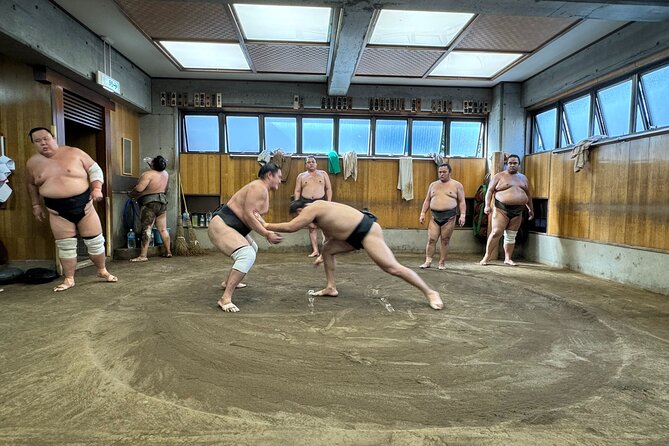
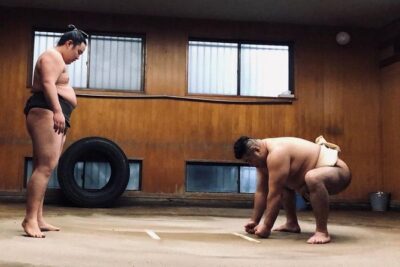
The wrestlers train close to the viewing area, letting you see the physical effort at short range. Sumo can look slow and ceremonial from a distance, but the close view helps you notice the force behind each movement. You can watch bodies, footwork, balance, and concentration without the noise of a tournament crowd taking over.
You will need to watch quietly and respectfully. Do not expect a guide to narrate every moment or for the wrestlers to pause and explain what they are doing. The point is to observe a real practice session on its own terms.
This is also why the experience may not suit every visitor. If you want constant entertainment, lots of photographs, or a hands-on activity, the stable can feel restrained. If you enjoy watching a serious daily routine and learning through observation, the quiet rules make the visit more meaningful.
One useful detail from the feedback is that guides may provide printed material to explain the training. A laminated guide sheet was seen being passed around during one visit, and the operator clarified that guides are expected to share commentary and materials. Still, the amount of explanation may vary with the stable’s rules and the practice itself.
Nominosukune Shrine and the religious side of sumo
After practice, the walking portion takes you to Nominosukune Shrine. It is dedicated to the deity of sumo, making it an important stop for understanding how the sport connects to Japanese religious tradition.
The shrine grounds include stone monuments honoring past Yokozuna. These monuments give you a physical record of the sport’s highest achievers, and they are easier to appreciate after seeing modern wrestlers train. The tour also points out the tradition that newly promoted Yokozuna perform their first ring-entering ceremony at this shrine.
The visit lasts about 10 minutes, so expect a focused stop rather than a long shrine tour. That short length works well in a morning schedule, but you may want extra time later if you enjoy reading inscriptions or photographing details.
This is one of the best parts of the walking route because it connects the stable’s customs with a particular place. You are not just hearing that sumo has a sacred side. You are standing at a shrine built around that idea.
More stable visits in Tokyo:
- Tokyo Sumo Morning Practice Tour at Stable
★ 5.0 · 298 reviews - Watch Sumo Morning Practice at Stable in Tokyo
★ 4.0 · 268 reviews - Tokyo: Sumo Morning Practice Viewing Tour at a Real Stable
★ 5.0 · 73 reviews - Tokyo: Sumo Morning Practice Viewing Tour at a Real Stable
★ 4.9 · 32 reviews
Passing Ryogoku Kokugikan and the Sumo Museum
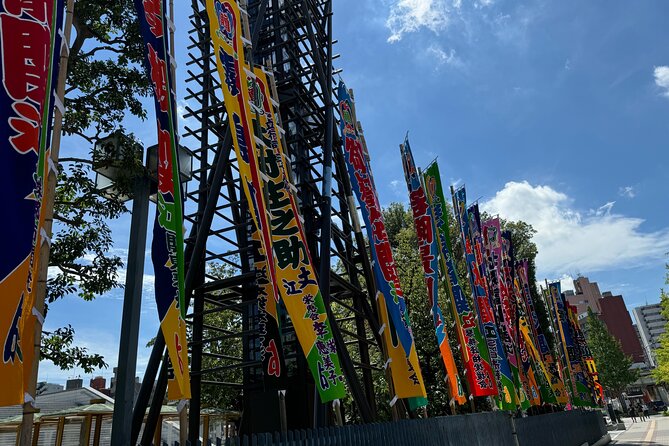
Ryogoku Kokugikan is Tokyo’s main sumo arena, and the route passes by this famous building. Grand Sumo Tournaments are held there three times a year. Even when no tournament is taking place, the venue gives Ryogoku its strongest public link to professional sumo.
Do not expect a tournament ticket as part of this morning. The value here is the setting and the explanation. After watching practice at a stable, seeing the arena helps you connect daily training with the formal competition that draws national attention.
The Sumo Museum may also be included if time allows. The stop is listed at about 10 minutes, and the museum can be closed on weekends and holidays. That makes this part less certain than the stable visit and shrine stop.
If it is open, admission is free. The museum offers another way to see sumo through objects and displays rather than live practice. Because the tour is time-limited, you should treat it as a useful bonus, not the main reason to book.
The Sumida Hokusai Museum adds an art break
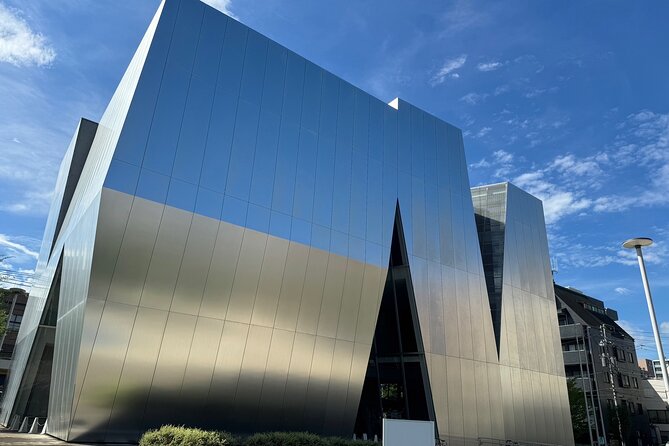
The Sumida Hokusai Museum brings a different subject into the morning. Katsushika Hokusai was born in what is now the Kamezawa area of Sumida Ward in 1760 and spent almost all of his roughly 90 years in the ward. That local connection makes the museum a natural addition to a Ryogoku walk.
The planned stop is brief, about five minutes in the schedule, so the experience may amount to seeing the museum and its place in the neighborhood rather than taking a full tour of the galleries. Admission is not included and is listed as ¥400.
That extra cost is modest, but the limited time matters. If you are eager to study Hokusai’s prints, you will likely want to return separately. If you mainly want a quick introduction to the artist’s link with eastern Tokyo, the stop gives the walk more range.
I like this contrast. The morning begins with living athletic tradition and then shifts to Edo-period art. You see that Ryogoku is not only about sumo, even though sumo is the reason the district is famous.
Edo-style food at Ryogoku Edo Noren
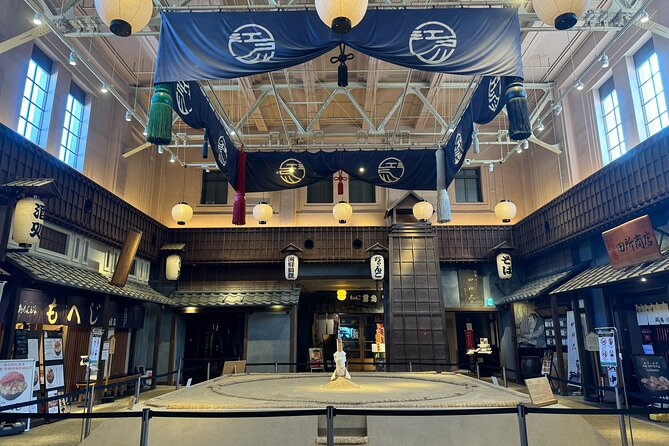
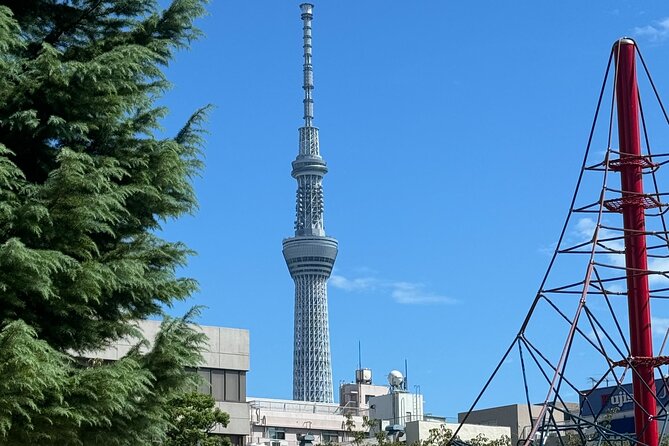
The final stop is Ryogoku Edo Noren, located in the old Ryogoku Station building. Its open-ceiling interior is designed to recall an Edo-period town, and it offers several food choices in one place.
Food and drinks are not included, so budget separately if you want to eat here. The schedule allows about 10 minutes, which sounds more like a quick look or a chance to choose something than a full sit-down meal. The tour ends back at the meeting point, so you can return afterward for lunch at your own pace.
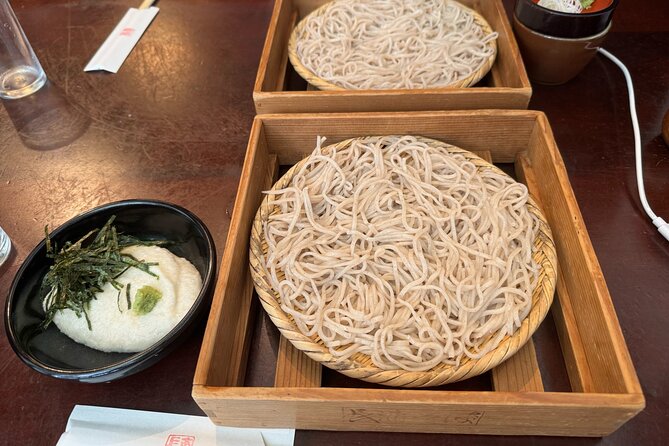
This stop is practical because the stable visit begins early. By the end of the walk, you may be ready for something substantial. The selection also gives you a chance to sample Edo-style food in a setting tied to the neighborhood rather than ending at a generic chain near the station.
Is $110 a fair price for the morning?
At $110 per person, this is not a budget walking tour. The price includes admission to the sumo stable and a small stable gift, but not transportation, lunch, beverages, the ¥400 Hokusai Museum admission, or tips.
I think the value depends on how you rate access. The stable visit is the difficult part to arrange on your own, and it is the reason to consider paying for this experience. You are also getting a guide, a small group, and a walking route that explains several nearby sumo sites.
The value is weaker if you mainly want to see the Sumo Museum or Kokugikan from the outside. Those stops are short, and the museum may be closed. You would not need to book a $110 activity simply to walk around Ryogoku.
For someone who wants a respectful look at professional sumo training, the price is easier to justify. The opportunity to watch wrestlers from such a close distance, in a stable led by a former Yokozuna, is the part that makes this more than a standard neighborhood walk.
Who will enjoy this experience most?
I would recommend it to first-time visitors who want sumo explained through both practice and place. It also suits repeat visitors who have already seen Tokyo’s main sights and want a morning centered on local tradition.
You should be comfortable with an early start, a quiet viewing period, and a schedule that may adjust around the stable. Families and most general visitors can participate, but the experience is not built around active games or entertainment for children.
Art lovers may enjoy the Hokusai stop, though it is too short for serious museum study. Food-focused visitors will appreciate the final stop, but lunch is not part of the price. The tour works best for someone who wants several connected subjects in one compact morning: sumo, Shinto tradition, Edo art, and local food.
The guides make a real difference. Ryoko has been described as a delightful host who provides historical context along the route, while Rothko has been praised for making the experience more culturally useful. Guide assignments can change, so treat those names as examples rather than a guarantee.
Practical details that can affect your decision
The meeting point is at 1-chome-3-20 Yokoami, Sumida City, in front of the 7-Eleven outside JR Ryogoku Station’s West Exit. The start time is 7:45 a.m., and punctuality matters because the group heads to the stable after the introduction.
The activity lasts about two hours and 30 minutes and ends back at the meeting point. Public transportation is nearby, and most people can participate.
Confirmation is sent within 48 hours of booking, subject to availability. The group size is limited to 14 people. Free cancellation is available up to 24 hours before the start time. Cancellations or changes made later are not accepted for a refund, and a minimum group size is required for the activity to run.
Should you book this Ryogoku sumo tour?
Book it if your priority is seeing real sumo practice from close range and understanding the customs around it. The stable visit is rare, the former Yokozuna connection adds weight, and the rest of the morning gives you a sensible introduction to Ryogoku.
Skip it if you dislike early starts, quiet observation, or fixed schedules. You should also look elsewhere if your main goal is a long museum visit, a tournament match, or a full meal included in the price.
For most visitors, I would treat the stable as the deciding factor. The shrine, arena, Hokusai Museum, and Edo-style food hall make the morning fuller, but the close view of training is what sets this experience apart.
FAQ
What time and where does the tour meet?
Meet at 7:45 a.m. in front of the 7-Eleven after exiting the West Exit of JR Ryogoku Station, at 1-chome-3-20 Yokoami, Sumida City, Tokyo.
How long does the experience last?
The experience lasts approximately two hours and 30 minutes. It ends back at the meeting point.
How long is the sumo practice viewing?
The sumo stable visit lasts about one hour and 30 minutes.
Is the sumo stable admission included?
Yes. The stable admission fee is included, along with a small gift from the sumo stable.
Can I take photos with the wrestlers?
You may have the chance to take photos with a wrestler, but this is not guaranteed. You must watch the practice quietly and respectfully.
Is the Hokusai Museum ticket included?
No. Museum admission is not included and is listed as ¥400. The museum stop is planned for about five minutes.
How many people can join the tour?
The tour has a maximum of 14 participants.
Can I cancel for a full refund?
Yes, if you cancel at least 24 hours before the experience start time. Cancellations or changes made less than 24 hours before the start are not accepted for a refund.
More morning practice tours in Tokyo
- Tokyo: Sumo Morning Practice Viewing Tour
★ 4.8 · 570 reviews - Tokyo: Sumo Morning Training Visit
★ 4.4 · 370 reviews - Tokyo: Visit Sumo Morning Practice with English Guide
★ 4.7 · 343 reviews - Tokyo: Morning Sumo Practice Viewing
★ 4.8 · 136 reviews
More chances to meet a wrestler in Tokyo
- Tokyo Sumo Morning Training/ Sumo Practice with Wrestlers
★ 5.0 · 135 reviews - Tokyo Sumo Morning Practice: Viewing & Exclusive Interaction
★ 4.9 · 74 reviews - Tokyo Sumo Morning Practice: Viewing & Exclusive Interaction
★ 4.5 · 59 reviews - Tokyo Sumo Morning Practice: Witness the Life of a Wrestler
★ 4.8 · 56 reviews
Newest sumo experiences in Tokyo
- Tokyo Highlights Tour: Sumo, Sushi, Tea, and Tokyo Tower★ 5.0 · 2 reviews
- Tokyo: Know about Hokusai and Sumo culture in 2.5 hours★ 5.0 · 2 reviews
- Tokyo 6hr Private Guided Tour & Sumo Show Lunch★ 5.0 · 3 reviews
- Tokyo Grand Sumo Tournament Viewing Tour★ 5.0 · 2 reviews
- Tokyo Sumo History Tour with Chanko Nabe Lunch★ 5.0 · 3 reviews
- The SUMO Show & Experience with Hot pot lunch★ 5.0 · 4 reviews
- Tokyo: Sumo Keiko Training Tour with Audio Guide & Photo★ 4.8 · 5 reviews
- Tokyo: Watching Sumo and Ryogoku Area Walking Tour★ 4.0 · 5 reviews
Ryogoku Sumo Tours, compared.
Tokyo Ryogoku Sumo Morning Practice + Photo Shoot with Wrestlers
Read our review →
Sumo Wrestlers Morning Practice Tour – Tokyo Sumida District
Read our review →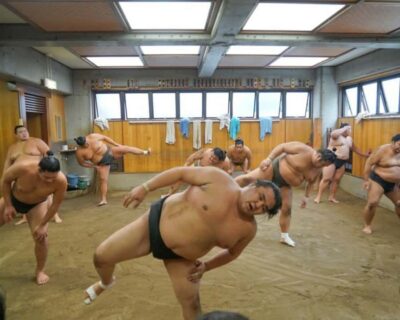
Sumo Morning Practice Tour in Ryogoku and Photo Shoot
Read our review →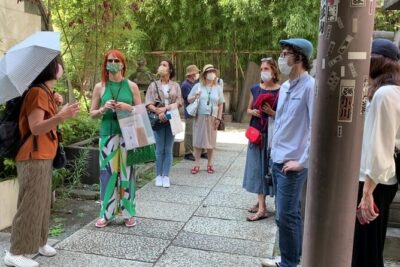
Tokyo Sumo Culture Tour with Chanko-Nabe Lunch in Ryogoku
Read our review →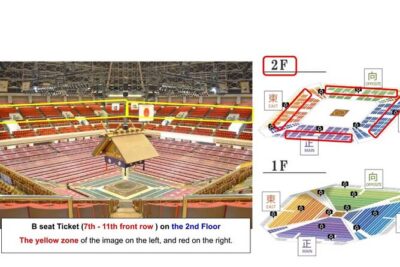
Seat B Ticket Tokyo Sumo Wrestling Tournament in Ryogoku
Read our review →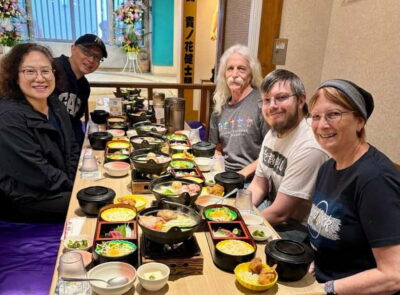
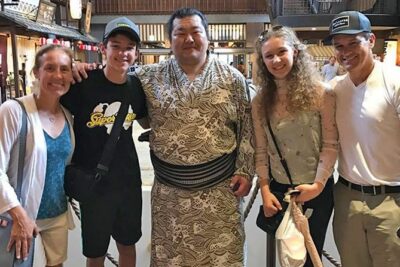
Private Ryogoku Walking Tour with Sumo Wrestler and Master Guide
Read our review →Browse the lists this tour appears in