
REVIEW · RYOGOKU SUMO TOURS
Tokyo Sumo Culture Tour with Chanko-Nabe Lunch in Ryogoku
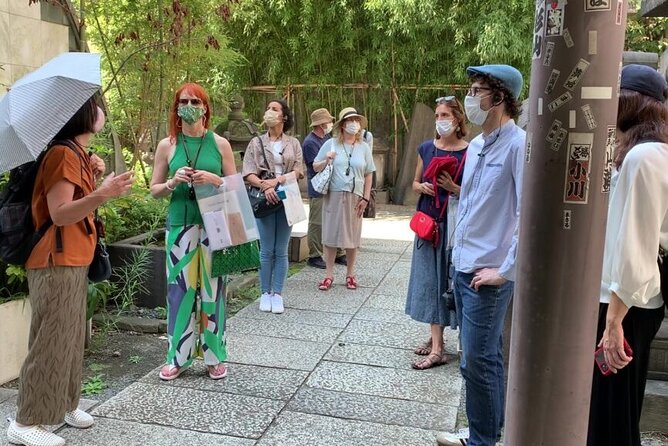
Ryogoku is more than the place where Tokyo holds its grand sumo tournaments. It is a working neighborhood shaped by stables, shrines, old tournament grounds, wrestler-sized bicycles, and the food that helps wrestlers build their huge frames. This small-group walking tour puts those pieces together before lunch.
I like the maximum of eight people, which gives the guide room to answer questions, and I like the route’s focus on sumo culture rather than only taking you to the arena entrance. The main drawback is important: you will not watch a match or practice, and Sunday visits can be especially limited when training facilities are closed.
Key points
- Maximum of eight people: A small group makes it easier to hear stories and ask about rules, rituals, and wrestler life.
- Seven Ryogoku stops: The route links sumo stables, Nominosukune Shrine, the Kokugikan, temples, and an Edo-style sumo ring.
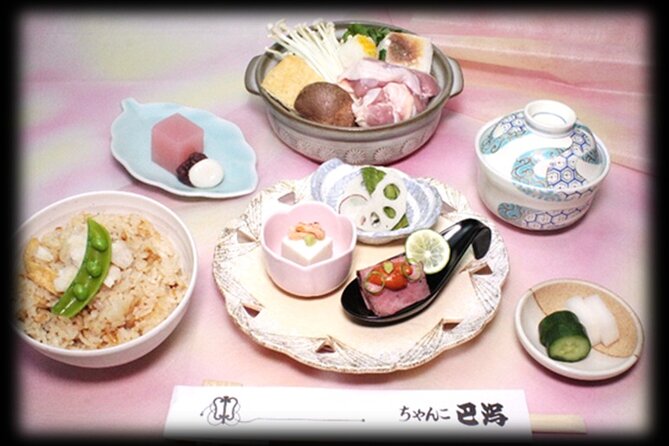
- Chanko-nabe lunch included: The tour ends with a one-hour meal at Tomoegata Chanko.
- Guides add personality: Jeff, Taka, and Aki-san have led tours, with praise for their warmth and clear explanations.
- No sumo tickets included: You see the major venues from outside and learn their background, but actual bouts and practice are excluded.
- Morning timing matters: The tour starts at 9:30 a.m., runs about three and a half hours, and ends at the lunch restaurant.
Why Ryogoku is the right place to learn sumo
If your idea of sumo begins and ends with two wrestlers slapping their thighs before a match, Ryogoku gives you a much wider picture. This is Tokyo’s sumo quarter, home to the Ryogoku Kokugikan and several sumo stables where wrestlers live and train.
The neighborhood also shows how old customs remain part of present-day Tokyo. A shrine honors the legendary founder of sumo. A temple marks an earlier tournament site. An old-style sumo ring offers a close look at the space where ceremonies and contests unfold.
I like this approach because sumo makes more sense when you see the places around it. The rules, rankings, rituals, diets, and social customs are easier to remember when your guide ties them to actual buildings and streets.
The walk lasts about three and a half hours. That is long enough to create a proper picture of the district without taking up an entire day in Tokyo. It is also a walking tour, so you should be ready to move between several stops during the morning.
More chanko nabe experiences in Tokyo:
- Tokyo: Sumo Show Experience with Chicken Hot Pot and a Photo
★ 4.8 · 6,678 reviews - Tokyo Sumo Entertainment Show with Chicken Hot Pot and Photo
★ 5.0 · 1,205 reviews - Tokyo Sumo Experience: Chanko & Mochi with a Former Pro
★ 4.8 · 567 reviews
A small group with room for questions
The group is capped at eight people. That matters more here than it might on a standard city walk. Sumo has its own vocabulary and layers of custom, from the ranking system to the role of the stable and the meaning of the ring ceremony.
A guide can adjust the pace and explain a point when you need it repeated. Past guides have included Jeff, Taka, and Aki-san. Jeff has been especially praised for being friendly, informative, and fun, while Taka brought strong guidance but had to work within a tight schedule. Aki-san has explained the customs and culture of sumo in a way that helped connect the sights.
Guide quality can vary from one departure to another, but the small format gives each guide a fair chance to make the walk personal. If you are curious about why wrestlers live together, how the sport developed, or how tournaments were held in earlier periods, this is a better setup than simply reading display panels at the arena.
Hakkaku-beya and the reality of a sumo stable
The first stop is Hakkaku-beya, a well-known sumo stable. You look at the building from outside, where wrestlers live and train.
Set your expectations correctly. This is not an open practice session or a tour inside the stable. The value comes from understanding what a stable is and why it matters. Sumo wrestlers do not train as isolated athletes in ordinary gyms. The stable is central to their daily life, instruction, and place within the sport.
Fifteen minutes is enough for an introduction without making this a long photo stop. Your guide can provide the context that a street view alone cannot. You may find this stop less satisfying if your main goal is to see wrestlers training, since no actual practice is included.
Nominosukune Shrine and 1,500 years of sumo tradition
At Nominosukune Shrine, the focus shifts from modern sumo to its legendary beginnings. The shrine honors Nominosukune, regarded here as the founder of sumo.
Your guide explains how the sport began about 1,500 years ago and how its rules changed over time. This gives you a useful framework for the rest of the morning. Sumo is not simply a strength contest. Its present form grew through changing rules, formal rituals, and long-standing customs.
The stop lasts about 30 minutes. That is enough time to see the shrine and hear the story without turning the tour into a long religious-site visit. If you want to understand why ceremony matters so much in sumo, this is one of the most useful stops.
More Ryogoku sumo tours in Tokyo:
- Tokyo: Sumo Morning Practice Tour at Sumida City
★ 4.8 · 308 reviews - Tokyo Ryogoku Sumo Morning Practice + Photo Shoot with Wrestlers
★ 4.5 · 277 reviews - Sumo Wrestlers Morning Practice Tour – Tokyo Sumida District
★ 5.0 · 54 reviews - Tokyo: Sumo Morning Practice Tour in Ryogoku and Photo Shoot
★ 4.7 · 47 reviews
Ryogoku Kokugikan from the outside
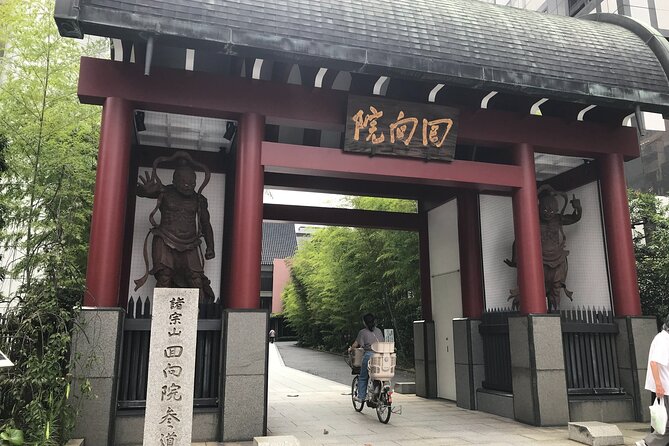
The Ryogoku Kokugikan is the main modern landmark on the route. It is where the grand sumo tournaments are held three times a year, making it the sport’s most important stage in Tokyo.
You view the arena from outside rather than entering for a bout. The guide fills in the details, including stories about the sumo-dedicated building and its role in tournament culture. Even without a ticket, the stop helps you place the sport in the city.
This is also where the tour’s biggest limitation becomes clear. If you want to watch a tournament, you must arrange that separately. The tour does not include sumo viewing, match admission, or a practice session.
The venue’s outside view may feel brief to someone expecting an arena tour. I see it as a useful orientation stop, especially if you plan to return to Ryogoku for a tournament or museum visit. One past departure also found the museum closed, so do not assume a museum visit is part of the morning.
Ryogoku Edo Noren and the full-size sumo ring
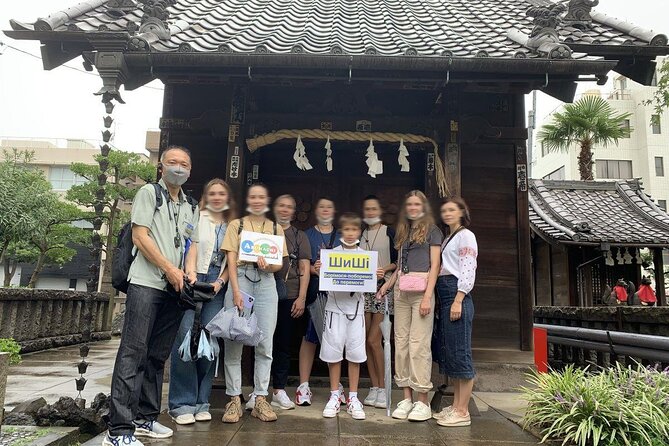
Ryogoku Edo Noren recreates the atmosphere of old Edo, the former name of Tokyo. Its full-scale sumo ring gives you a chance to study the physical space up close.
This is one of the more visual parts of the walk. A sumo ring can look simple at first, but its boundaries and arrangement help explain how the contest works. Your guide can point out details that are easy to miss when you only watch a match on television.
The 30-minute visit gives the ring time to become more than a backdrop. You hear stories about watching sumo and the traditions connected with the space. Because the tour is built around explanation, this stop works best if you enjoy asking questions rather than rushing from one photo opportunity to another.
Ekoin Temple and sumo in the Edo period
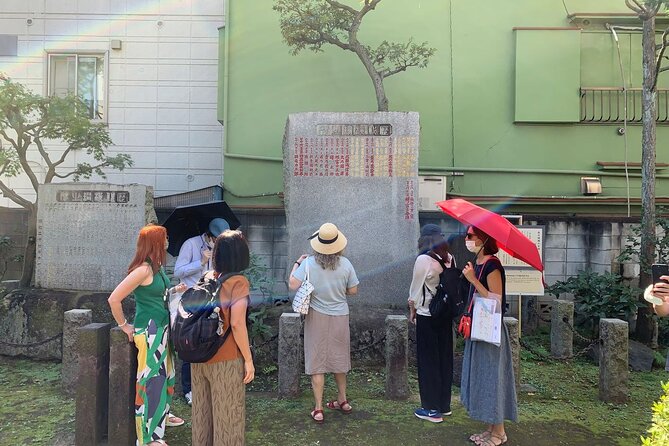
Ekoin Temple takes you back to the samurai-era period, when sumo tournaments were held at this site. The guide discusses the social position of wrestlers and explains how tournaments looked and operated before the modern system developed.
This stop adds needed balance. Many introductions to sumo focus on the present-day stars and the Kokugikan. Here, you get a sense of how the sport functioned in pre-modern Japan and how wrestlers fit into society at that time.
The visit is short, about 15 minutes, but its subject is important. It shows that sumo has not always had the same organization or public role. The sport changed along with Japanese society, even as many rituals remained.
Kasuganobeya and the wrestler-size bicycles
At Kasuganobeya, you see another sumo stable from outside. The memorable detail here is the bicycles. They are built for wrestlers’ large frames and offer a quick, amusing look at the practical problems of everyday life for people of unusual size.
A stable visit remains an exterior stop, so do not expect to enter or watch a practice. Still, seeing several stables in one morning helps you understand that sumo is woven into the district rather than confined to the arena.
This is also a good moment to ask your guide about stable life. The tour description does not promise access inside, and etiquette around active training facilities matters. Treat the stable as a working home and training place, not as a sightseeing attraction where you can wander in.
Chanko-nabe turns lunch into part of the lesson
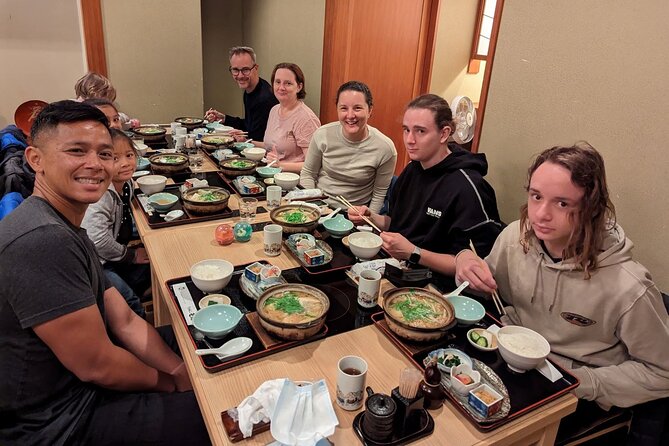
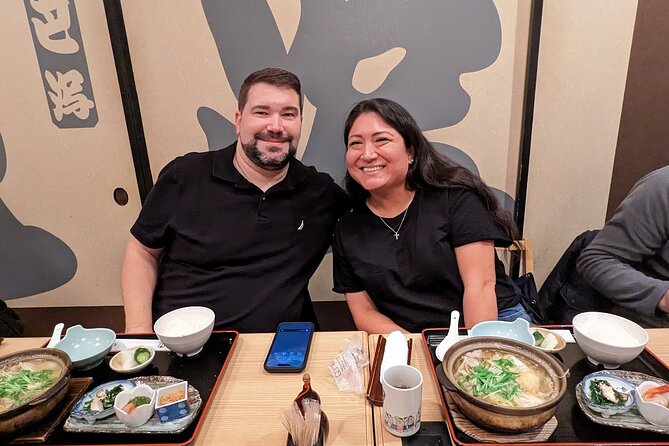
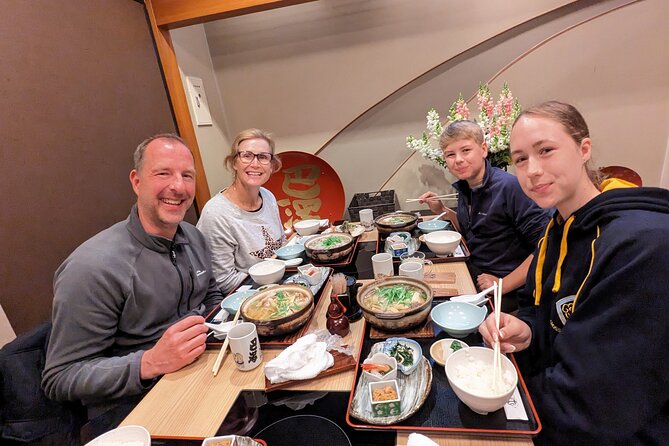
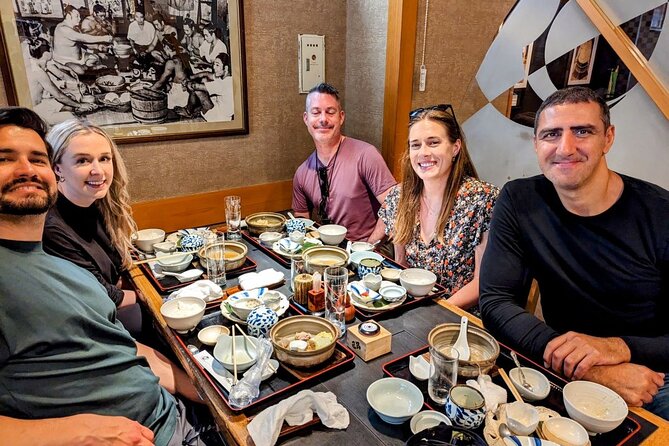
The final stop is Tomoegata Chanko, described as one of the area’s best places for chanko-nabe. Lunch lasts about an hour and is included in the price.
Chanko-nabe is a hot-pot meal associated with sumo wrestlers’ diet. It helps provide the food and calories needed to gain weight and build muscle. Eating it after the morning walk makes the meal part of the cultural lesson, rather than an unrelated restaurant stop.
I like that the tour ends with food. You have just seen the places where sumo is practiced and staged, and now you taste one of the dishes linked to wrestler life. The meal also gives you time to sit down after several stops on foot.
Alcoholic drinks are not included, so budget separately if you want them. The restaurant is the endpoint, which is convenient if you plan to continue exploring Ryogoku afterward. The tour does not include transport back to your hotel.
What the $131.12 price really covers
At $131.12 per person, this is not a cheap neighborhood stroll. The price includes the guide, the small group format, the planned route, and chanko-nabe lunch. It does not include alcohol, hotel pickup or drop-off, museum admission, tournament tickets, or practice viewing.
The value depends on what you want from sumo. If you are mainly looking for a live match, this tour is the wrong purchase. You would be paying for background and neighborhood context without receiving the event you care about most.
If you want a clear introduction to sumo culture, the calculation is better. You get seven stops over three and a half hours, a guide who handles the route, and a substantial meal. The maximum group size of eight is also meaningful in a subject where explanations and questions make up much of the experience.
The tour has a 4.9 rating from 26 reviews, with 96 percent recommending it. That strong response fits the tour’s best features: guides such as Jeff and Aki-san have made the walk personable, and the lunch has been a consistent highlight. Still, one experience received only three stars because the timing was tight and Sunday closures meant no training-facility visit was possible.
Timing, closures, and the best way to plan
The tour starts at 9:30 a.m. at Ryogoku Station, at 1-chome-4-29 Yokoami in Sumida City. It ends at Tomoegata Chanko, at 2-chome-17-6 Ryogoku.
Arrive ready to walk and keep the morning open for the full three and a half hours. Since the itinerary moves through several sites, a late start could make the schedule feel rushed.
Pay special attention to the date. The route does not promise actual training, but Sunday closures can remove even some possible stable-related access. The tour is still able to cover shrines, temples, the arena exterior, Edo Noren, and lunch, but the morning may feel less worthwhile if your main reason for booking is contact with active sumo facilities.
You may also want to check the tournament calendar separately. This experience does not include entry to a tournament, and it does not replace a match ticket. It works best as a cultural introduction before or after seeing sumo live.
Who should book this Ryogoku walk
I would choose this tour for a first-time visitor who wants to understand sumo beyond the spectacle. It suits couples, families, and small groups who prefer a guide to explain customs as they walk. It is also a good fit if you want an organized morning with lunch already arranged.
The tour is especially useful for anyone who has questions about the sport’s origins, the role of shrines and temples, the social place of wrestlers, and the daily life connected to a stable. The guides’ names and teaching styles may vary, but Jeff, Taka, and Aki-san have each brought a personal touch to the route.
I would think twice if you need wheelchair-free, fully indoor sightseeing, though the available information does not provide detailed accessibility guidance. I would also skip it if you want a guaranteed training session, a live bout, or access inside a stable.
The cancellation policy is flexible if your plans change: cancel at least 24 hours before the 9:30 a.m. start for a full refund. Changes or cancellations inside that window are not accepted for a refund.
Should you book it?
Book this tour if you want context, local walking, and a proper sumo-related meal more than a live sporting event. The small group, seven-stop route, and included chanko-nabe make the price easier to justify for a first visit to Ryogoku.
Skip it if you already know the sport well or have arranged a tournament, practice viewing, and neighborhood visit on your own. Also be cautious about Sunday dates, when closures can limit the sumo-facility side of the experience.
For most curious first-time visitors, this is a well-focused way to understand why Ryogoku is called Sumo Town. Just book it for the culture and the meal, not for a guaranteed look at wrestlers in action.
FAQ
How long does the Tokyo Sumo Culture Tour last?
The tour lasts approximately three hours and 30 minutes.
What time does the tour start?
The tour starts at 9:30 a.m.
Where does the tour begin?
It begins at Ryogoku Station, at 1-chōme-4-29 Yokoami, Sumida City, Tokyo 130-0015, Japan.
Where does the tour end?
The tour ends at Tomoegata Chanko, at 2-chōme-17-6 Ryōgoku, Sumida City, Tokyo 130-0026, Japan.
How many people can join the tour?
The tour has a maximum of eight participants.
Is lunch included?
Yes. Chanko-nabe lunch is included at Tomoegata Chanko.
Are alcoholic drinks included?
No. Alcoholic beverages are not included.
Can I watch a sumo match or practice?
No. Actual sumo viewing, including practice or matches, is not included.
Does the tour include hotel pickup and drop-off?
No. Hotel pickup and drop-off are not included.
Can I cancel for a full refund?
Yes. You can cancel at least 24 hours before the start time for a full refund. Cancellations or changes made less than 24 hours before the start are not accepted for a refund.
More sumo tours with a meal in Tokyo
- Tokyo: Sumo Show and Dining Experience
★ 4.8 · 2,742 reviews - Tokyo:Luxury Sumo Show Experience & Japanese cuisine & Drink
★ 4.7 · 577 reviews - Tokyo: Sumo Experience and Chanko Nabe Lunch
★ 4.8 · 257 reviews - Tokyo: Family Sumo Workshop & Live Wrestling Show with Lunch
★ 4.9 · 99 reviews
More Japanese culture experiences in Tokyo
- Tokyo Walking Tour : Sumo, Sushi, Tea, Temples and Tokyo Tower
★ 5.0 · 21 reviews - Chair Seat Guaranteed SUMO Practice +Photo +Culture Option
★ 4.5 · 17 reviews - Tokyo Sumo Practice Watching & Visit Town from Samurai era
★ 5.0 · 8 reviews - Tokyo Ginza : Sumo and Mikoshi Experience,Open from Sep.
★ 5.0 · 8 reviews
Newest sumo experiences in Tokyo
- Tokyo 6hr Private Guided Tour & Sumo Show Lunch★ 5.0 · 3 reviews
- Tokyo Grand Sumo Tournament Viewing Tour★ 5.0 · 2 reviews
- Tokyo Sumo History Tour with Chanko Nabe Lunch★ 5.0 · 3 reviews
- Tokyo Highlights Tour: Sumo, Sushi, Tea, and Tokyo Tower★ 5.0 · 2 reviews
- Tokyo: Know about Hokusai and Sumo culture in 2.5 hours★ 5.0 · 2 reviews
- TOKYO , No1 Yokozuna Stable Morning Practice in Ryogoku★ 4.5 · 3 reviews
- Unique Afternoon Live Sumo training tour in Tokyo★ 5.0 · 6 reviews
- Sumo Training Watching Experience in Tokyo★ 4.5 · 8 reviews
Ryogoku Sumo Tours, compared.
Tokyo Ryogoku Sumo Morning Practice + Photo Shoot with Wrestlers
Read our review →
Sumo Wrestlers Morning Practice Tour – Tokyo Sumida District
Read our review →
Sumo Morning Practice Tour in Ryogoku and Photo Shoot
Read our review →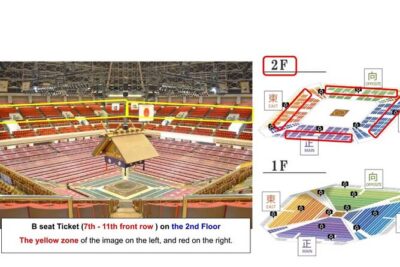
Seat B Ticket Tokyo Sumo Wrestling Tournament in Ryogoku
Read our review →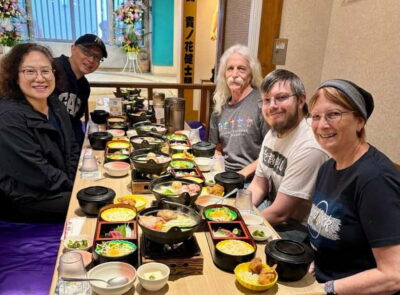
Private Ryogoku Walking Tour with Sumo Wrestler and Master Guide
Read our review →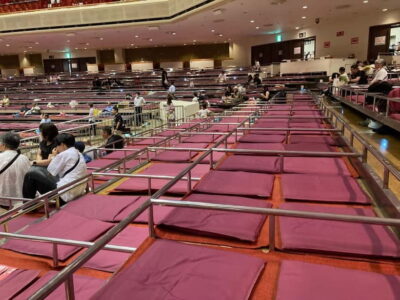
Browse the lists this tour appears in