
REVIEW · SUMO WRESTLER MEET AND GREET
Tokyo Sumo Morning Practice: Viewing & Exclusive Interaction
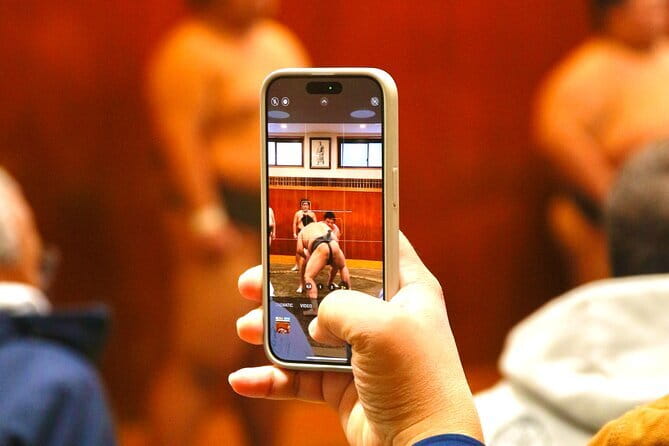
Tokyo’s sumo tournaments run only a few times each year, so this morning practice visit is a smart alternative when your dates do not match tournament season. You sit close to real wrestlers as they stretch, practice techniques, and collide with startling force. This is training, not a polished tourist performance, and that difference gives the experience its value.
I like two things especially: the chance to see sumo from only a few meters away, and the time set aside afterward for questions and photographs. Guides such as Sarah, Momo, Haru, Peach, Taka, and Moana have helped visitors understand the rituals and rules before the practice begins. The main drawback is value. At $95.77 per person, the price feels fair when the stable visit lasts as planned, but one participant reported an experience closer to an hour.
- Watch a real morning practice: See wrestlers train in a working stable rather than at a staged demonstration.
- Sit close to the action: The impact, footwork, breathing, and repeated drills are much easier to appreciate at close range.
- Ask questions after training: The Q&A offers a chance to learn about sumo life directly from the wrestlers.
- Take photos with the athletes: Men may sometimes be invited into the ring for a brief pushing activity, though this is not guaranteed.
- Finish with a sumo ranking souvenir: You receive an official banzuke in a specially designed folder.
- Add Japanese food afterward: An optional brunch gives you more time with the guides and a chance to try a traditional-style meal.
Why Morning Practice Offers More Than a Tournament Seat
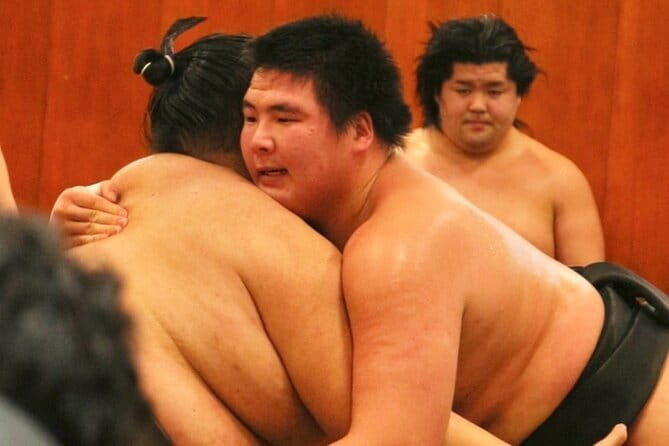
A sumo tournament gives you the excitement of competition, formal announcements, packed stands, and a full day of matches. This visit gives you something different: a look at the work behind the spectacle.
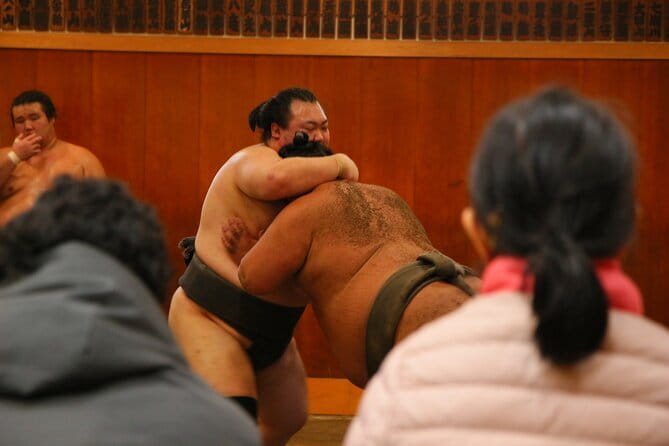
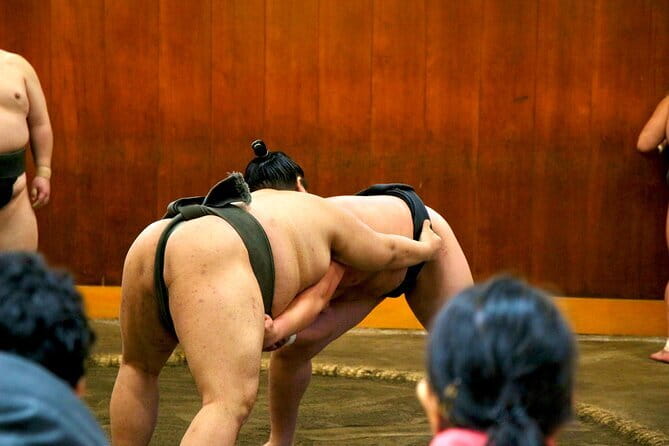
You see wrestlers repeat the same movements until they are clean. You notice the rituals before the bouts, the careful etiquette, and the concentration in the room. Practice can be quieter than a tournament, but the silence makes every slap, foot stamp, and collision easier to feel.
The athletes are not actors brought in for a demonstration. They are professional wrestlers following their normal training routine. That matters. You are not being shown a simplified version of sumo for tourists.
The visit also helps you understand how demanding the sport is. Television shows the final clash, but it does not always show the conditioning, discipline, and patience required to reach that moment. Sitting close to the practice gives you a new respect for the work involved.
Meeting at Narihira Park in Sumida
The experience begins at Narihira Park near the multipurpose restroom, at 2-chōme-3-番 Narihira, Sumida City. Your guide meets you there for an orientation of about 20 minutes before leading the group to the stable.
Pay close attention to the meeting instructions. One participant reported that the location shown on a ticket was incorrect, so you should confirm the exact meeting point before leaving your hotel. The guide may also contact you the day before, as Sarah and other guides have done, with directions and reading material.
The park briefing is useful, not filler. You learn about the background of sumo, its rituals, the stable you are about to enter, and the behavior expected inside. Read any pre-tour material before arrival. The more you know about the rules and customs, the more you will notice during the practice.
The meeting point is near public transportation, but your exact route will depend on where you stay. If you are coming from Shinjuku for an early session, one participant recommended using a taxi or ride service to avoid a rushed morning. Give yourself enough time to arrive calm and ready to follow the group.
More chances to meet a wrestler in Tokyo:
- Tokyo Ryogoku Sumo Morning Practice + Photo Shoot with Wrestlers
★ 4.5 · 277 reviews - Tokyo Sumo Morning Training/ Sumo Practice with Wrestlers
★ 5.0 · 135 reviews - Tokyo Sumo Morning Practice: Viewing & Exclusive Interaction
★ 4.9 · 74 reviews
Inside the Stable: A Close Look at Sumo Training
The practice viewing lasts about 90 minutes in the planned schedule. You sit quietly while the wrestlers work through their routine. The room is not arranged like a theater, and the session does not follow a fixed show timetable. The length and intensity of training can vary.
That unpredictability is part of the point. You might see stretching, exercises, technique work, and practice bouts. Several people described watching around ten wrestlers work through drills, while another group visited a smaller stable with eight people and seven wrestlers. The number of athletes present can change if wrestlers are away on tour.
At close range, sumo looks less like a slow contest and more like a demanding test of balance, timing, and force. You hear the impact. You see how a wrestler plants his feet and uses his whole body. You also notice individual styles and personalities, details that disappear when you watch from far away.
Your guide explains what you are seeing, but the balance between commentary and observation can vary. Some guides, including Taka, have been praised for explaining sumo history and traditions with real enthusiasm. Other participants felt the guide mainly translated questions and offered limited explanation during the session.
For that reason, I would not book this expecting a nonstop lecture. The stable visit is primarily about watching. The guide’s introduction gives you a useful frame, then the training itself takes over.
You must remain quiet while the wrestlers work. This is especially important for families. Children may find 90 minutes of silent observation difficult, even if they are excited by the wrestlers. The experience can work very well for older children who enjoy sport and culture, but it is not an ideal choice for a restless toddler.
Rituals, Silence, and the Real Pace of Sumo
The quiet is not a minor detail. Sumo practice depends on concentration, and visitors are expected to respect the room. You are not moving around freely, calling out, or treating the session like an interactive show.
This gives you a better sense of the sport’s discipline. The rituals are not decoration added for visitors. They are part of how the wrestlers prepare and how the stable operates. Watching them repeat familiar movements and maintain focus makes the visit feel grounded in daily life.
The pace may also surprise you. A tournament offers constant change, while a practice session can spend a long time on one exercise or repeated bout. If you need continuous entertainment, you may find the visit slow. If you enjoy watching skilled people work, the repetition becomes the lesson.
This is also why the advertised duration matters. The full plan is about two and a half to three hours, including the orientation, practice, interaction, and closing session. Yet one dissatisfied participant said the whole experience lasted about an hour. Most of the detailed feedback describes a fuller visit, but you should still understand that the practice schedule controls the day.
Q&A and Photos With the Wrestlers
After training, the group gets about 30 minutes for interaction. This is the most personal part of the morning. You can ask questions about the wrestlers’ lives and experiences, then take photographs with them.
The questions usually pass through the guide, who translates between English and Japanese. That makes a strong guide important. Momo was praised for making the visit feel personal and answering questions carefully, while Haru was described as warm and informative. Peach, Moana, and Sarah have also led sessions that included explanations and help with questions.
Do not assume you will have an extended private conversation with the stable master, known as the Oyakata. One participant specifically wished for the chance to ask him questions, but strict training schedules may prevent that. The interaction is generally with the wrestlers, not a formal interview with the stable’s senior figure.
The photo session is a real highlight, especially for families. Several children and adult sons were invited to wrestle briefly with the athletes or enter the ring for a playful pushing activity. This is not guaranteed, and the stable decides what is appropriate on the day.
There is also an important cultural restriction. Women are not allowed into the ring because of long-standing sumo traditions. Men may be invited to take part, but stepping into the ring is not promised for every group. You can still watch, ask questions, and take photographs from outside it.
More morning practice tours in Tokyo:
- Tokyo: Sumo Morning Practice Viewing Tour
★ 4.8 · 570 reviews - Tokyo: Sumo Morning Training Visit
★ 4.4 · 370 reviews - Tokyo: Visit Sumo Morning Practice with English Guide
★ 4.7 · 343 reviews - Tokyo: Sumo Morning Practice Tour at Sumida City
★ 4.8 · 308 reviews
The Banzuke Souvenir and Optional Japanese Brunch
The closing session returns to the park and takes about 30 minutes. Your guide gives you an official banzuke, the ranking sheet used in sumo, inside an original folder. It is a small but useful souvenir because it connects the morning’s lesson to the formal world of rankings and tournaments.
This final time also allows for extra questions. If you were unsure about a rule or ritual during the quiet practice, this is the place to ask. It is a simple ending, but it keeps the morning from feeling like a quick look through a doorway.
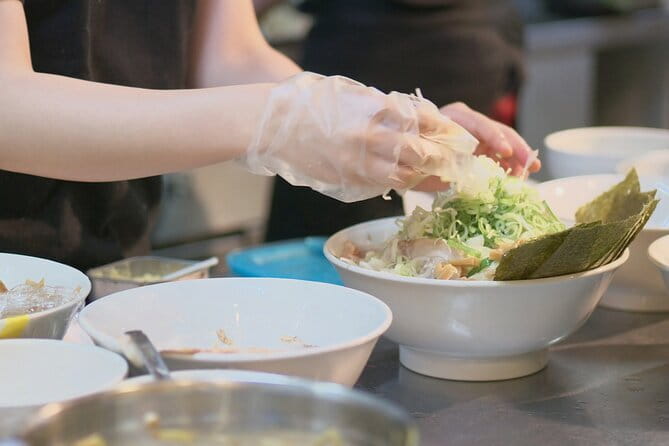
You can also add a Japanese brunch after the stable visit. The meal is optional, so you can keep your afternoon free if you have other plans. If you join, the guides may help explain the dishes and help you choose.
The word brunch may set the wrong expectation. One participant found the meal closer to lunch than a European brunch, with food costing roughly 1,000 to 2,000 yen depending on what you order. It sounds like a practical way to continue the cultural experience, not a formal included meal.
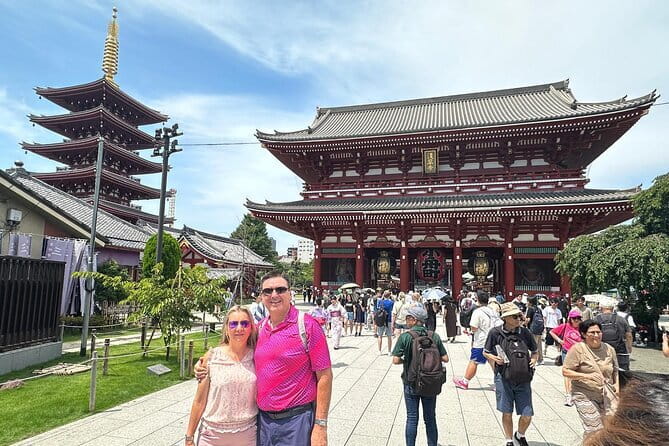
The morning timing works well for Tokyo planning. After the practice, you can still visit Asakusa, the Tokyo Skytree area, Ueno, or another part of the city. The exact travel time will depend on your plans, but finishing early is a major advantage over spending an entire day at a tournament.
Is $95.77 a Fair Price?
At $95.77 per person, this is not a cheap Tokyo activity. You are paying for access that is difficult to arrange alone, an English-speaking guide, the practice viewing fee, the Q&A, photos, and the banzuke souvenir.
The value is strongest if your trip does not overlap with a Tokyo tournament. You get closer to the athletes than you would from regular arena seating, and you see training rather than only the final public contest. For someone curious about how sumo works, that access can justify the price.
The value is weaker if you mainly want a long interactive show. The athletes follow their own schedule, the session may be mostly quiet observation, and the guide’s level of explanation can differ. One person found the experience overpriced because it lasted much less than expected. That criticism is worth taking seriously.
The group limit is listed as 45 people, which is large enough to affect the feel of the visit. In practice, some groups have been much smaller, including one group of eight. A small group allows easier questions and better photographs, but you cannot assume every date will have that intimate setup.
I would compare the price with what you want from sumo. If your priority is access, authenticity, and a close view of training, the cost is easier to accept. If your priority is a full competition program, buy a tournament ticket instead.
Who Will Enjoy This Most?
I would recommend this to adults, older children, families with an interest in sport, and anyone who wants a cultural experience beyond temples and observation decks. It is especially good for first-time visitors who want an explanation of sumo customs before seeing them in action.
It suits patient people. You need to sit quietly for a long stretch, watch repeated drills, and accept that the day may not run like a stage show. The payoff comes from noticing small details rather than chasing constant activity.
Families can have a wonderful time, especially during the photo session. The chance for children or adult sons to push against a wrestler can become a lasting memory. Still, the quiet viewing period may be hard for very young children.
You should think twice if you dislike fixed cultural rules, expect access to the Oyakata, or want every minute filled with guiding. You should also be comfortable with the fact that women cannot enter the ring and that participation for men depends on the stable.
Practical Details Before You Book
The activity uses a mobile ticket and confirmation is provided at booking. It ends back at the original meeting point, so plan your next stop from there rather than assuming you will finish near a major sightseeing area.
The planned duration is approximately two and a half to three hours. Allow the full morning, especially if you add brunch. At the same time, keep your afternoon flexible because the length of training can vary.
Most people can participate, and the activity is near public transportation. The maximum group size is 45. Confirm the meeting location carefully, arrive early, and wear clothing that allows you to sit comfortably and quietly.
Free cancellation is available if you cancel at least 24 hours before the start time. Changes or cancellations made less than 24 hours before the start are not accepted for a refund.
Should You Book This Sumo Experience?
Book it if you want real training rather than a tourist performance, and if you value access more than a low price. The close view, ritual, questions, photographs, and possible ring activity make this one of Tokyo’s more unusual sports experiences.
Skip it if you need a guaranteed three-hour program, a formal competition, or a direct interview with the Oyakata. Also think carefully about bringing young children who cannot sit quietly.
For the right person, the morning offers something a tournament cannot: a look at the daily work that makes the public spectacle possible. Confirm the meeting point, read the pre-tour material, and treat the stable’s rules as part of the experience. Then you will be ready to watch sumo on its own terms.
FAQ
How long does the Tokyo sumo morning practice experience last?
The planned duration is approximately two and a half to three hours, including orientation, practice viewing, interaction, and the closing session. The actual length can vary with the stable’s training schedule.
Where does the experience begin and end?
It begins at Narihira Park near the multipurpose restroom in Sumida City. The activity ends back at the same meeting point.
Is the sumo practice a staged performance?
No. You watch professional wrestlers during a real morning practice session. The schedule and intensity are controlled by the stable rather than by the tour.
Can I take photos with the wrestlers?
Yes. The experience includes time for photographs with the wrestlers after practice. The session also includes a Q&A.
Can visitors wrestle with the sumo athletes?
Some men may be invited into the ring for a brief pushing activity, but this is not guaranteed. Women are not allowed into the ring because of long-standing sumo traditions.
Is brunch included in the price?
No. Japanese brunch is optional and is arranged after the main experience. The meal costs separately, with one stated estimate of roughly 1,000 to 2,000 yen depending on what you order.
More private sumo experiences in Tokyo
- Tokyo:Luxury Sumo Show Experience & Japanese cuisine & Drink
★ 4.7 · 577 reviews - Tokyo: Exclusive Access to Sumo Morning Practice with Photos
★ 4.8 · 107 reviews - Exclusive Sumo Morning Practice in Tokyo with Photo Opportunity
★ 5.0 · 68 reviews - 1.5 Hour VIP Sumo Event in Tokyo
★ 4.5 · 24 reviews
Newest sumo experiences in Tokyo
- TOKYO , No1 Yokozuna Stable Morning Practice in Ryogoku★ 4.5 · 3 reviews
- Tokyo 6hr Private Guided Tour & Sumo Show Lunch★ 5.0 · 3 reviews
- Tokyo Grand Sumo Tournament Viewing Tour★ 5.0 · 2 reviews
- Tokyo Sumo History Tour with Chanko Nabe Lunch★ 5.0 · 3 reviews
- Tokyo Highlights Tour: Sumo, Sushi, Tea, and Tokyo Tower★ 5.0 · 2 reviews
- Tokyo: Know about Hokusai and Sumo culture in 2.5 hours★ 5.0 · 2 reviews
- Tokyo: Sumo Keiko Training Tour with Audio Guide & Photo★ 4.8 · 5 reviews
- Tokyo: Watching Sumo and Ryogoku Area Walking Tour★ 4.0 · 5 reviews
Sumo Wrestler Meet and Greet, compared.
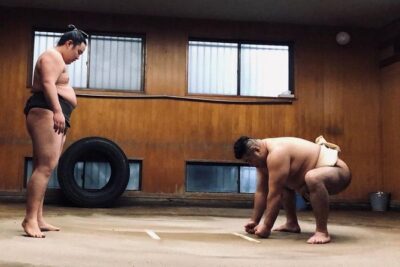
Tokyo Ryogoku Sumo Morning Practice + Photo Shoot with Wrestlers
Read our review →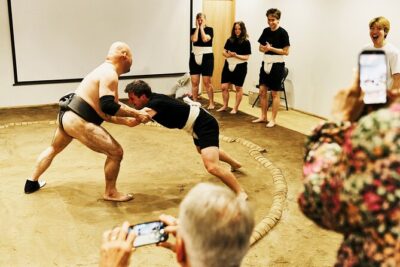
Osaka Sumo Experience with Live Show and Audience Challenge
Read our review →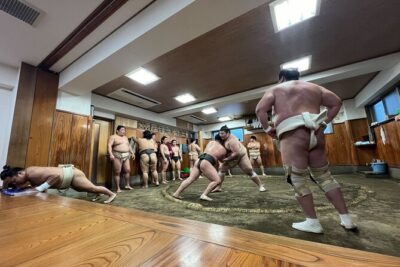
Tokyo Sumo Morning Training/ Sumo Practice with Wrestlers
Read our review →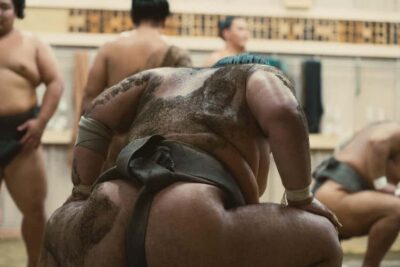
Tokyo Sumo Morning Practice: Witness the Life of a Wrestler
Read our review →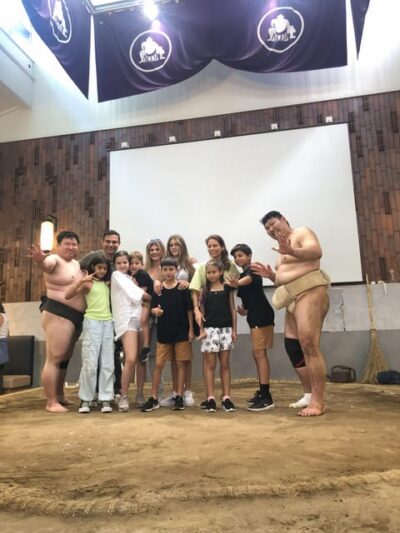

Sumo Wrestlers Morning Practice Tour – Tokyo Sumida District
Read our review →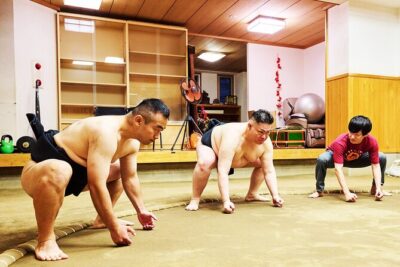
Tokyo Sumo Experience with Live Show & Audience Challenge
Read our review →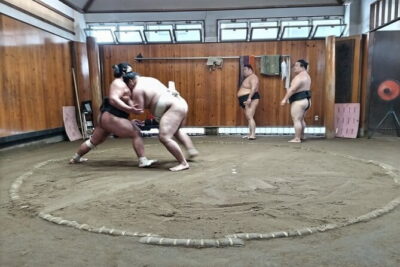
Sumo Practice Viewing Guided Tour and Photo with Sumo Wrestlers
Read our review →Browse the lists this tour appears in